


Explosions reverberated in Gulf cities like Dubai, Abu Dhabi, and Doha on Monday as Iran launched attacks on neighboring nations, targeting military and civilian sites in a significant regional escalation.
Witnesses in Bahrain reported being startled by loud bangs and sirens, with multiple explosions heard through the night. Initially focusing on military targets like the US Navy’s Fifth Fleet headquarters, Iranian strikes have expanded to include airports and other civilian facilities.
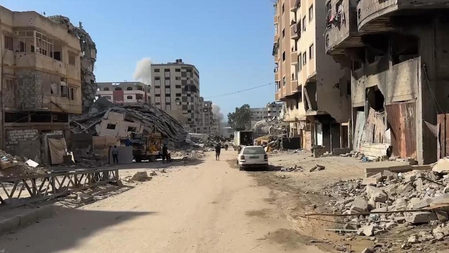
The attacks have hit high-profile structures such as residential buildings, hotels, shopping centers, and airports, symbolizing Gulf prosperity, amidst efforts by air defense systems to counter the threats.
Amidst the conflict, a fighter jet crashed near a US air base in Kuwait, raising concerns about the growing hostilities in the region. Iran’s intensified actions come in response to joint US-Israeli strikes on its territory.
A senior Iranian official declared that Tehran would not engage in negotiations with Washington, indicating a persistent stance of confrontation. US President Donald Trump acknowledged the possibility of more American casualties following the deaths of three US service members in Kuwait, highlighting the increasing human toll of the conflict.
The United Arab Emirates Ministry of Defence reported intercepting numerous ballistic missiles, cruise missiles, and drones from Iran, despite which residents across the region continued to hear explosions and sirens.
While Saudi Arabia and Oman have faced lesser impact, Oman experienced a drone strike on its commercial port of Duqm, and Saudi authorities successfully intercepted attacks on Riyadh and the Eastern Province, condemning them as unwarranted aggression.
Although Iran has been previously linked to Gulf attacks, the current wave’s scale and coordination represent a dangerous escalation, fueling concerns of prolonged regional instability.
