


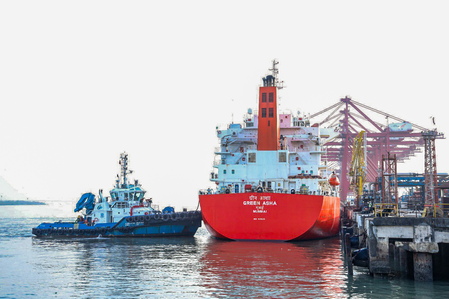
The Strait of Hormuz tensions in West Asia should not be underestimated by India as an external crisis but as a strategic warning due to its heavy reliance on imported oil and gas. To address this vulnerability, India needs to rethink its energy ecosystem by tapping into its abundant waste resources. Municipal waste, agricultural residue, and organic matter can be harnessed to generate energy, fertilizers, and revenue, offering a sustainable solution.
China’s successful diversification of energy sources through renewable energy and strategic reserves serves as a model for India to follow. By establishing a National Waste to Energy Mission, India can leverage waste at various levels, from village biogas plants to city-level waste processing facilities. This decentralized approach not only addresses energy needs but also promotes local energy production and environmental sustainability.
Moreover, India’s talent pool can play a crucial role in innovating waste to energy technologies. The government should engage educational institutions and startups in a National Waste Innovation Challenge to drive solutions for waste collection, recycling, and energy generation. By incentivizing waste segregation and recycling initiatives, India can turn waste management into a lucrative economic opportunity and reduce its dependence on imported fuel.
In parallel, India must ramp up its solar power initiatives and diversify energy supplies through partnerships with countries like Central Asia, Russia, and Myanmar. Energy diplomacy should be prioritized to secure long-term energy partnerships and reduce vulnerability to geopolitical tensions. By adopting a comprehensive strategy that includes waste-to-energy projects, renewable energy expansion, and energy diplomacy, India can enhance its energy security and pave the way for a sustainable future.
