


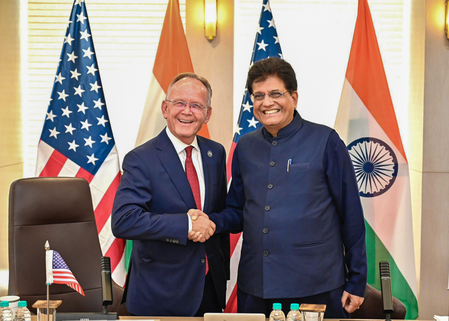
India’s agreement with the United States to reduce reciprocal tariffs is expected to lower prices for a variety of products in the country. This includes tech hardware like laptops and consumer electronics, as well as select agricultural imports. Processed foods, packaged goods, and household appliances may also become more affordable due to decreased import costs. The deal is anticipated to ease pressure from rising food inflation by reducing import levies on agricultural products such as pulses, dairy, and processed foods.
The trade agreement between India and the US is likely to reshape trade dynamics between the two largest democracies in the world. Sectors in India such as textiles and apparel stand to benefit from the tariff reductions. Additionally, the gems and jewellery sector, a significant export category from India, is expected to gain from this trade deal. Industrial and engineering goods, including steel and chemicals, may experience improved market access, although certain products like steel, aluminium, and copper will still face approximately 50% duty.
Despite the trade deal, some auto components may continue to face substantial tariffs. The agreement, reached after a discussion between Prime Minister Narendra Modi and US President Donald Trump, involves the US reducing tariffs on Indian goods to 18% and India easing trade barriers on American products. Furthermore, India has reportedly committed to decreasing purchases of Russian oil and increasing imports from the US and potentially Venezuela.
Prime Minister Modi expressed gratitude towards President Trump for the trade deal, highlighting the reduced tariff of 18% on Made in India products. This development is expected to benefit the Indian economy and enhance trade relations between the two nations.
