


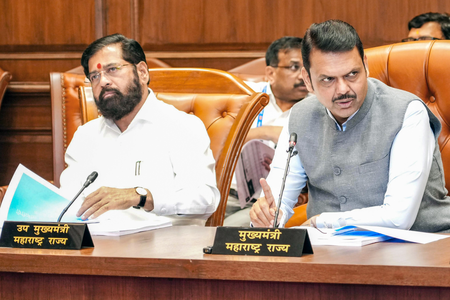
The Maharashtra Cabinet, under Chief Minister Devendra Fadnavis, has given the green light to the ‘Maharashtra State Compressed Biogas (CBG) Policy 2026.’ This policy is aimed at addressing the challenges posed by urban waste and agricultural residue by converting them into clean, renewable fuel.
Currently, Maharashtra generates around 24,500 metric tonnes of municipal solid waste daily from 423 urban local bodies. Despite a significant portion being organic, only a small fraction is converted into compost or biogas, leading to serious air pollution and groundwater contamination at landfills.
Moreover, the state witnesses the burning or wastage of over 20 million metric tonnes of agricultural residue annually. The new policy focuses on ensuring the segregation of waste into organic and inorganic categories to effectively utilize these resources, as highlighted by the government release.
The policy is strategically crafted to achieve various environmental and economic objectives. It aims to ramp up CBG production for industrial, transport, and domestic purposes, align with India’s 2070 Net-Zero carbon emission goal, foster investment, entrepreneurship, and job creation in the bioenergy sector, and harness Napier grass in Marathwada for enhanced methane yield.
To ensure the financial viability of CBG projects, a minimum of 200 tonnes of segregated organic waste per day is required. This will involve clustering small urban local bodies to facilitate collective projects, with the objective of establishing one project per Taluka.
