


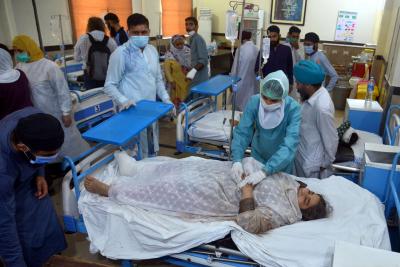
The US-Iran conflict has caused disruptions in the supply of vital medicines and infant milk formula in Pakistan, highlighting deficiencies in the country’s healthcare readiness and policy structure. Shortages and price hikes have emerged, impacting patients, especially those reliant on crucial medications and imported nutritional items. The President of the Wholesale Chemists Council of Pakistan, Mohammad Atif Hanif Baloch, emphasized the government’s lack of a clear strategy to ensure continuous access to essential drugs and regulate prices.
The ongoing crisis in the Gulf region could lead to significant price spikes for medicines essential for conditions like cancer, diabetes, insulin, and heart diseases, warned Baloch. He also expressed concerns about a potential scarcity of infant formula, predominantly imported, which would disproportionately affect low-income segments. The Drug Regulatory Authority of Pakistan (DRAP) has raised alarms regarding medicine availability as global supply chains face disruptions.
Pakistan heavily depends on imports for both finished drugs and Active Pharmaceutical Ingredients (APIs), with around 90% of APIs sourced through Gulf ports, industry estimates suggest. A Health Ministry official highlighted that existing medicine stocks might not suffice beyond two months if supply interruptions persist. Dr. Akram Sultan, a former health official, pointed out the lack of domestic API production in Pakistan, stressing the potential adverse impact on medicine, vaccine, and essential raw material availability.
Pakistan’s inadequate strategy for local pharmaceutical raw material production, coupled with insufficient private sector investment in this sector, poses a significant challenge, according to Dr. Sultan. Industry associations have identified policy hurdles, such as delays in price approvals, as a key impediment in addressing the crisis effectively. Meanwhile, the Pakistan Medical Association has cautioned about potential shortages of essential pediatric tuberculosis medicines, warning of a possible rise in drug-resistant TB cases among children.
The disruptions are already affecting patients undergoing treatments for cardiac issues, cancer, and transplants, as per the report.
