
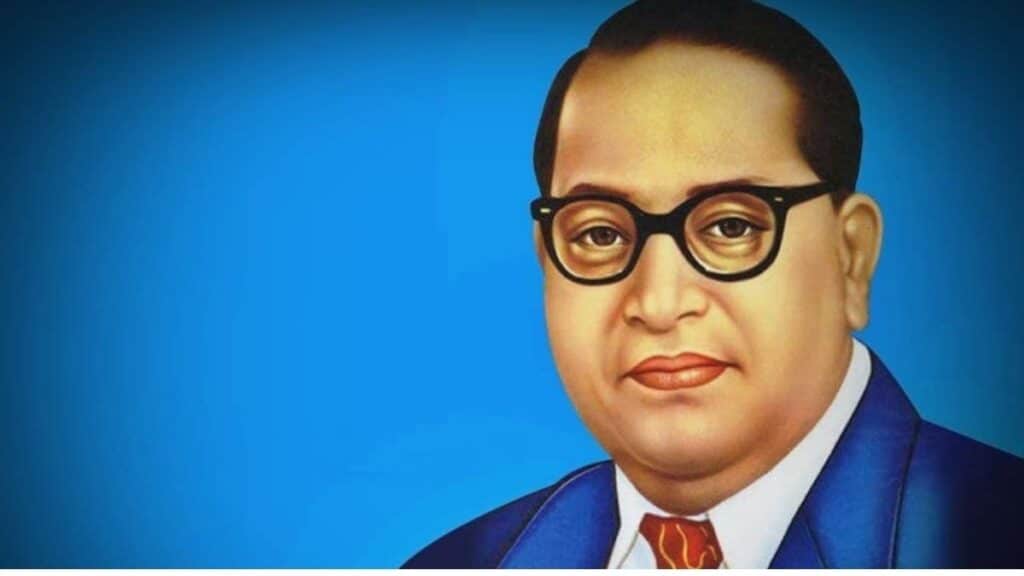
Ambedkar Jayanti, also known as Bhim Jayanti, is one of India’s most widely observed secular commemorations. Observed every year on 14 April, the day marks the birth anniversary of Dr. Bhimrao Ramji Ambedkar — jurist, economist, social reformer, and the principal architect of the Constitution of India. Born on 14 April 1891 in Mhow, Central Provinces (present-day Madhya Pradesh), Dr. Ambedkar is revered not only as the father of the Indian Constitution but as a symbol of equality, justice, and the dignity of every human being.
The day is marked by floral tributes at Ambedkar statues, processions at Chaitya Bhoomi and Deeksha Bhoomi, Constitution readings, cultural programs, and community gatherings across India and around the world. Beyond India, the global diaspora and international governments observe Ambedkar Jayanti as an affirmation of equality and human rights.
When Is Ambedkar Jayanti Celebrated in 2026?
Ambedkar Jayanti is observed on 14 April every year. Unlike lunar festivals that shift annually, this date is fixed on the Gregorian calendar, marking the verified birth date of Dr. B.R. Ambedkar — 14 April 1891.
In 2026, Ambedkar Jayanti falls on Tuesday, 14 April — marking the 135th birth anniversary of Babasaheb Ambedkar. It is a public holiday in more than 25 Indian states and union territories.
Table of Contents
Ambedkar Jayanti In USA, Canada, Australia, New Zealand, UK, UAE, Singapore 2026 Dates
Ambedkar Jayanti falls on Tuesday, 14 April
Ambedkar Jayanti falls on Tuesday, 14 April
Ambedkar Jayanti falls on Tuesday, 14 April
Ambedkar Jayanti falls on Tuesday, 14 April
Ambedkar Jayanti falls on Tuesday, 14 April
Ambedkar Jayanti falls on Tuesday, 14 April
Ambedkar Jayanti Overview
Ambedkar Jayanti is a secular public holiday that honours the birth of one of India’s greatest thinkers and reformers. The day celebrates his legacy of intellectual brilliance, constitutional leadership, and lifelong struggle for the rights of Dalits, women, workers, and marginalized communities.
The occasion is observed across India and globally — not as a religious festival but as a civic and cultural commemoration rooted in the values of equality, social justice, and constitutional democracy. People from all communities and faiths join the observance, making it one of India’s most inclusive national days. It is also referred to as Equality Day in many parts of India and recognized internationally as Dr. B.R. Ambedkar Equality Day or Equity Day in Canada and the United States. from all backgrounds join the celebrations, making it a symbol of Maharashtra’s inclusive identity.
Ambedkar Jayanti Other Names and Regional Identities
Ambedkar Jayanti is known by several names across India’s communities and languages:
| Language / Region | Name |
|---|---|
| Hindi | अम्बेडकर जयंती (Ambedkar Jayanti) |
| Marathi | आंबेडकर जयंती (Ambedkar Jayanti) |
| Tamil | அம்பேத்கர் ஜெயந்தி (Ambedkar Jayanti) |
| Telugu | అంబేడ్కర్ జయంతి (Ambedkar Jayanti) |
| Kannada | ಅಂಬೇಡ್ಕರ್ ಜಯಂತಿ (Ambedkar Jayanti) |
| Bengali | আম্বেদকর জয়ন্তী (Ambedkar Jayanti) |
| Punjabi | ਅੰਬੇਡਕਰ ਜਯੰਤੀ (Ambedkar Jayanti) |
| Common short form | Bhim Jayanti |
| Maharashtra (official) | Dnyan Din (Knowledge Day) |
| Global alternate title | Equality Day / Equity Day |
The title “Babasaheb” — meaning “respected father” — was given to Ambedkar by the communities he championed and remains his most beloved address across all of India.ralia — Marathi cultural organizations use the full formal name to preserve this legacy.
The Origins, History, and Legends of Ambedkar Jayanti
Birth and Early Life
Dr. Bhimrao Ramji Ambedkar was born on 14 April 1891 in Mhow, Central Provinces, into a Mahar caste family that faced severe social discrimination under the caste system. Despite these barriers, his father Ramji Sakpal — a military officer — encouraged his education. Ambedkar was one of the first from his community to cross every ceiling placed before him, going on to become one of the most educated individuals of his generation. He passed his matriculation in 1907, completed his BA Honours in economics and political science from Elphinstone College, Mumbai, earned a Master of Arts and PhD in economics from Columbia University, New York, and completed a doctoral thesis at the London School of Economics — all while fighting the prejudice that followed him everywhere. He is said to have mastered 64 subjects and been proficient in 11 languages.
The First Ambedkar Jayanti (1928)
The first public celebration of Ambedkar’s birthday was organized on 14 April 1928 in Pune by Janardan Sadashiv Ranapisay, an Ambedkarite social activist who began the tradition of Ambedkar Jayanti. What began as a modest community gathering in Pune grew steadily into a national and eventually global observance, driven by the deepening recognition of Ambedkar’s transformative contributions to Indian democracy.
Constitutional Legacy
Dr. Ambedkar served as the Chairman of the Constitution Drafting Committee and is widely recognized as the principal architect of the Constitution of India, adopted on 26 November 1949. The Constitution enshrined the abolition of untouchability, equal rights for all citizens, and protections for minorities and marginalized groups — principles Ambedkar had fought for throughout his life.
Conversion to Buddhism (1956)
On 14 October 1956, just weeks before his death, Dr. Ambedkar converted to Buddhism at Deeksha Bhoomi in Nagpur along with approximately 600,000 followers — one of the largest mass religious conversions in history. This act was both a personal and political statement against the caste discrimination embedded in social hierarchies. His followers who embraced Buddhism, known as Navayana Buddhists, hold 14 April especially sacred as a day of both birth and liberation.
Cultural and Spiritual Significance
Ambedkar Jayanti carries profound civic, cultural, and spiritual significance for millions across India and the world. Dr. Ambedkar’s life is seen as a living proof of what education and determination can achieve against the most entrenched systems of inequality. For Dalits and marginalized communities, the day is deeply personal — a celebration of identity, pride, and the rights that Ambedkar secured through a lifetime of intellectual and political struggle.
For Buddhists who follow in his path, the day has a spiritual dimension — honouring a leader who showed that liberation from oppression is both a social and inner journey. For all citizens, it is an occasion to reaffirm the constitutional values of liberty, equality, fraternity, and justice. In Maharashtra, 14 April is officially observed as Dnyan Din (Knowledge Day), reflecting Ambedkar’s extraordinary intellectual legacy.
Prayers and Observances
Ambedkar Jayanti does not follow a fixed religious ritual structure, but common observances include:
Floral Tributes: Garlands and flowers placed at Ambedkar statues, portraits, and memorials — the most universal act of observance across all communities.
Constitution Readings: Reading or listening to the Preamble of the Indian Constitution is a widely practiced tribute in schools, colleges, and public institutions.
Processions at Chaitya Bhoomi and Deeksha Bhoomi: The two most sacred sites associated with Ambedkar — the memorial at Dadar, Mumbai, and the conversion site in Nagpur — draw hundreds of thousands of visitors on this day.
Buddhist Prayers: At viharas and Buddhist centers, followers of the Navayana tradition observe the day with chanting, the Three Jewels (Buddha, Dhamma, Sangha), and meditation.
Speeches and Seminars: Public addresses, panel discussions, and lectures on Ambedkar’s writings, the Constitution, and Dalit rights are central to the day’s observance.
How Ambedkar Jayanti Is Celebrated Across India
Maharashtra is the heartland of celebrations. Mumbai’s Chaitya Bhoomi at Dadar — where Ambedkar was cremated — draws hundreds of thousands of visitors in a massive all-night vigil and morning procession. Nagpur’s Deeksha Bhoomi, site of the 1956 conversion, is equally significant, drawing Navayana Buddhists from across the country.
Pune, where the first Ambedkar Jayanti was celebrated in 1928, holds prominent civic events, university programs, and Shobha Yatras with great community participation.
Across Uttar Pradesh, Tamil Nadu, Karnataka, Punjab, and other states with large Dalit populations, the day is marked by government-organized events, school programs, statue processions, awareness drives on Dalit rights, and cultural performances.
In New Delhi, it is customary for the President, Prime Minister, and leaders of major political parties to pay homage at Ambedkar’s statue in the Parliament complex.
Across the country, local statues of Babasaheb in cities, towns, and villages become focal points for community gatherings, floral tributes, and cultural programs that bring together people from all walks of life.
Participation Across Religions in India
Dr. Ambedkar’s legacy is notably inclusive. His work addressed the rights of workers, women, minorities, and the poor — causes that resonate across religious and community lines. His intellectual engagement with Islam, Christianity, Buddhism, and Hinduism, and his lifelong commitment to constitutional equality, have made him a respected figure well beyond Dalit communities.
As a result, Ambedkar Jayanti draws participants from across faiths and communities. Labor unions, women’s organizations, civil society groups, and political movements of varied ideologies observe the day together. Educational institutions across India use the occasion for Constitution-reading events, debates, and seminars that welcome participation from all backgrounds, making Ambedkar Jayanti one of India’s most genuinely cross-community observances.
How Ambedkar Jayanti Is Celebrated Outside India
The Indian diaspora around the world has elevated Ambedkar Jayanti into a formally recognized international occasion. Dalit and South Asian advocacy organizations, Ambedkarite associations, and Marathi and Indian community groups organize events across multiple continents.
USA: New York City officially declared 14 April as Dr. Bhimrao Ramji Ambedkar Day in 2025. Colorado had earlier declared 14 April 2022 as Dr. B.R. Ambedkar Equity Day. Events in cities like New York, Chicago, San Francisco, and Los Angeles include panel discussions, documentary screenings, cultural programs, and community marches.
Canada: The City of Burnaby declared 14 April as Dr. B.R. Ambedkar Day of Equality in 2020. The Government of British Columbia recognized it as Dr. B.R. Ambedkar Equality Day in 2021 and further declared April as Dalit History Month in 2022. Toronto, Vancouver, and Calgary host community events organized by Dalit and South Asian groups.
UK: London, Leicester, and Birmingham host cultural evenings, talks, and memorial events. Since 2026’s date falls on a Tuesday, many communities may shift larger gatherings to the weekend.
Ambedkar Jayanti: Music, Art, and Cultural Expression
Ambedkar’s life has inspired a rich tradition of song, poetry, and art. Bhim Geet — devotional and celebratory songs composed in honor of Babasaheb — are sung at gatherings, processions, and community events across Maharashtra and beyond. These songs, often performed with great energy by community singers, carry his teachings and life story to new generations.
Jalsa performances — a form of community musical theater rooted in the Ambedkarite movement — bring his story to life in public spaces. Visual artists create murals, portraits, and digital illustrations across India every 14 April, with social media seeing a powerful annual outpouring of fan art, rangoli, and creative tributes. Theatre groups stage performances depicting key moments from his life — his education, his battles against caste discrimination, his drafting of the Constitution, and his conversion to Buddhism. In schools and colleges, essay competitions, debate contests, and poster-making events on themes of equality and constitutional rights mark the occasion.
Modern Observance and Digital Commemoration
In 2020, the world’s first online Ambedkar Jayanti was celebrated, with communities across the globe joining virtual events, live streams, and digital tributes during COVID-19 restrictions. This digital momentum has continued, with Ambedkar Jayanti now widely marked across Twitter/X, Instagram, YouTube, and WhatsApp through shared quotes, speeches, documentary clips, and art. In 2017, Twitter launched a dedicated Ambedkar emoji on the occasion of Ambedkar Jayanti. Hashtags such as #AmbedkarJayanti, #BhimJayanti, and #EqualityDay trend nationally every year on 14 April, with millions of tributes from citizens, politicians, institutions, and activists.
Educational initiatives have grown significantly, with universities, think tanks, and NGOs organizing Ambedkar lectures, constitutional literacy drives, and publication of his collected works to mark the occasion. YouTube sees extensive streaming of his speeches, documentaries on his life, and recordings of Bhim Geet and Jalsa performances.
How to Wish Someone on Ambedkar Jayanti:
“Jai Bhim!” — the most widely used greeting among Ambedkarite communities worldwide
“Ambedkar Jayanti ki Shubhkamnayein” — Happy Ambedkar Jayanti in Hindi
“May the ideals of Babasaheb Ambedkar — equality, education, and justice — guide your path”
“Happy Bhim Jayanti — Jai Bhim, Jai Bharat!”rs — its message remains unchanged: remember, be inspired, and serve.
Jai Bhavani! Jai Shivaji!