
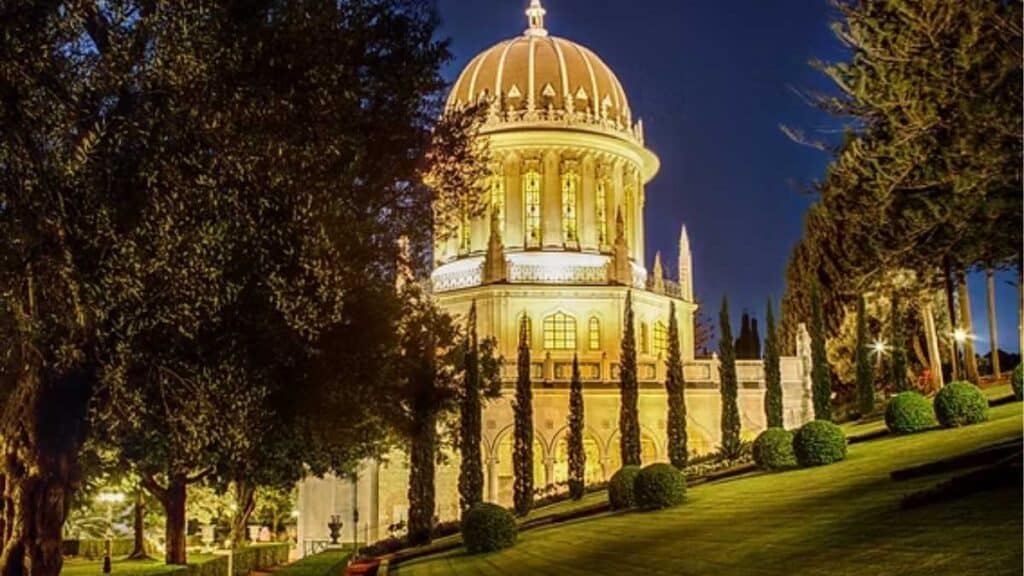
The Birth of the Báb is one of the most joyful and spiritually significant holy days in the Bahá’í Faith. Observed by Bahá’ís worldwide, this sacred day commemorates the birth of Siyyid Ali-Muhammad — known to the world as the Báb (meaning “The Gate” in Arabic) — the Prophet-Herald who announced the coming of a new spiritual age for humanity. It is a day of prayer, community gathering, and heartfelt celebration, observed with the suspension of work.
The Báb was born on October 20, 1819 in Shiraz, Persia (modern-day Iran). His mission was both bold and transformative: to declare that a new Manifestation of God was imminent, and to prepare humanity for the coming of Bahá’u’lláh, the founder of the Bahá’í Faith. Though his ministry lasted only six years before his martyrdom in 1850, the spiritual movement he ignited changed the course of religious history.
Together with the Birth of Bahá’u’lláh, celebrated the following day, the Birth of the Báb forms the beloved “Twin Holy Birthdays” — described by Bahá’u’lláh himself as “one in the sight of God.” This two-day period is among the most festive and community-centered in the Bahá’í calendar.
When Is the Birth of the Báb Celebrated in 2026?
The Birth of the Báb is observed on the first day following the eighth new moon after Naw-Rúz (the Bahá’í New Year, March 20), making it a movable date that shifts annually based on the lunar cycle.
Birth of the Báb 2026 Dates
- Day 1 — Birth of the Báb: Tuesday, November 10, 2026 (begins at sunset on Monday, November 9, 2026)
- Day 2 — Birth of Bahá’u’lláh: Wednesday, November 11, 2026
Table of Contents
Birth of the Báb In USA, Canada, Australia, New Zealand, UK, UAE, Singapore 2026 Dates
- Day 1 — Birth of the Báb – Tuesday, November 10, 2026
- Day 2 — Birth of Bahá’u’lláh: Wednesday, November 11, 2026
- Day 1 — Birth of the Báb – Tuesday, November 10, 2026
- Day 2 — Birth of Bahá’u’lláh: Wednesday, November 11, 2026
- Day 1 — Birth of the Báb – Tuesday, November 10, 2026
- Day 2 — Birth of Bahá’u’lláh: Wednesday, November 11, 2026
- Day 1 — Birth of the Báb – Tuesday, November 10, 2026
- Day 2 — Birth of Bahá’u’lláh: Wednesday, November 11, 2026
- Day 1 — Birth of the Báb – Tuesday, November 10, 2026
- Day 2 — Birth of Bahá’u’lláh: Wednesday, November 11, 2026
- Day 1 — Birth of the Báb – Tuesday, November 10, 2026
- Day 2 — Birth of Bahá’u’lláh: Wednesday, November 11, 2026
Why Does the Birth of the Báb Date Change Every Year?
The Birth of the Báb is calculated using the Bahá’í lunar calendar, not the Gregorian calendar. In 2015, the Universal House of Justice — the global governing body of the Bahá’í Faith — decreed that the Twin Holy Birthdays would henceforth be observed on the first and second days following the eighth new moon after Naw-Rúz (March 20). Prior to this decision, the dates were fixed: October 20 for the Birth of the Báb and November 12 for the Birth of Bahá’u’lláh.
The new lunar-based system restores the original Islamic calendar connection — both birthdays historically fell on consecutive days of the month of Muharram — while aligning the celebration with Bahá’í calendar principles.
Birth of the Báb — Other Names and Regional Identities
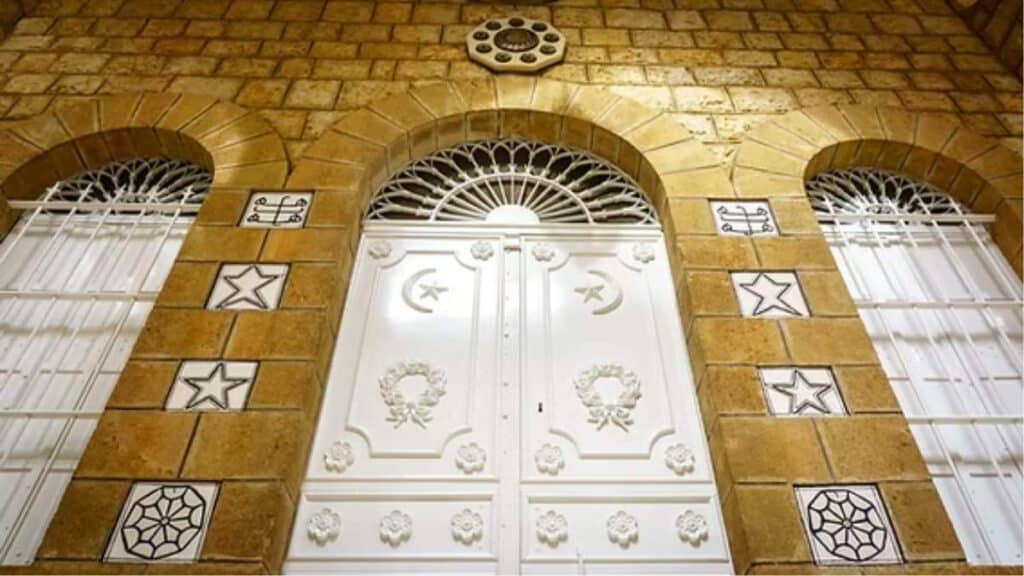
The festival is known by several names across languages and communities:
- English: Birth of the Báb, Birthday of the Báb, Anniversary of the Birth of the Báb
- Arabic / Persian: Milád al-Báb (ميلاد الباب) — widely used in Middle Eastern Bahá’í communities
- Hindi / Urdu: Báb ka Janam Divas (बाब का जन्म दिवस) — used across Indian Bahá’í communities
- Combined Reference: “Twin Holy Birthdays” or “Twin Birthdays” — used globally when referring to both days together
- Diaspora Usage: In South Asian communities in the UK, Canada, USA, and Australia, the occasion is often simply called “the Twin Birthdays”
- Persian Communities: Milád-i-Nuqtiy-i-Úlá — a formal Persian title referencing the Báb as the “Primal Point”
The Báb himself is reverently referred to as Hadrat-i-Báb (His Holiness the Báb) in Persian-speaking communities.
The Origins, History, and Legends of the Birth of the Báb
The Báb was born before dawn on October 20, 1819 in Shiraz, in the Fars province of Persia. His mother was Fatimih-Bagum and his father was Mirza Muhammad Rida. From childhood, he was known for extraordinary spiritual sensitivity and insight.
On the evening of May 22, 1844, at the age of 25, the Báb made his momentous declaration to Mulla Husayn-i-Bushru’i, announcing that he was the fulfillment of Islamic prophecy — the promised Qa’im whose appearance had been awaited for over a thousand years. This declaration is celebrated separately as the Declaration of the Báb, another major Bahá’í holy day.
The Báb’s ministry lasted only six years, yet in that time he produced a vast body of writings — including the Bayán, his primary book of laws — and gathered thousands of devoted followers known as Bábís. His writings drew on Islamic, Sufi, and Zoroastrian traditions while announcing a wholly new spiritual cycle.
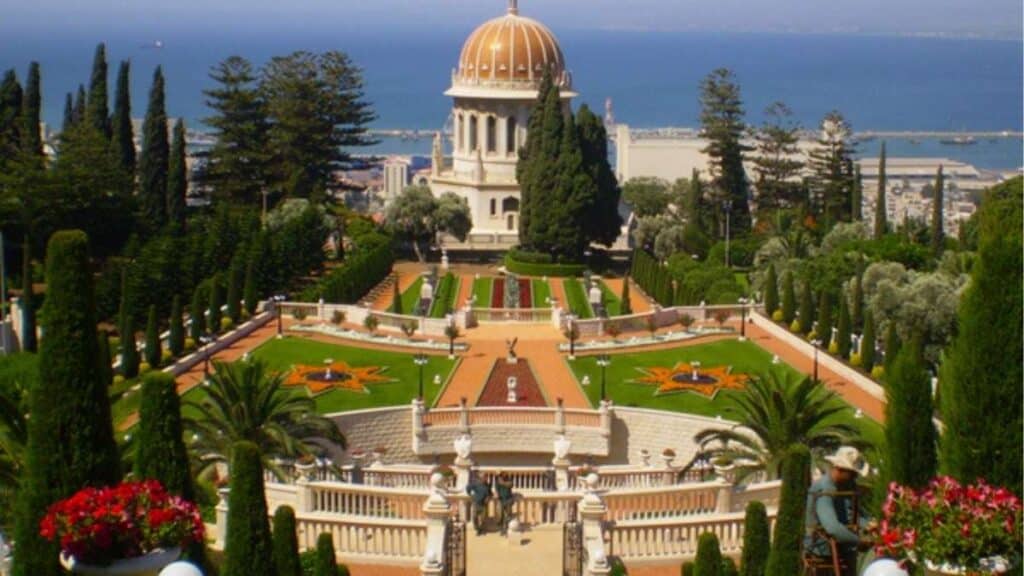
Faced with fierce opposition from the Persian religious establishment and state authorities, the Báb was imprisoned and ultimately executed by firing squad in Tabriz on July 9, 1850, at the age of 30. His remains, secretly preserved by devoted followers over decades, are now interred in the magnificent Shrine of the Báb on Mount Carmel in Haifa, Israel — a UNESCO World Heritage Site and one of the most breathtaking religious buildings in the world.
In Bahá’í scripture, the Báb is understood to be both an independent Manifestation of God — in the same station as Moses, Jesus, and Muhammad — and the forerunner of Bahá’u’lláh. The fact that their birthdays fall on consecutive days of the Islamic lunar calendar is seen by Bahá’ís as a profound sign of their intertwined spiritual missions.
Cultural and Spiritual Significance
The Birth of the Báb carries deep spiritual meaning for the nearly eight million Bahá’ís living in over 100,000 localities worldwide. The Báb represents the dawn of a new religious era — an age defined by the oneness of humanity, equality of men and women, harmony of science and religion, and the need for global unity. These were revolutionary principles in 19th-century Persia, and they remain the foundation of Bahá’í community life today.
For Indian Bahá’ís, the largest national Bahá’í community in the world, the Báb resonates with the concept of a divine messenger whose courage and sacrifice echo the spirit of India’s own great spiritual traditions. His willingness to face persecution and martyrdom for truth is seen as a universal act of spiritual heroism.
Culturally, the Birth of the Báb is a celebration of light breaking through darkness — a reminder that every age receives divine guidance, and that the human capacity for spiritual renewal is boundless.
Prayers and Religious Observances
The Birth of the Báb is observed primarily through devotional gatherings centered on prayer, music, and readings from Bahá’í scripture. Unlike many religious traditions, the Bahá’í Faith has no clergy — every gathering is organized and led by community members, giving the observance a warm, participatory character.
Typical observances include recitation of prayers by the Báb himself, passages from Bahá’u’lláh’s writings describing the Báb’s station, and prayers by ‘Abdu’l-Bahá. The Báb’s own writings are notably poetic and mystical, often chanted or sung. Many communities hold devotional programs open to people of all faiths, combining prayers from multiple world religions with Bahá’í scripture and music.
Bahá’u’lláh counseled that in communities where neighbors may be mourning during the Islamic month of Muharram — within which both births historically fall — Bahá’ís should celebrate with sensitivity and care for those around them.
How Birth of the Báb Is Celebrated Across India
India is home to one of the world’s largest Bahá’í populations, with millions of followers across states including Maharashtra, Madhya Pradesh, Chhattisgarh, Jharkhand, Gujarat, and Tamil Nadu. The Birth of the Báb is celebrated with warmth, community spirit, and regional cultural flavors throughout the country
The Lotus Temple (Bahá’í House of Worship) in New Delhi hosts a special devotional program open to all visitors on this day, drawing thousands regardless of faith. In Maharashtra and Chhattisgarh, tribal Bahá’í communities — who form a significant and vibrant segment of Indian Bahá’ís — celebrate with traditional songs and dances woven together with Bahá’í prayers. In Tamil Nadu and Kerala, devotional gatherings feature bhajan-style recitation of Bahá’í prayers set to classical South Indian musical forms. In Gujarat, community feasts, readings from the Báb’s writings in Gujarati, and discussions on Bahá’í social principles are central features of the celebration.
Participation Across Religions in India
One of the most distinctive aspects of Bahá’í holy day observances is their open, inclusive nature. Birth of the Báb gatherings in India regularly welcome neighbors of all backgrounds — Hindus, Muslims, Christians, Sikhs, Jains, and Zoroastrians are all invited and warmly received.
This openness is rooted in the Bahá’í teaching that all major world religions are successive chapters in one unfolding spiritual story. In practice, this means Birth of the Báb gatherings often include multi-faith prayer readings, shared meals, and open dialogue sessions on unity and justice. In rural communities, local neighbors of different faiths frequently participate in Bahá’í celebrations, and Bahá’ís reciprocate — building social bonds that reflect the principle of the oneness of humanity at the grassroots level.
How Birth of the Báb Is Celebrated Outside India
The Bahá’í Faith is present in virtually every country on earth, making the Birth of the Báb one of the most geographically widespread religious observances in the world.
In the USA and Canada, South Asian Bahá’í communities in cities like Toronto, Vancouver, Chicago, and Houston organize gatherings featuring Indian classical music, multilingual prayers, and shared meals with Indian and Persian dishes.
In the UK, the Bahá’í Centre in London and regional communities across Birmingham and Manchester host devotional evenings with spoken word and interfaith reflection.
In the UAE, home gatherings and online programs are common, given the social context of the country.
In Australia and New Zealand, communities in Sydney, Melbourne, and Auckland often incorporate Indigenous acknowledgments of country alongside Bahá’í prayers — a powerful expression of cultural respect.
In Germany and Singapore, gatherings are notably diverse and multinational, with participants from dozens of countries celebrating together.
Birth of the Báb Gifting Traditions
The Bahá’í Faith does not prescribe formal gift-giving for holy days, but warm cultural practices have developed within South Asian Bahá’í communities. Bringing homemade sweets or food to gatherings — mirroring traditional Indian hospitality — is common.
Books about the Báb’s life and Bahá’í teachings are popular gifts, as are donations to Bahá’í-inspired social development projects such as schools and health clinics in rural communities. Handmade crafts incorporating the nine-pointed star or the Ringstone Symbol — calligraphic symbols of the Bahá’í Faith — are cherished personal gifts within the community.
Birth of the Báb Foods and Culinary Traditions
No prescribed foods exist for this holy day, but the communal feast is a beloved part of Twin Holy Birthday celebrations. Community potluck gatherings reflect the global diversity of the Bahá’í community, with participants bringing dishes from their cultural backgrounds.
Common dishes at Indian Bahá’í gatherings include biryani, dal, sabzi, and festive sweets like halwa and laddoo. Persian-heritage communities bring traditional dishes such as sholeh zard (saffron rice pudding), ash-e reshteh (herb and noodle soup), and sweets like zoolbia and bamieh — honoring the Báb’s Iranian roots. Saffron-infused Persian chai is a beloved beverage at gatherings.
In African communities, jollof rice may appear; in Latin American communities, tamales. This beautiful culinary diversity at the shared table is itself a living expression of the Bahá’í principle: unity in diversity.
Music, Art, and Cultural Expression
Music holds a sacred place in Bahá’í observances. The Bahá’í writings describe music as “a ladder by which souls may ascend to the realm on high,” and this is vividly expressed at Birth of the Báb celebrations worldwide.
In India, Bahá’í devotional music has developed a distinctive character — prayers and verses set to classical ragas, folk melodies, and bhajan-style compositions. The Lotus Temple choir in Delhi is known for multilingual devotional performances. Globally, the Bahá’í community has produced diverse musical traditions: classical Persian chanting, contemporary gospel, Native American drum music, and West African drumming — all set to Bahá’í scripture.
Visual art also plays a growing role, with Bahá’í calligraphers creating stunning renditions of the Báb’s writings in Arabic and Persian script. Children’s programs feature storytelling about the Báb’s life, art projects centered on themes of light and courage, and songs that transmit Bahá’í values joyfully to the next generation.
Modern Observance and Evolving Practices
The Birth of the Báb has adapted naturally to contemporary life. Digital and hybrid gatherings have become a permanent feature, enabling diaspora families to celebrate together across continents. Interfaith collaboration has grown — many communities now co-host Twin Birthday observances with neighboring mosques, churches, and temples. Social action is increasingly integrated into the celebration: planting trees, visiting hospitals, and launching community development projects are common ways of honoring the Báb’s legacy on his birthday.
Sustainability consciousness is growing too, with plant-based and locally sourced foods featured at community feasts and single-use plastics actively avoided.
How to wish someone on Birth of the Báb: A warm “Happy Twin Holy Birthdays!” or “Mubarak on the Birth of the Báb!” is always welcome. You might also say: “May this holy day bring joy and spiritual renewal to you and your family.”
Cultural Reflection
The Birth of the Báb endures as a celebration of courage, spiritual dawn, and the power of a single life to change the course of history. In a world often marked by division and uncertainty, the story of a young man from Shiraz who declared a new era for humanity — with serenity and conviction in the face of persecution — carries timeless resonance.
For millions of Bahá’ís in India and across the globe, the Birth of the Báb is not simply a date in the calendar. It is an annual renewal of commitment to a vision of a united, just, and spiritually alive world — one community, one gathering, one shared prayer at a time. The Gate that the Báb opened more than 180 years ago continues to draw humanity forward.