
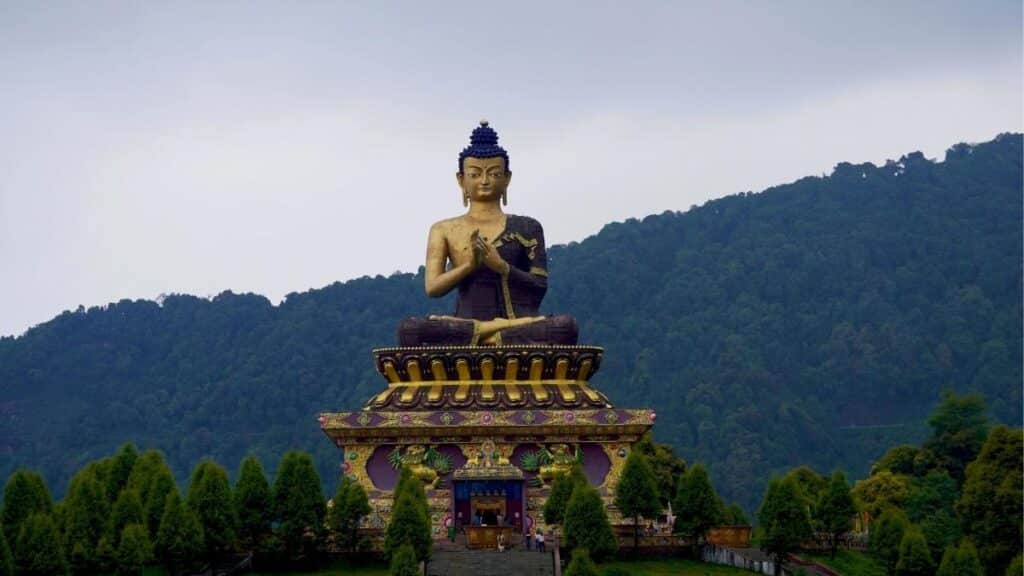
Buddha Purnima, also known as Vesak or Buddha Jayanti, is one of the most sacred festivals in the Buddhist calendar. Observed on the full moon day of the Hindu lunar month of Vaishakha, it commemorates the three most significant events in the life of Siddhartha Gautama — his birth, enlightenment, and Mahaparinirvana (passing). For millions of Buddhists worldwide, this day is not merely a celebration but a profound occasion for spiritual reflection, compassion, and renewal of the path toward inner peace.
The spiritual significance of Buddha Purnima lies in the teachings of the Buddha — the Dhamma — which speak of liberation from suffering through mindfulness, compassion, and righteous living. On this day, devotees across the world gather at temples and monasteries, offer prayers, light lamps, and renew their commitment to the Eightfold Path. The festival is a reminder that enlightenment is not a distant goal but a living practice rooted in everyday thought and action.
Buddha Purnima is observed primarily by Buddhist communities across India, Nepal, Sri Lanka, Thailand, Myanmar, Cambodia, Vietnam, China, Japan, and Korea. It is also celebrated by Hindu communities in India, where the Buddha is revered as an avatar of Lord Vishnu. Today, the festival resonates beyond religious boundaries, drawing people of all backgrounds who are inspired by the universal values of peace, compassion, and wisdom.
When Is Buddha Purnima Celebrated in 2026?
Buddha Purnima falls on the full moon (Purnima) of the Vaishakha month in the Hindu lunar calendar, typically occurring in April or May.
Buddha Purnima 2026 Date in India: May 11, 2026
The date varies slightly across countries depending on local time zones and the lunar calendar in use.
Table of Contents
Buddha Purnima In USA, Canada, Australia, New Zealand, UK, UAE, Singapore 2026 Dates
Buddha Purnima on Friday, May 1, 2026
- Purnima Tithi Begins – 11:42 AM on Apr 30, 2026
- Purnima Tithi Ends – 01:22 PM on May 01, 2026
Buddha Purnima on Friday, May 1, 2026
- Purnima Tithi Begins – 11:42 AM on Apr 30, 2026
- Purnima Tithi Ends – 01:22 PM on May 01, 2026
Buddha Purnima on Friday, May 1, 2026
- Purnima Tithi Begins – 01:42 AM on May 01, 2026
- Purnima Tithi Ends – 03:22 AM on May 02, 2026
Buddha Purnima on Friday, May 1, 2026
- Purnima Tithi Begins – 04:42 PM on Apr 30, 2026
- Purnima Tithi Ends – 06:22 PM on May 01, 2026
Buddha Purnima on Friday, May 1, 2026
- Purnima Tithi Begins – 07:42 PM on Apr 30, 2026
- Purnima Tithi Ends – 09:22 PM on May 01, 2026
Buddha Purnima on Friday, May 1, 2026
- Purnima Tithi Begins – 11:42 PM on Apr 30, 2026
- Purnima Tithi Ends – 01:22 AM on May 02, 2026
Why Does Buddha Purnima Date Change Every Year?
Buddha Purnima is determined by the lunar calendar, not the Gregorian calendar. It falls on the Purnima (full moon) of Vaishakha month, which shifts every year relative to the solar calendar.
As lunar months are shorter than solar months, the date moves between late April and mid-May each year, making Buddha Purnima a movable festival.
Buddha Purnima Other Names and Regional Identities
Buddha Purnima is known by different names across countries and traditions:
Common Names: Buddha Purnima, Buddha Jayanti, Vesak, Wesak, Vaisakha Puja
South and Southeast Asia: Vesak (Sri Lanka, Malaysia, Singapore, Indonesia), Visakha Bucha (Thailand), Kasone Festival (Myanmar), Saga Dawa (Tibet)
East Asia: Kanbutsu-e or Hana Matsuri (Japan), Seokga Tansinil (South Korea), Fo Dan (China)
South Asia: Buddha Purnima or Buddha Jayanti is the most commonly used name in India, Nepal, and Bangladesh.
Diaspora Communities: In Western countries, it is often referred to simply as Vesak or Buddha Day, with community events organized by Buddhist societies and cultural centers.
The Origins, History, and Significance of Buddha Purnima
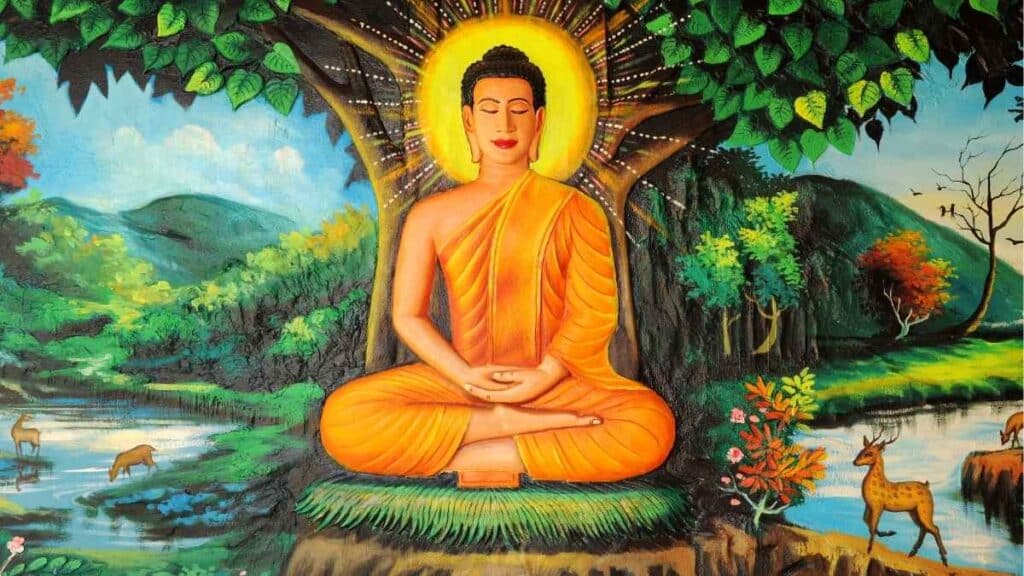
Buddha Purnima traces its origins to the life of Siddhartha Gautama, the prince-turned-ascetic who attained enlightenment under the Bodhi tree in Bodh Gaya, India, around the 5th century BCE. According to Buddhist tradition, three pivotal events in the Buddha’s life all occurred on the same full moon day of Vaishakha — his birth in Lumbini (present-day Nepal), his attainment of enlightenment in Bodh Gaya, and his Mahaparinirvana in Kushinagar.
The formal observance of Vesak was recognized internationally in 1999 when the United Nations officially acknowledged the Day of Vesak, reflecting the global significance of the Buddha’s teachings. Historically, the festival has been observed for over two millennia across Asia, with traditions evolving uniquely in each culture while retaining the core message of peace and liberation.
The central teachings commemorated on Buddha Purnima are the Four Noble Truths — acknowledging the reality of suffering, its origin, its cessation, and the path leading to its cessation — and the Noble Eightfold Path, which provides practical guidance for ethical living, mental discipline, and wisdom.
Buddha Purnima: Cultural and Spiritual Significance
Buddha Purnima carries both spiritual depth and cultural richness. Spiritually, it is a day of reflection on the Buddha’s teachings of impermanence, compassion, and the potential for enlightenment within every individual. The lighting of lamps and candles symbolizes the dispelling of ignorance through wisdom.
Culturally, the festival brings Buddhist communities together in a spirit of shared devotion, service, and harmony. It encourages acts of generosity — feeding the poor, releasing captive animals, and offering to monks — as expressions of the compassion the Buddha embodied. In many countries, Buddha Purnima is also a national public holiday, underlining its deep social and cultural significance.
Prayers and Religious Observances
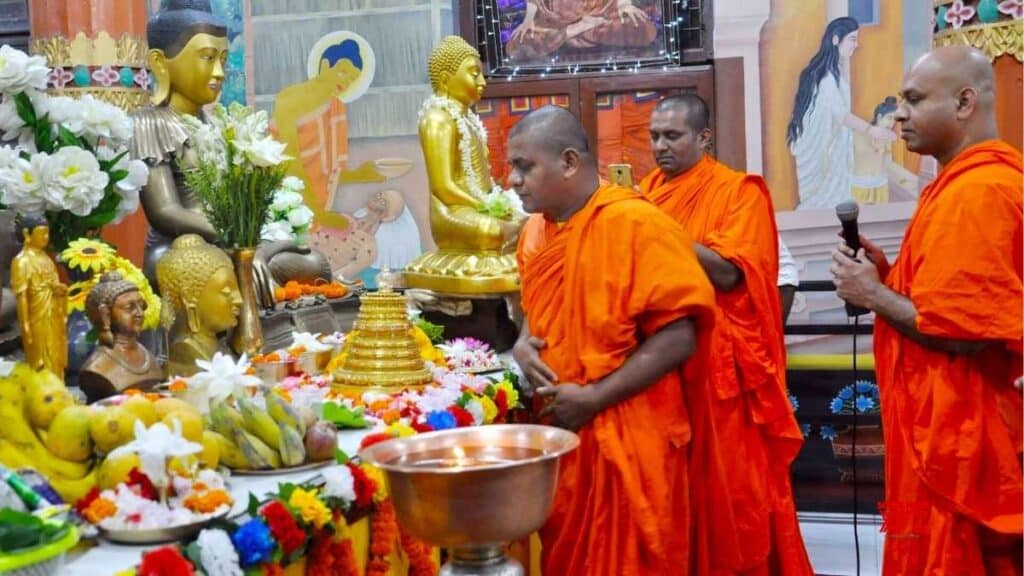
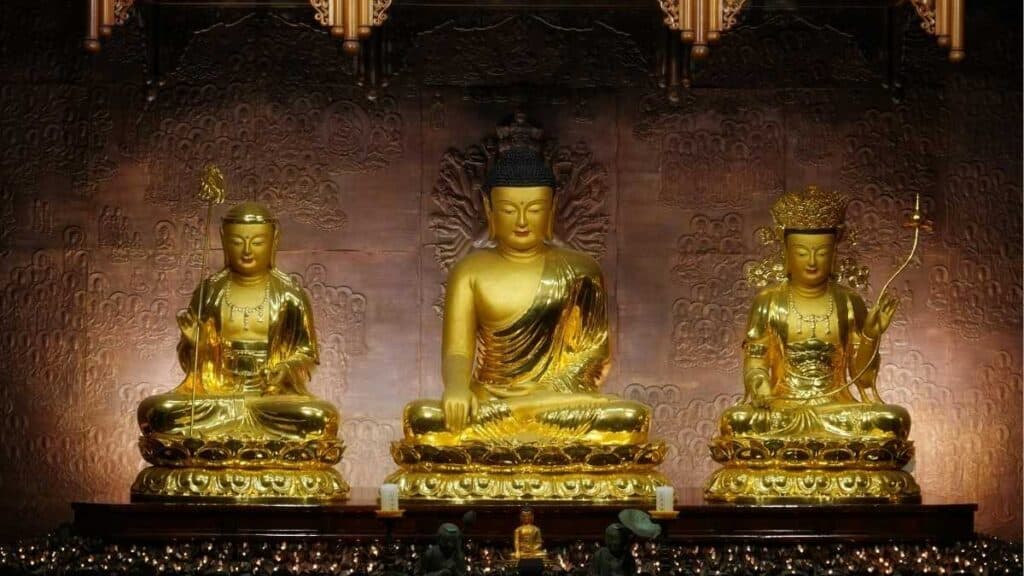
Buddha Purnima begins with devotees visiting temples and monasteries at dawn, bathing statues of the infant Buddha as a symbolic act of purification and reverence. Monks lead chanting of sacred Pali sutras and deliver teachings rooted in the Dhamma. Devotees take the Five Precepts — commitments to abstain from harming living beings, stealing, misconduct, false speech, and intoxicants — as a renewal of their spiritual practice.
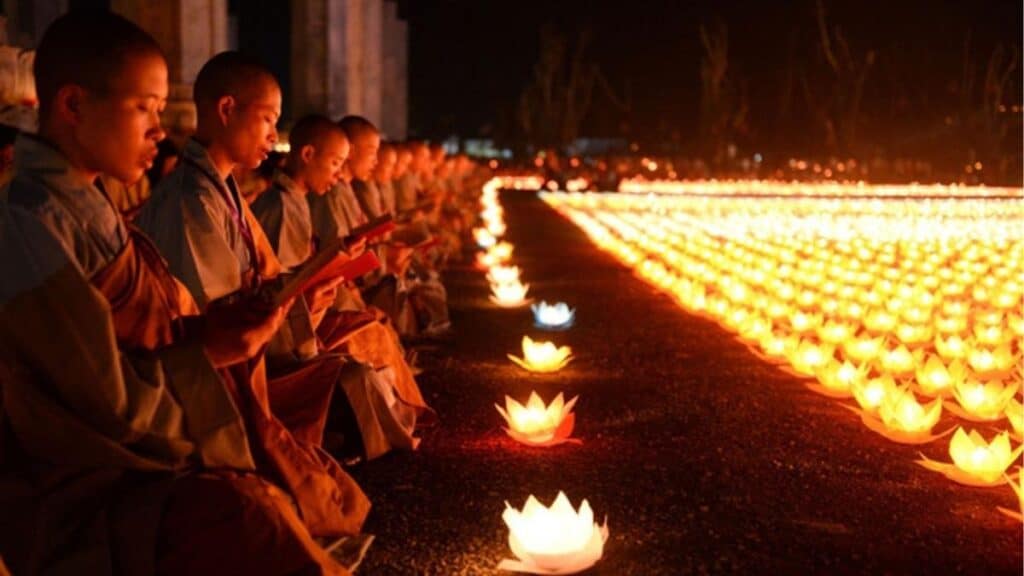
Offering flowers, incense, lamps, and food to monks is central to the day’s observances. Meditation sessions are held in monasteries and community centers, encouraging practitioners to deepen their inner practice. In many Buddhist traditions, the day concludes with candlelight processions and the release of birds or fish as acts of compassion and merit-making.
How Buddha Purnima Is Celebrated Across India
Celebrations vary beautifully by region while sharing a common spirit of reverence and joy. In India, Bodh Gaya becomes the center of global Buddhism, drawing pilgrims from across the world for prayers, processions, and teachings at the Mahabodhi Temple. Sarnath and Kushinagar also hold special significance as sites connected to the Buddha’s life.
In Sri Lanka, Vesak is marked by elaborate lantern displays, pandals (illuminated structures depicting stories from the Buddha’s life), and widespread acts of charity. In Thailand and Myanmar, monks lead large-scale candlelight processions. In Japan, Hana Matsuri features the ritual bathing of the Buddha with sweet tea, symbolizing the cleansing of the spirit. In Tibet and the Himalayan regions, Saga Dawa is observed with prayer flags, circumambulations of sacred sites, and extended meditation retreats.
Participation Across Communities
While Buddha Purnima is primarily a Buddhist festival, its message of peace, compassion, and self-awareness resonates universally. In India, Hindus also observe the day as the birth anniversary of Lord Vishnu’s ninth avatar. Interfaith gatherings, peace walks, and community service events organized on this day draw participants from diverse religious and cultural backgrounds, reflecting the inclusive spirit of the Buddha’s teachings.
How Buddha Purnima Is Celebrated Outside India
Indian and Asian diaspora communities across the USA, Canada, UK, Australia, and the Middle East observe Buddha Purnima through temple gatherings, meditation programs, Dhamma talks, and cultural events. Buddhist societies in universities and cities organize public observances that welcome people of all backgrounds, making the festival an opportunity for cross-cultural understanding and dialogue.
Traditional Foods Associated with Buddha Purnima
Food observances on Buddha Purnima are simple and mindful, reflecting the Buddha’s teachings on moderation. Many devotees observe a vegetarian or vegan diet for the day. Kheer (sweet rice pudding) holds special significance, as it recalls the meal offered to Siddhartha by Sujata before he attained enlightenment. Sweet rice porridge, seasonal fruits, and simple vegetarian dishes are commonly prepared and shared with monks, neighbors, and the needy.
Music, Art, and Cultural Expression
Buddhist chanting, devotional songs, and classical music performances mark Buddha Purnima across many cultures. In Sri Lanka, community pandals are elaborate works of art illuminated at night. In East Asia, intricate temple decorations, lotus lantern festivals in South Korea, and floral offerings create a visually rich atmosphere. Storytelling and performances depicting episodes from the Buddha’s life — the Jataka Tales — are popular in Southeast Asia, especially for children and young people.
Contemporary expressions of Buddha Purnima now include digital art, interfaith peace concerts, and global meditation events live-streamed from sacred sites, reflecting the festival’s growing reach and relevance.
Buddha Purnima in the Modern World
In today’s world, Buddha Purnima is gaining renewed relevance as people seek meaning, mental well-being, and ethical grounding. The Buddha’s teachings on mindfulness, compassion, and the middle path resonate strongly in an era marked by stress, division, and environmental challenges. Modern observances increasingly emphasize meditation retreats, mental health awareness, environmental stewardship, and acts of social service alongside traditional rituals.
For diaspora communities, Buddha Purnima serves as an important cultural anchor, connecting younger generations to their heritage and to the timeless wisdom of the Dhamma. Whether observed through silent meditation or communal celebration, the festival continues to inspire millions with its central message — that peace begins within, and that compassion toward all beings is both a spiritual practice and a way of life.