

Festivals in India are not occasional celebrations. They are a way of marking time, belief, seasons, and shared identity. Across regions, religions, and generations, Indian festivals shape everyday life in ways that go far beyond holidays on a calendar.
They reflect agricultural cycles, historical milestones, spiritual philosophies, and deeply rooted cultural memory. Some festivals are celebrated nationwide, while others belong to specific regions or communities—yet together, they form one of the richest cultural calendars in the world.
This page serves as a comprehensive guide to Indian festivals in 2026, bringing together major national holidays, religious observances, regional celebrations, and community-specific festivals observed in India and by Indians across the globe.
Note: Dates for lunar-based festivals may vary slightly by region and tradition.
Explore Indian Festivals Month by Month
Browse the complete list of Indian festivals below to explore celebrations throughout the year.
Dates for lunar-based festivals may vary annually.
January 2026
New Year (Global) – January 1, 2026
Celebrated across India and the diaspora, marking fresh beginnings, resolutions, and family gatherings.
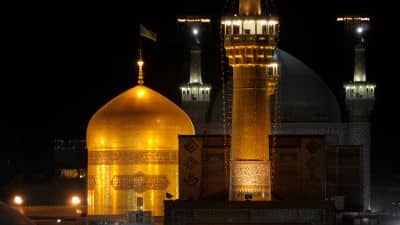
Hazrat Ali’s Birthday – January 2, 2026
Observed by Muslim communities, honoring Hazrat Ali’s legacy of justice and devotion.
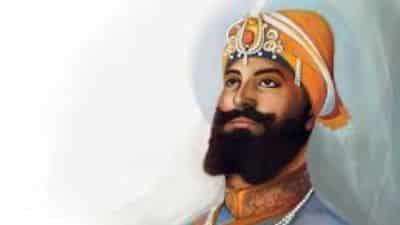
Guru Gobind Singh Jayanti – January 5, 2026
Commemorates the birth of the tenth Sikh Guru, honoring courage, equality, and spiritual leadership.
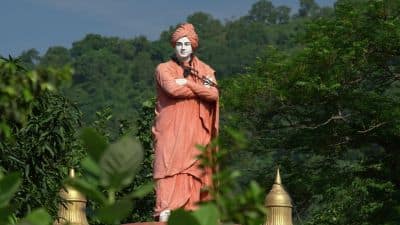
Swami Vivekananda Jayanti / National Youth Day – January 12, 2026
Commemorates the birth of Swami Vivekananda and celebrates the power of youth in nation-building.
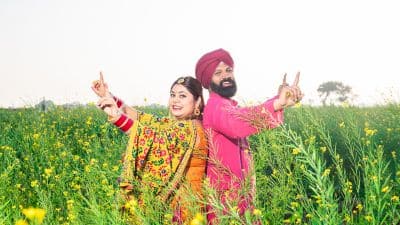
Lohri – January 13, 2026
A Punjabi harvest festival celebrated with bonfires, folk songs, and seasonal foods.
Lohri Bonfire Ritual
Lohri Dance & Music
Lohri Outside India
Lohri Food Recipes
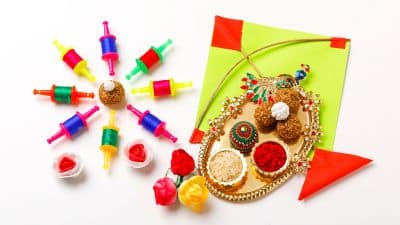
Makar Sankranti / Pongal – January 14, 2026
A solar festival marking the sun’s transition into Capricorn. Celebrated across India as Pongal, Uttarayan, Magh Bihu, and more.
Makar Sankranti Holy Baths
Makar Sankranti Food Recipes
Makar Sankranti Outside India
Uttarayan – The Kite Festival
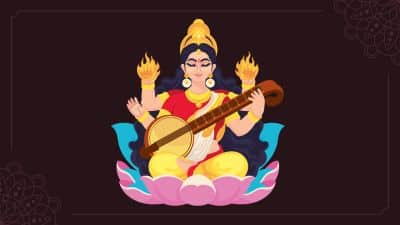
Vasant Panchami / Saraswati Puja – January 23, 2026
Dedicated to Goddess Saraswati, celebrating learning, music, and the arrival of spring.
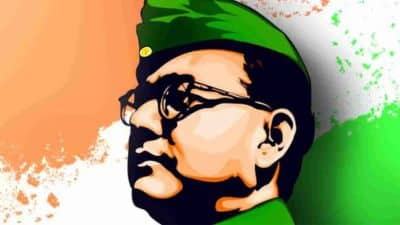
Subhas Chandra Bose Jayanti – January 23, 2026
Honors one of India’s most influential freedom fighters.
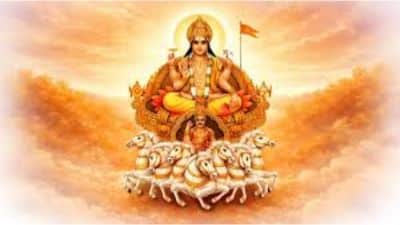
Ratha Saptami – January 25, 2026
Dedicated to the Sun God, symbolizing health, vitality, and cosmic order.
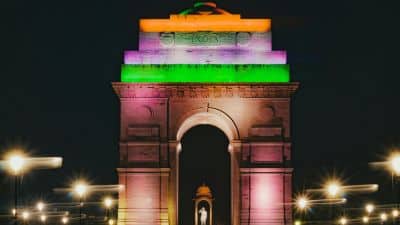
Republic Day (India) – January 26, 2026
Marks the adoption of India’s Constitution with parades and national ceremonies.
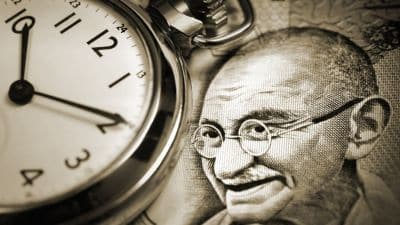
Gandhi Punyatithi – January 30, 2026
Observed as Martyrs’ Day in remembrance of Mahatma Gandhi.
February 2026
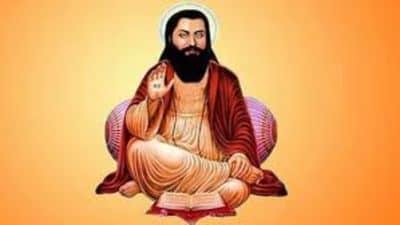
Guru Ravidas Jayanti – February 1, 2026
Celebrates the birth of the Bhakti saint known for teachings of equality.

Valentines Day– February 14, 2026
A celebration of love, affection, and admiration for romantic partners, friends, and family.
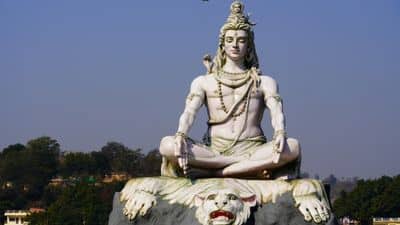
Maha Shivaratri – February 15, 2026
A major Hindu festival devoted to Lord Shiva, marked by fasting and night-long prayers.
Maha Shivratri Dates
Maha Shivratri Food Recipes
Maha Shivratri Outside India
Maha Shivratri Prayers
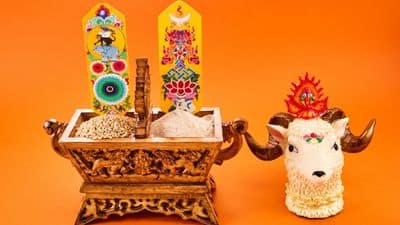
Losar – February 18, 2026
The Tibetan Buddhist New Year, celebrated in Ladakh and Himalayan regions with rituals and cultural performances.
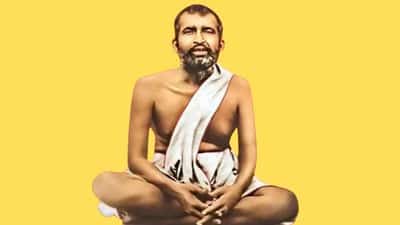
Ramakrishna Jayanti – February 19, 2026
Honors the spiritual teacher Sri Ramakrishna Paramahamsa.
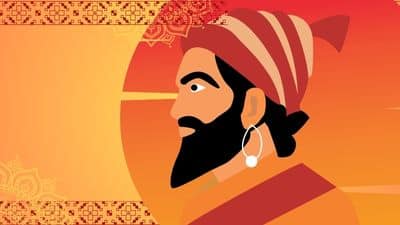
Chhatrapati Shivaji Maharaj Jayanti – February 19, 2026
Celebrates the legacy of the Maratha warrior king.
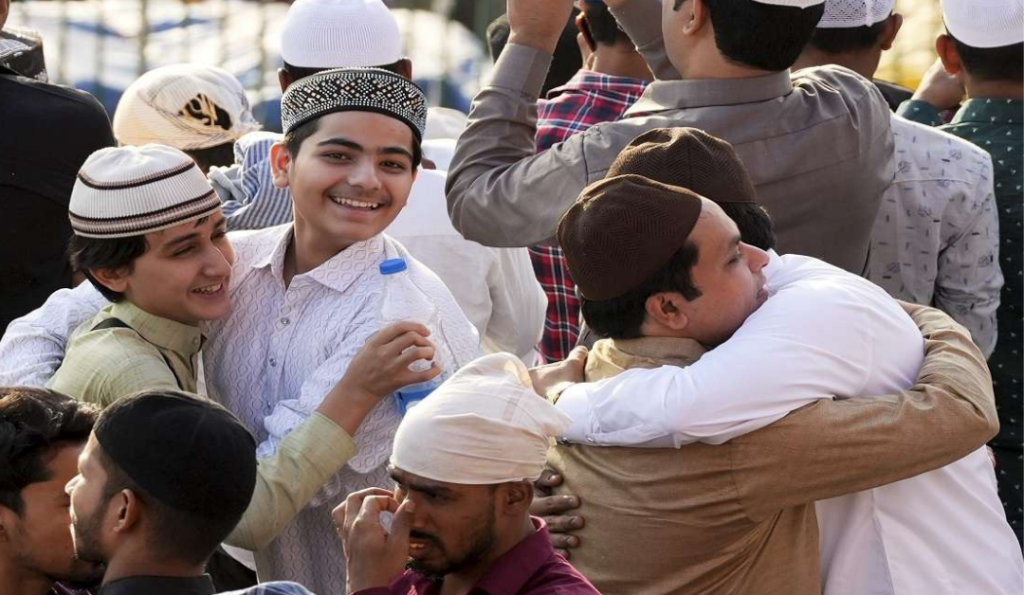
Ramadan – February 19, 2026 (Expected)
Month of fasting, prayer, reflection, community
Ramadan Festival Dates
Ramadan Festival Prayers
Ramadan Celebrations In Diaspora
Ramadan Food Recipes
March 2026
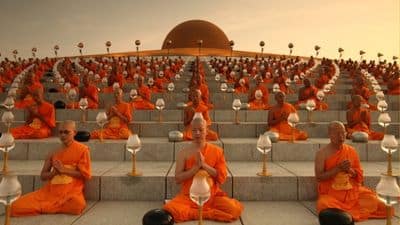
Magha Puja– March 3, 2026
The Festival of Buddhism’s Sacred Sangha Day
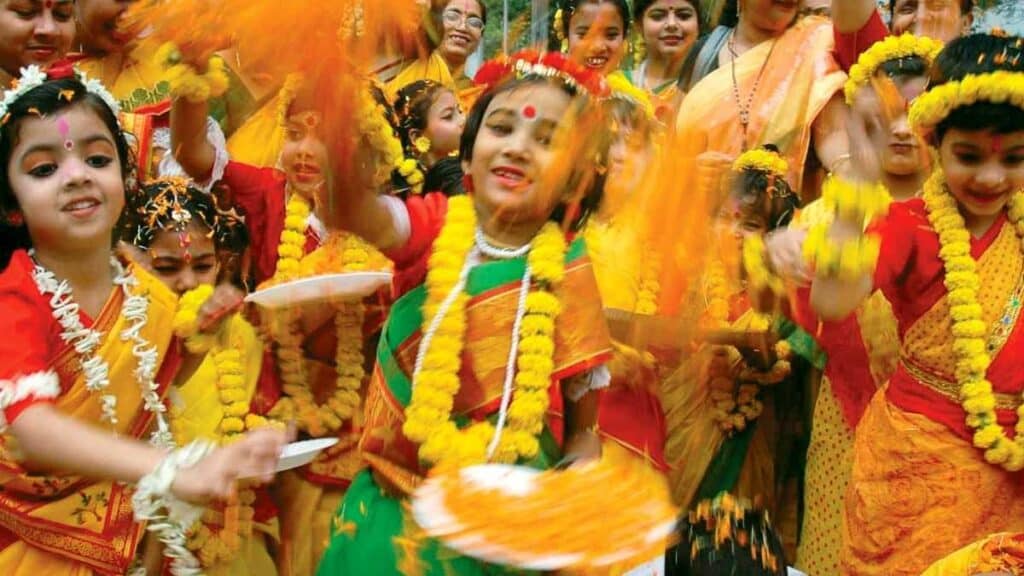
Basant Utsav– March 3, 2026
Celebrates the joy of spring with colors, music, and new beginnings
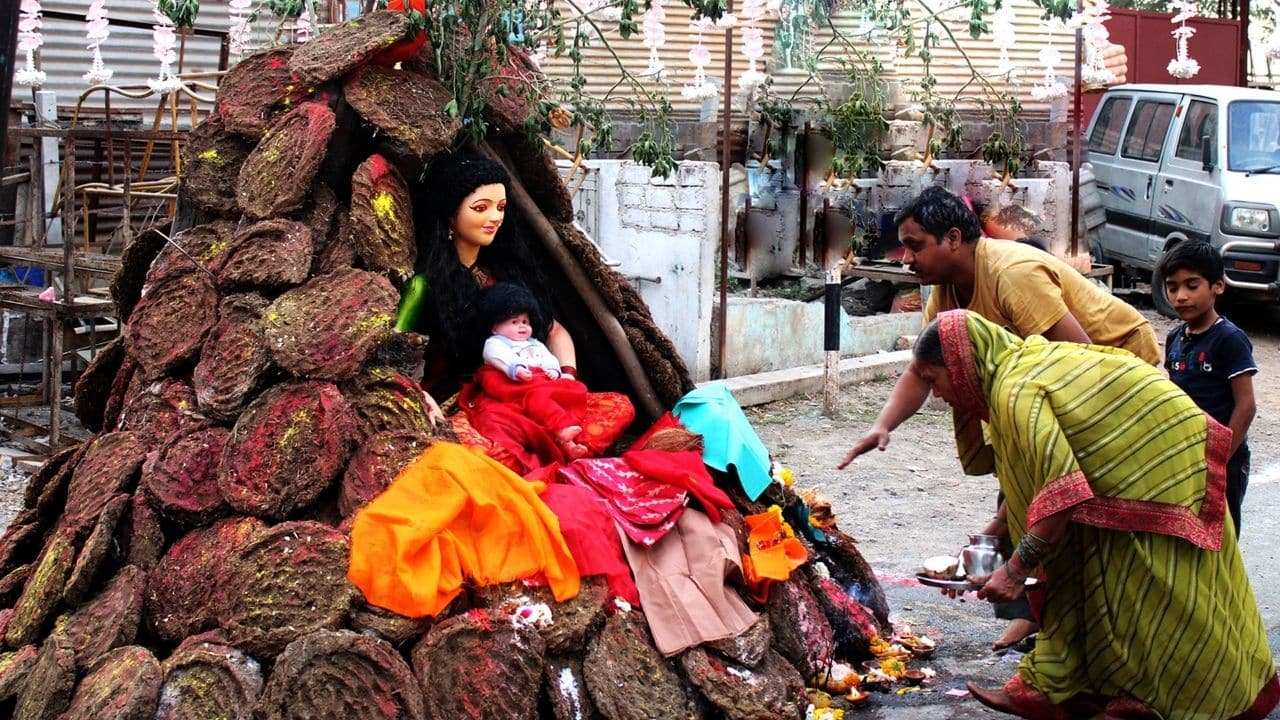
Holika Dahan / Chhoti Holi – March 3, 2026
Symbolizes the victory of good over evil.
Holi Festival Dates
Holi Festival Food Recipes
Holi Festival Outside India
Holi Festival Prayers
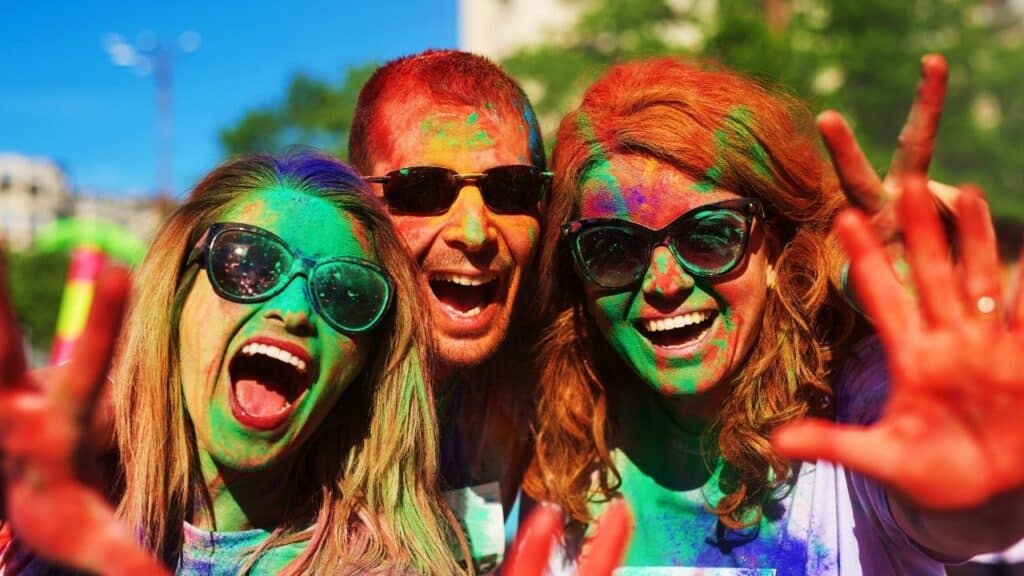
Rangwali Holi – March 4, 2026
The festival of colors celebrating joy, renewal, and unity.
Holi Festival Dates
Holi Festival Food Recipes
Holi Festival Outside India
Holi Festival Prayers
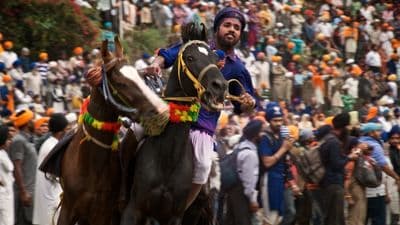
Hola Mohalla – March 4, 2026
A Sikh festival showcasing martial arts, community service, and spiritual discipline.
Shab-e-Barat – March 4, 2026
An Islamic observance focused on prayer, forgiveness, and remembrance.
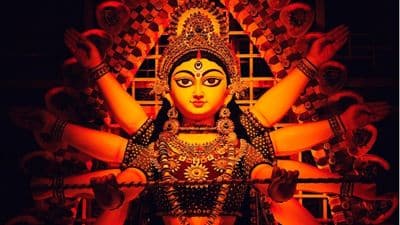
Chaitra Navratri – March 19, 2026
Nine days dedicated to the worship of Goddess Durga in her various forms.
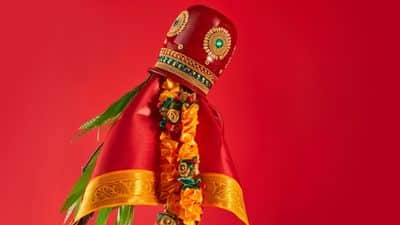
Gudi Padwa – March 19, 2026
New Year celebrations in Maharashtra.
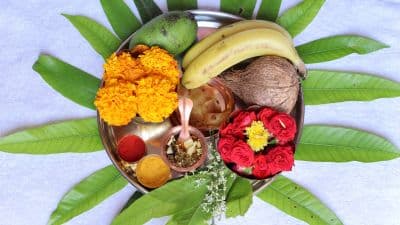
Ugadi – March 19, 2026
New Year celebrations in South India.
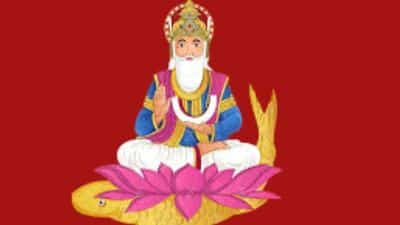
Cheti Chand – March 20, 2026
Sindhi New Year honoring Jhulelal, associated with water and protection.
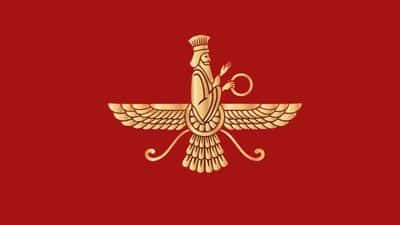
Parsi New Year (Navroz) – March 20, 2026
Celebrates the Zoroastrian New Year, symbolizing renewal, prosperity, and the triumph of good over evil.
Eid-ul-Fitr – March 20, 2026
Marks the end of Ramadan with prayers, charity, and festive meals.
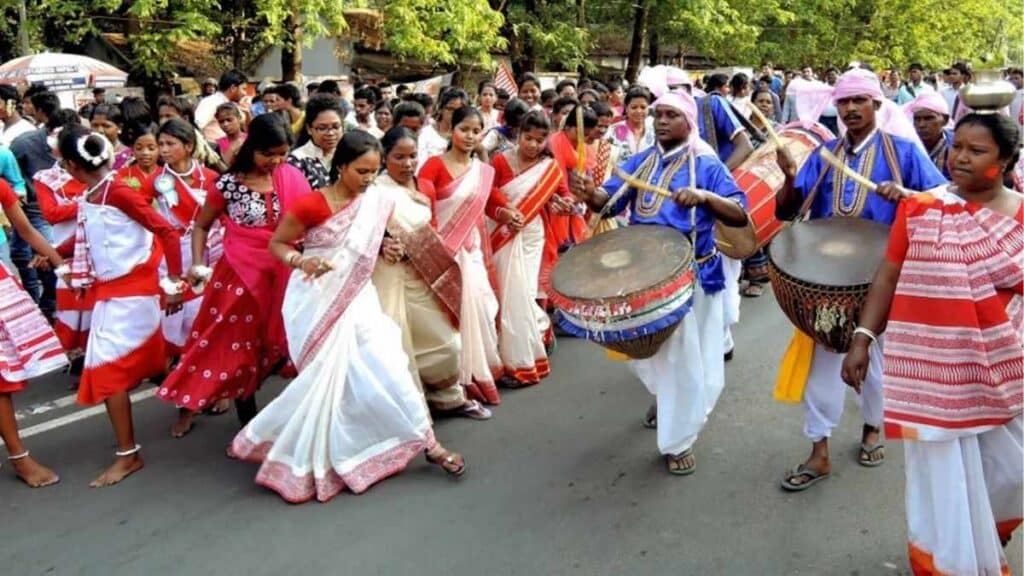
Sarhul – March 21, 2026
Jharkhand’s Festival of Flowers
Rama Navami – March 26–27, 2026
Celebrates the birth of Lord Rama.
Mahavir Jayanti – March 31, 2026
Honors the birth of Lord Mahavira, founder of Jain philosophy.
April 2026
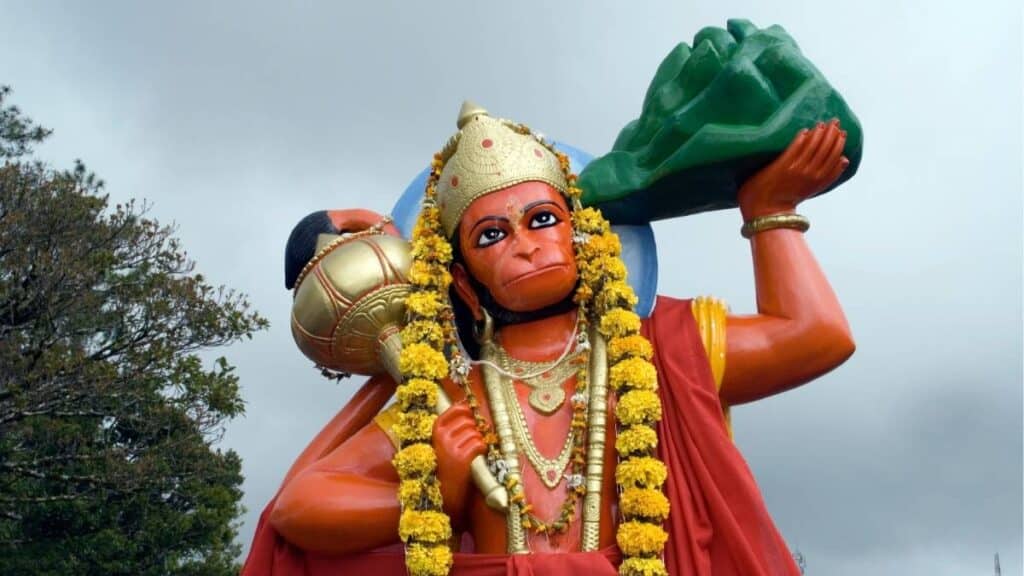
Hanuman Jayanti – April 2, 2026
Honors Lord Hanuman’s devotion, strength, and selfless service.
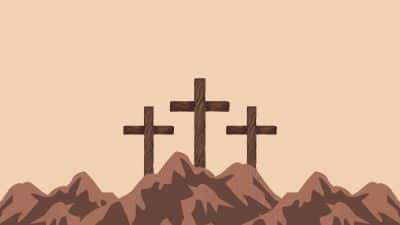
Good Friday – April 3, 2026
Observed by Christians as a day of prayer, reflection, and remembrance.
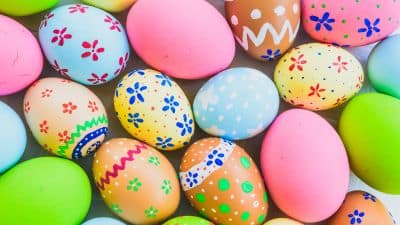
Easter – April 5, 2026
A major Christian festival celebrating the resurrection of Jesus Christ, symbolizing hope, renewal, and new life.
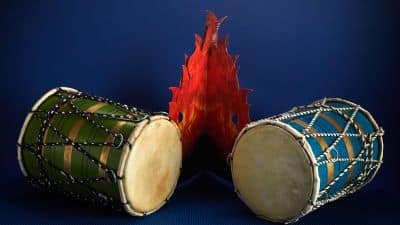
Solar New Year / Baisakhi / Vaisakhi – April 14, 2026
Celebrated across India as Puthandu, Vishu, Pohela Boishakh, and Baisakhi.
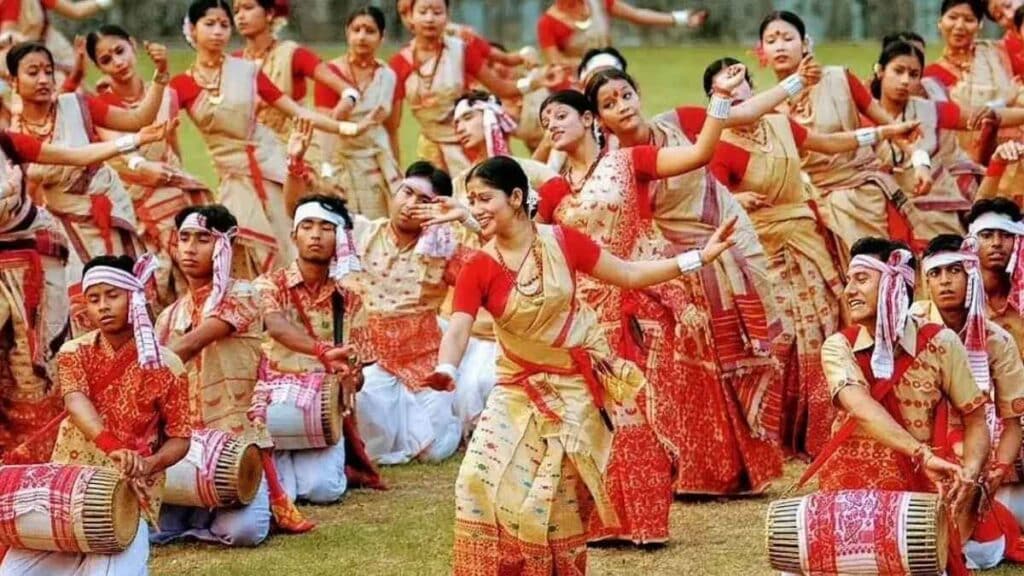
Bohag Bihu – April 14, 2026
Assamese New Year, marking the arrival of spring.
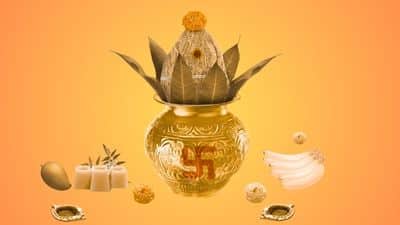
Puthandu – April 14, 2026
Tamil New Year symbolizing renewal and hope.
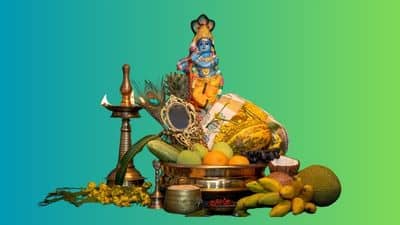
Vishu – April 14, 2026
Kerala’s New Year, marked by auspicious sights and family gatherings.
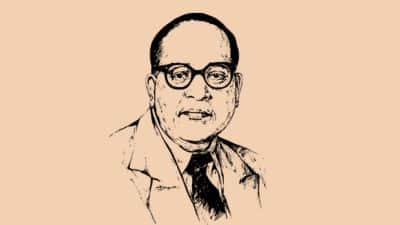
Ambedkar Jayanti – April 14, 2026
Honors the birth of B. R. Ambedkar, celebrating his contributions to the Indian Constitution.
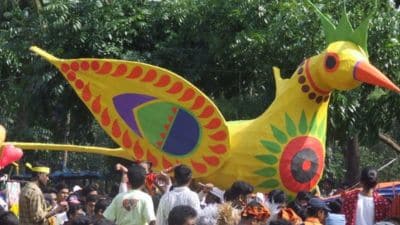
Pohela Boishakh – April 15, 2026
The Bengali New Year celebrated with cultural programs and traditional foods.
Akshaya Tritiya – April 19, 2026
Considered an auspicious day for new ventures, charity, and prosperity.
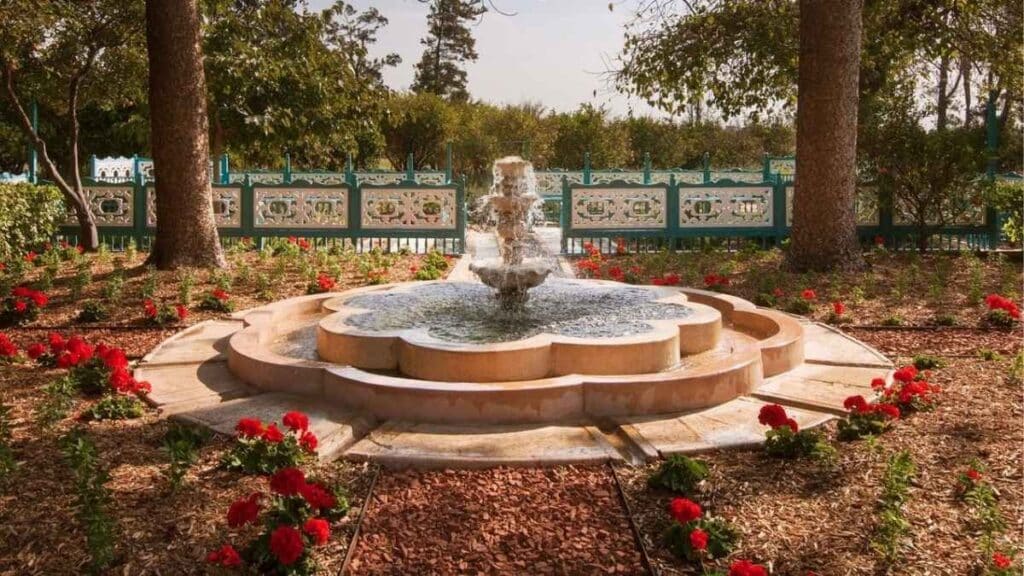
Riḍván – April 20, 2026
Festival of Paradise, Declaration, and Divine Joy
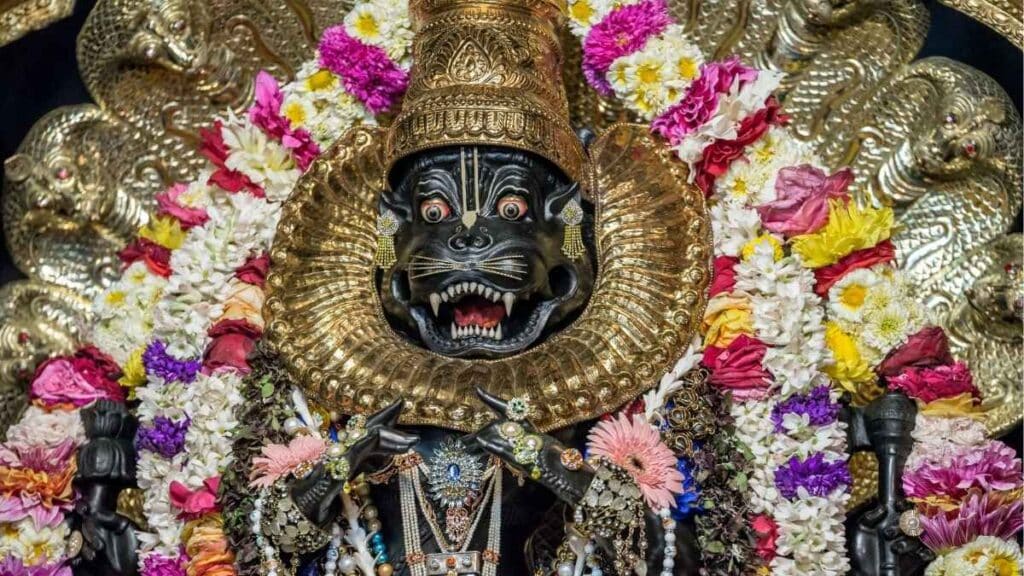
Narasimha Jayanti – April 30, 2026
Celebrate the divine appearance of Lord Narasimha
May 2026

International Workers’ Day – May 1, 2026
Honors the contributions and achievements of workers worldwide, promoting labor rights and social justice.
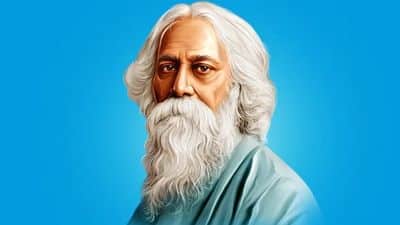
Rabindranath Tagore Jayanti – May 7, 2026
Celebrates the birth of Rabindranath Tagore, honoring his legacy as a poet, philosopher, and cultural icon
Mother’s Day – May 10, 2026
Celebrates motherhood and honors mothers for their love, care, and lifelong contributions to families and society.
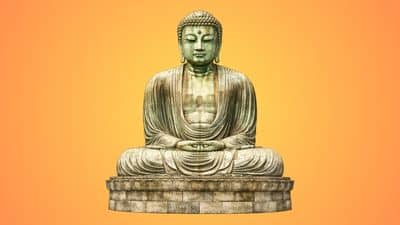
Buddha Purnima / Vesak – May 11, 2026
Marks the birth, enlightenment, and nirvana of Gautama Buddha.
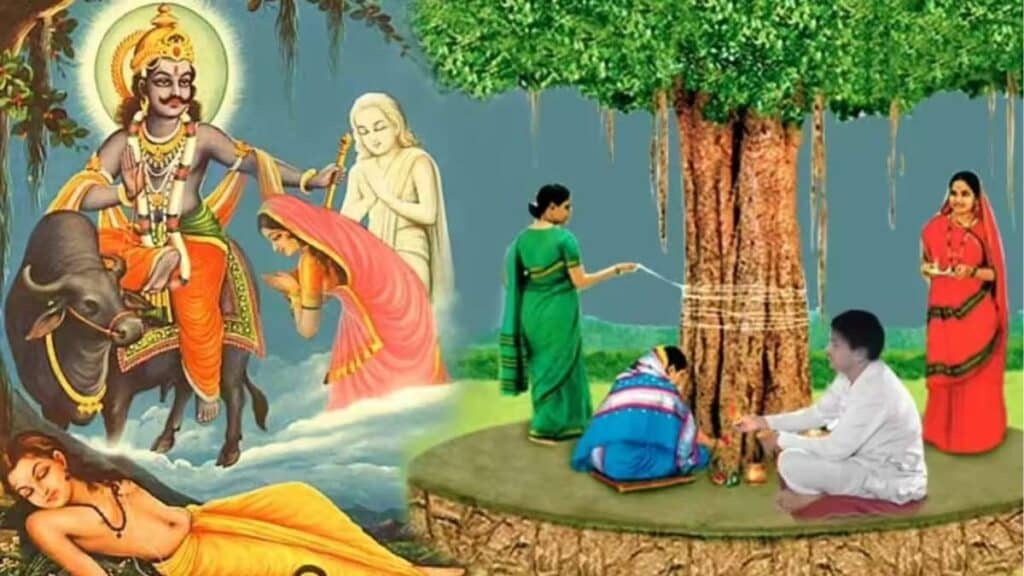
Vat Savitri – May 16 2026
Fasting observance for married Hindu women.
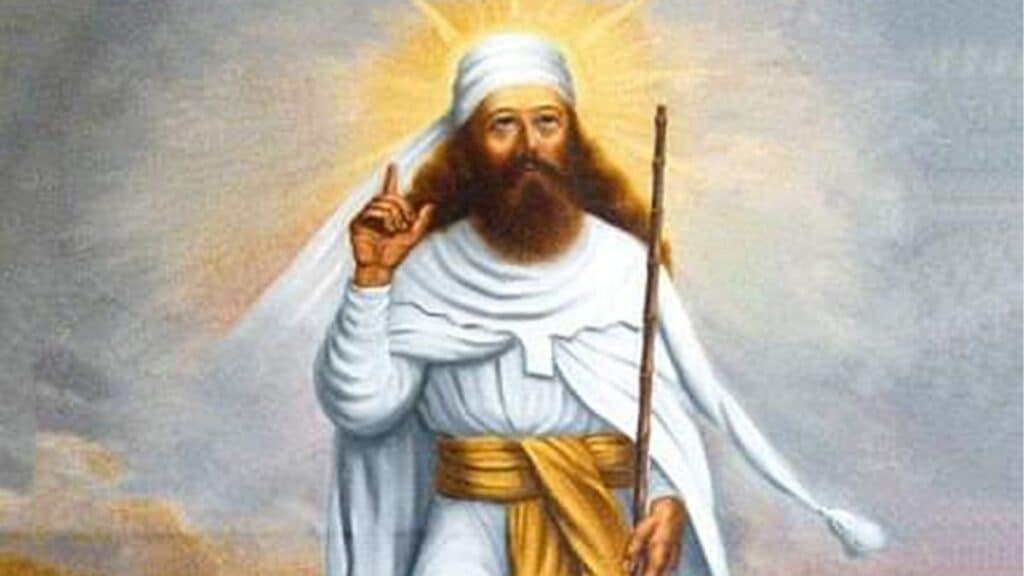
Zarthost No Deeso– May 16 2026
This solemn and sacred day marks the death anniversary of Prophet Zarathushtra
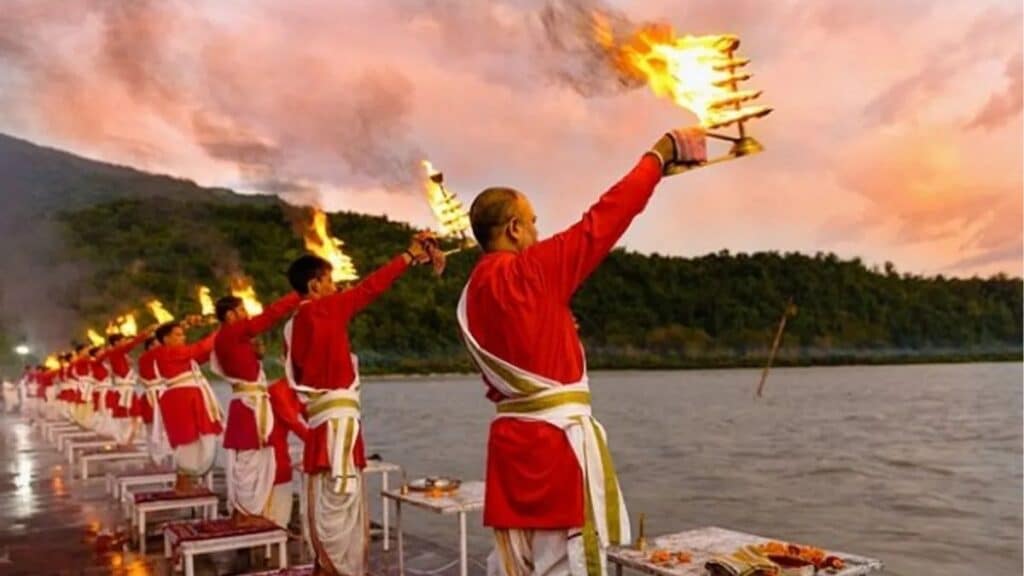
Ganga Dussehra – May 25, 2026
Commemorates the mythological descent of the celestial river from the heavens to Earth
Eid-ul-Adha (Bakrid) – May 27, 2026
Commemorates Prophet Ibrahim’s devotion and sacrifice, observed with prayers, charity, and the sharing of meals.
June 2026
World Environment Day – June 5, 2026
Raises awareness and action for environmental protection.
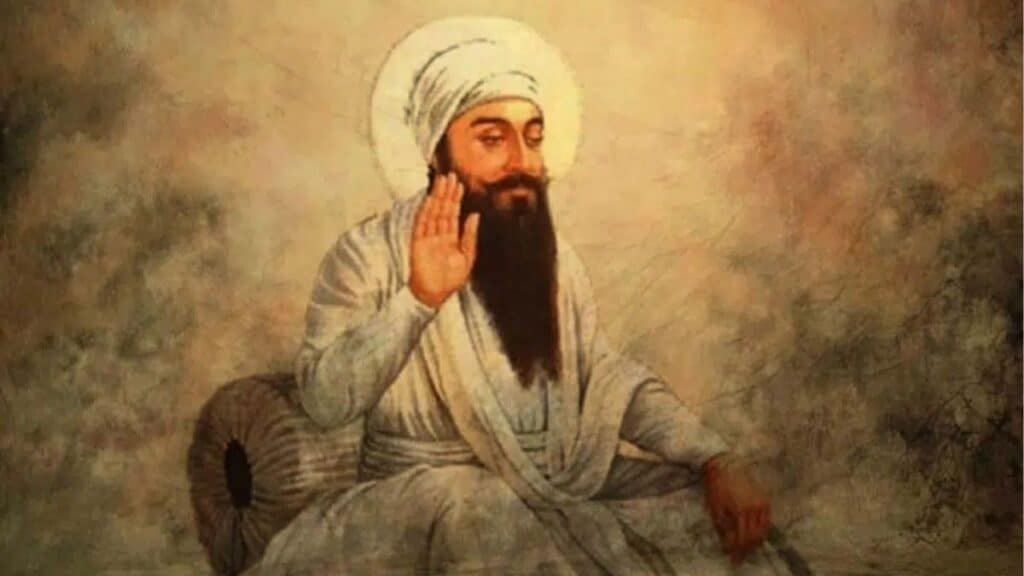
Guru Arjan Dev Shaheedi Divas – June 16, 2026
Commemorates the martyrdom of Guru Arjan Dev Ji, the fifth of the ten Sikh Gurus and the first Sikh martyr.
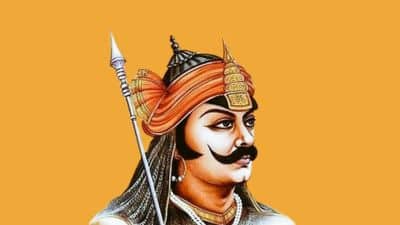
Maharana Pratap Jayanti – June 17, 2026
Honors the birth of the Rajput king known for bravery and resistance.
International Yoga Day / Summer Solstice – June 21, 2026
Celebrates yoga’s global significance and the longest day of the year.

Father’s Day – June 21, 2026
Honoring fathers, fatherhood, and the deep bonds between parents and children

Sao Joao – June 23, 2026
Celebrations of the Goa’s Festival of Wells, Monsoon, and St. John the Baptist
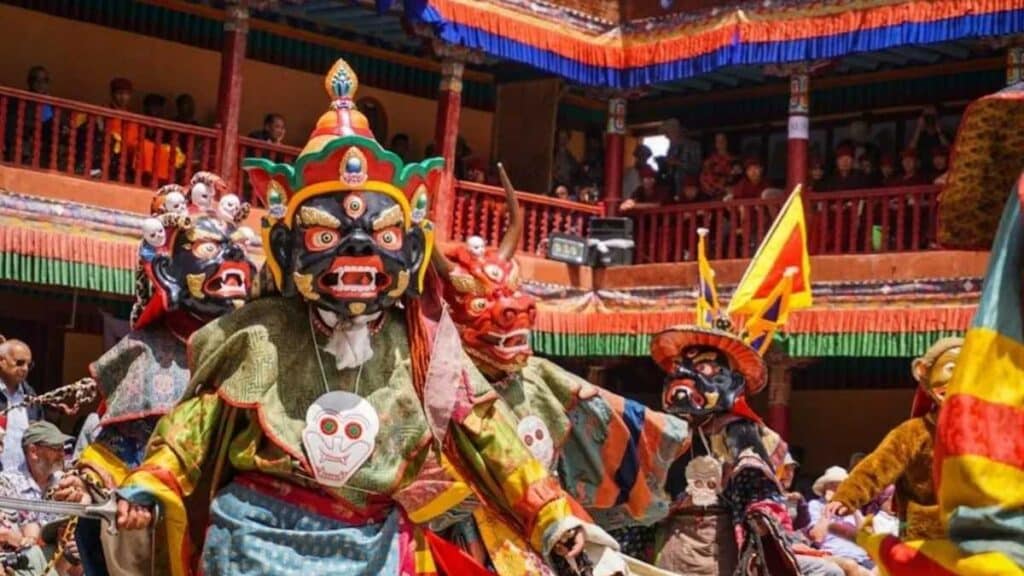
Hemis – June 24, 2026
vibrant Buddhist festival celebrated at Hemis Monastery in Ladakh, featuring masked dances that honor Guru Padmasambhava
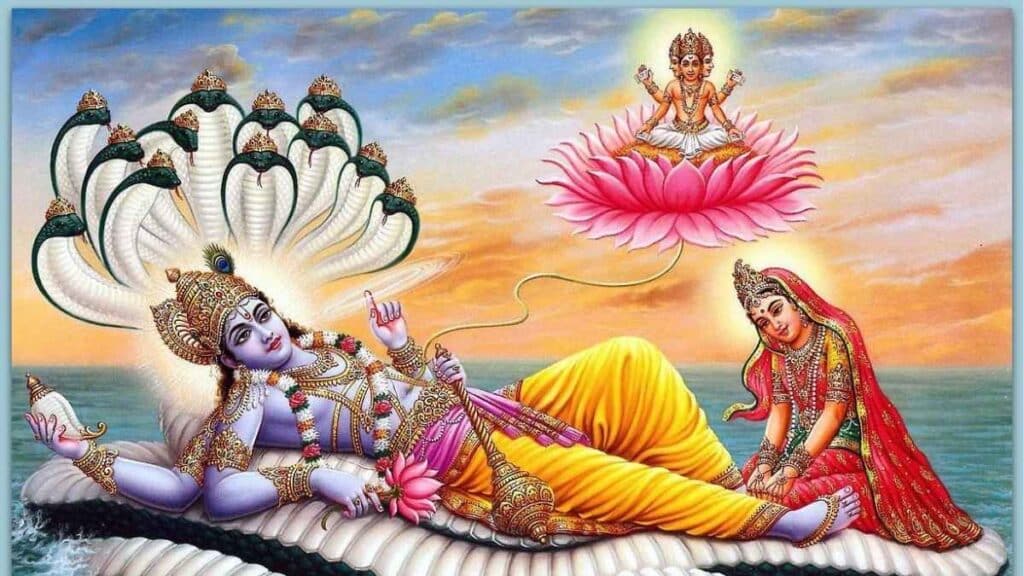
Nirjala Ekadashi– June 25, 2026
Day of complete waterless fasting observed in honour of Lord Vishnu.
Muharram / Ashura – June 26, 2026
A solemn Islamic observance remembering sacrifice, justice, and faith.
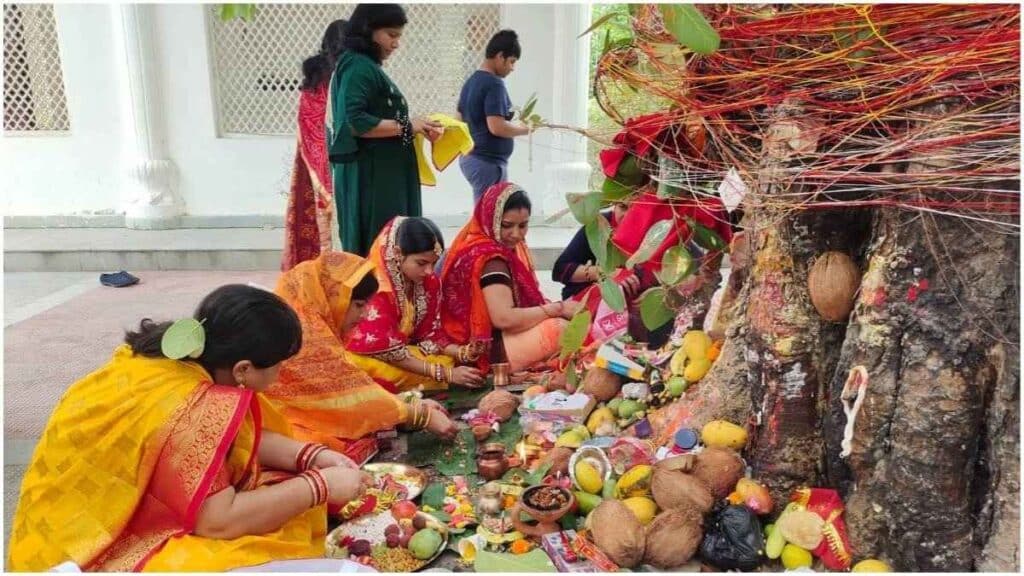
Vat Purnima– June 26, 2026
Fast observed by married women as an expression of love, devotion, and prayer for their husband’s long life and well-being
July 2026
Jagannath Rath Yatra – July 16, 2026
A grand chariot festival celebrating Lord Jagannath in Odisha.
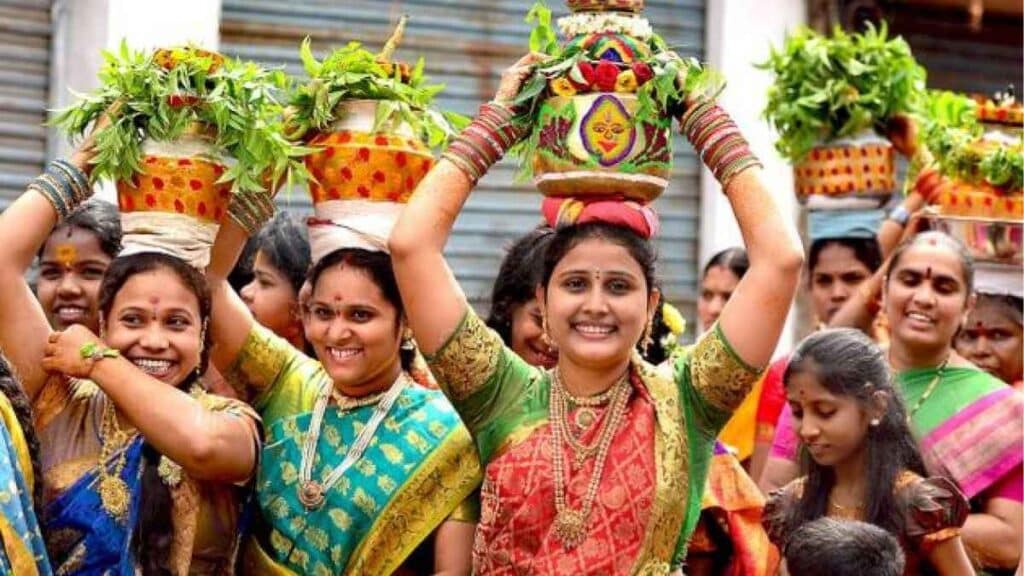
Bonalu – July 19, 2026
Bonalu is a vibrant Telangana festival dedicated to Goddess Mahakali, where devotees offer traditional “bonam” as thanksgiving prayers for protection and fulfilled wishes.
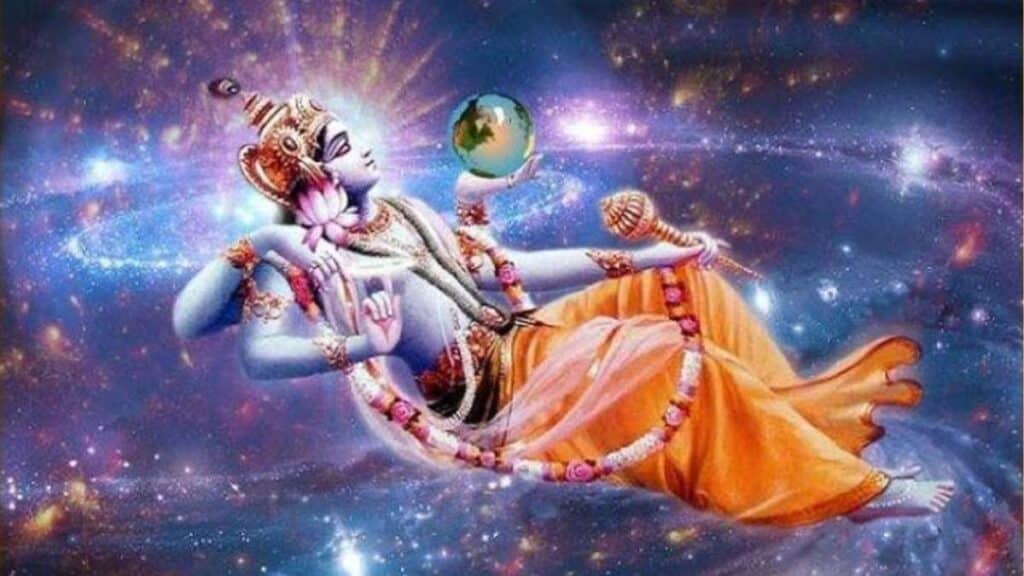
Ashadi Ekadashi – July 25, 2026
A grand chariot festival celebrating Lord Jagannath in Odisha.
Guru Purnima – July 29, 2026
Dedicated to honoring teachers and spiritual guides.
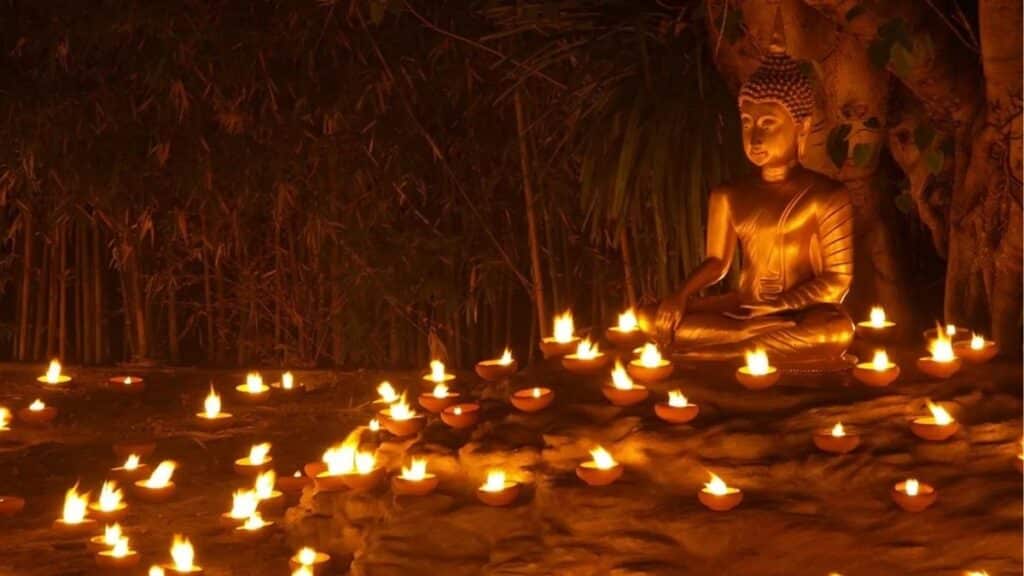
Asalha Puja – July 29, 2026
Commemorates the Buddha’s first sermon
August 2026
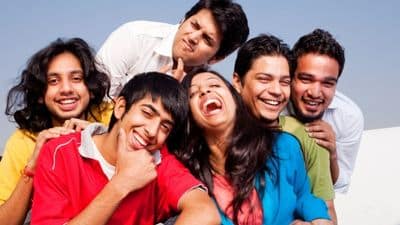
Friendship Day – August 2, 2026
Celebrates friendship, trust, and meaningful connections.
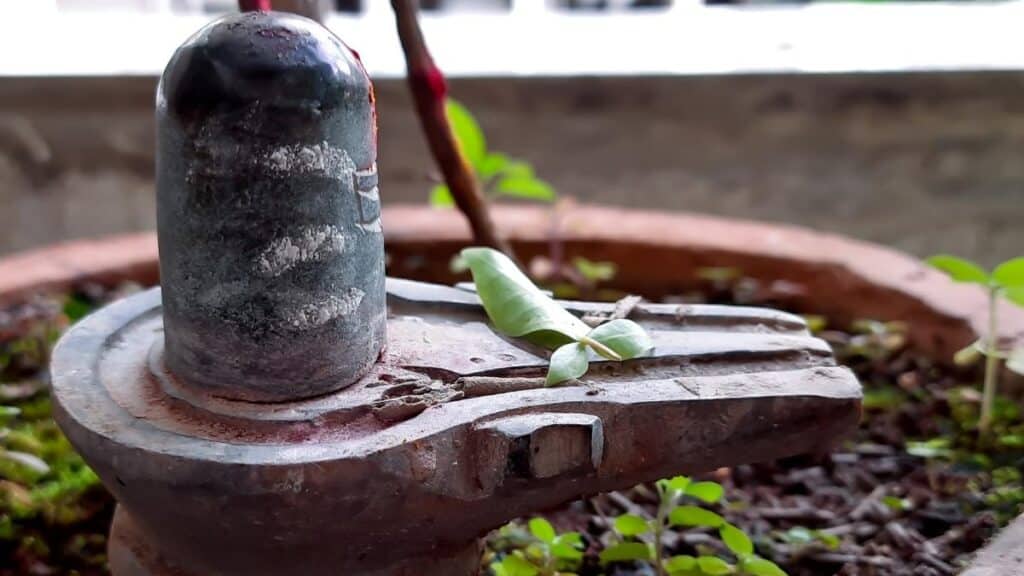
Shravan Somvar – August 3, 2026
Sacred series of Mondays in the month of Shravan when devotees fast and pray to Lord Shiva for health, prosperity, and fulfillment of wishes
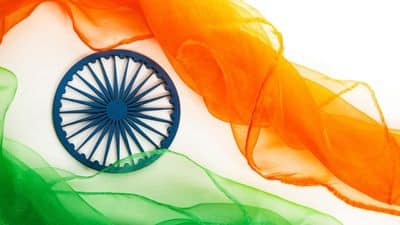
Independence Day (India) – August 15, 2026
Marks India’s freedom from colonial rule and honors national pride.
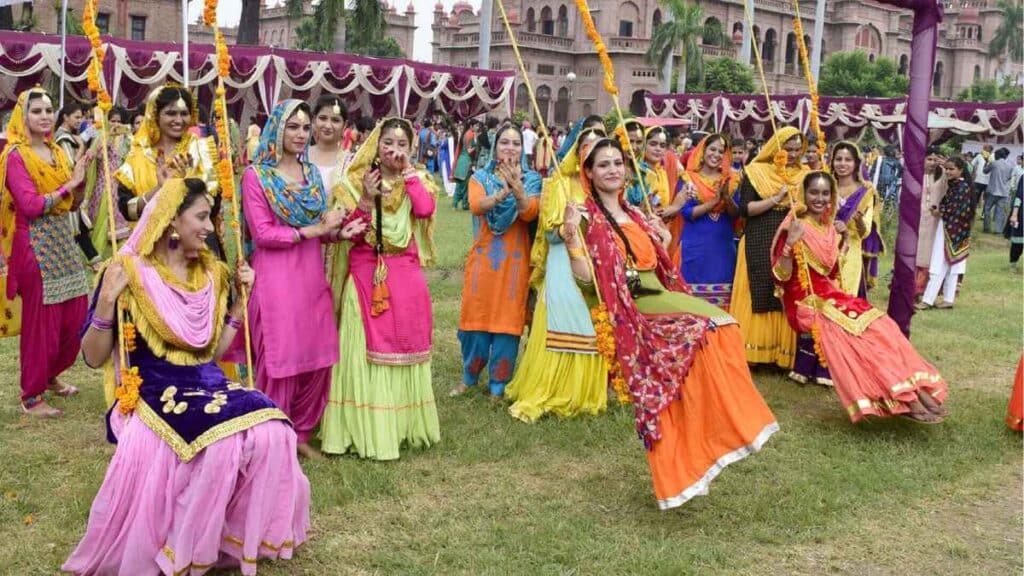
Teej – August 15, 2026
Teej is a festival where women pray to Goddess Parvati for marital happiness and family well-being
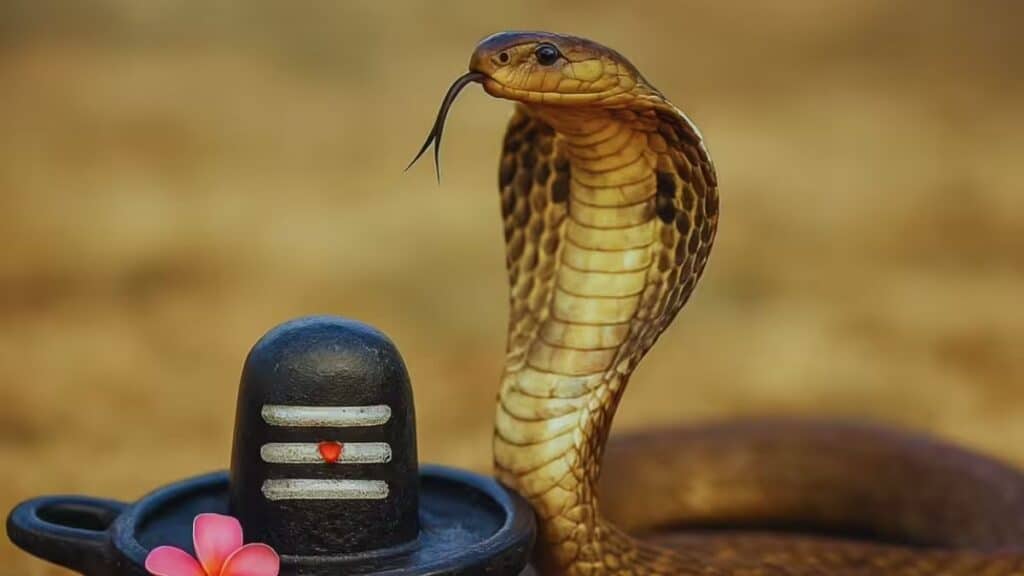
Nag Panchami – August 17, 2026
Teej is a festival where women pray to Goddess Parvati for marital happiness and family well-being
Onam – August 26, 2026
Kerala’s harvest festival celebrating prosperity, unity, and cultural heritage.
Milad-un-Nabi – August 26, 2026
Commemorates the birth of Prophet Muhammad and his teachings.
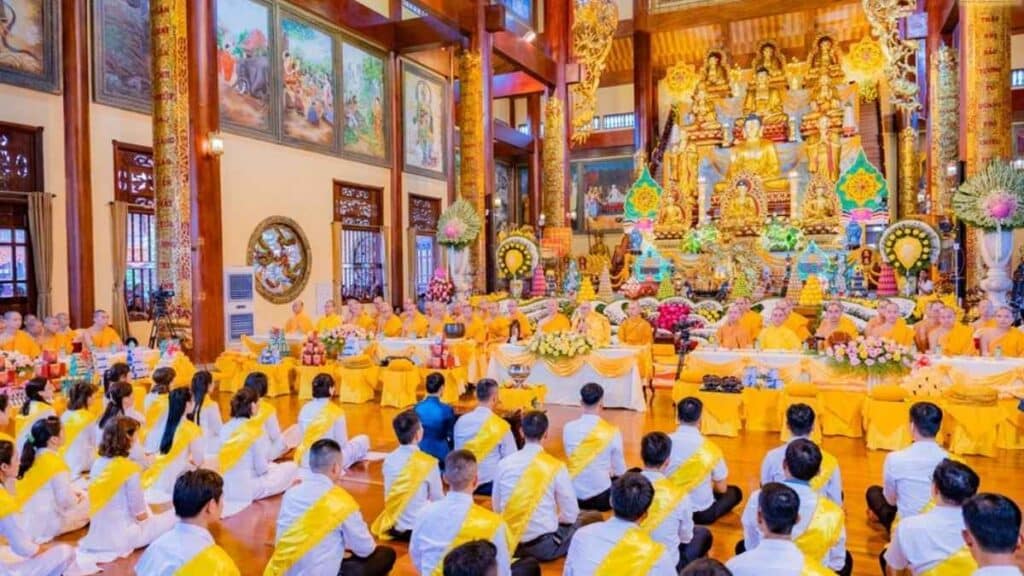
Ullambana– August 27, 2026
Buddhist observance dedicated to honoring ancestors and relieving the suffering of departed souls through prayers and offerings.
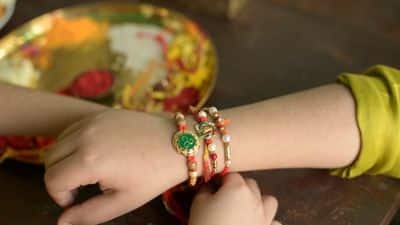
Raksha Bandhan – August 28, 2026
Celebrates the bond of protection and love between siblings.
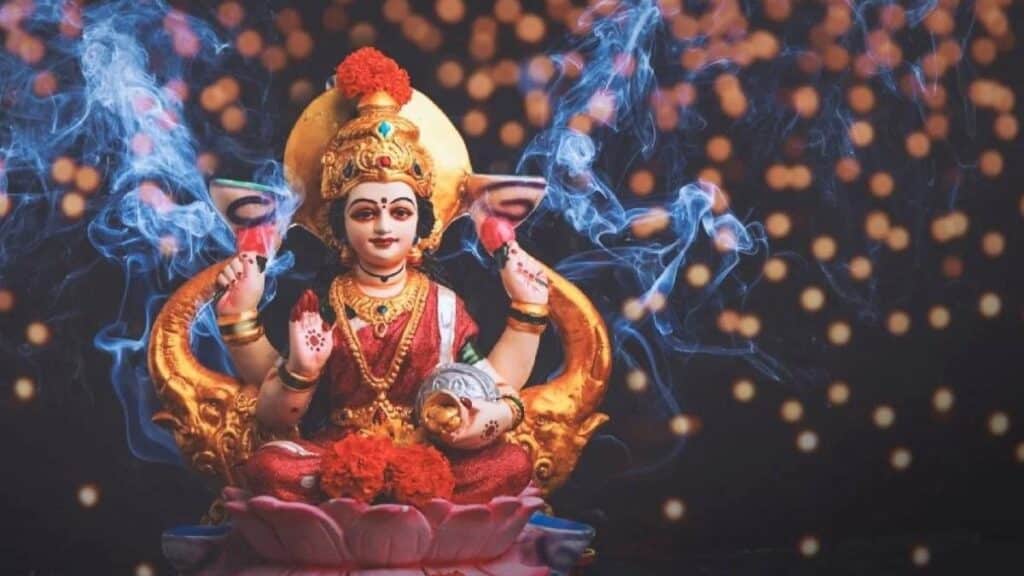
Varalakshmi Vratam – August 28, 2026
Sacred festival where married women worship Goddess Lakshmi for the prosperity, health, and well-being of their families
September 2026
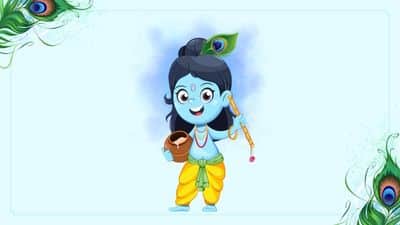
Krishna Janmashtami – September 4, 2026
Marks the birth of Lord Krishna and celebrates devotion and divine playfulness.

Teachers’ Day – September 5, 2026
Honors educators and their role in shaping society.
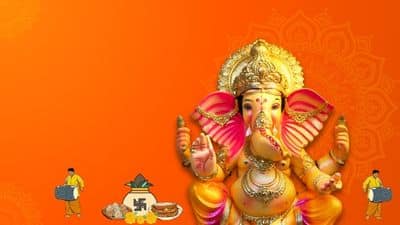
Ganesh Chaturthi – September 14, 2026
Celebrates Lord Ganesha, the remover of obstacles and harbinger of prosperity.
Hindi Diwas – September 14, 2026
Promotes the Hindi language and its cultural significance.

Engineer’s Day – September 15, 2026
Honors engineers and technological innovation in India.
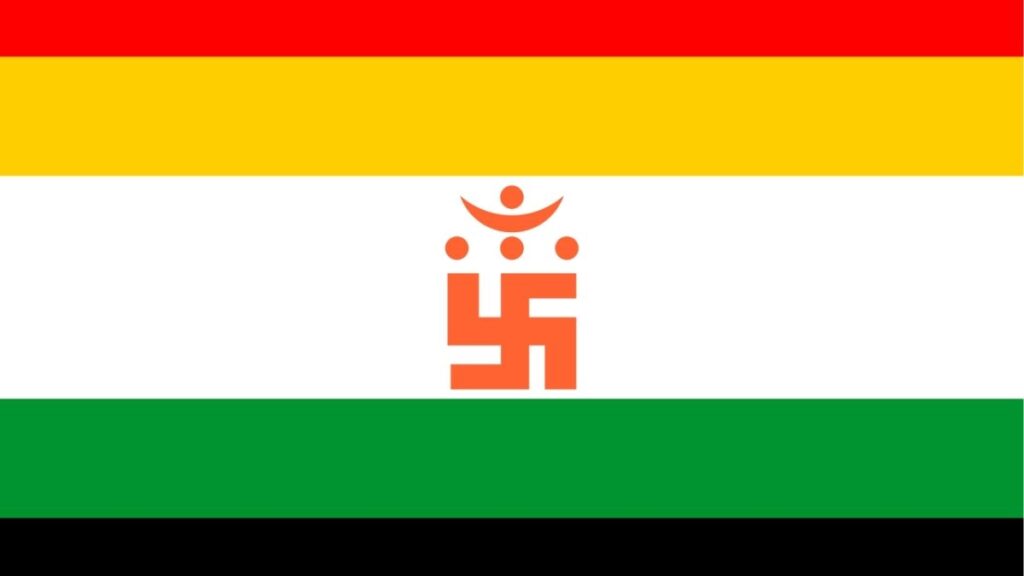
Samvatsari – September 15, 2026
Holiest Jain day of forgiveness, when devotees seek and grant pardon to all beings to purify the soul and end the Paryushan festival
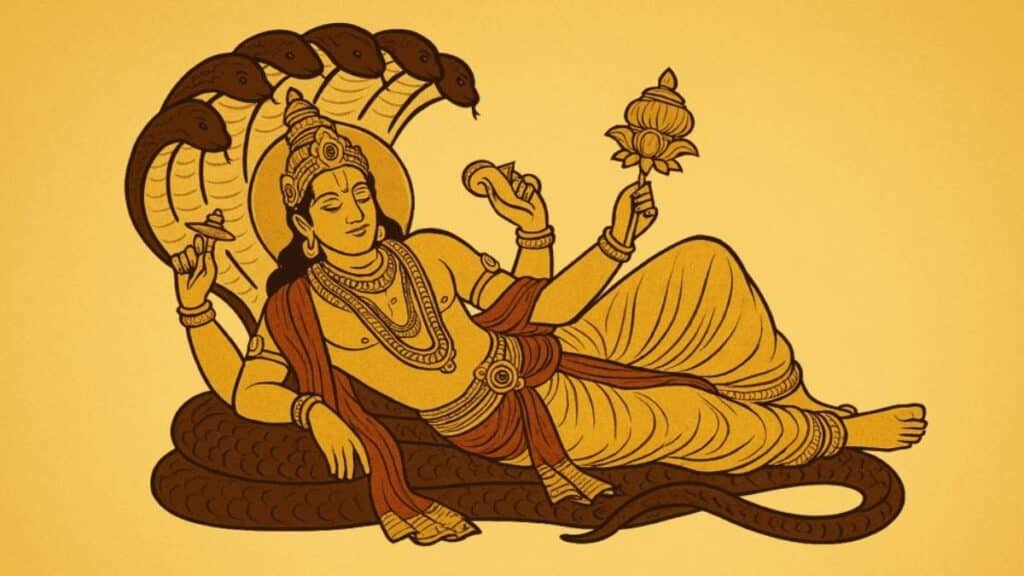
Anant Chaturdashi – September 25, 2026
sacred festival dedicated to Lord Vishnu and marks the final day of Ganesh Chaturthi, when devotees perform Ganpati Visarjan and pray for prosperity and protection.
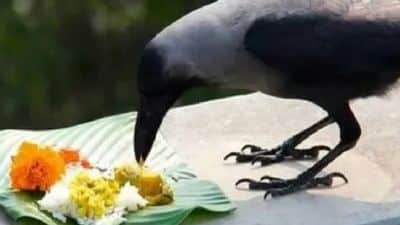
Pitru Paksha – September 26, 2026
A period dedicated to honoring ancestors through rituals and remembrance.
October 2026
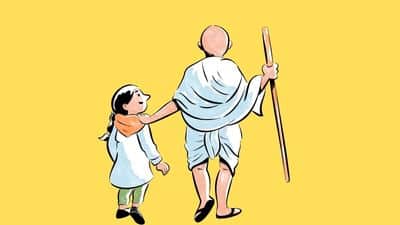
Gandhi Jayanti – October 2, 2026
Celebrates the birth of Mahatma Gandhi and his principles of peace.
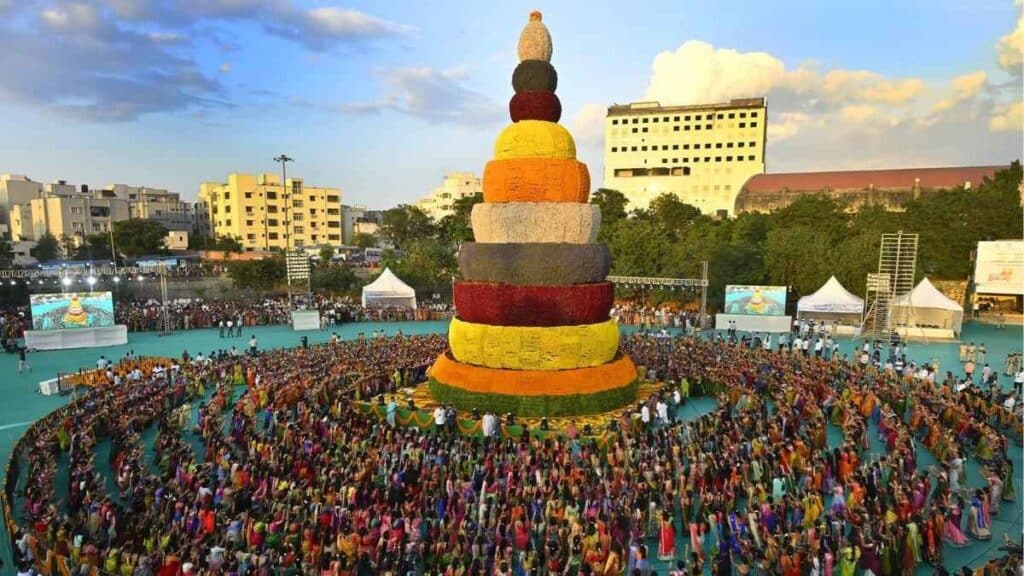
Bathukamma – October 10, 2026
Celebrates the birth of Mahatma Gandhi and his principles of peace.
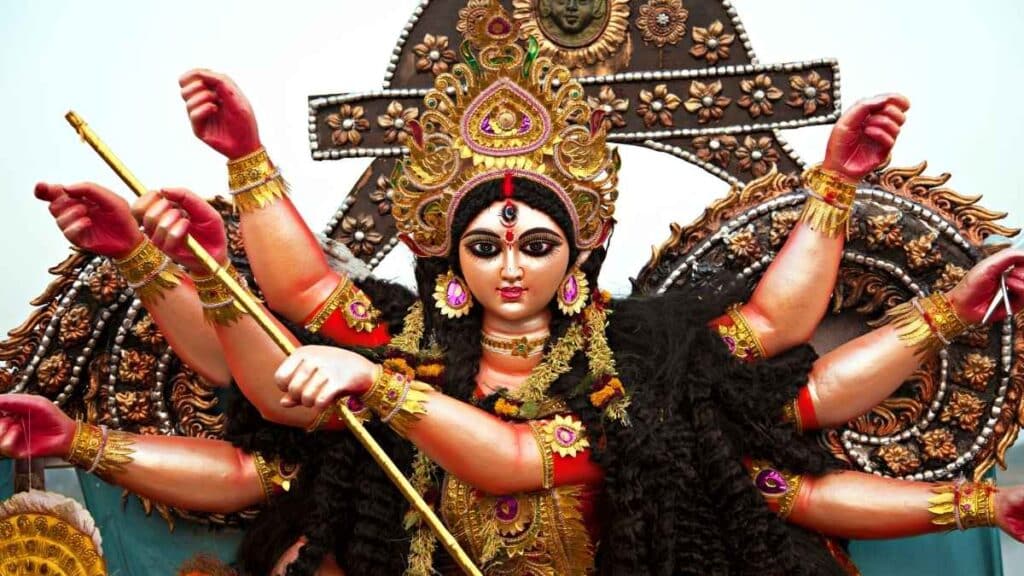
Durga Puja – October 10, 2026
Celebrating Goddess Durga’s victory over Mahishasura, symbolizing the triumph of good over evil.
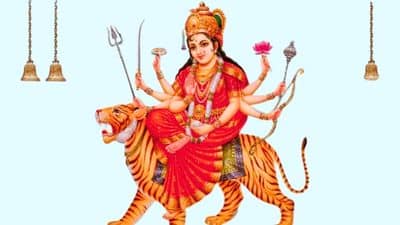
Sharad Navratri – October 11–19, 2026
Nine days of worship dedicated to Goddess Durga in her various forms.
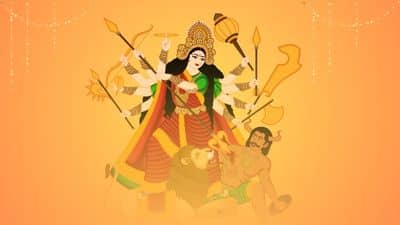
Durga Ashtami / Maha Navami – October 19, 2026
Key days of Navratri celebrating the goddess’s power and victory.
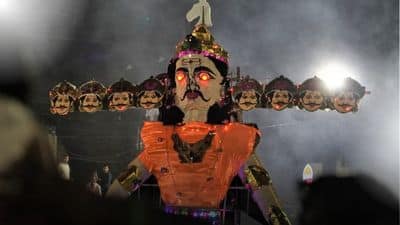
Dussehra (Vijayadashami) – October 20, 2026
Symbolizes the triumph of good over evil.
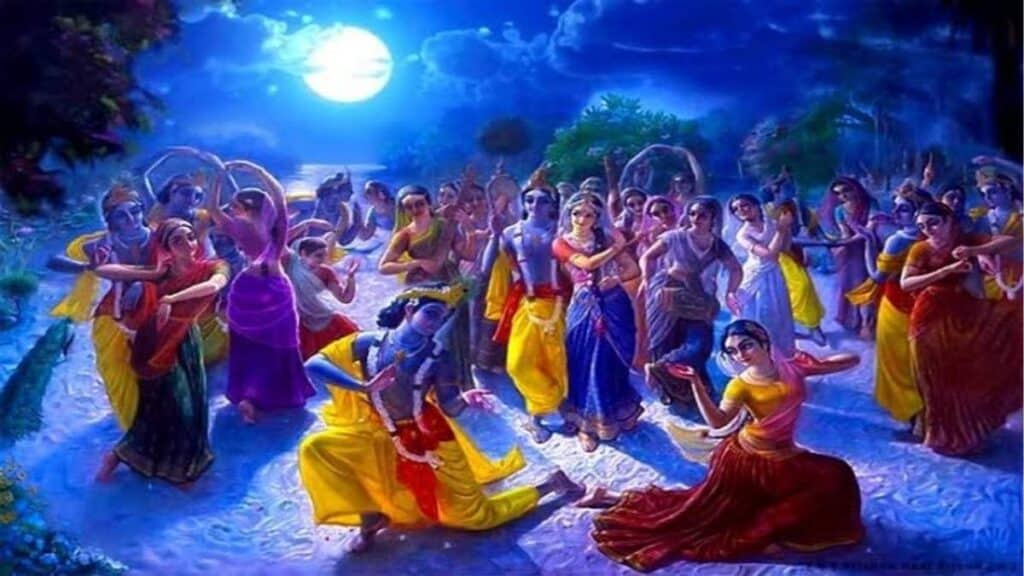
Sharad Purnima – October 20, 2026
Full-moon festival celebrating divine blessings, prosperity, and Lord Krishna’s Raas Leela, marking the end of the monsoon and the arrival of the harvest season
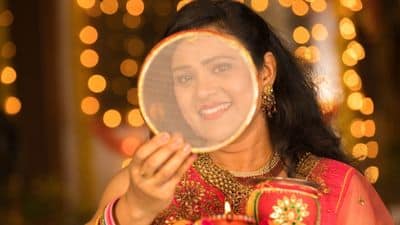
Karwa Chauth – October 29, 2026
Observed by married women praying for their spouse’s well-being.
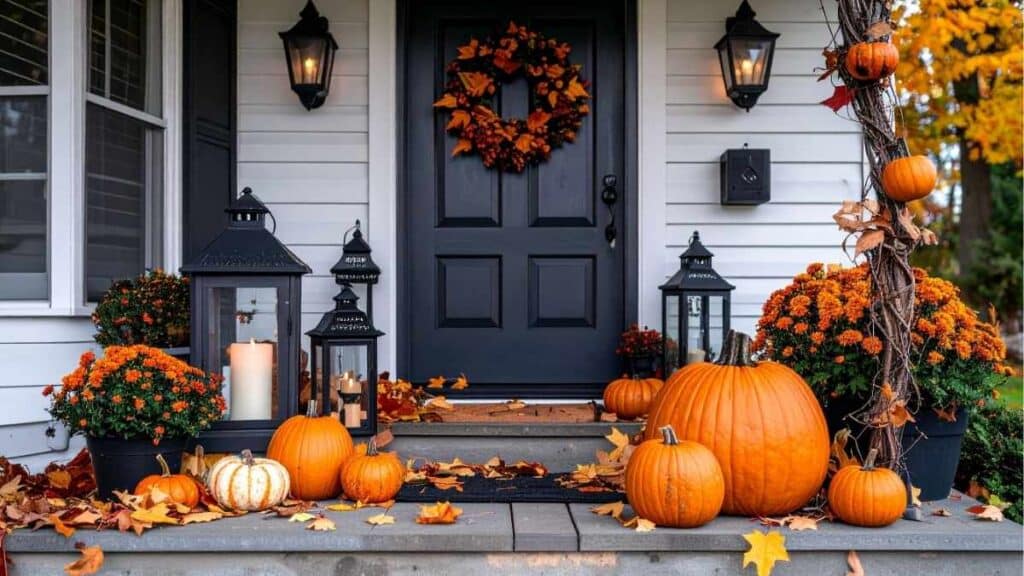
Halloween – October 31, 2026
Marks the eve of All Saints’ Day and falls at the beginning of Allhallowtide
November 2026
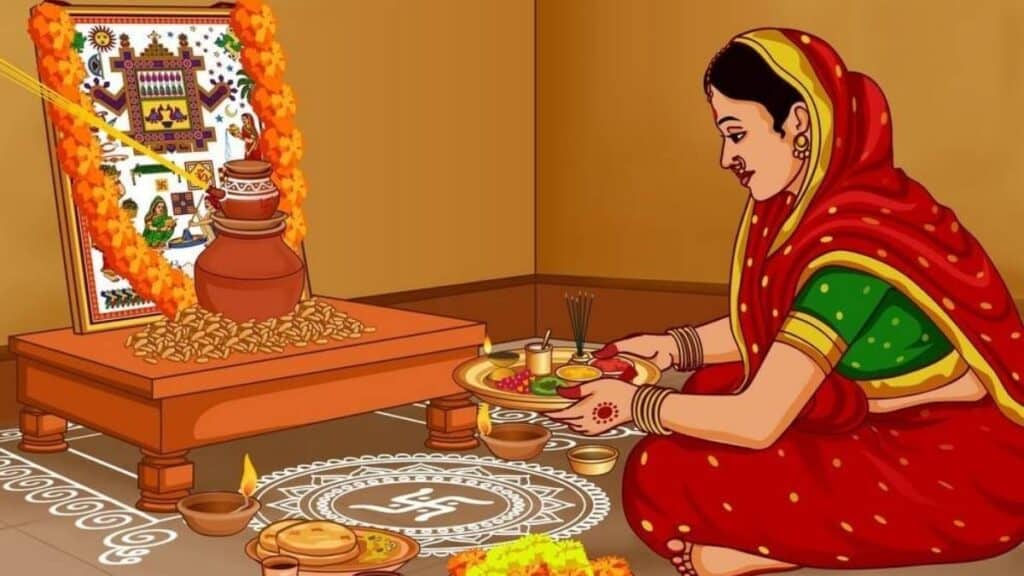
Ahoi Ashtami– November 1, 2026
Celebrated for long life, good health, and well-being of children..
Dhanteras – November 6, 2026
Celebrates prosperity, health, and new beginnings.
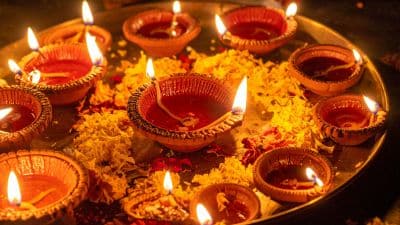
Diwali (Lakshmi Puja) – November 8, 2026
The festival of lights symbolizing hope, prosperity, and renewal.
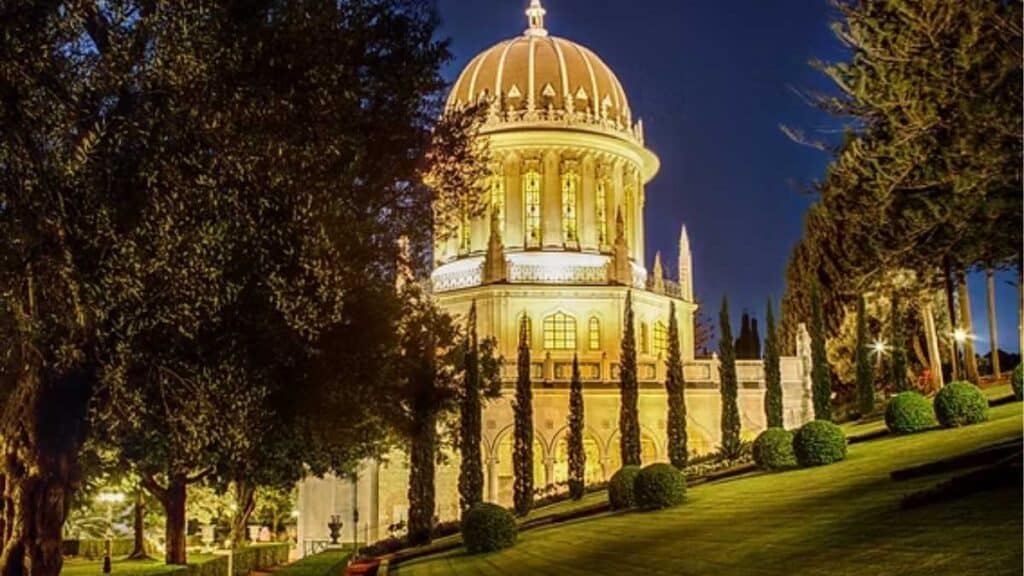
Birth of the Báb – November 10, 2026
Celebrates the birth of Siyyid Ali-Muhammad — known to the world as the Báb
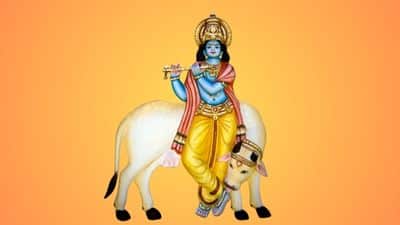
Govardhan Puja – November 10, 2026
Celebrates gratitude toward nature and abundance.
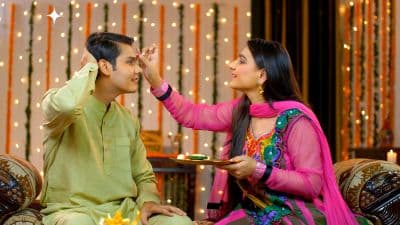
Bhai Dooj – November 11, 2026
Honors the bond between brothers and sisters.
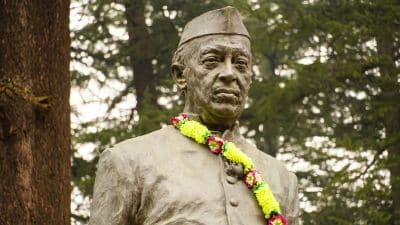
Children’s Day / Nehru Jayanti – November 14, 2026
Celebrates children and the legacy of Jawaharlal Nehru.
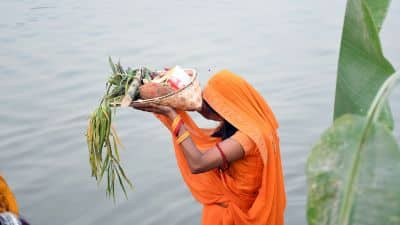
Chhath Puja – November 15, 2026
A rigorous sun-worship festival dedicated to gratitude and purification.
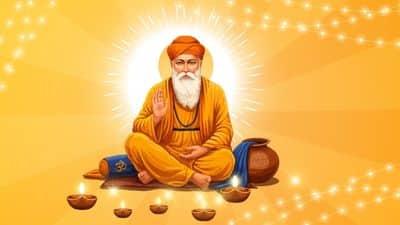
Guru Nanak Jayanti – November 24, 2026
Celebrates the birth of Guru Nanak and his teachings of unity and equality.
December 2026
World AIDS Day – December 1, 2026
Raises awareness about HIV/AIDS and global health solidarity.
Hornbill Festival – December 1–10, 2026
A cultural festival in Nagaland showcasing tribal heritage.
Hanukkah – December 4–12, 2026
Observed by India’s Jewish communities, celebrating light and perseverance.
Winter Solstice – December 22, 2026
Marks the shortest day and longest night of the year.
Christmas – December 25, 2026
Celebrates the birth of Jesus Christ and is widely observed across India.
New Year’s Eve – December 31, 2026
Marks the transition to the new year with reflection and celebration.
Why Festivals Matter in Indian Culture
In the Indian context, festivals serve multiple purposes at once.
- They are moments of prayer and spiritual reflection.
- They mark seasonal transitions such as harvests, monsoons, and solstices.
- They strengthen family bonds, community identity, and shared traditions.
- They preserve regional languages, foods, rituals, and art forms.
- They pass values and stories from one generation to the next—naturally, without instruction.
For many families, festivals are also when food traditions, fasting rules, gifting practices, charitable acts, and social gatherings come together in a single lived experience.
How Indian Festivals Are Determined
Unlike countries that follow a single fixed holiday calendar, Indian festivals are governed by multiple systems at once.
Many festivals follow lunar calendars, which is why their dates change every year. Others are based on solar calendars, agricultural seasons, or historically fixed dates. As a result, Indian festivals are best understood by sequence and season, rather than by date alone.
This page organizes festivals month by month, while clearly acknowledging that exact dates may vary from year to year.
Religions and Communities Represented
This guide intentionally covers all religions and cultural traditions practiced in India, including communities that are often overlooked.
You will find festivals associated with:
- Hindu traditions across regions and sects
- Sikhism
- Islam
- Christianity (Indian context)
- Jainism
- Buddhism (Theravada, Mahayana, Tibetan, and Navayana traditions)
- Zoroastrian / Parsi traditions
- The Baháʼí Faith
- Jewish communities historically present in India
- Indigenous and tribal cultures from across the country
- Modern diaspora-relevant global observances
Our goal is not only scale, but accuracy, respect, and depth.
One Festival, Many Ways of Celebrating
A defining feature of Indian festivals is regional diversity.
The same festival can be observed very differently depending on where it is celebrated. Rituals, foods, customs, and even the underlying stories may vary from one region to another. In some cases, the festival may be known by an entirely different name.
Rather than flattening these differences, this guide acknowledges them—because cultural nuance is what gives Indian festivals their meaning.
Indian Festivals in the Modern World
Indian festivals continue to evolve.
Today, they are celebrated not only in temples and homes across India, but also in community centers, schools, and cultural associations around the world. For many in the Indian diaspora, festivals play an even more intentional role—becoming anchors of identity, memory, and connection.
Modern celebrations often blend tradition with contemporary life, balancing rituals with work schedules, digital communication, and multicultural environments—without losing their essence.