


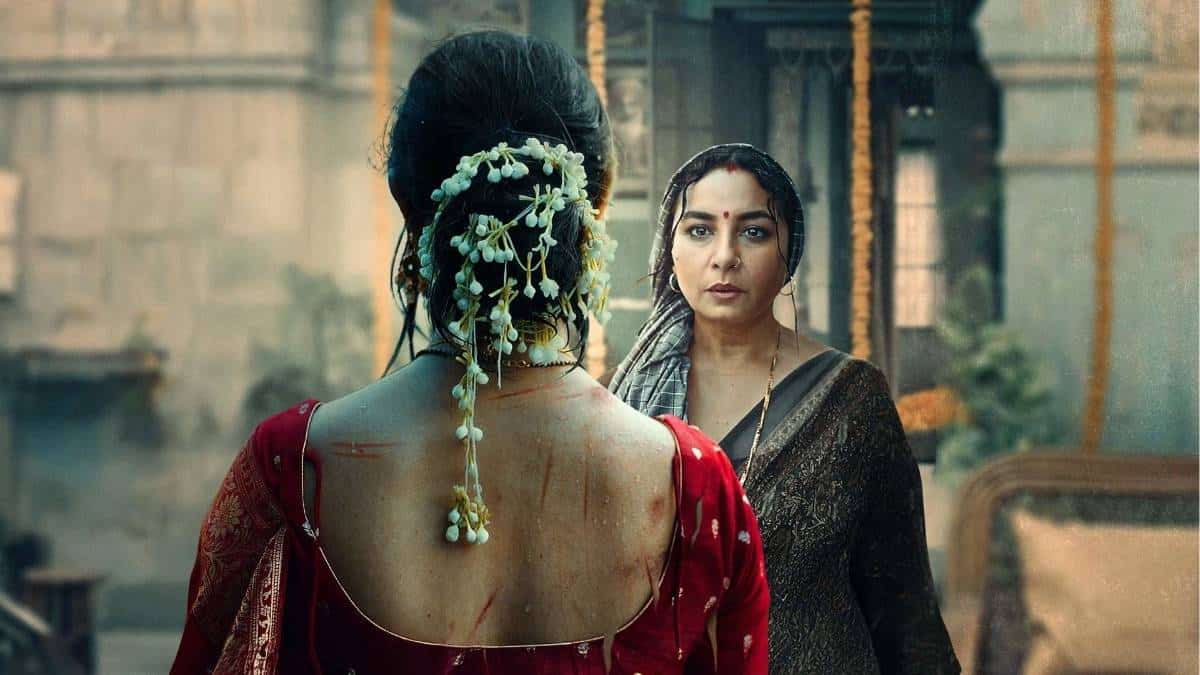
There are countless web series that claim to address social issues, particularly violence against women. Yet one of the most deeply entrenched, uncomfortable realities — marital rape — has remained almost entirely absent from Indian screens. The reason is not hard to find. When society itself refuses to acknowledge something as a crime, when the law itself looks away, what is the incentive to build a story around it?
That is precisely what makes Chiraiya so remarkable. Streaming now on JioHotstar, this bold, emotionally devastating series does not merely raise the subject — it dismantles every excuse society has built around it. It questions patriarchy, examines the silent complicity of women within the family unit, and forces the viewer to sit with questions that have no comfortable answers. Headlined by a career-defining Divya Dutta, Chiraiya arrives as one of the most important pieces of Indian streaming content in years — not in spite of its discomfort, but because of it.
Chiraiya is one of the most courageous and necessary Indian web series to release in recent memory. Headlined by a luminous Divya Dutta, this JioHotstar original takes on the deeply uncomfortable reality of marital rape and patriarchy with honesty, depth, and emotional intelligence. A slow-burn that earns every moment of its impact.
Language: Hindi
Age Rating: A (Adults Only)
Genre: Social Drama, Family Drama
Director: Shashant Shah
Platform: JioHotstar
Release Date: March 20, 2026
The Plot: When the Home Itself Is the Danger
At its heart, Chiraiya is a story about a crime that Indian society refuses to name. The series opens with Kamlesh (Divya Dutta), the loyal, deeply traditional elder bahu of a conservative family, who holds absolute faith in her devar Arun (Siddharth Shaw). When the family arranges a marriage for Arun, everything appears conventional on the surface — until the very first night, when the illusion shatters completely.
Arun forces himself on his new bride Pooja (Prasanna Bisht), and what follows is not merely one woman’s battle against one man. It is a reckoning with an entire system — family structures, inherited silence, and the generations of conditioning that teach women to “adjust” rather than resist. When Pooja asks, “Do you even understand consent?” — the question is directed not just at her husband, but at all of us.
The genius of Chiraiya’s writing is that it places the resistance not just outside Pooja, but inside the very women who should protect her. Her own mother advises her to endure. The matriarch wields tradition as a weapon. The series makes it unmistakably clear: patriarchy is sustained as much by women as by men, and breaking the cycle must begin from within.
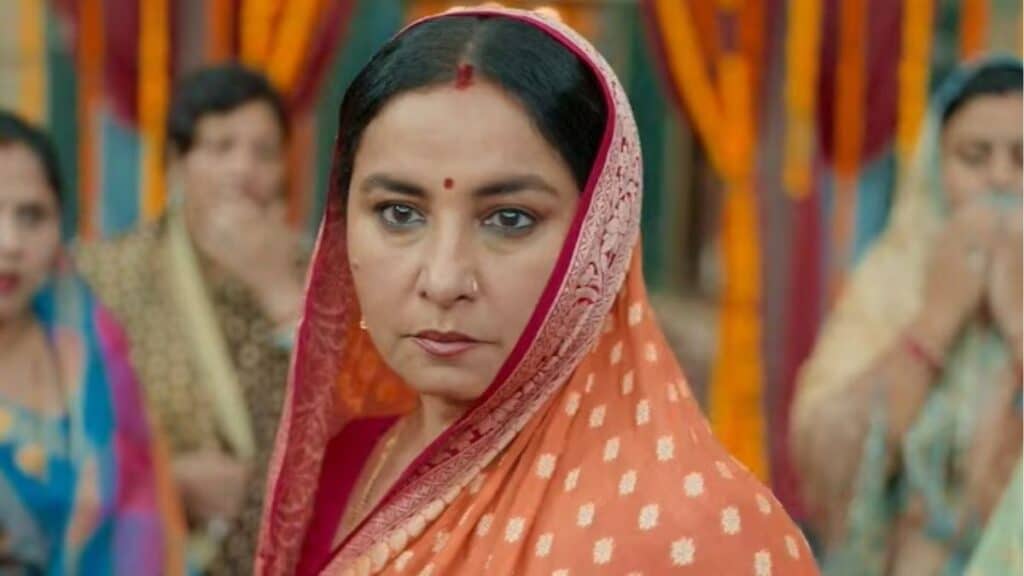
Check Out: JioHotstar Reveals Teaser for Series “Chiraiya” Addressing Marriage Norms
Performances: A Cast That Rises to the Gravity of the Story
Divya Dutta — The Soul of the Series
Divya Dutta delivers what is unquestionably her finest performance in years. As Kamlesh, she plays a woman thoroughly conditioned by internalised patriarchy who slowly, painfully begins to unlearn everything she has been taught. Her arc is quiet, subtle, and devastating — every shift in expression carries the weight of a lifetime of silence. She does not perform a transformation; she lives it, and you feel every step of it alongside her.
Prasanna Bisht — Raw and Heartbreaking
Prasanna brings an aching, raw vulnerability to Pooja that is impossible to look away from. You watch her spirit dim, her resilience fracture, and her humanity be ground down in real time. A standout early sequence — where Pooja, her mehendi still fresh, harms herself to avoid another assault — is one of the most quietly devastating moments in recent Indian streaming, and Prasanna carries it with extraordinary restraint and truth.
The Supporting Cast
Faisal Rahman brings welcome nuance as Kamlesh’s husband — a man genuinely caught between societal expectation and personal conscience. Siddharth Shaw, with his disarmingly boyish face, is chillingly effective as Arun — his innocent appearance making his toxicity all the more disturbing. Sarita Joshi as the matriarch is a highlight, delivering the series’ sharpest commentary on how tradition is wielded against women. Sanjay Mishra as the patriarch is watchable, though his portrayal occasionally leans theatrical. Tinu Anand, in limited screen time, leaves a memorable impression.
Direction and Vision: Brave Storytelling That Doesn’t Flinch
The direction in Chiraiya is defined by a commitment to authenticity over spectacle. There are no dramatic revelations, no convenient rescues — only the slow, suffocating truth of how marital violence operates within the walls of a household that looks perfectly normal from the outside. The series excels at showing how ignorance is not accidental — it is inherited, passed down through family structures and social conditioning that begin shaping children long before they understand what is being done to them.
The narrative also broadens its scope to examine how conversations about sexuality, consent, and LGBTQ+ identities are dismissed or ridiculed in smaller towns and conservative settings — painting a world where these silences are structural, not accidental.
Technical Craft: Intimate and Purposeful
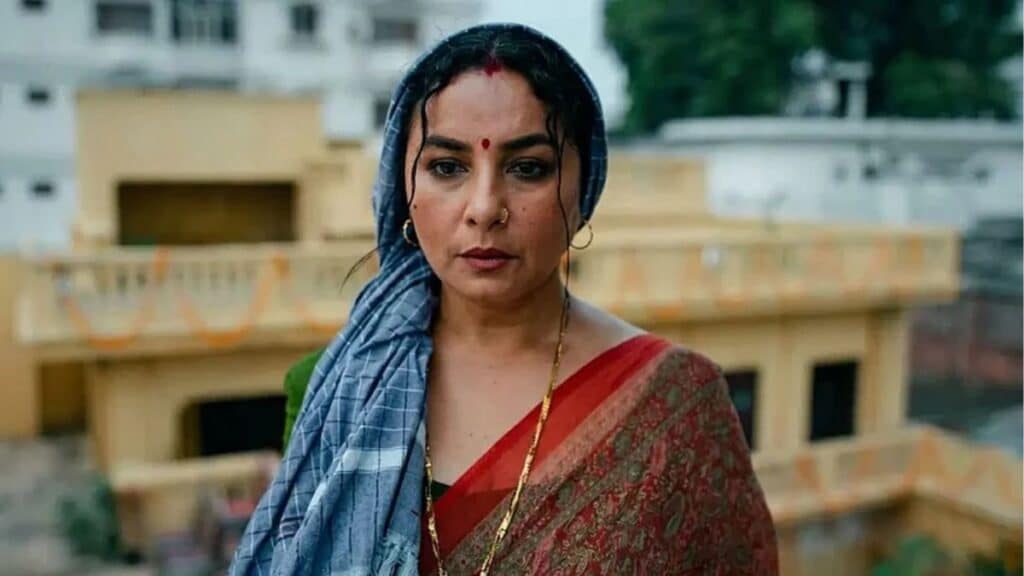
The cinematography keeps things deliberately intimate — close, domestic, claustrophobic in the way that mirrors the emotional world of its characters. The framing makes you feel the walls closing in, which is precisely the point. The background score is restrained and purposeful, swelling only when the emotional weight demands it. The editing, while occasionally stretched in the middle episodes, largely serves the story’s slow, grinding emotional rhythm.
Strengths and Weaknesses
What Works Brilliantly
- Divya Dutta and Prasanna Bisht deliver powerful, emotionally grounded performances that carry the series
- Rare, fearless subject matter handled with maturity — marital rape treated with the seriousness it deserves
- Sharp, layered social commentary on patriarchy, consent, and the conditioning of both men and women
- Siddharth Shaw is a revelation as the antagonist — compelling, toxic, and disturbingly believable
- Sarita Joshi brings quiet brilliance to a pivotal supporting role
- A closing message — “Bolna bandh, sochna shuru” — that lingers long after the final episode
Minor Areas for Improvement
- The narrative revisits certain emotional beats a few times too many — tighter editing in the middle episodes would have sharpened the impact
- Sanjay Mishra’s patriarch occasionally veers into caricature, slightly reducing the menace of an otherwise well-written character
Final Verdict: 5/5 Stars ⭐⭐⭐⭐⭐
Chiraiya is the kind of series that Indian streaming desperately needs. It does not offer easy answers or a neatly resolved ending. Instead, it leaves you with the questions that matter — difficult, uncomfortable, and absolutely necessary. In a country where marital rape still lacks full legal recognition, a series that names it, depicts it unflinchingly, and demands accountability is not just compelling television. It is an act of cultural courage.
Divya Dutta gives the performance of her career. Prasanna Bisht breaks your heart and puts it back together. And the ensemble around them rises to meet the gravity of the story being told. Chiraiya does not just entertain — it challenges, disturbs, and ultimately moves you toward acknowledgement. And in a society that still struggles to even name the problem, that is a powerful, necessary beginning. Do not miss it.
What is the age rating of Chiraiya?
Chiraiya carries an A (Adults Only) certificate, as it deals with mature and sensitive themes including marital rape, sexual coercion, domestic trauma, and psychological abuse. It is strictly intended for viewers aged 18 and above.
Can we watch Chiraiya with kids?
No, Chiraiya is not suitable for children or younger audiences.
Is Chiraiya based on a true story?
Chiraiya is not based on one specific true story or documented case. However, the situations and social realities it portrays are deeply rooted in lived experiences across India.
