

Christmas is one of the most widely celebrated festivals across the world, popularly known as the Festival of Joy and Peace. Observed on December 25th, Christmas commemorates the birth of Jesus Christ and symbolizes hope, love, and goodwill toward all. Rooted in Christian traditions, the festival represents the divine gift of salvation and the message of peace on earth.
The spiritual meaning of Christmas comes from the Nativity story, which describes the birth of Jesus in Bethlehem. This miraculous event is celebrated through Midnight Mass, carol singing, nativity scenes, and the symbolic lighting of candles representing Christ as the light of the world. The festival is marked by family gatherings, gift-giving, festive meals, and decorations including Christmas trees and stars.
During Christmas, communities come together in a spirit of generosity and celebration. Social boundaries dissolve as people of different backgrounds join in spreading joy, sharing meals, and exchanging gifts. Christmas is primarily observed by Christians across India and worldwide, but today it has become a cultural festival that welcomes people of all faiths and backgrounds.
When Is Christmas Celebrated in 2026?

Christmas is celebrated annually on December 25th in most Christian traditions, though some Eastern Orthodox churches observe it on January 7th based on the Julian calendar.
Christmas In India 2026 Dates
Day 1: Christmas Eve will be celebrated on December 24, 2026 in India – The night before Christmas, marked by carol services and Midnight Mass.
Day 2: Christmas Day will be celebrated on December 25, 2026 in India – The main festival with church services, family feasts, and celebrations.
Christmas is a fixed-date festival, always celebrated on December 25th in the Gregorian calendar, making it easier to plan celebrations year after year.
Table of Contents
Christmas In USA, Canada, Australia, New Zealand, UK, UAE, Singapore 2026 Dates
- Christmas Eve – December 24, 2026
- Christmas Day – December 25, 2026
- Christmas Eve – December 24, 2026
- Christmas Day – December 25, 2026
- Christmas Eve – December 24, 2026
- Christmas Day – December 25, 2026
- Christmas Eve – December 24, 2026
- Christmas Day – December 25, 2026
- Christmas Eve – December 24, 2026
- Christmas Day – December 25, 2026
- Christmas Eve – December 24, 2026
- Christmas Day – December 25, 2026
Why Christmas Is Celebrated on December 25

Christmas is celebrated on December 25th based on the date established by the early Christian church in the fourth century (around AD 336). While the exact birth date of Jesus is unknown, the church chose December 25th, which coincided with the Roman winter solstice and symbolically represented Christ as the light entering the world during the darkest time of year.
The date falls nine months after the Annunciation (March 25), when Christians commemorate the angel Gabriel’s announcement to Mary. Most Christians worldwide follow the Gregorian calendar and celebrate on December 25th, while some Eastern Orthodox churches use the Julian calendar, observing Christmas on January 7th (which corresponds to December 25th in the old calendar).
Unlike lunar festivals, Christmas remains fixed on December 25th each year, though the day of the week changes annually.
Christmas Other Names & Regional Identities

General Names
- Christmas — Standard name in English and many languages
- Xmas — Abbreviated form, from Greek letter Chi (Χ)
- Nativity — Emphasizes the birth of Jesus
- Yule — Ancient winter festival name, still used in Scandinavia
- Noel — French origin, widely used in carols
North & East India
- Bada Din / Boro Din — Hindi and Bengali, meaning “Big Day”
- Krisamas — Hindi transliteration
- Burra Din — Used in parts of North India
South India
- Kiṟistumas — Tamil
- Christmas Thirunal — Malayalam, meaning “Christmas Festival”
- Christmas Panduga — Telugu
- Natala — Konkani (Goa)
Other Regional / Cultural Variants
- Krismas Mubarak — Urdu, blending Christmas with Islamic greeting style
- Khushi Natal — Gujarati, meaning “Happy Christmas”
- Christmas Habba — Kannada
- Christmas Papa — Kerala’s name for Santa Claus
- Christmas Baba — Hindi name for Father Christmas
Diaspora / International Naming
- Festival of the Nativity — Formal religious name
- Christmastide — The twelve-day period from December 25 to January 6
- Twelfth Night — Conclusion of Christmas season
- Midnight Mass — Refers to the central Christmas Eve service
- Boro Din — Used by Bengali diaspora communities worldwide
The Origins, History, and Legends of Christmas
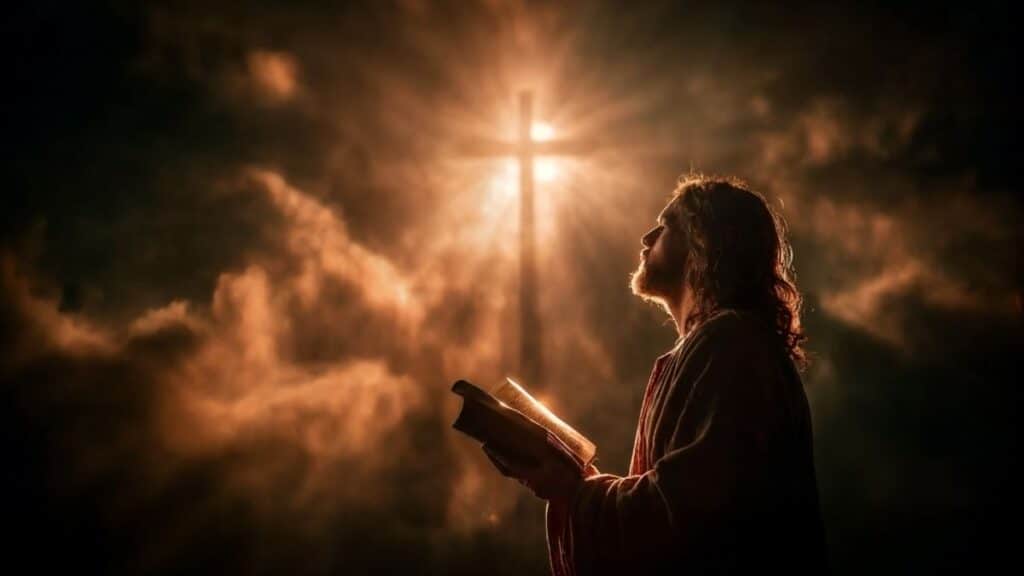
Christmas is rooted in the Christian celebration of Jesus Christ’s birth, as described in the New Testament Gospels of Luke and Matthew. According to scripture, Jesus was born in Bethlehem to the Virgin Mary and Joseph. Finding no room at the inn, they sheltered in a stable where Jesus was born and laid in a manger. Angels announced his birth to shepherds, while the Magi (wise men) followed a star to bring gifts of gold, frankincense, and myrrh.
Historically, the celebration of Christmas on December 25th was established in Rome around AD 336. Early Church Fathers including John Chrysostom and Augustine affirmed this date in the fourth century. The timing coincided with the Roman winter solstice and the festival of Sol Invictus, symbolically positioning Christ as the true “light of the world” born during the darkest season.
Christianity arrived in India as early as 52 AD with St. Thomas the Apostle, who established Christian communities in Kerala. Portuguese colonization (1510-1961) brought Catholicism to Goa, creating unique Indo-Portuguese Christmas traditions that blend European and Indian elements. British colonial influence introduced Anglican customs, while Syrian Christian communities in Kerala maintained ancient Eastern traditions.
The modern celebration of Christmas evolved significantly in the 19th century. Charles Dickens’ “A Christmas Carol” (1843) popularized themes of family, charity, and seasonal joy. The Christmas tree tradition spread from Germany, while the figure of Santa Claus developed from the Dutch Sinterklaas (Saint Nicholas). Commercial Christmas cards, gift-giving traditions, and festive foods became integral to celebrations.
Scripturally, Christmas represents the Incarnation—God becoming human to offer salvation. It symbolizes hope, divine love, and the promise of redemption. Over centuries, Christmas evolved from a purely religious observance into a cultural festival that promotes peace, generosity, family unity, and joy across communities worldwide.
Christmas: Cultural and Spiritual Significance

Christmas symbolizes hope, peace, and the transformative power of divine love. Spiritually, it represents the Incarnation—the belief that God entered the world in human form through Jesus Christ to bring salvation and renewal to humanity. The festival celebrates humility (Christ born in a stable), divine grace, and the promise of eternal life.
Culturally, Christmas brings families and communities together, transcending social boundaries and promoting unity, forgiveness, and generosity. The tradition of gift-giving reflects the Magi’s offerings to baby Jesus and symbolizes love, thoughtfulness, and the spirit of sharing. The lighting of candles and decorations represents Christ as the light dispelling darkness, offering hope during the winter season.
The evergreen Christmas tree symbolizes eternal life, while the star represents the Star of Bethlehem that guided the wise men. Carols, nativity scenes, and festive meals create shared experiences that strengthen family bonds and community connections.
In India, Christmas has evolved beyond religious observance to become a festival celebrating universal values of peace, joy, and goodwill. It marks a time for reconciliation, charity toward those in need, and celebrating life’s blessings. More than a religious festival, Christmas is a celebration of humanity, compassion, and the enduring message that love and light triumph over darkness.
Christmas Prayers and Religious Observances
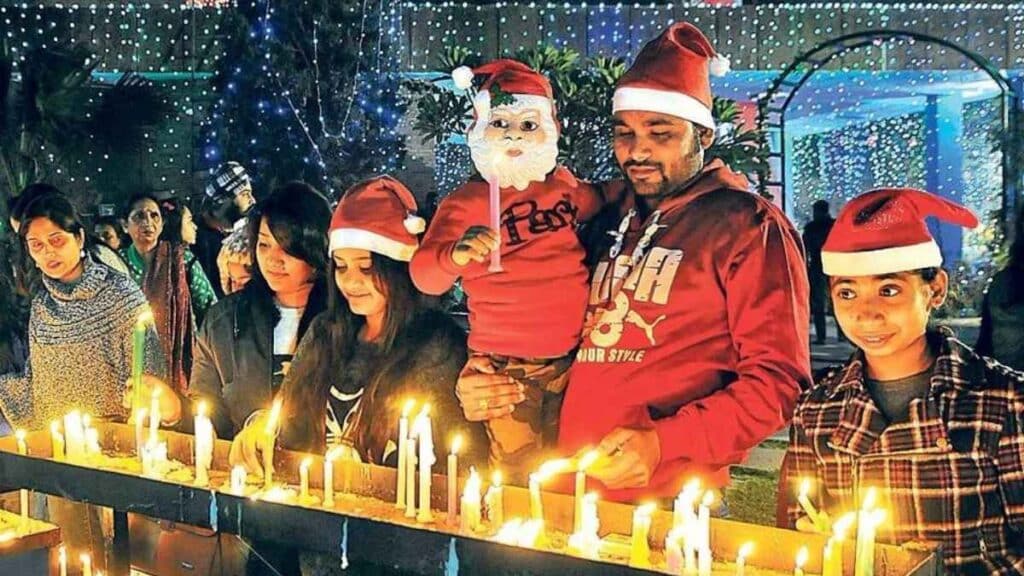
Christmas prayers and rituals center on celebrating the birth of Jesus Christ and seeking blessings of peace, joy, and spiritual renewal. Religious observances begin with Advent—the four weeks before Christmas—marked by lighting Advent candles, prayer, and spiritual preparation.
Christmas Eve Midnight Mass is the most significant service for Christians, especially Catholics in India. The service includes:
- Scripture readings of the Nativity story
- Lighting of the Christ candle
- Carol singing and hymns
- Holy Communion
- Church bells ringing at midnight to announce Christmas Day
In Kerala, traditional Syrian Christians observe a 25-day fast from December 1-24, abstaining from meat and dairy (similar to Lenten practices), breaking the fast after Midnight Mass. This period emphasizes spiritual purification and devotion.
Christmas Day Services feature festive liturgy, special prayers, and joyful celebrations thanking God for the gift of Christ.
Home Prayers and Devotions include:
- Family prayers around the nativity scene (crib)
- Daily scripture readings during Advent
- Blessing of the Christmas tree
- Grace before the Christmas feast
- Prayers for peace, family unity, and those in need
Traditional Prayers incorporate both international hymns and regional compositions in local Indian languages, blending global Christian traditions with indigenous cultural expressions.
Whether observed at home or in churches, Christmas rituals emphasize devotion, gratitude, hope, and celebrating God’s love for humanity, making the festival both spiritually meaningful and culturally rich.
How Christmas Is Celebrated Across India

While the essence of Christmas remains consistent, its expressions vary widely across Indian regions, reflecting the country’s cultural diversity.
Goa – Indo-Portuguese Christmas: Goa celebrates with unique traditions inherited from Portuguese colonial history. Giant paper star lanterns illuminate streets between houses. The consuada tradition involves making sweets (neureos, dodol, bebinca) and sharing with neighbors before Christmas. Week-long carol singing around neighborhoods is popular. Midnight Mass at historic churches like Basilica of Bom Jesus draws thousands. Christmas meals feature roast turkey, pork sorpotel, and traditional Goan sweets.
Kerala – Burra Din Celebrations: Every Christian home displays elaborate Christmas stars. Clay oil lamps placed on rooftops symbolize Christ as the light of the world. Families create intricate nativity scenes with clay figures, often competing for the best display. The 25-day pre-Christmas fast ends with Midnight Mass. Traditional foods include plum cake, appam with stew, and achappam (fried cookies). Kerala’s ancient churches in Kottayam and Thrissur hold grand celebrations.
Mumbai – Metropolitan Festivities: Mumbai’s Christian neighborhoods in Bandra and Mahim feature Goan-influenced traditions including star lanterns and elaborate manger scenes. Midnight Mass at Mount Mary Basilica and St. Michael’s Church attracts thousands. Streets like Hill Road and Linking Road showcase festive decorations. Community feasts and shared celebrations reflect the city’s inclusive spirit.
Northeast India – Indigenous Traditions: States like Nagaland, Meghalaya, and Mizoram (with 70-90% Christian populations) celebrate with week-long festivities blending tribal culture with Christian observance. Village-wide feasts, unique carols in tribal languages, traditional music, and community gatherings centered around churches mark the celebrations.
Tamil Nadu and Southern States: Christians in Chennai celebrate with Midnight Mass at Santhome Cathedral. Tamil carols, clay lamp traditions in Christian villages, and special dishes like Christmas kusumbu (spiced rice) blend regional culture with Christmas observance.
Despite regional variations, Midnight Mass, nativity scenes, carol singing, festive foods, and family gatherings remain central everywhere.
Participation Across Religions in India

Christmas is celebrated not only by Christians but by people of many religions across India, making it a truly inclusive cultural festival. Over time, Christmas has transcended religious boundaries and become a shared celebration of joy, peace, and togetherness.
People from different faiths—Hindus, Muslims, Sikhs, and others—participate in Christmas festivities by enjoying decorations, exchanging greetings, sharing Christmas cakes and sweets, and joining community celebrations. In urban India, shopping malls, restaurants, and public spaces embrace Christmas with decorations and events regardless of religious composition.
Hindu Participation: Many Hindus appreciate Christmas lights and decorations (similar to Diwali), exchange Christmas greetings with Christian neighbors, and enjoy Christmas cakes and special foods. Children across religions get excited about Santa Claus and gift-giving traditions.
Muslim Communities: Muslims in Kerala and Goa often join Christmas festivities, sharing in the celebrations as Jesus (Isa) is a revered prophet in Islam. Exchanging sweets and greetings with Christian neighbors is common.
Secular Urban Culture: In metropolitan areas, Christmas has become a cultural festival celebrated in schools (including non-Christian institutions), corporate offices, and public spaces. The festival promotes harmony and social bonding as neighborhoods come together without distinction of faith.
By encouraging generosity, family values, and shared happiness, Christmas serves as a reminder that festivals can unite people through common values of peace, joy, and mutual celebration, reflecting India’s pluralistic spirit.
How Christmas Is Celebrated Outside India
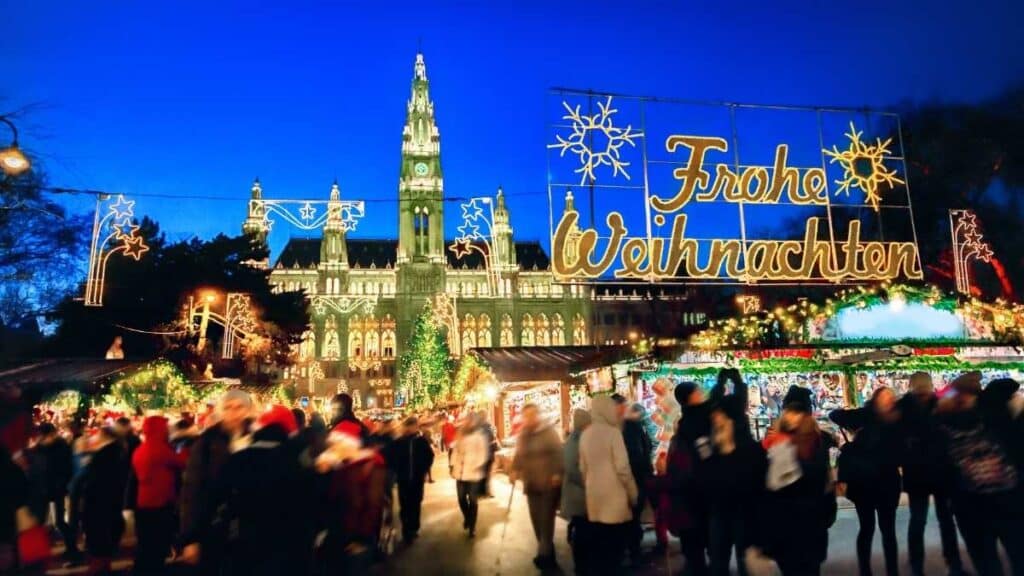
Indian diaspora communities across the United States, Canada, the UK, Australia, the Middle East, and beyond celebrate Christmas through:
Community Events: Large gatherings organized by Kerala, Goan, Tamil, and other regional Christian communities featuring traditional carols in native languages, cultural programs, and festive meals blending Indian and local traditions.
Church Gatherings: Midnight Mass and Christmas services at Indian churches worldwide, maintaining liturgical traditions while adapting to local contexts. British-Indian Anglicans blend UK and Indian customs; American-Indian Catholics combine American turkey with Indian spices.
Cultural Preservation: Second and third-generation Indians maintain traditions like making plum cake, singing Malayalam/Tamil carols, creating nativity scenes with Indian figures, and preparing traditional sweets (neureos, achappam) to stay connected to their heritage.
Adaptation to Local Contexts:
- Summer Christmas in Australia/New Zealand with beach barbecues featuring Indian spices
- Weekend celebrations when December 25 falls midweek for better community attendance
- Fusion meals combining local dishes with Indian Christmas specialties
- Gulf Countries: Large Kerala Christian populations maintain home traditions despite restricted public celebrations
Mainstream Integration: In Western countries, Indian Christmas traditions (particularly food and music) have enriched multicultural celebrations. “Festival of Colors”-style events have introduced non-Indians to Indian cultural expressions, while Indian Christians participate fully in mainstream Christmas activities.
These celebrations help diaspora communities preserve cultural identity while building bridges between Indian heritage and adopted homelands.
Christmas Gifting Traditions

Christmas gifting is rooted in the Biblical story of the Magi bringing gold, frankincense, and myrrh to baby Jesus, symbolizing love, devotion, and the spirit of giving. The tradition reflects values of generosity, thoughtfulness, and strengthening relationships.
Traditional Indian Christian Gifting includes:
- Sharing Christmas cakes, sweets, and homemade treats with neighbors (consuada tradition in Goa)
- New clothes for children to wear on Christmas Day
- Religious gifts like Bibles, prayer books, crosses, and holy pictures
- Charitable giving to the poor and needy
Modern Gifting Practices have evolved to include:
- Commercial gifts like electronics, clothing, toys, and accessories
- Gift cards and vouchers
- Eco-friendly and sustainable gifts
- Thoughtful personalized items
- Online shopping and delivery services
Diaspora Gifting often involves:
- Sending money home to family in India
- Shipping Indian Christmas sweets and specialties abroad
- Video calls and digital greetings bridging distances
- Supporting charitable causes in home communities
Symbolism: Beyond material exchange, Christmas gifting represents God’s ultimate gift of Jesus to humanity. It emphasizes expressing love, appreciation, forgiveness, and building stronger community bonds through acts of kindness and generosity.
Traditional Christmas Foods and Sweets

Food plays an essential role in Christmas celebrations, symbolizing abundance, hospitality, and togetherness. Regional variations reflect India’s diverse culinary heritage.
Goan Christmas Delicacies:
- Bebinca: Multi-layered coconut dessert (7-16 layers), labor-intensive and cherished
- Neureos: Fried pastries stuffed with coconut, nuts, and dry fruits
- Dodol: Coconut and cashew toffee with sticky-sweet texture
- Sorpotel: Spicy pork curry, a Portuguese-influenced specialty
- Kulkuls: Deep-fried sweet curls, bite-sized treats
- Sannas: Steamed rice cakes served with curries
Kerala Christmas Cuisine:
- Plum Cake: Rich fruit cake soaked in rum or brandy, prepared weeks ahead
- Appam with Stew: Rice pancakes with coconut chicken or vegetable stew
- Achappam: Rose-shaped fried cookies, delicate and crispy
- Duck Roast: Marinated and roasted duck, a festive specialty
- Payasam: Sweet milk pudding with vermicelli or rice
- Homemade Wine: Grape or cashew wine for celebrations
Anglo-Indian Christmas Foods:
- Roast Turkey/Chicken: Stuffed with Indian spices, a fusion centerpiece
- Pork Vindaloo: Goan spicy pork curry
- Mulligatawny Soup: Anglo-Indian pepper soup
- Marzipan: Almond paste confections
- Fruit Cake: Dense cake with Indian dried fruits and nuts
Northeastern Christmas Foods: Pork dishes in tribal preparations, sticky rice cakes, smoked meats, rice beer, and tribal specialty cakes using local ingredients.
Beverages: Thandai (spiced milk), mulled wine, rose milk, fruit punch, and Goan feni (local spirit).
These dishes are prepared in advance and shared freely with neighbors, friends, and guests, embodying the Christmas spirit of generosity and community.
Christmas: Music, Art, and Cultural Expression
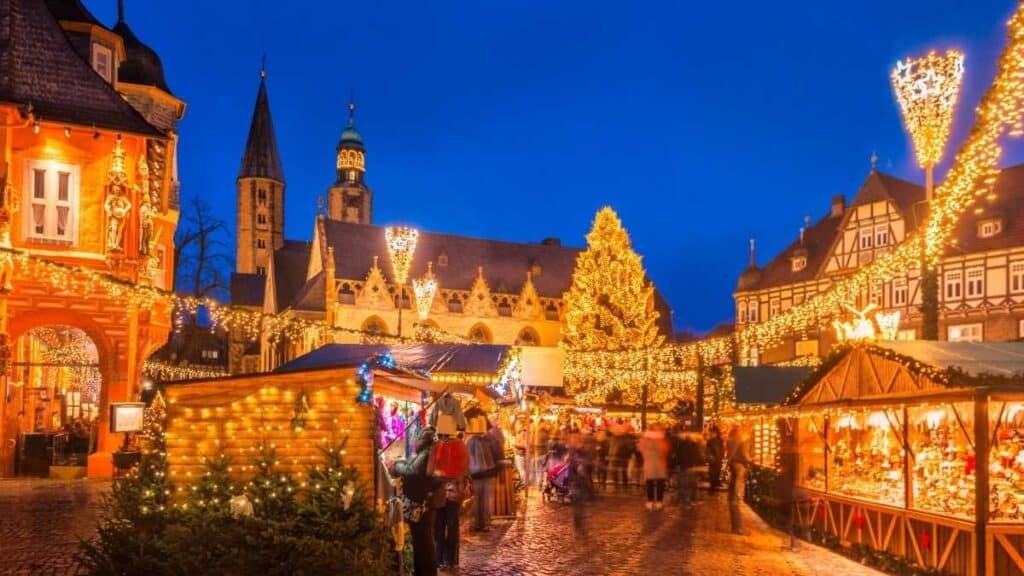
Music, art, and performance are central to Christmas celebrations, creating atmosphere and emotional connection to the festival’s meaning.
Indian Christmas Carols: Traditional Western carols like “Silent Night,” “Joy to the World,” and “Hark the Herald Angels Sing” have been translated into Tamil, Malayalam, Bengali, Hindi, and other Indian languages. Original Indian compositions blend Christian themes with Carnatic music, Hindustani classical, and regional folk melodies. Konkani carols in Goa and Malayalam carols in Kerala have centuries-old traditions.
Carol Singing: Week-long neighborhood caroling is popular in Goa and Kerala, with groups visiting homes spreading Christmas cheer. Churches organize carol services, competitions, and community sing-alongs. Contemporary Christian music and youth choirs bring modern expressions to traditional practices.
Nativity Scenes (Cribs): Artistic nativity displays range from traditional biblical settings to Indian contextualizations—Jesus in Indian clothing, the manger with local animals, and figures in regional attire. Churches and families compete for the most creative displays. Clay figures, elaborate dioramas, and living nativity performances showcase artistic devotion.
Visual Arts: Star lantern making in Goa and Kerala is a cherished art form. Church decorations with rangoli/kolam designs, painting exhibitions, and craft fairs celebrate Christmas artistically. Poinsettia arrangements and mango leaf decorations blend Christian and Indian aesthetic traditions.
Dance and Drama: Nativity plays reenacting the Christmas story are performed in churches, schools, and streets. Cultural programs feature Christmas dances, variety shows, and children’s pageants.
Popular Culture: Bollywood and regional cinema have produced beloved Christmas songs. Modern celebrations include Christmas-themed fashion, photography, and social media expressions, making the festival a canvas for creativity and cultural unity.
Christmas’s Modern Relevance and Cultural Continuity

In today’s fast-paced, often divided world, Christmas continues to hold deep relevance as a festival that promotes peace, unity, and human connection. While celebration styles have evolved, the core spirit of Christmas remains unchanged—bringing people together, encouraging generosity, and celebrating hope and love.
Modern Christmas celebrations blend ancient traditions with contemporary expressions, from eco-friendly practices to global digital connections. The festival plays an important role in preserving cultural continuity. Across generations and geographies, Christmas connects people to their roots while allowing space for new interpretations.
For Indian Christian communities living abroad, Christmas serves as a powerful link to heritage, helping pass traditions, values, and stories to younger generations. The preparation of traditional foods, singing of native language carols, and maintenance of cultural practices keep ancestral connections alive while building bridges in new homelands.
Beyond decorations and festivities, Christmas carries a timeless message of hope, redemption, and peace on earth. In an increasingly digital and materialistic world, the festival reminds us of the importance of family, compassion for those in need, forgiveness, and shared joy.
Christmas’s enduring relevance lies in its ability to adapt while staying true to its essence—celebrating the divine gift of love, honoring the birth of Christ, and affirming that light, goodness, and human kindness ultimately prevail. Whether celebrated in a small Kerala village church or a grand cathedral in New York, Christmas continues to inspire, unite, and bring joy to billions worldwide.
Wishing you a Merry Christmas and a joyous New Year! May this season bring peace, love, and happiness to all.