


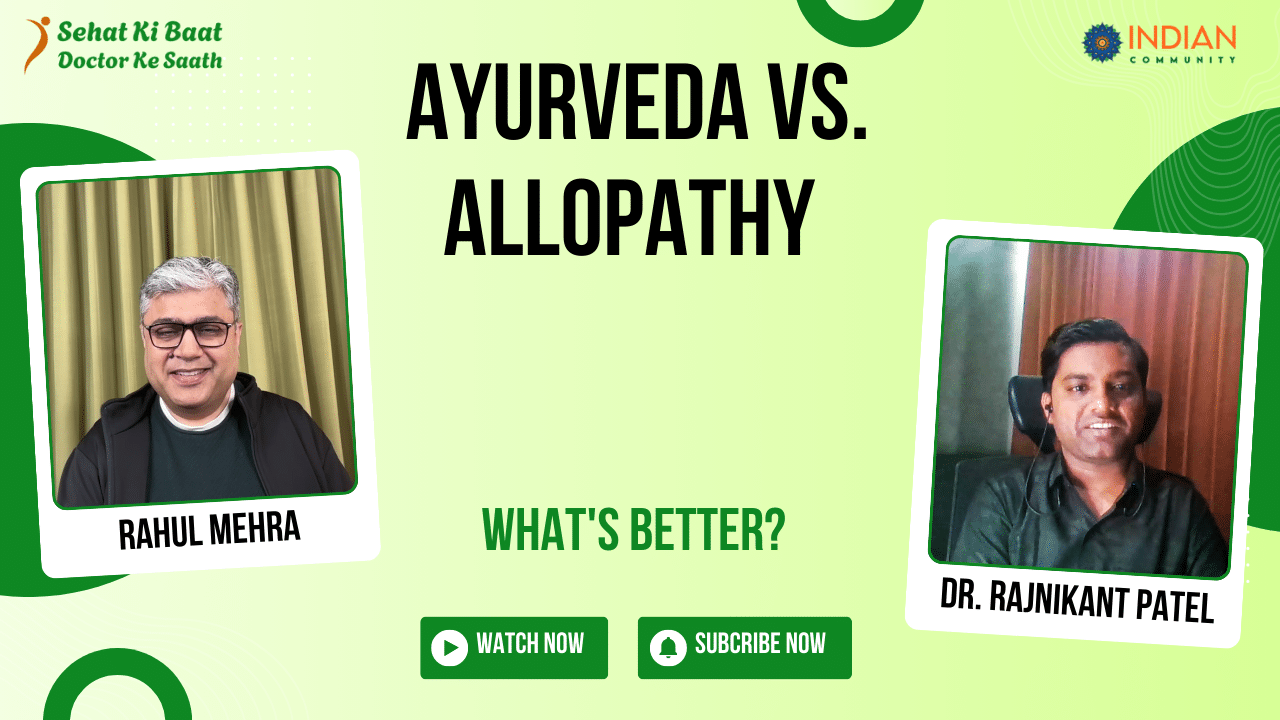
In a recent episode of Sehat Ki Baat Doctor Ke Saath, host Rahul Mehra engaged in an enlightening conversation with Dr. Rajnikant Patel, a seasoned Ayurvedic practitioner, to explore the differences, strengths, and integration of Ayurveda and modern medicine. The discussion delved into the philosophical foundations, treatment approaches, and practical applications of Ayurveda, while also addressing common misconceptions and the potential for collaboration between the two medical systems. Below is a detailed breakdown of the key points discussed in the interview.
In This Episode
Introduction to Ayurveda and Modern Medicine
Dr. Rajnikant Patel began by highlighting the fundamental differences between Ayurveda and modern medicine. He emphasized that modern medicine often focuses on symptom management rather than addressing the root cause of diseases. For instance, if a patient presents with knee pain, modern medicine might prescribe painkillers or steroids to alleviate discomfort temporarily. However, Ayurveda takes a holistic approach by identifying and treating the underlying cause of the pain, such as digestive issues or imbalances in the body.
Dr. Patel explained that Ayurveda views the body as an interconnected system, where the gut plays a central role in overall health. He cited the example of constipation leading to increased air (Vata) in the body, which can manifest as joint pain. While modern medicine might provide temporary relief, Ayurveda aims to restore balance by addressing the root cause, such as improving digestion and gut health.
The Timeless Principles of Ayurveda
One of the most striking aspects of Ayurveda, according to Dr. Patel, is its timelessness. He referenced the Charak Samhita, an ancient Ayurvedic text, which states that the principles of Ayurveda are eternal and remain unchanged over millennia. In contrast, modern medicine is constantly evolving, with treatments, diagnostic criteria, and medications frequently updated or replaced. For example, antibiotics that were effective 20 years ago may no longer be useful today due to resistance or the development of new drugs.
Dr. Patel argued that Ayurveda’s consistency and holistic approach make it a reliable system for both prevention and treatment. He emphasized that Ayurveda is not just a medical system but a way of life, encompassing physical, mental, and spiritual well-being.
Holistic Approach: Body, Mind, and Soul
A key distinction between Ayurveda and modern medicine is Ayurveda’s holistic approach. Dr. Patel explained that Ayurveda treats the individual as a whole, addressing not only physical symptoms but also mental and emotional health. For example, chronic knee pain can lead to sleep disturbances, irritability, and stress, all of which Ayurveda considers in its treatment plan.
He elaborated that Ayurveda recognizes the mind and body as interconnected. Emotional well-being, such as feelings of love, happiness, and contentment, is considered essential for overall health. In contrast, modern medicine often focuses solely on physical symptoms, prescribing medications like sleeping pills or antidepressants without addressing the root cause of mental distress.
Prevention and Lifestyle in Ayurveda
Dr. Patel highlighted that Ayurveda places significant emphasis on prevention. Half of Ayurvedic texts are dedicated to lifestyle practices that promote health and prevent disease. These include daily routines (Dinacharya), seasonal adjustments (Ritucharya), and dietary guidelines tailored to individual constitutions (Prakriti).
For example, Ayurveda recommends waking up during Brahma Muhurta (early morning), practicing oral hygiene with natural substances like neem, and eating mindfully without distractions like mobile phones. Dr. Patel stressed the importance of listening to one’s body, such as eating only when hungry and avoiding overeating, which aligns with Ayurvedic principles of maintaining digestive fire (Agni).
Debunking Myths About Ayurveda
One common misconception about Ayurveda is the use of heavy metals in its medicines. Dr. Patel clarified that while metals like mercury and gold are used in Ayurvedic formulations, they undergo rigorous purification processes (Shodhana) to make them safe for consumption. He explained that improper preparation by unqualified manufacturers, rather than Ayurveda itself, is responsible for any adverse effects.
He also addressed the criticism that Ayurveda is only suitable for chronic conditions or wellness therapies like massages. Dr. Patel shared examples of treating acute and severe conditions, such as mucormycosis (black fungus) during the COVID-19 pandemic, using Ayurvedic medicines. He emphasized that Ayurveda is a complete health science capable of addressing a wide range of diseases, including those requiring surgery.
Integration of Ayurveda and Modern Medicine
Dr. Patel advocated for the integration of Ayurveda and modern medicine, emphasizing that both systems have unique strengths. For instance, modern medicine excels in emergency care, such as treating brain hemorrhages or trauma, while Ayurveda is effective in managing chronic conditions and restoring overall health. He shared examples of collaborative treatments in his practice, where patients in ICU settings received both modern medical care and Ayurvedic interventions to enhance recovery.
He also discussed the potential for Ayurveda to complement modern treatments, such as reducing the side effects of chemotherapy or improving outcomes in neurodegenerative diseases like Alzheimer’s and Parkinson’s.
Challenges and the Future of Ayurveda
Despite its potential, Ayurveda faces challenges in gaining global acceptance. Dr. Patel attributed this to a lack of proper documentation and promotion. He urged Ayurvedic practitioners to document their cases rigorously and share evidence-based results to build credibility. He also called for the Indian government to promote Ayurveda internationally, not just as a wellness therapy but as a viable treatment option for serious diseases.
Dr. Patel expressed optimism about the growing interest in Ayurveda, citing the increasing competition for admission to Ayurvedic colleges in India. He believes that with continued efforts in education, research, and global outreach, Ayurveda can achieve the same level of recognition as modern medicine.
A Call for Holistic Health
The interview concluded with Dr. Patel’s vision for a future where Ayurveda and modern medicine work hand in hand to provide comprehensive healthcare. He emphasized the importance of preserving and promoting India’s ancient medical wisdom while embracing the advancements of modern science.
Dr. Patel’s insights shed light on the depth and relevance of Ayurveda in today’s world. By addressing misconceptions, advocating for integration, and highlighting its holistic approach, he made a compelling case for Ayurveda as a vital component of global healthcare.
About Dr. Rajnikant Patel
Dr. Rajnikant Patel is a distinguished Ayurvedic physician based in Surat, Gujarat, with expertise in treating complex conditions such as mucormycosis, pulmonary atresia, and esophageal necrosis. His practice spans palliative care for cancer, neurodegenerative diseases, chronic respiratory ailments, and more. Dr. Patel offers video consultations and is actively involved in promoting Ayurveda through his work and online presence.
For more information, visit his website: https://www.easyayurveda.com/patel/
