


In this Dear Radhi movie review, we explore a film that arrives with zero fanfare but leaves with maximum impact. When was the last time you walked into a Tamil romantic comedy expecting formulaic beats and walked out feeling like you’d witnessed something genuinely alive? Dear Radhi doesn’t just entertain; it reimagines what happens when filmmakers trust messy, improvised human interaction over manufactured romance.
Debutant director Praveen makes choices that feel dangerously close to creative suicide on paper—letting actors improvise through situations, embracing logical loopholes for comedic payoff, building a romance between a socially paralyzed man and a prostitute without sentimentality. Yet somehow, miraculously, these risks transform into the film’s greatest strengths. This is Saravana Vickram’s big-screen debut, a vulnerable performance that never begs for sympathy. And Rajesh Balachandiran? He doesn’t just steal scenes—he commits grand larceny, delivering the kind of unhinged brilliance that audiences will quote for years.
With its raw, unpolished energy that recalls the best indie sensibilities while maintaining mainstream accessibility, Dear Radhi is the cinematic equivalent of that unexpected conversation with a stranger that somehow becomes the most honest exchange you’ve had in months.
Quick Answer:
Dear Radhi is a refreshingly authentic romantic comedy that succeeds through bold narrative choices and stellar performances. Though the opening drags and fourth-wall breaks feel unnecessary, the film’s improvisational energy, Rajesh Balachandiran’s scene-stealing turn, and genuine emotional honesty make it essential viewing for anyone exhausted by formulaic romance. This is what happens when filmmakers trust chaos over control—and the chaos delivers.
Language: Tamil
Age Rating: UA
Genre: Romance, Comedy
Director: Praveen
The Plot: Twenty-Four Hours to Find Yourself
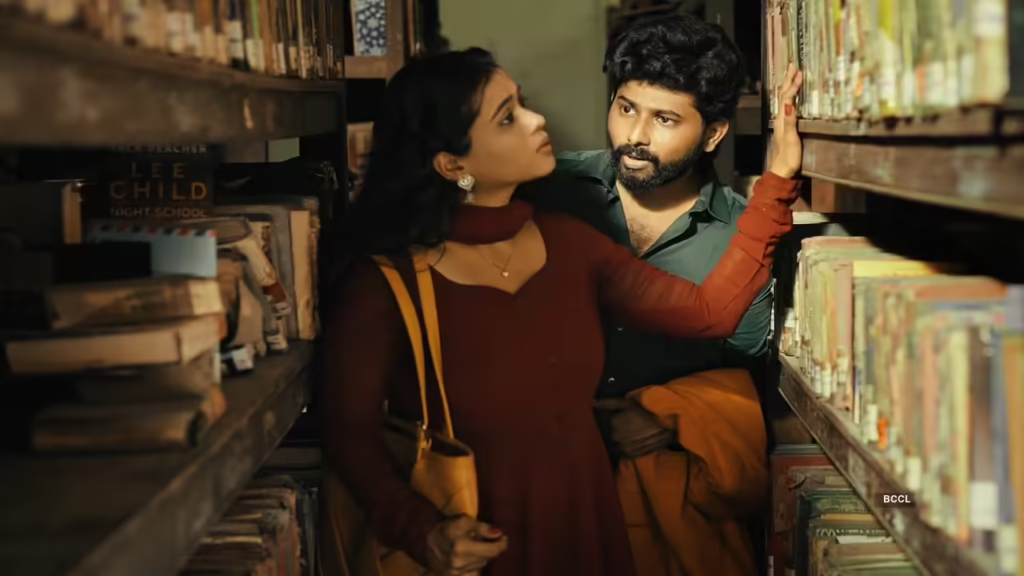
At its core, Dear Radhi is a romantic comedy—but calling it just that would be like calling a thunderstorm “some weather.” The film’s genius lies in its deceptively simple premise: Madhan (Saravana Vickram), a man whose social anxiety around women has rendered him completely dysfunctional, pays Radhi (Hasli Amaan), a prostitute, to spend 24 hours with him after their initial transaction. What begins as a financial arrangement becomes something neither expected.
But this isn’t your typical “hooker with a heart of gold” narrative. Radhi agrees partly because she needs money, partly because an unhinged man named Varadhan (Rajesh Balachandiran) is hunting her down with terrifying single-mindedness. Add a police officer whose gun she stole during another encounter, and you’ve got a pressure cooker of intersecting desperation.
The 24-hour timeframe becomes essential—just enough time for walls to crack, not enough for anyone to pretend they’re someone they’re not. In that compressed space, with Varadhan’s threat looming and circumstances spiraling beyond control, something genuine emerges. Not despite the chaos, but because of it.
Performances: Every Actor Shines in Their Unique Way
Rajesh Balachandiran: Absolute Showstopper
This Dear Radhi movie review must begin with the obvious: Rajesh Balachandiran delivers a performance that will be studied and quoted long after plot details fade. His Varadhan is a loose cannon in the most literal sense—a man so obsessed with tracking down Radhi that he takes a lodge receptionist hostage, transforming a simple search into a one-man psychological siege.
Watch him interrogate his hostage with the intensity of someone solving a murder while simultaneously radiating dark comedy energy. It’s a high-wire act that could fail spectacularly in wrong hands—too much menace becomes unwatchable, too much comedy defangs the threat. Balachandiran walks that tightrope blindfolded and backwards, creating a character who’s simultaneously terrifying and somehow entertaining.
The film is elevated immeasurably by his work. Every time Varadhan appears, the energy shifts, the stakes escalate, and suddenly the comedy-romance transforms into something with real danger. That’s masterclass acting.
Saravana Vickram: Promising Debut Built on Vulnerability
Making your big-screen debut is nerve-wracking. Making it as a character whose defining trait is crippling social anxiety? That requires courage most newcomers don’t possess. Saravana Vickram brings exactly the vulnerability Madhan needs, creating a protagonist who’s painfully, recognizably human.
Does he possess the overwhelming screen presence of established stars? Not yet. There are extended sequences where you wish for additional charisma or intensity. But what he lacks in raw magnetism, he compensates through sheer honesty. This is a lived-in performance that prioritizes truth over impression, and that choice serves the film beautifully.
Hasli Amaan: Grounding the Chaos
Hasli Amaan has the most challenging role in Dear Radhi—creating a character who could easily become a stereotype or plot device, then ensuring she remains a fully realized person with agency and complexity. Radhi is a prostitute, yes, but Amaan refuses to play her as tragic victim, sassy stereotype, or redemption project.
Her chemistry with Vickram develops organically rather than being manufactured through romantic clichés. They’re two people discovering unexpected comfort in shared strangeness, and Amaan plays those moments with touching restraint. The quiet scenes where walls begin cracking land because she’s built a character with actual walls to crack.

Supporting Cast: Solid Foundations Throughout
The ensemble surrounding the central trio performs with professional competence that elevates every scene they inhabit. The lodge receptionist caught in Varadhan’s obsessive hunt brings appropriate terror and bewilderment, creating genuine tension in what could have been throwaway moments. You feel his fear because the performance makes it real.
Every supporting character—from casual encounters Madhan and Radhi have during their 24 hours together to the various people drawn into Varadhan’s wake—contributes to the film’s lived-in quality. They feel like real people caught in extraordinary circumstances rather than archetypes filling predetermined narrative slots. That consistency across the entire cast creates a believable world where the central absurdity feels possible.
Direction and Vision: Trusting the Chaos
Praveen makes bold choices that define Dear Radhi’s unique appeal, and the boldest is this: he gives his characters and actors room to improvise, discover, and breathe rather than forcing predetermined beats. This approach creates an organic quality that Tamil romantic comedies rarely achieve—a sense that scenes are happening rather than being performed.
The film feels genuinely alive. You can almost sense the actors finding moments in real-time, responding to each other instinctively rather than hitting scripted marks. That improvisational energy generates surprise even when the broad trajectory is predictable. Conversations take unexpected turns. Comedic moments emerge from character rather than setup-punchline structure. Emotional beats feel discovered rather than manufactured.
Despite these missteps, Praveen’s debut announces a filmmaker with distinctive vision and willingness to take creative risks. The improvisational approach, the trust in actors, the commitment to messy authenticity over polished formula—these choices position him as someone making genuinely interesting Tamil cinema.
Technical Brilliance: Serving Story Over Spectacle
Cinematography: Grounded Intimacy
The visual approach in Dear Radhi prioritizes intimacy and realism over flashy technique, and that choice serves the narrative perfectly. The cinematography maintains a grounded aesthetic that complements the improvisational energy rather than fighting against it.
What’s particularly effective is how the cinematography remains unobtrusive during character moments. The camera observes rather than performs, allowing performances to breathe without competing for attention. In a film built on organic interaction, that restraint becomes essential. We’re watching people, not watching a movie about people—a crucial distinction the cinematography maintains consistently.
Music and Background Score: Knowing When to Step Back
The musical choices demonstrate sophisticated understanding of when to amplify and when to disappear. The background score enhances comedic timing without overwhelming it, knowing that silence often serves humor better than constant musical commentary.
During emotional moments, the score provides support without dictating how to feel. It suggests rather than demands, trusting the performances and writing to carry weight. That restraint creates genuine emotional impact in key scenes—moments land because they’re earned through character work, not manufactured through swelling strings.
The occasional musical interludes feel integrated rather than interrupting narrative flow, maintaining the film’s momentum even during traditional song sequences.
Editing: Maintaining Improvisational Energy
Keeping a film with Dear Radhi’s improvisational approach from becoming shapeless requires precise editing instincts. For the most part, the editing succeeds beautifully. Scenes that could drag are cut at exactly the right moment, preserving spontaneity while maintaining pace.
There are moments—particularly in that slow opening act and the confusing ending—where tighter cuts would significantly improve the experience. But these represent minor inefficiencies in an otherwise well-constructed film that preserves its improvisational soul while maintaining narrative coherence.
Production Design: Believable Worlds
The production values create authentic environments without drawing unnecessary attention. Lodge interiors feel genuinely lived-in with accumulated grime and wear. Street locations capture real urban texture. Various settings the characters move through possess specific, believable detail.
The design choices support the narrative’s grounded approach, avoiding both excessive polish that would feel artificial and deliberate grittiness that would seem affected. Everything exists in that sweet spot of “this is how these places actually look,” which keeps viewers immersed in the story rather than conscious of production craft
Cultural Context: Universal Truths Through Specific Lens
Unlike films that depend heavily on regional references for their humor, Dear Radhi tells a story with universal emotional resonance. The social anxiety, the transactional relationship evolving into connection, the chaos of circumstances spiraling beyond control—these elements transcend language and cultural specificity.
This balance—specificity without exclusivity—demonstrates Praveen’s confidence in his story. He’s not trying to be everything to everyone, but he’s also not creating something so insular that it alienates broader audiences. Dear Radhi feels both distinctly itself and widely relatable, a difficult balance many films attempt and few achieve.
Strengths and Minor Weaknesses
What Works Magnificently
- Rajesh Balachandiran’s career-defining performance – Scene-stealing work that elevates every moment he’s present
- Improvisational energy creating genuine surprise – Scenes feel alive and unpredictable in the best way
- Organic relationship development – Romance builds through shared experience rather than manufactured beats
- Technical restraint serving story – Cinematography, editing, and music support without overwhelming
- Authentic emotional honesty – Film commits to messy human connection over polished formula
Where It Could Improve
- Opening act drags significantly – Takes too long establishing characters before central arrangement begins
- Fourth-wall breaking feels unnecessary – Madhan’s commentary interrupts organic flow and adds little insight
- Confusing ending lacks clarity – Madhan’s sudden panic and flight needs better explanation or intentional ambiguity
- Logical shortcuts prioritize convenience – Some plot mechanics feel manufactured rather than organic
Final Verdict: 4.5/5 Stars ⭐⭐⭐⭐
Dear Radhi is exactly what Tamil romantic comedy needs right now—a film that remembers taking creative risks can yield genuine rewards, that audiences appreciate authenticity over polish, and that the space between comedy and honest emotion is where connection happens.
This Dear Radhi movie review celebrates a film that succeeds spectacularly despite its imperfections. Yes, the opening drags. Yes, the fourth-wall breaks are unnecessary. Yes, the ending confuses rather than satisfies. But these are minor complaints about a film that swings boldly, entertains consistently, and features some of the year’s most memorable performances.
Rajesh Balachandiran delivers work that will be quoted and remembered long after plot details fade—the kind of performance that reminds you why cinema exists. Saravana Vickram announces himself as a talent worth watching, bringing vulnerability and commitment to challenging debut material. Hasli Amaan ensures Radhi remains a fully realized person rather than just the catalyst for the male protagonist’s growth.
For Praveen, this debut announces a filmmaker willing to trust chaos, embrace improvisation, and prioritize authentic human moments over manufactured romance. His willingness to let actors discover scenes organically, to embrace logical loopholes when they serve emotional truth, to value messiness over polish—these are the marks of someone making genuinely interesting cinema.
The Return of Authentic Romance
There’s specific joy in watching a romantic comedy that refuses to follow the formula. In a genre increasingly dominated by recycled beats and risk-averse storytelling, Dear Radhi feels like a revelation—or perhaps more accurately, like someone remembered that romance works best when it emerges from genuine human connection rather than scripted inevitability.
The madness is intentional. The improvisation is the point. And somewhere in all that controlled chaos is a genuine love letter to messy, awkward, beautiful human connection—flawed, audacious, and absolutely unforgettable.
For viewers exhausted by predictable romance, for audiences seeking performances that prioritize authenticity over glamour, for anyone who appreciates films willing to embrace imperfection in pursuit of genuine emotion—Dear Radhi offers something genuinely valuable. Walk in expecting another formulaic entertainer. Walk out having witnessed something refreshingly, messily, wonderfully alive.
