
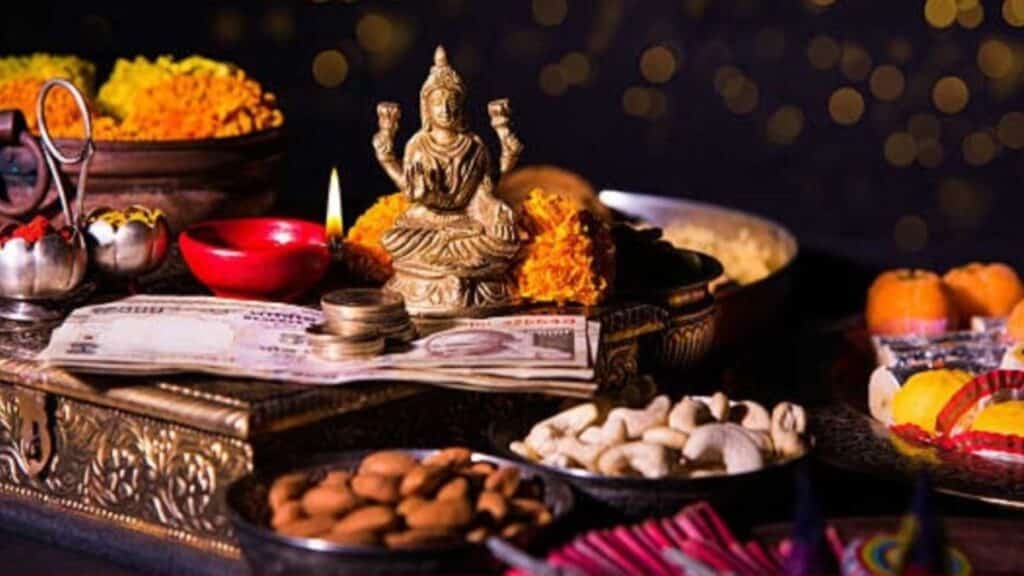
Dhanteras is one of the most auspicious Indian Festival, marking the beginning of the five-day Diwali celebrations. Popularly known as the festival of gold and prosperity, Dhanteras is observed on the 13th lunar day (Trayodashi) of Krishna Paksha in the Hindu month of Kartik. The name itself carries deep meaning — Dhan means wealth, and Teras refers to the thirteenth day — together representing the most favourable moment of the year to invite prosperity into one’s home.
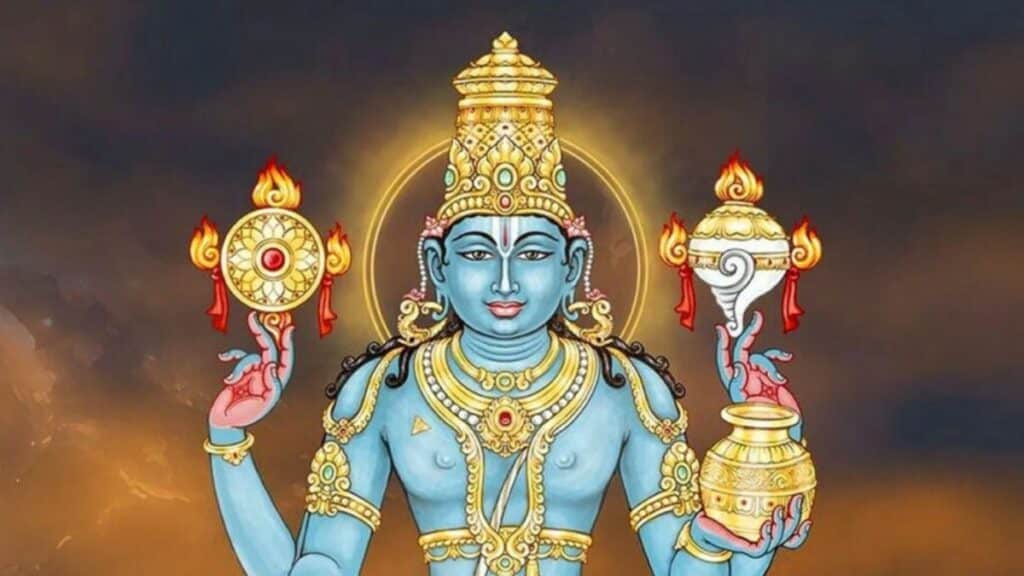
The spiritual heart of Dhanteras lies in the worship of three divine forces: Goddess Lakshmi, the deity of wealth; Lord Kubera, the celestial treasurer; and Lord Dhanvantari, the divine physician and father of Ayurveda. This unique combination reminds us that true wealth encompasses both material abundance and good health. The festival is observed by lighting diyas, performing Lakshmi-Kubera puja, purchasing gold or silver, and keeping lamps burning through the night as offerings to Yama, the god of death.
The Government of India has officially designated Dhanteras as National Ayurveda Day, observed annually since 2016, further cementing its significance beyond households and into national life.
When Is Dhanteras Celebrated in 2026?
Dhanteras is celebrated on the 13th day of the waning moon (Krishna Paksha Trayodashi) in the Hindu month of Kartik, which typically falls in October or November.
Dhanteras in India 2026 Dates
Day 1 — Dhanteras (Dhanatrayodashi): Friday, November 6, 2026
- Puja Muhurat (IST): 6:02 PM – 7:57 PM
- Pradosh Kaal: 5:33 PM – 8:09 PM
- Vrishabha Lagna (Sthir): 6:02 PM – 7:57 PM
- Trayodashi Tithi Begins: 10:30 AM, Nov 6 | Ends: 10:47 AM, Nov 7
Day 2 — Naraka Chaturdashi (Choti Diwali): Saturday, November 7, 2026
Day 3 — Diwali / Lakshmi Puja: Sunday, November 8, 2026
Day 4 — Govardhan Puja: Monday, November 9, 2026
Day 5 — Bhai Dooj: Tuesday, November 10, 2026
The exact dates vary each year based on the lunar calendar, making Dhanteras a moveable festival rather than a fixed-date event.
Table of Contents
Dhanteras In USA, Canada, Australia, New Zealand, UK, UAE, Singapore 2026 Dates
Dhanteras Puja on Friday, November 6, 2026
- Dhanteras Puja Muhurat – 05:12 PM to 07:00 PM
- Yama Deepam on Friday, November 6, 2026
Dhanteras Puja on Friday, November 6, 2026
- Dhanteras Puja Muhurat – 05:25 PM to 07:11 PM
- Yama Deepam on Friday, November 6, 2026
Dhanteras Puja on Friday, November 6, 2026
- Dhanteras Puja Muhurat – 08:23 PM to 09:42 PM
- Yama Deepam on Friday, November 6, 2026
Dhanteras Puja on Friday, November 6, 2026
- Dhanteras Puja Muhurat – 04:43 PM to 06:20 PM
- Yama Deepam on Friday, November 6, 2026
Dhanteras Puja on Friday, November 6, 2026
- Dhanteras Puja Muhurat – 06:06 PM to 08:04 PM
- Yama Deepam on Friday, November 6, 2026
Dhanteras Puja on Friday, November 6, 2026
- Dhanteras Puja Muhurat – 07:26 PM to 09:13 PM
- Yama Deepam on Friday, November 6, 2026
Why Do Dhanteras Dates Change Every Year?
Dhanteras is calculated using the Hindu lunisolar calendar, not the Gregorian calendar. It always falls on the 13th day of the waning moon (Krishna Paksha Trayodashi) in the month of Kartik.
Since a lunar year is approximately 11 days shorter than a solar year, the Gregorian date shifts each year, cycling across October and November.
The puja muhurat is further determined by Pradosh Kaal (the post-sunset window), the presence of Vrishabha (Sthir) Lagna, and the active Trayodashi Tithi at the time of the ritual.
Dhanteras Other Names and Regional Identities
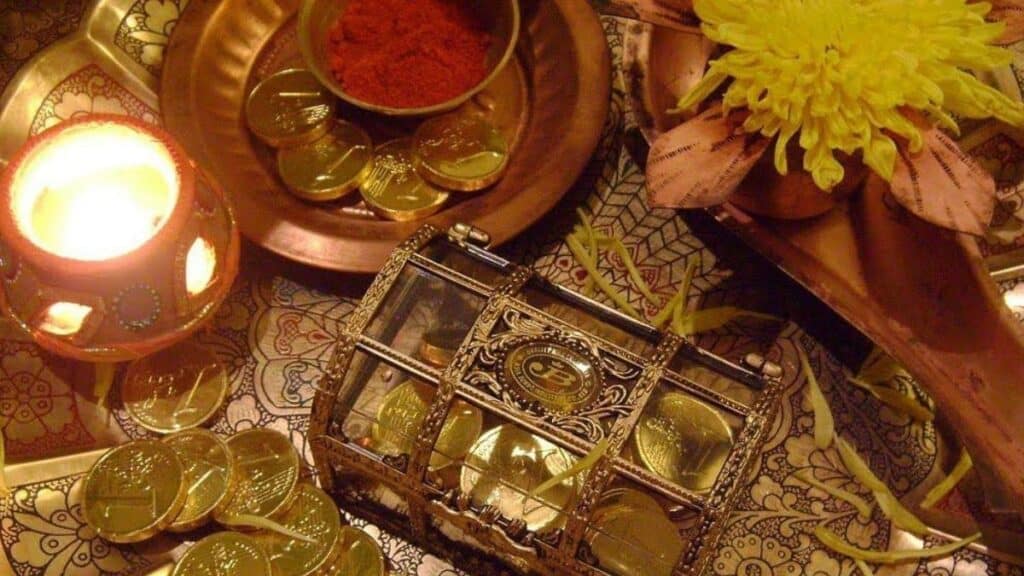
Common Names: Dhanteras — Standard name used across India and internationally.
- Dhanatrayodashi — Formal Sanskrit and Hindu calendar name.
- Dhanvantari Trayodashi — Name emphasizing the birth anniversary of the Ayurvedic deity.
- Dhanvantari Jayanti — Used in medical and Ayurvedic communities.
- National Ayurveda Day — Official Government of India designation since 2016.
Regional and Cultural Variants:
- Dhanyateras (Jainism) — The Jain name meaning “the auspicious thirteenth,” linked to Mahavira’s final meditation before Moksha.
- Tihar, Day 1 (Nepal) — In Nepal, Dhanteras is the first day of Tihar, the five-day festival equivalent to Diwali.
- In Tamil-speaking South India, the day is known as Dhanatrayodashi and is particularly associated with the preparation of marundu (Ayurvedic medicinal preparations).
- In Gujarati tradition, the day is observed as the eve of the Gujarati New Year and is accompanied by Chopda Puja — the worship of new business account books.
The Origins, History, and Legends of Dhanteras
Dhanteras is one of the most ancient observances in the Hindu calendar, with its origins described in the Vishnu Purana (Adhyaya 9, shlokas 31–108). The festival carries two primary mythological foundations.
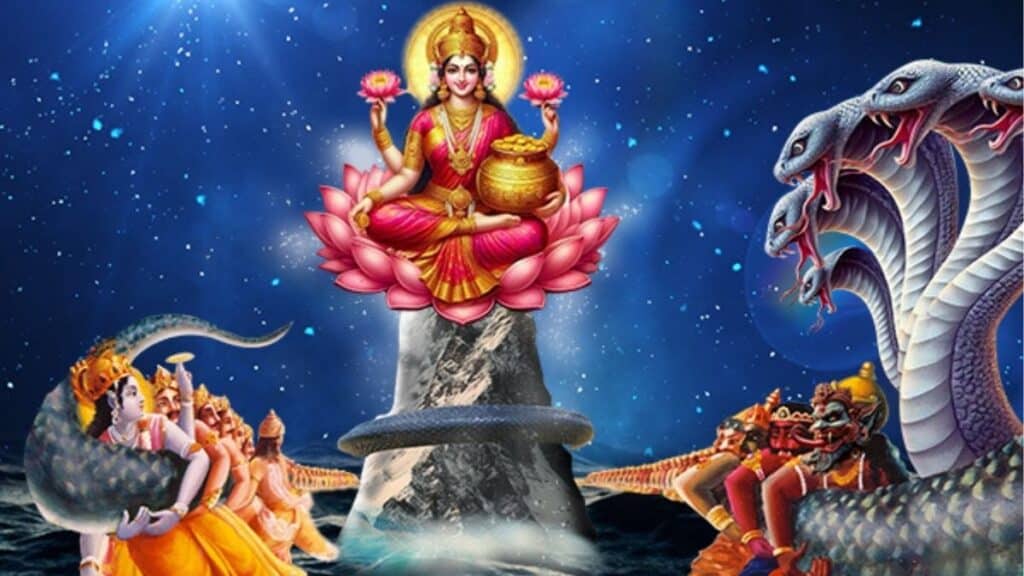
The most celebrated legend is that of the Samudra Manthana — the churning of the cosmic ocean by the Devas and Asuras in search of Amrita, the nectar of immortality. It was on the thirteenth lunar day that Lord Dhanvantari emerged from the ocean depths, carrying a golden pot of Amrita in one hand and the sacred texts of Ayurveda in the other.
Alongside him, Goddess Lakshmi and Lord Kubera emerged with treasures of gold. This divine appearance is the foundation of both the worship of Dhanvantari and the tradition of purchasing precious metals on this day, believed to invite those cosmic energies of wealth and health into the home.
The second major legend tells of the sixteen-year-old son of King Hima, whose horoscope predicted death by snakebite on the fourth night of his marriage. His devoted bride refused to accept this fate. She laid out all her gold and silver ornaments at the entrance of their bedchamber and lit hundreds of oil lamps, flooding the doorway with light.
She sang songs through the night to keep her husband awake. When Yama arrived in the form of a serpent, he was dazzled by the brilliance of the lamps and the jewellery, climbed atop the heap of coins, and sat listening to the music until dawn — when he silently withdrew.
This story gave rise to the practice of Yamadipadana — the lighting of 13 south-facing diyas through the night — as a protection against untimely death.
Dhanteras: Cultural and Spiritual Significance
Dhanteras embodies a layered philosophy: it celebrates prosperity, but beneath the gold and the diyas lies a deeper conversation about the nature of true wealth.
The simultaneous worship of Dhanvantari (health), Lakshmi (abundance), and Kubera (material wealth) reflects the Hindu understanding that Dhan is far more than money — good health is the first form of wealth, and material prosperity is meaningful only when rooted in dharma.
The themes of cleansing, renewal, and the removal of darkness run through every ritual. Homes are scrubbed and whitewashed before Dhanteras.
Rangoli patterns welcome divine forces. Lamps burning through the night are an act of defiance against death and darkness. Historically, the festival also marked the end of the harvest season — a time of gratitude for the earth’s bounty — and the closing of the merchant community’s annual accounts, making it both an agricultural and commercial new beginning.
Dhanteras Prayers and Religious Observances
Dhanteras puja is ideally performed during Pradosh Kaal (post-sunset) when the Vrishabha Lagna (Sthir Lagna) prevails. The Sthir (fixed) nature of this zodiac sign is believed to anchor Lakshmi’s blessings permanently within the home. The Choghadiya muhurat is not recommended for puja — it is suited only for travel.
Devotees clean the home, draw Lakshmi’s footprints with rice flour from the front door inward, and install idols of Ganesha, Lakshmi, Kubera, and Dhanvantari on the altar. Offerings include flowers, incense, sweets, and the newly purchased gold or silver items. A mixture of jaggery and dried coriander seeds (dhania) is the traditional Naivedya offering. The puja concludes with the Lakshmi and Kubera Aarti.
Key mantras chanted include the Dhanvantari Mantra (Om Namo Bhagavate Vasudevaya Dhanvantaraye…) for health and healing, and the Kubera Mantra (Om Yakshyaya Kuberaya Vaishravanaaya…) for wealth and prosperity.
The Yama Deepam ritual involves lighting 13 wheat-flour diyas facing south at the main entrance, kept burning all night as an offering to Yama to protect the family from untimely death.
While many families perform puja at home, temples conduct special Dhanvantari Jayanti programmes, and Ayurvedic institutions hold public health camps in recognition of National Ayurveda Day.
How Dhanteras Is Celebrated Across India

While the spirit of Dhanteras is universal, its expressions differ meaningfully across India’s regions.
In North India, Dhanteras is a day of immense commercial and ritual energy. Markets overflow with gold, silver, and brassware. Families visit jewellery stores from early morning. The Yama lamp tradition is strongest here, with 13 diyas lit and placed facing south at dusk.
In Maharashtra, women prepare the unique Naivedya of lightly pounded dried coriander seeds mixed with jaggery. Purchasing brooms (jhadu) is especially popular, symbolising the sweeping away of poverty and the arrival of Lakshmi.
In Gujarat, Dhanteras is the eve of the Gujarati New Year. Families enjoy a meal of daal baati and malpua, and merchants perform Chopda Puja — the worship of new account books — to begin fresh financial cycles.
In Tamil Nadu and South India, Brahmin women prepare marundu — herbal Ayurvedic preparations made from dried ginger, pepper, asafoetida, and rock salt — offered during puja and consumed before sunrise on Naraka Chaturdashi. These treasured recipes are passed down through generations.
In Rajasthan and rural India, farmers adorn their cattle with flowers and colours and worship them as the primary source of livelihood, with folk songs (Dhanteras geet) sung through the evening.
Participation Across Religions in India
Dhanteras, like Diwali, has evolved into a cultural celebration that transcends religious boundaries in modern India. While its roots are firmly Hindu and Jain, the festive atmosphere is shared across communities.
In Jainism, the day is observed as Dhanyateras — a day of spiritual reflection and charitable giving, linked to Mahavira’s meditative state before Moksha. Sikh communities in North India participate warmly in the Diwali-season festivities given the historical significance of the period in Sikh tradition.
In many urban neighbourhoods, families from Muslim, Christian, and other communities join in the festive spirit by exchanging sweets and lighting lamps — reflecting India’s pluralistic fabric. The universal themes of welcoming prosperity, protecting loved ones, and celebrating light resonate across all faiths.
How Dhanteras Is Celebrated Outside India
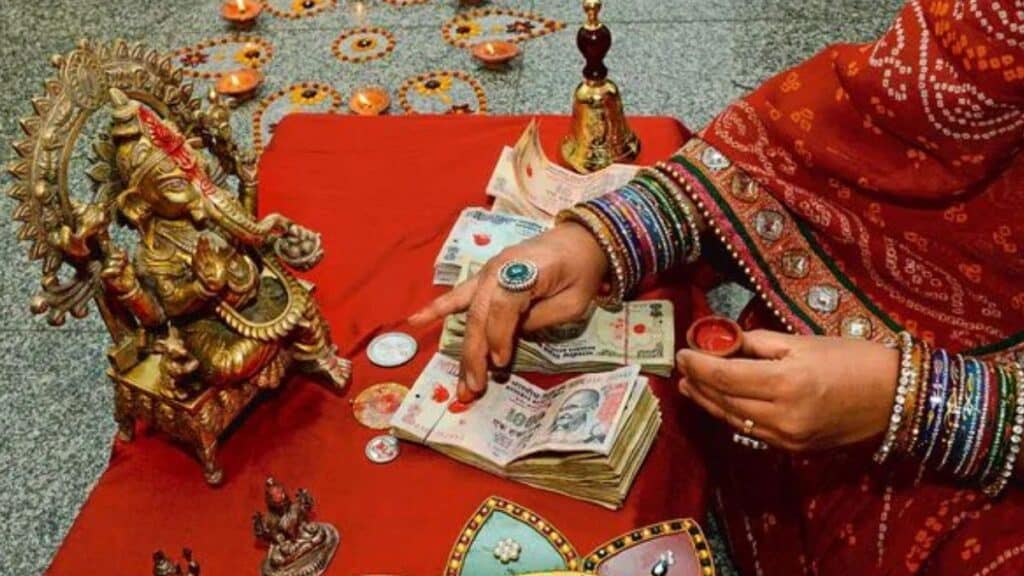
Indian diaspora communities across the United States, Canada, the UK, Australia, the Middle East, Singapore, and beyond celebrate Dhanteras through:
- Temple pujas and Lakshmi-Kubera puja programmes
- Community Dhanteras bazaars featuring gold, silver, diyas, and traditional goods
- Gold purchases at Indian jewellers or through digital gold platforms
- Family gatherings with traditional foods and aarti
- Cultural and festive events at Indian community organisations
Since Dhanteras in 2026 falls on a Friday, many diaspora communities will host the main events on the same evening, with additional weekend programmes on Saturday, November 7, to allow maximum participation.
Dhanteras Gifting Traditions
Dhanteras is among the most significant gift-giving occasions in the Hindu calendar. Any valuable item acquired on this day is believed to multiply in worth over the coming year. Gold jewellery and coins remain the most cherished gifts, symbolising the eternal presence of Lakshmi. Silver utensils, decorative diyas, Lakshmi-Ganesha idols, Ayurvedic hampers, and traditional mithai boxes are also popular exchanges among family and friends.
One important belief: never gift an empty vessel on Dhanteras. Utensils should be filled with rice, water, or sweets before being given, ensuring they carry abundance rather than emptiness.
In the diaspora and among urban Indians, gifting has evolved to include electronic appliances, digital gold, mutual fund investments, and luxury festive hampers combining sweets, artisanal diyas, and Ayurvedic skincare — contemporary expressions of the same timeless tradition., simplicity, environmental consciousness—avoiding ostentation and preferring natural, useful items.
Dhanteras Foods and Culinary Traditions
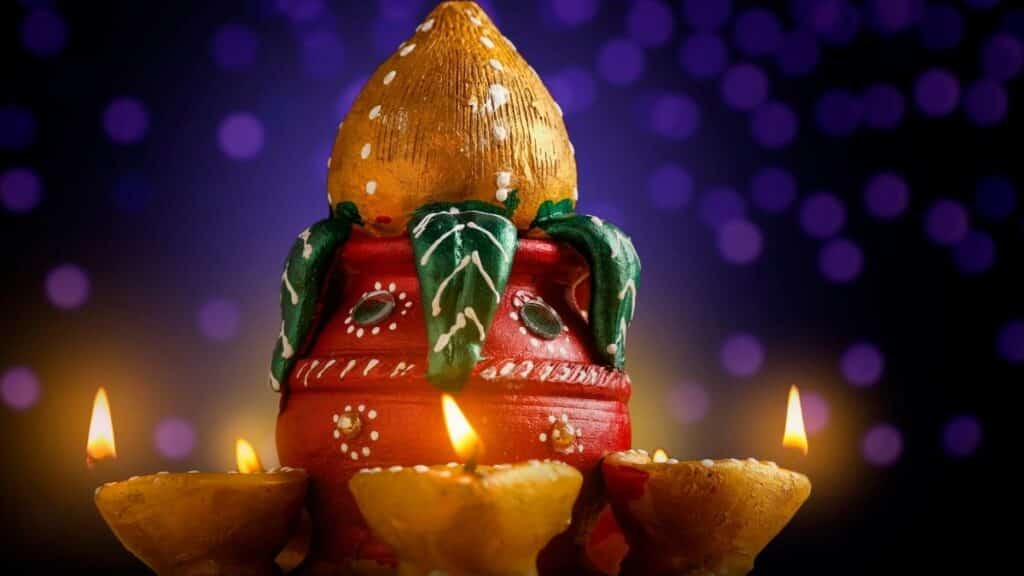
Food on Dhanteras is an expression of devotion, hospitality, and seasonal celebration. Common preparations include:
Kheer — Rice and milk pudding offered as Naivedya to Lakshmi and Kubera; a universal symbol of sweetness and prosperity.
Malpua — Sweet fried pancakes; a staple Dhanteras dessert in Gujarati and Rajasthani households.
Dhania-Gur — Dried coriander seeds mixed with jaggery; the traditional puja offering, especially in Maharashtra and South India.
Daal Baati — Lentil curry with baked wheat dumplings; the classic Gujarati Dhanteras dinner welcoming the New Year.
Mathri, Chakli & Jalebi — Savoury and sweet festive snacks prepared ahead of the Diwali season and shared with guests and neighbours.
In Tamil Brahmin households, marundu — a medicinal herbal preparation — holds a place of special importance, consumed before sunrise on Naraka Chaturdashi to cleanse and strengthen the body at the start of winter.ware while maintaining ingredient authenticity, accepting gas stoves when wood is unavailable.
Dhanteras : Music, Art, and Cultural Expression
Music and visual art are central to Dhanteras as the gateway to the Diwali season. Bhajans dedicated to Goddess Lakshmi, Lord Kubera, and Lord Dhanvantari fill households through the evening puja. The Kubera Aarti (Om Jai Yaksha Kuber Hare) and Lakshmi Aarti are sung across homes and temples. In Rajasthan and Madhya Pradesh, folk songs called Dhanteras geet narrate the legends of Yama’s visit and the wise bride who outfoxed death.
Rangoli — intricate patterns drawn with rice flour, coloured powder, or flower petals — is the festival’s most vivid visual art form. Dhanteras designs typically feature Lakshmi’s footprints, lotuses, diyas, and geometric mandalas. In Rajasthan and Gujarat, mandana (white chalk patterns on the ground) is a distinctive folk art tradition tied to the occasion.
Dhanteras has also become a defining moment in Indian commercial and popular culture, with Bollywood films traditionally releasing on this date, and India’s jewellery, automotive, and electronics industries building their largest campaigns around this single day each year.
Dhanteras’s Modern Relevance and Cultural Continuity
Dhanteras in 2026 is both ancient and thoroughly contemporary. While the puja rituals and their spiritual intent remain intact, how families observe the festival has evolved. An increasing number of households choose eco-conscious practices — earthen diyas over plastic decorations, organic rangoli with flower petals, locally made clay idols, and homemade mithai over packaged sweets.
Purchasing gold has moved far beyond jewellery shops. Digital gold platforms, Sovereign Gold Bonds, and gold ETFs are now mainstream options, particularly among younger generations and NRIs who honour the Dhanteras tradition in contemporary financial form.
Common greetings include “Shubh Dhanteras!”, “Happy Dhanteras 2026!”, and “Dhanatrayodashi ki Shubhkamanaen!”
On social media, families share images of their puja setups, newly purchased gold, and rangoli. A warm traditional wish: “May Goddess Lakshmi and Lord Dhanvantari bless your home with wealth, health, and eternal light this Dhanteras 2026.”
Cultural Reflection
Dhanteras endures not because of the gold that changes hands or the appliances that fill shopping carts, but because of the profound human desire it represents — to welcome prosperity, protect loved ones, and acknowledge that health is the deepest wealth of all. In the flame of a single earthen diya placed at a doorstep, all of that meaning flickers alive. Whether observed in a village in Rajasthan, a temple in New Jersey, a living room in Singapore, or a flat in London, Dhanteras carries forward a conversation that is centuries old: light in the darkness, abundance in scarcity, and hope at the turning of the year.