
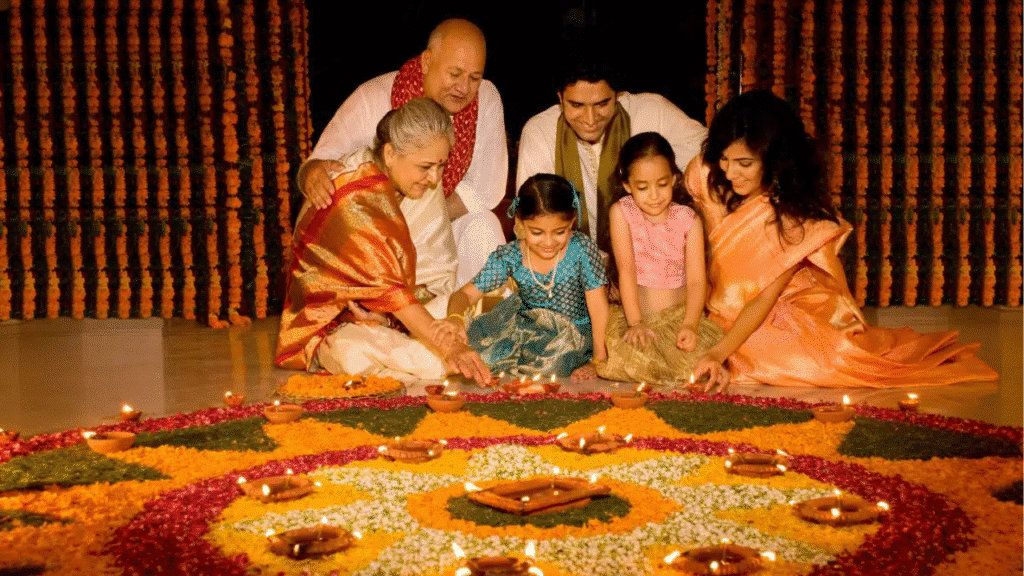
Diwali, also known as Deepavali, is India’s most celebrated festival of lights, symbolizing the triumph of light over darkness, good over evil, and knowledge over ignorance. Observed across India and by millions worldwide, Diwali marks a time of spiritual renewal, family reunions, and joyous celebrations filled with lamps, prayers, feasts, and fireworks.
Rooted in ancient Hindu traditions, Diwali commemorates the return of Lord Rama to Ayodhya after defeating the demon king Ravana, celebrated by lighting oil lamps to guide his path home. The festival is also associated with Goddess Lakshmi, the deity of wealth and prosperity, and Lord Ganesha, the remover of obstacles.
Diwali is primarily a Hindu festival, but it transcends religious boundaries—Jains celebrate Mahavira’s nirvana, Sikhs observe Bandi Chhor Divas, and Newar Buddhists worship Lakshmi. The five-day celebration brings together families and communities in a spirit of gratitude, forgiveness, and hope for new beginnings.
When Is Diwali Celebrated in 2026?
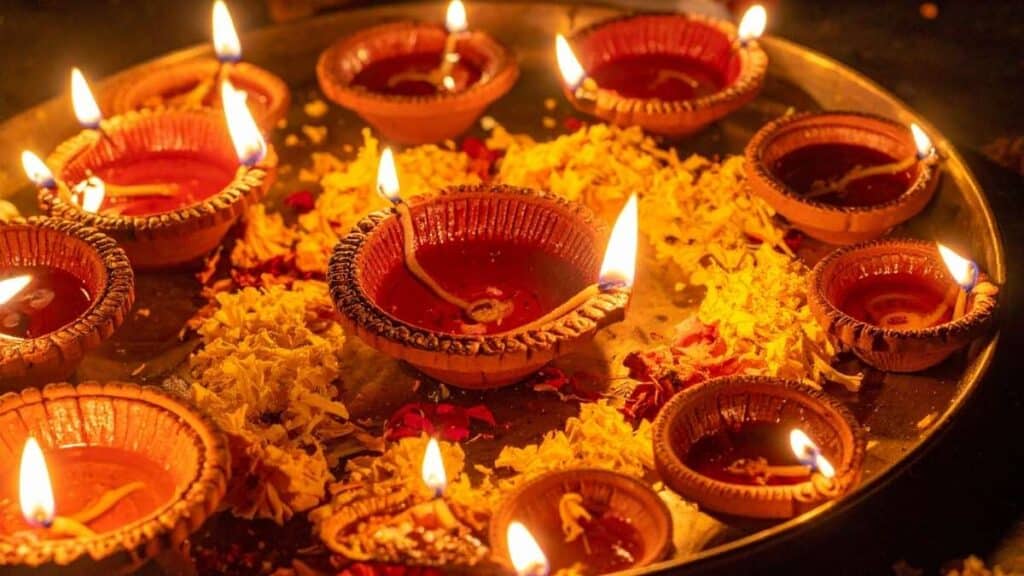
Diwali is celebrated on the new moon day (Amavasya) of the Hindu lunar month of Kartik, which typically falls between mid-October and mid-November.
Diwali In India 2026 Dates
Day 1: Govatsa Dwadashi / Vasu Baras will be celebrated on Thursday, November 5, 2026 in India – Pre-Diwali day celebrated in Maharashtra and parts of North India honoring cattle.
Day 2: Dhanteras / Dhantrayodashi will be celebrated on Friday, November 6, 2026 in India – The festival begins with worship of Goddess Lakshmi and Lord Dhanvantari, marking prosperity and health.
Day 3: Kali Chaudas / Hanuman Puja will be celebrated on Saturday, November 7, 2026 in India – Day dedicated to protection from negative energies, celebrated especially in Gujarat.
Day 4: Naraka Chaturdashi / Lakshmi Puja / Main Diwali will be celebrated on Sunday, November 8, 2026 in India – The main day of Diwali when homes are illuminated with diyas and prayers are offered to Lakshmi.
Lakshmi Puja Timing for Delhi:
- Lakshmi Puja Muhurat: 05:54 PM to 07:50 PM
- Duration: 01 Hour 56 Mins
- Pradosh Kaal: 05:31 PM to 08:09 PM
- Vrishabha Kaal: 05:54 PM to 07:50 PM
- Amavasya Tithi Begins: 11:27 AM on November 8, 2026
- Amavasya Tithi Ends: 12:31 PM on November 9, 2026
Day 5: Diwali Snan / Diwali Devpuja will be celebrated on Monday, November 9, 2026 in India – Amavasya day with ritual bath and deity worship.
Day 6: Govardhan Puja / Padwa / Gujarati New Year will be celebrated on Tuesday, November 10, 2026 in India – Celebrates Krishna lifting Govardhan mountain and marks new beginnings.
Day 7: Bhai Dooj / Bhau Beej will be celebrated on Wednesday, November 11, 2026 in India – Honors the sacred bond between brothers and sisters.
The exact dates vary each year based on the lunar calendar, making Diwali a movable festival rather than a fixed-date event.alendar and nakshatra positions, making Onam timing consistent with seasonal harvest cycles. birth at noon and is considered the most sacred time for worship and puja.
Table of Contents
Diwali In USA, Canada, Australia, New Zealand, UK, UAE, Singapore 2026 Dates
Lakshmi Puja on Sunday, November 8, 2026
- Lakshmi Puja Muhurat – 05:04 PM to 06:52 PM
- Amavasya Tithi Begins – 12:57 AM on Nov 08, 2026
- Amavasya Tithi Ends – 02:01 AM on Nov 09, 2026
Lakshmi Puja on Sunday, November 8, 2026
- Lakshmi Puja Muhurat – 05:17 PM to 07:03 PM
- Amavasya Tithi Begins – 12:57 AM on Nov 08, 2026
- Amavasya Tithi Ends – 02:01 AM on Nov 09, 2026
Lakshmi Puja on Sunday, November 8, 2026
- Lakshmi Puja Muhurat – 08:15 PM to 09:43 PM
- Amavasya Tithi Begins – 04:57 PM on Nov 08, 2026
- Amavasya Tithi Ends – 06:01 PM on Nov 09, 2026
Lakshmi Puja on Sunday, November 8, 2026
- Lakshmi Puja Muhurat – 04:35 PM to 06:12 PM
- Amavasya Tithi Begins – 05:57 AM on Nov 08, 2026
- Amavasya Tithi Ends – 07:01 AM on Nov 09, 2026
Lakshmi Puja on Sunday, November 8, 2026
- Lakshmi Puja Muhurat – 05:58 PM to 07:56 PM
- Amavasya Tithi Begins – 09:57 AM on Nov 08, 2026
- Amavasya Tithi Ends – 11:01 AM on Nov 09, 2026
Lakshmi Puja on Sunday, November 8, 2026
- Lakshmi Puja Muhurat – 07:19 PM to 09:13 PM
- Amavasya Tithi Begins – 01:57 PM on Nov 08, 2026
- Amavasya Tithi Ends – 03:01 PM on Nov 09, 2026
Why Diwali Dates Change Every Year?
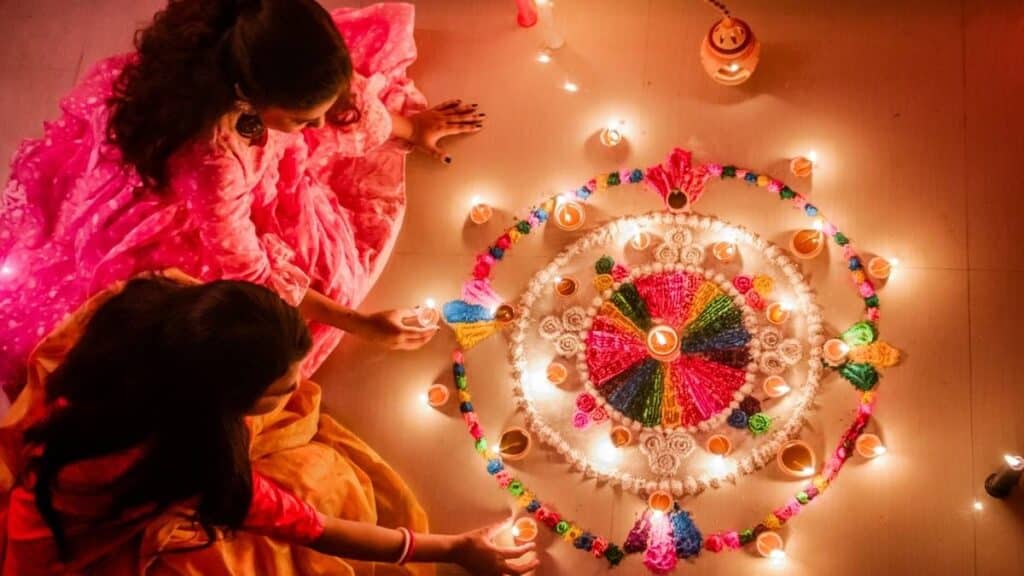
Diwali is celebrated based on the Hindu lunisolar calendar, not the Gregorian calendar.
It falls on the new moon (Amavasya) of Kartik month, which usually occurs in October or November.
Since lunar months are shorter than solar months:
- Diwali’s date shifts every year on the Gregorian calendar
- Timing depends on moon position and local sunrise
- A lunar year is about 11 days shorter than a solar year
- Ritual timings are calculated using planetary positions and tithis (lunar days)
How is Lakshmi Puja Muhurat Decided?
The timing of Lakshmi Puja is decided based on Amavasya Tithi and Pradosh Kaal (the period after sunset), as per Hindu scriptures and Vedic astrology.
- First preference is given to performing Lakshmi Puja during Pradosh Kaal when Amavasya Tithi is active
- The puja should ideally be performed after sunset during Pradosh time
- The most auspicious time to do Diwali Puja is after sunset, even if it is available for one Ghati (approximately 24 minutes)
- Sthir Lagna (fixed ascendant) is considered most auspicious for Lakshmi Puja
- The day of Diwali Puja is decided when Amavasya Tithi prevails during Pradosh
- No other Diwali Puja Muhurat is as good as Puja Muhurat during Pradosh
Important Note: The Pradosh period after sunset on Amavasya is the most sacred time for Lakshmi worship, believed to bring maximum blessings of prosperity, wealth, and divine grace.
The Complete Diwali Calendar 2026 Explained
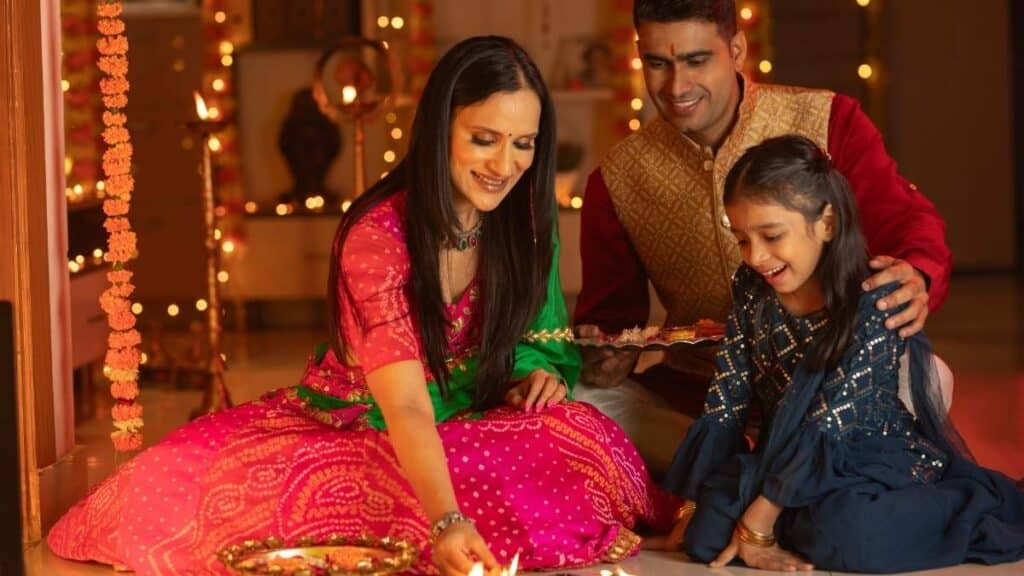
Diwali, which is also known as Deepavali, is the most famous festival of the year. Diwali is the multi-day festivity period which begins on Dhanteras and extends to Bhai Dooj. However, in Maharashtra Diwali festivities begin one day earlier on Govatsa Dwadashi while in Gujarat Diwali festivities begin two days earlier on Agyaras and culminate on Labh Panchami.
During the festivity period, various rituals are followed and with Goddess Lakshmi several other Gods and Goddesses are worshipped. However, Goddess Lakshmi is the most significant deity during Diwali Puja.
Day 1: Govatsa Dwadashi / Vasu Baras
Thursday, November 5, 2026
Tithi: Ekadashi to Dwadashi
Significance:
Celebrated primarily in Maharashtra and parts of North India. This day honors cattle, particularly cows and calves, which hold sacred significance in Hindu culture.
Rituals:
- Worship of cows and calves
- Feeding cattle with special food
- Decorating cattle with garlands and tilak
- Beginning of Diwali festivities in Maharashtra
Day 2: Dhanteras / Dhantrayodashi
Friday, November 6, 2026
Tithi: Dwadashi to Trayodashi
Meaning: “Dhan” means wealth, “Teras” means thirteenth day
Also Celebrated As:
- Dhanvantari Trayodashi — Worship of Lord Dhanvantari, god of health
- Yama Deepam — Lighting lamps to honor Yama, god of death
Significance:
Marks the official beginning of Diwali celebrations across India. Considered the most auspicious day to purchase gold, silver, utensils, and new items.
Rituals:
- Cleaning and decorating homes
- Lighting the first diyas
- Worship of Goddess Lakshmi and Lord Dhanvantari
- Creating rangoli at doorways
- Shopping for precious metals, utensils, and new items
- Lighting Yama Deepam — a southward-facing lamp to ward off untimely death
Traditional Belief:
Buying metal items on Dhanteras brings prosperity and good fortune throughout the year.
Day 3: Kali Chaudas / Hanuman Puja
Saturday, November 7, 2026
Tithi: Trayodashi to Chaturdashi
Also Known As:
- Kali Chaudas (Gujarat)
- Roop Chaudas (North India)
- Hanuman Puja day
Significance:
Day dedicated to protection from negative energies and evil spirits, celebrated especially in Gujarat and western India.
Rituals:
- Hanuman Puja — Worship of Lord Hanuman for strength and protection
- Kali worship — Honoring Goddess Kali to destroy negativity
- Lighting lamps to ward off evil spirits
- Preparing homes for main Diwali
- Major shopping day for sweets and festive foods
Regional Importance:
This day is particularly significant in Gujarat, where elaborate rituals are performed to protect households from negative influences.
Day 4: Naraka Chaturdashi / Lakshmi Puja / Main Diwali
Sunday, November 8, 2026
Tithi: Chaturdashi (transitioning to Amavasya in evening)
Also Celebrated As:
- Naraka Chaturdashi — Commemorates Krishna’s victory over Narakasura
- Tamil Deepavali — Main celebration day in South India
- Lakshmi Puja — Primary worship across India
- Kedar Gauri Vrat — Regional observance
- Chopda Puja — Business account book worship
- Sharda Puja — Worship of Goddess Saraswati
- Kali Puja — Main celebration in Bengal
Significance:
The most important day of Diwali—celebrated as the victory of good over evil. This is when Naraka Chaturdashi (Krishna’s victory) is commemorated.
Rituals:
- Abhyanga Snan: Pre-dawn ritual oil bath for purification
- Roop Chaudas: Beauty rituals with ubtan (beauty paste)
- Wearing new or finest clothes
- Preparing elaborate feasts and sweets
- Lakshmi Puja: Worship ceremony (though main Amavasya puja comes the next day)
- Creating elaborate rangoli designs
- Lighting diyas throughout the home
- Exchanging gifts and sweets
Regional Note:
In South India, this day (Naraka Chaturdashi) is often celebrated as the main Diwali, while North India celebrates the following Amavasya day as main Diwali.
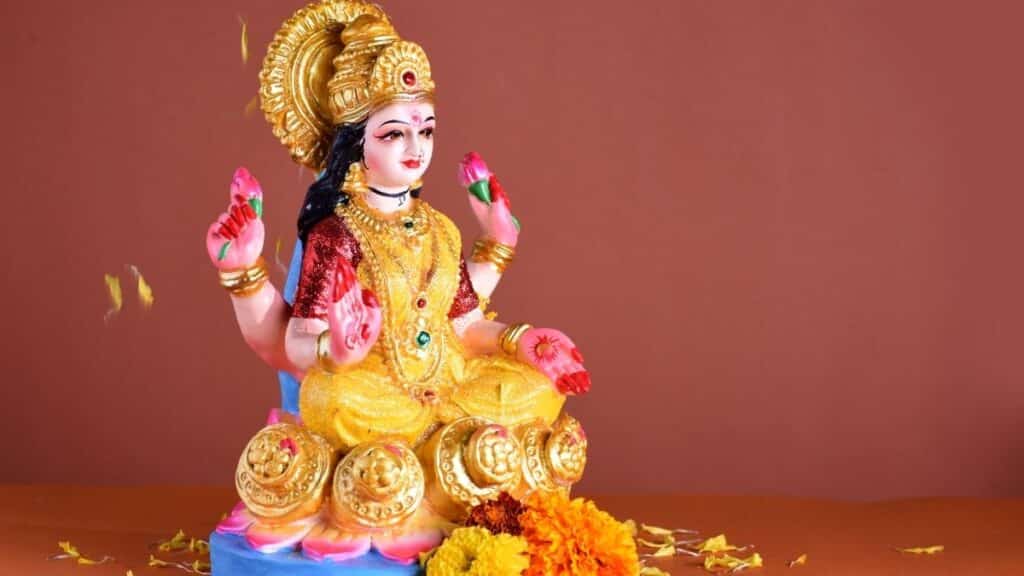
Day 5: Amavasya / Diwali Snan / Diwali Devpuja
Monday, November 9, 2026
Tithi: Amavasya (New Moon)
Also Known As:
- Lakshmi Puja (main day in North India)
- Diwali
- Kali Puja (Bengal)
Significance:
The new moon day, which is known as Amavasya, is the most significant day of Diwali festivities and known as Lakshmi Puja, Lakshmi-Ganesh Puja and Diwali Puja.
This is the darkest night of the month when homes are illuminated with thousands of diyas, candles, and lights.
Rituals:
- Diwali Snan: Sacred ritual bath before puja
- Diwali Devpuja: Main worship ceremony
- Lakshmi-Ganesha Puja: Primary worship during Pradosh Kaal (after sunset)
- Business Puja: Worship of account books, ink bottles (Davat), and pens (Lekhani)
- Maha Kali worshipped on Davat and Lekhani
- Goddess Saraswati worshipped on new Bahi-Khate (account books)
- Lighting diyas, candles, and decorative lights throughout the home
- Fireworks: Traditional display to ward off evil and celebrate
- Grand family feast with special dishes and sweets
- Exchanging gifts with neighbors and relatives
Most Auspicious Time:
The most auspicious time to do Diwali Puja is after sunset during Pradosh Kaal when Amavasya Tithi prevails. No other Diwali Puja Muhurat is as good as Puja Muhurat during Pradosh even if it is available for one Ghati (approximately 24 minutes).
Spiritual Meaning:
Welcoming Goddess Lakshmi into the home, symbolizing prosperity, abundance, and divine blessings for the coming year.
Day 6: Govardhan Puja / Padwa / Annakut / Gujarati New Year
Tuesday, November 10, 2026
Tithi: Pratipada
Also Celebrated As:
- Govardhan Puja — North India
- Annakut — “Mountain of Food” offerings
- Bali Pratipada — South and West India
- Dyuta Krida — Traditional game-playing
- Gujarati New Year — Gujarat’s new year celebration
Significance:
Multiple traditions converge on this day, marking new beginnings and gratitude.
Rituals:
North India—Govardhan Puja:
Celebrates Lord Krishna lifting Govardhan mountain to protect villagers from Indra’s wrath. Devotees create symbolic mountain shapes from cow dung and worship them, honoring agricultural traditions.
Gujarat—New Year:
The Gujarati New Year begins. Businesses perform Chopda Pujan (worship of new account books), and people buy essentials (sabras) for the year ahead.
Temples—Annakut:
“Mountain of Food”—temples prepare and offer over 56 or 108 different vegetarian dishes to Krishna, which are then distributed as prasad.
General Rituals:
- Visiting temples
- Community feasts
- Honoring agricultural roots and Mother Nature
- Starting new ventures or account books (business communities)
- Traditional games and celebrations
Day 7: Bhai Dooj / Bhau Beej
Wednesday, November 11, 2026
Tithi: Dwitiya
Also Celebrated As:
- Bhaiya Dooj (North India)
- Bhau Beej (Maharashtra)
- Yama Dwitiya — Honoring Yama and Yamuna
- Chitragupta Puja — Worship by Kayastha community
Meaning: “Brother’s Day”—celebrating the sacred bond between siblings
Significance:
Sisters pray for their brothers’ long life and prosperity, while brothers pledge to protect and care for their sisters.
Rituals:
- Brothers visit their sisters’ homes (or vice versa)
- Sisters perform tilak ceremony on brothers’ foreheads
- Sisters prepare special meals for brothers
- Exchange of gifts between siblings
- Prayers for each other’s well-being and prosperity
Mythological Connection:
- Yama and Yamuna: Yama visited his sister Yamuna, who welcomed him with tilak. Pleased, Yama granted that brothers visiting sisters on this day would be blessed with long life.
- Krishna and Subhadra: After defeating Narakasura, Krishna visited his sister Subhadra, who welcomed him with tilak.
Alternative Observance:
Artisan and craftsman communities celebrate Vishwakarma Puja, worshiping their tools, machinery, and workspaces.
Chitragupta Puja:
Members of the Kayastha community worship Chitragupta, the divine accountant who maintains the record of human deeds.
Each of these days contributes to the complete Diwali experience—from honoring cattle (Day 1), preparing and purifying (Day 2), protecting from negativity (Day 3), celebrating victory over evil (Day 4), welcoming divine blessings (Day 5), honoring new beginnings (Day 6), and strengthening family bonds (Day 7).
Diwali Other Names & Regional Identities
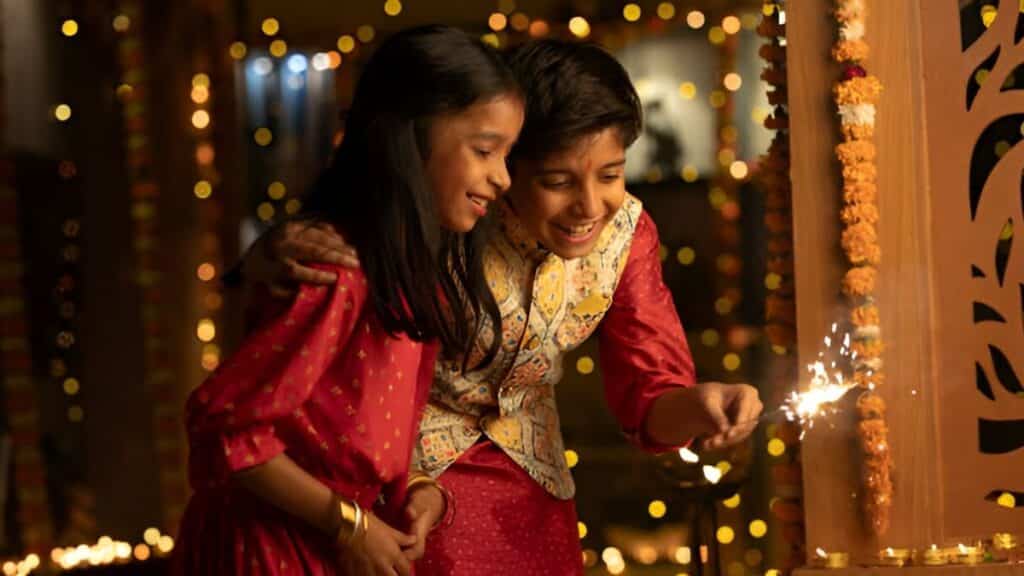
These are general or widely used names for Diwali:
- Diwali — Standard name in Hindi, English, and many languages
- Deepavali — Sanskrit and South Indian pronunciation
- Dipavali — Traditional Sanskrit form
- Festival of Lights — Popular English translation used globally
North & East India
- Diwali (दिवाली) — Hindi, Punjabi, and common usage across North India
- Deepavali (दीपावली) — Formal Hindi and Sanskrit
- Sohrai & Bandna — Tribal festivals in Jharkhand coinciding with Diwali
- Kali Puja — West Bengal and Bangladesh (emphasis on Goddess Kali worship)
- Tihar — Nepal (Hindu version)
- Swanti — Nepal (Buddhist Newar community)
South India
- Deepavali (தீபாவளி) — Tamil Nadu (often celebrated one day earlier)
- Deepavali (దీపావళి) — Andhra Pradesh and Telangana
- Deepavali (ದೀಪಾವಳಿ) — Karnataka
- Deepavali (ദീപാവലി) — Kerala
- Naraka Chaturdashi — Emphasis in South India as the main celebration day
Other Regional / Cultural Variants
- Bandi Chhor Divas — Celebrated by Sikhs, commemorating Guru Hargobind’s release
- Mahavira Nirvana Divas — Jain observance marking Lord Mahavira’s liberation
- Govardhan Puja — Emphasis in Mathura and Vrindavan regions
- Gujarati New Year — Gujarat celebrates the new year after Diwali
Diaspora / International Naming
- Diwali / Deepavali — Used interchangeably in USA, UK, Canada, Australia
- Festival of Lights — Common descriptor in Western countries
- Divali — Trinidad & Tobago, Guyana, Suriname, Fiji (official spelling)
- Diwali Festival — Common branding for public celebrations worldwide
The Origins, History, and Legends of Diwali
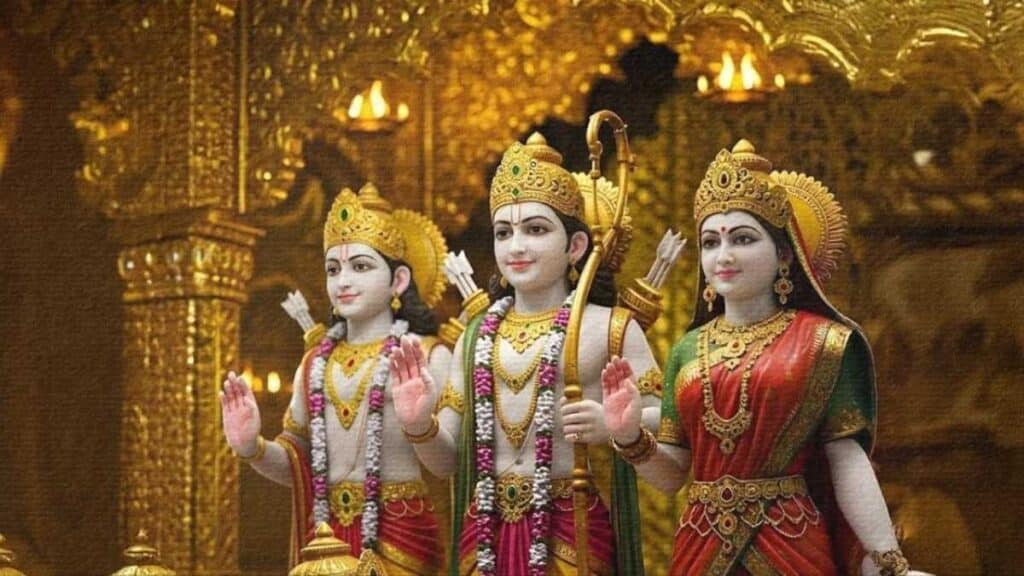
Diwali is one of the oldest and most celebrated festivals in India, with origins dating back over 2,500 years. The festival finds mention in ancient Sanskrit texts including the Padma Purana, Skanda Purana, and Narada Purana, which describe Diwali as a celebration of lights, devotion, and the victory of good over evil. Historically, Diwali also marked the autumn harvest season, making it both a spiritual and seasonal celebration.
Ancient Historical References
- 7th Century CE: Emperor Harsha’s Sanskrit play Nagananda refers to Diwali as Dīpapratipadotsava, describing lamps being lit and newlyweds receiving gifts.
- 9th Century CE: Scholar Rajasekhara mentioned Dipamalika in his work Kavyamimamsa, describing homes whitewashed and streets illuminated with oil lamps.
- 11th Century CE: Persian traveler Al Biruni documented Diwali celebrations on the new moon in Kartika month.
- 15th Century CE: Venetian merchant Niccolò de’ Conti wrote of temples and homes lit with “innumerable oil lamps” burning day and night.
- 16th Century CE: Portuguese traveler Domingo Paes described Diwali in the Vijayanagara Empire with illuminated homes and temples.
- Mughal Era: While Emperor Akbar welcomed Diwali festivities, Emperor Aurangzeb banned Hindu festivals including Diwali in 1665.
- British Raj: Sir William Jones documented Diwali in 1799, describing it as a “great festival at night, in honour of Lakshmi, with illuminations on trees and houses.”
The Most Widely Known Legend: Return of Lord Rama
The most popular legend associated with Diwali comes from the Hindu epic Ramayana. After 14 years of exile and defeating the demon king Ravana, Lord Rama returned to his kingdom of Ayodhya with his wife Sita and brother Lakshmana. The citizens of Ayodhya lit thousands of oil lamps to illuminate the path and celebrate their beloved king’s victorious return. This tradition of lighting diyas continues to this day, symbolizing the triumph of dharma (righteousness) over adharma (evil).
Krishna and Narakasura
In the Dvapara Yuga, Lord Krishna defeated the demon Narakasura, who had imprisoned 16,000 women and terrorized the land. Diwali celebrates Krishna’s victory as a triumph of good over evil. The day of Naraka Chaturdashi specifically commemorates this victory.
Birth and Wedding of Goddess Lakshmi
According to Vedic legends, Goddess Lakshmi emerged from the cosmic ocean during Samudra Manthana (the churning of the ocean) by the Devas and Asuras. Diwali night marks when Lakshmi chose Lord Vishnu as her consort. This legend connects Diwali to prosperity, wealth, and divine blessings.
Jain Tradition: Mahavira’s Nirvana
For Jains, Diwali marks the day Lord Mahavira, the 24th Tirthankara, attained nirvana (final liberation) in 527 BCE. Eighteen kings proclaimed that lamps be lit in remembrance of the “great light, Mahavira,” establishing the tradition of lighting lamps on this day.
Sikh Tradition: Bandi Chhor Divas
Sikhs celebrate Bandi Chhor Divas (Day of Liberation), commemorating Guru Hargobind’s release from Mughal imprisonment at Gwalior Fort and his arrival at the Golden Temple in Amritsar. The tradition also honors the founding of Amritsar in 1577 and Bhai Mani Singh’s martyrdom in 1738.
Kali Puja in Eastern India
In Bengal and eastern India, Diwali coincides with Kali Puja, celebrating the fierce goddess Kali who destroys evil and protects devotees from negative forces.
Over centuries, Diwali evolved from primarily a religious observance into a grand social and cultural festival that promotes unity, joy, prosperity, and renewal. The common thread across all legends is the timeless message that light conquers darkness, knowledge defeats ignorance, and good ultimately triumphs over evil.sed celebrations to modern state-wide festivities reflects its enduring significance in Malayali culture—combining spiritual devotion, agricultural thanksgiving, and social unity into one magnificent celebration.
Diwali: Cultural and Spiritual Significance

Diwali is a festival that symbolizes the eternal victory of light over darkness, knowledge over ignorance, and good over evil. Beyond its religious roots, Diwali carries profound cultural and spiritual meaning that resonates across communities worldwide.
Spiritual Significance
Inner Illumination: The lighting of diyas represents awakening the inner divine light within each person, dispelling the darkness of ignorance and guiding toward wisdom and truth.
Victory of Dharma: The festival reminds devotees to uphold righteousness (dharma) in daily life, following the example of Lord Rama who remained devoted to his duties despite hardships.
Renewal and Purification: Diwali marks a time for spiritual cleansing—letting go of negativity, past grievances, and ego, while embracing fresh beginnings and positive energy.
Prosperity and Abundance: Worship of Goddess Lakshmi represents not just material wealth but also spiritual richness, generosity, and the blessings of prosperity shared with others.
Cultural Significance
Unity Beyond Boundaries: Diwali brings people together across caste, class, religion, and social status. During the festival, barriers dissolve as communities celebrate together in a spirit of equality and togetherness.
Family and Community Bonding: The festival serves as an annual homecoming, reuniting families and strengthening community ties through shared meals, prayers, and celebrations.
Forgiveness and New Beginnings: Diwali encourages people to forgive past wrongs, mend broken relationships, and start fresh—both in personal lives and business affairs.
Cultural Continuity: For the Indian diaspora, Diwali serves as a powerful link to heritage, helping transmit traditions, values, and cultural identity to younger generations living abroad.
Economic and Social Renewal: Traditionally, Diwali marks the end of the harvest season and the beginning of a new financial year for many businesses. It’s a time for settling accounts, starting new ventures, and expressing gratitude for prosperity.
Diwali endures because it speaks to universal human aspirations—the hope for light in times of darkness, the belief that good will prevail, and the celebration of life, love, and togetherness. Whether through the glow of a single diya or the brilliance of thousands, Diwali reminds us that even the smallest light can dispel the deepest darkness.ating life’s abundance through color, music, dance, and shared joy. The festival’s ability to unite all communities regardless of faith makes it a powerful symbol of religious pluralism and social cohesion, values that define Kerala’s unique cultural landscape.
Diwali Prayers and Religious Observances
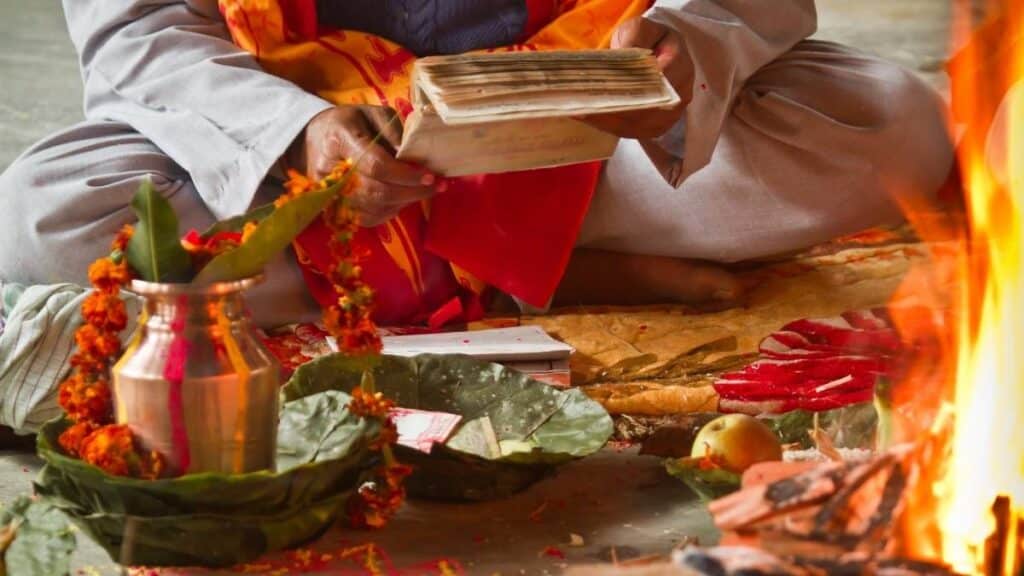
Diwali prayers and rituals are performed to seek divine blessings for prosperity, protection, health, and spiritual well-being. The religious observances vary by region and tradition but share the common purpose of invoking divine grace and celebrating the victory of light over darkness.
Lakshmi Puja (Primary Ritual)
The central worship ceremony on the main day of Diwali is Lakshmi Puja, performed during the auspicious Pradosh Kaal (after sunset). Families gather at home altars decorated with flowers, rangoli, and diyas to worship Goddess Lakshmi and Lord Ganesha.
Puja Preparation:
- Thoroughly clean and purify the home
- Create a sacred altar with idols or images of Lakshmi and Ganesha
- Arrange offerings: flowers, fruits, sweets, coins, new currency notes
- Light oil lamps (diyas) and incense
Puja Sequence:
- Invocation of Lord Ganesha (remover of obstacles)
- Lakshmi Puja with mantras and stotras
- Offering of flowers, sweets, and coins
- Aarti (ceremonial light offering) with devotional songs
- Distribution of prasad (blessed food) to family members
Key Mantras:
भगवान गणेश मंत्र (Ganesh Mantra)
Hindi:
ॐ गं गणपतये नमः॥
Hinglish:
Om Gam Ganpataye Namah
गणेश जी का मूल मंत्र (Ganesh Mool Mantra)
Hindi:
वक्रतुण्ड महाकाय सूर्यकोटि समप्रभ।
निर्विघ्नं कुरु मे देव सर्वकार्येषु सर्वदा॥
Hinglish:
Vakratunda Mahakaya Suryakoti Samaprabha
Nirvighnam Kuru Me Dev Sarva Karyeshu Sarvada
माता लक्ष्मी मंत्र (Mahalakshmi Mantra)
Hindi:
ॐ श्रीं महालक्ष्म्यै नमः॥
Hinglish:
Om Shreem Mahalakshmyai Namah
विशेष महालक्ष्मी मंत्र (Diwali Special Lakshmi Mantra)
Hindi:
ॐ श्रीं ह्रीं श्रीं कमले कमलालये प्रसीद प्रसीद
श्रीं ह्रीं श्रीं ऊँ महालक्ष्मयै नमः॥
Hinglish:
Om Shreem Hreem Shreem Kamale Kamalalaye Praseed Praseed
Shreem Hreem Shreem Om Mahalakshmyai Namah
सिद्ध लक्ष्मी मंत्र (Wealth Mantra)
Hindi:
ॐ श्रीं ह्रीं क्लीं श्री सिद्ध लक्ष्म्यै नमः॥
Hinglish:
Om Shreem Hreem Kleem Shri Siddha Lakshmyai Namah
कुबेर मंत्र (Kuber Mantra for Wealth)
Hindi:
ॐ यक्षाय कुबेराय वैश्रवणाय धनधान्याधिपतये
धनधान्यसमृद्धिं मे देहि दापय स्वाहा॥
Hinglish:
Om Yakshaya Kuberaya Vaishravanaya Dhan Dhanyadhipataye
Dhan Dhanya Samriddhim Me Dehi Dapaya Swaha
अष्ट लक्ष्मी मंत्र (Ashta Lakshmi Mantra)
Hindi:
ॐ नमो भाग्यलक्ष्म्यै च विद्महे,
अष्टलक्ष्म्यै च धीमहि,
तन्नो लक्ष्मीः प्रचोदयात्॥
Hinglish:
Om Namo Bhagya Lakshmyai Cha Vidmahe
Ashta Lakshmyai Cha Dheemahi
Tanno Lakshmi Prachodayat
Business and Office Puja
Diwali Puja is done not only in families but also in offices. Diwali Puja is the significant day for most traditional Hindu businessmen. On this day, ink bottles, pens, and new account books are worshipped:
- Davat (दावात) and Lekhani (लेखनी) — Ink bottle and pen are sanctified by worshipping Goddess Maha Kali on them
- Bahi-Khate (बही-खाते) — New account books are sanctified by worshipping Goddess Saraswati on them
- This ritual marks new beginnings in business and commerce
Kali Puja (Eastern India)
In West Bengal, Odisha, and parts of Assam, the main worship is dedicated to Goddess Kali instead of Lakshmi. The fierce form of the Divine Mother is worshipped for protection, destruction of evil, and spiritual strength.
Dhanvantari Puja (Dhanteras)
On Dhanteras, people worship Lord Dhanvantari, the god of health and Ayurveda, seeking blessings for good health and well-being. Health professionals and Ayurvedic practitioners especially observe this ritual.
Yama Deepam
Many families light a special southward-facing lamp filled with sesame oil to honor Yama, the god of death, and ward off untimely death. This is performed on Dhanteras day.
Vishwakarma Puja (Bhai Dooj Day)
Artisans, craftsmen, and people in manufacturing sectors worship their tools and workspaces, honoring Vishwakarma, the divine architect and patron of all crafts.
Home vs Temple Observance
At Home:
- Most families perform Lakshmi Puja at their personal altars
- Ritual oil bath before dawn each day
- Lighting diyas throughout the home
- Family prayers and aarti together
At Temples:
- Grand decorations with lights and flowers
- Extended hours for darshan (deity viewing)
- Special abhishekam (ritual bathing of deities)
- Community aarti and bhajan singing
- Annakut (mountain of food) offerings
- Distribution of prasad to devotees
Whether observed at home or in temples, Diwali rituals emphasize devotion, gratitude, prosperity, and spiritual awakening, making the festival both joyous and deeply sacred.
Diwali Aarti
श्री गणेश जी की आरती (Ganesh Ji Aarti)
Hindi:
जय गणेश, जय गणेश, जय गणेश देवा।
माता जाकी पार्वती, पिता महादेवा॥
एकदंत दयावंत, चार भुजा धारी।
माथे सिंदूर सोहे, मूस की सवारी॥
पान चढ़े, फूल चढ़े और चढ़े मेवा।
लड्डुअन का भोग लगे, संत करें सेवा॥
अंधे को आंख देत, कोढ़िन को काया।
बांझन को पुत्र देत, निर्धन को माया॥
‘सूरज’ शरण आए, सफल कीजिए सेवा।
माता जाकी पार्वती, पिता महादेवा॥
Hinglish:
Jai Ganesh, Jai Ganesh, Jai Ganesh Deva
Mata Jaki Parvati, Pita Mahadeva
Ek Dant Dayavant, Char Bhuja Dhari
Mathe Sindoor Sohe, Moos Ki Sawari
Paan Chadhe, Phool Chadhe Aur Chadhe Meva
Ladduan Ka Bhog Lage, Sant Kare Seva
Andhe Ko Aankh Det, Kodhin Ko Kaya
Banjhan Ko Putra Det, Nirdhan Ko Maya
Suraj Sharan Aaye, Safal Kijiye Seva
Mata Jaki Parvati, Pita Mahadeva
श्री लक्ष्मी जी की आरती (Lakshmi Ji Aarti)
Hindi:
ॐ जय लक्ष्मी माता, मैया जय लक्ष्मी माता।
तुमको निशिदिन सेवत, हरि विष्णु विधाता॥
उमा, रमा, ब्रह्माणी, तुम ही जग माता।
सूर्य-चन्द्रमा ध्यावत, नारद ऋषि गाता॥
दुर्गा रूप निरंजनी, सुख सम्पत्ति दाता।
जो कोई तुमको ध्यावत, ऋद्धि-सिद्धि धन पाता॥
जिस घर में तुम रहतीं, सब सद्गुण आता।
सब सम्भव हो जाता, मन नहीं घबराता॥
तुम बिन यज्ञ न होते, वस्त्र न कोई पाता।
खान-पान का वैभव, सब तुमसे आता॥
महालक्ष्मी जी की आरती, जो कोई जन गाता।
उर आनन्द समाता, पाप उतर जाता॥
Hinglish:
Om Jai Lakshmi Mata, Maiya Jai Lakshmi Mata
Tumko Nishidin Sevat, Hari Vishnu Vidhata
Uma, Rama, Brahmani, Tum Hi Jag Mata
Surya Chandrama Dhyavat, Narad Rishi Gaata
Durga Roop Niranjani, Sukh Sampatti Data
Jo Koi Tumko Dhyavat, Riddhi Siddhi Dhan Pata
Jis Ghar Mein Tum Rehti, Sab Sadgun Aata
Sab Sambhav Ho Jata, Man Nahin Ghabrata
Tum Bin Yagya Na Hote, Vastr Na Koi Pata
Khan-Paan Ka Vaibhav, Sab Tumse Aata
Mahalakshmi Ji Ki Aarti, Jo Koi Jan Gaata
Ur Anand Samata, Paap Utar Jata
How Diwali Is Celebrated Across India
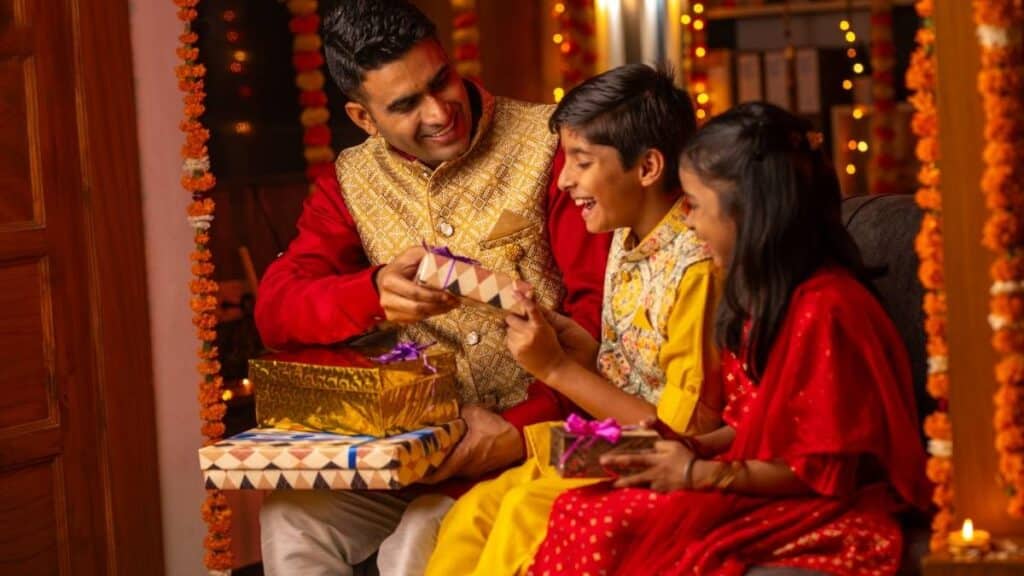
While the essence of Diwali remains consistent—celebrating light, prosperity, and the victory of good over evil—its expressions vary beautifully across India’s diverse regions.
North India
Uttar Pradesh & Ayodhya:
Home to the Ramayana tradition, Ayodhya hosts spectacular celebrations with hundreds of thousands of diyas lit along the Sarayu River. In 2025, Ayodhya set a Guinness World Record with 2,617,615 oil lamps.
Delhi & NCR:
Markets overflow with shoppers, homes are decorated with lights and rangoli, and despite pollution concerns, fireworks illuminate the night. Major community melas and cultural events are held across the city.
Punjab:
Sikhs celebrate Bandi Chhor Divas, illuminating the Golden Temple and gurdwaras. Community langar (free meals) and acts of seva (service) are emphasized.
Rajasthan:
Traditional folk music, dance performances, and elaborate rangoli competitions. Shopping for gold, silver utensils, and new clothes is particularly prominent.
West India
Gujarat:
Diwali festivities begin two days earlier on Agyaras and culminate on Labh Panchami. Diwali marks the Gujarati New Year. The next morning, businesses perform Chopda Pujan (worship of account books). The state is famous for elaborate Annakut offerings with over 100 dishes.
Maharashtra:
In Maharashtra, Diwali festivities begin one day earlier on Govatsa Dwadashi. Marathi families perform the traditional oil massage ritual for elders before sunrise. Emphasis on homemade sweets and family gatherings.
South India
Tamil Nadu & Karnataka:
Often called “Deepavali,” many South Indian families celebrate Naraka Chaturdashi as the main day, with pre-dawn oil baths, traditional new clothes, and elaborate feasts central to the celebration.
Kerala:
Celebrated with less emphasis on fireworks but beautiful traditional lamps, family feasts, and temple visits.
Andhra Pradesh & Telangana:
Features homemade clay lamps, special sweets like bobbatlu (sweet flatbread), and early morning oil baths.
East India
West Bengal & Odisha:
Diwali coincides with Kali Puja, with elaborate worship of Goddess Kali. The focus is on spiritual protection and destruction of negative forces rather than prosperity alone.
Assam:
Celebrates Krishna’s victory over Narakasura with traditional Bihu dances, community feasts, and lighting of diyas.
Despite regional variations, certain elements remain universal: family reunions, lighting of lamps, prayers for prosperity, festive foods, new clothes, and the joyous spirit of togetherness.
Participation Across Religions in India
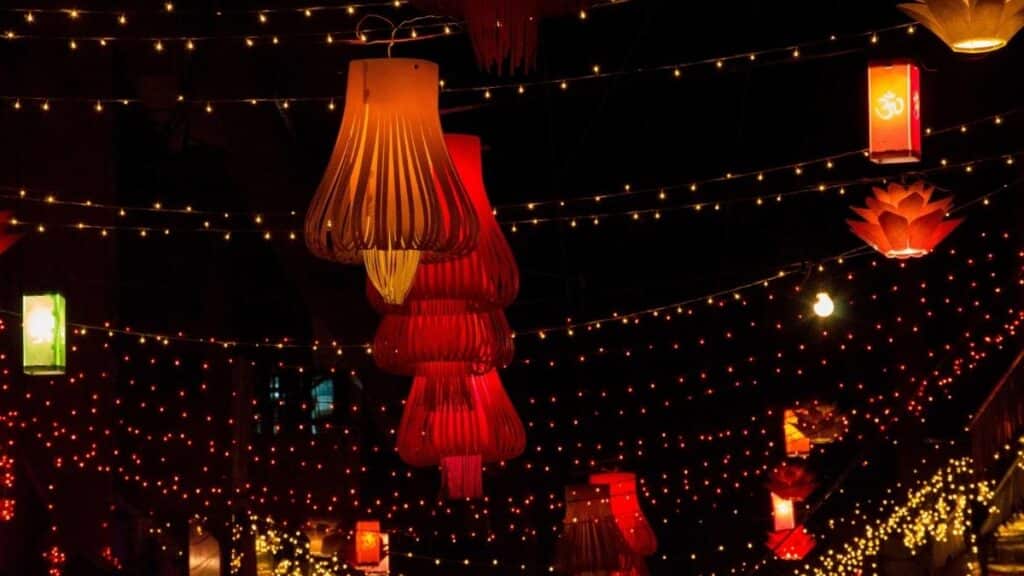
Diwali is celebrated not only by Hindus but by people of many faiths across India, making it a truly inclusive cultural festival. Over time, Diwali has transcended religious boundaries to become a shared celebration of joy, light, and togetherness.
Hindu Celebration
For Hindus, Diwali celebrates the return of Lord Rama, the worship of Goddess Lakshmi and Lord Ganesha, and various regional legends. It represents dharma, prosperity, and new beginnings.
Jain Observance
Jains celebrate Mahavira Nirvana Divas, marking the day Lord Mahavira, the 24th Tirthankara, attained final liberation (nirvana) in 527 BCE. Jain temples are illuminated, devotees perform special prayers, observe fasting, and recite sacred texts.
Sikh Celebration
Sikhs observe Bandi Chhor Divas (Day of Liberation), commemorating Guru Hargobind’s release from Gwalior Fort along with 52 princes. The Golden Temple and gurdwaras are beautifully illuminated, and community langar (free meals) is served.
Buddhist Participation
Newar Buddhists in Nepal celebrate Diwali (called Swanti) by worshiping Goddess Lakshmi alongside Buddhist practices, reflecting the syncretic traditions of Vajrayana Buddhism.
Diwali’s emphasis on light, prosperity, and the victory of good over evil resonates across religious boundaries, making it one of India’s most unifying festivals. It serves as a reminder that festivals can bring people together through shared values of joy, harmony, and mutual celebration.ebration—embodying the same spirit of equality and harmony that defined King Mahabali’s golden rule.ces, enjoying festive foods, and appreciating classical music programs organized during Ram Navami celebrations.
How Diwali Is Celebrated Outside India
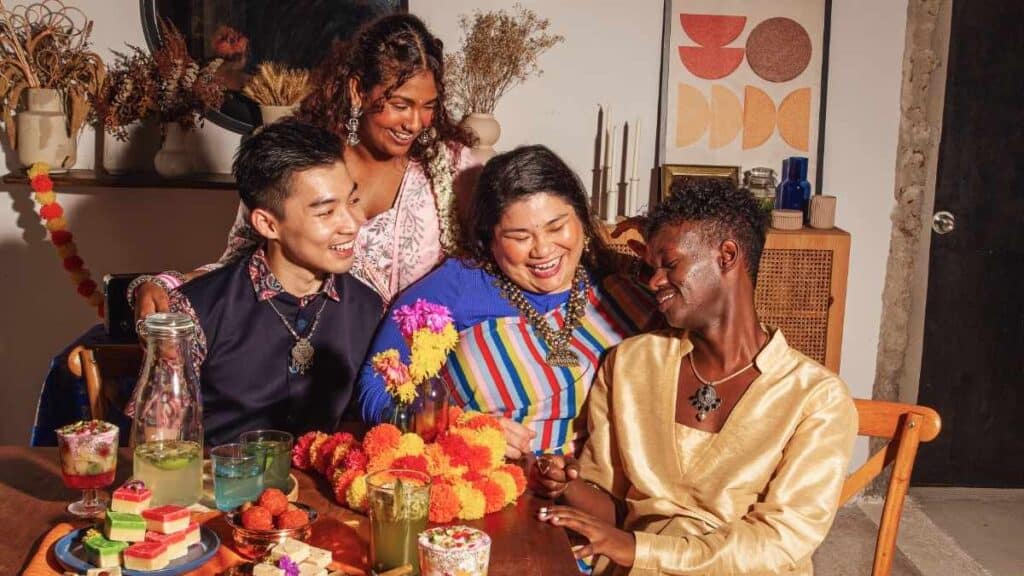
The Indian diaspora celebrates Diwali worldwide by blending traditional rituals with local cultures, turning it into a truly global festival.
North America (USA & Canada)
Diwali is marked by large community events in cities like New York, Toronto, and San Francisco, along with temple celebrations, cultural programs, and corporate festivities. Several U.S. states officially recognize Diwali, and the White House has hosted Diwali events since 2003.
United Kingdom
Major public celebrations take place in Trafalgar Square and Leicester, supported by temples and local councils. Diwali is widely embraced through city-wide light displays and official events hosted by the Prime Minister’s office.
Australia & New Zealand
Diwali is celebrated outdoors due to the summer season, with vibrant events in Melbourne, Sydney, and Auckland, often as part of multicultural festivals.
Middle East (UAE & Gulf Countries)
Festivities include temple prayers, mall decorations, special Diwali menus, and corporate celebrations reflecting the region’s large Indian expatriate population.
Southeast Asia (Singapore & Malaysia)
Singapore celebrates Deepavali as a public holiday with grand light displays in Little India, while Malaysia observes it with open houses, temple events, and community gatherings.
Caribbean, Africa & Pacific Nations
Countries like Trinidad & Tobago, Guyana, Mauritius, and Fiji recognize Diwali as a public holiday, featuring cultural festivals, temple rituals, and family celebrations.
Global Adaptations
Across the world, Diwali is often celebrated on weekends, shared through public festivals, blended with local traditions, and increasingly observed through eco-friendly and virtual celebrations.
Through these global festivities, Diwali continues to unite communities and spread its message of light, hope, and togetherness.erness with the world.e’s norms.
Find Diwali Events Near You
Looking to experience Diwali celebrations in your city or nearby?
Explore curated Diwali events, cultural programs, temple celebrations, and public festivals happening across different locations.
View upcoming Diwali events here:
https://indiancommunity.events/?s=diwali
Join community celebrations, experience traditional rituals, enjoy cultural performances, and be part of the Festival of Lights wherever you are!
Diwali Gifting Traditions
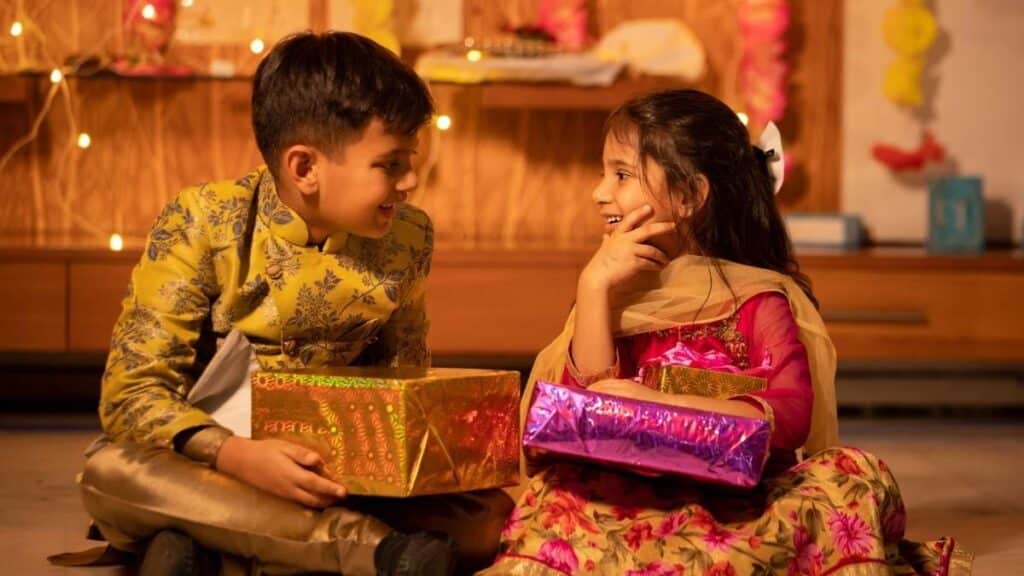
Diwali gifting is a cherished tradition that symbolizes love, prosperity, and the strengthening of relationships. Exchanging gifts during Diwali reflects gratitude, goodwill, and the spirit of sharing abundance.
Traditional Gifts
Sweets (Mithai):
The most traditional Diwali gift. Beautifully boxed assortments symbolize sweetness in relationships. Popular choices include kaju katli, gulab jamun, ladoo, barfi, and soan papdi.
Dry Fruits and Nuts:
Gift boxes of almonds, cashews, pistachios, dates, and dried fruits represent health, prosperity, and auspiciousness.
Gold and Silver:
- Lakshmi-Ganesha coins
- Small silver idols
- Jewelry for family members
- Gold coins for new beginnings
Diyas and Decorative Items:
- Brass or clay diya sets
- Decorative candles
- Rangoli stencils and colors
- Torans (decorative door hangings)
Traditional Utensils:
- Pooja thalis (worship plates)
- Copper water vessels
- Brass or steel kitchen items
- Traditional serving sets
Clothing:
- Sarees for women
- Kurta-pajamas for men
- Traditional outfits for children
- Festive ethnic wear
Modern Gifting Trends
Gift Hampers:
Curated boxes with sweets, dry fruits, chocolates, tea/coffee, and decorative items.
Electronics & Appliances:
Smartphones, tablets, smart home devices, and kitchen appliances during Diwali shopping season.
Personalized Gifts:
- Custom photo frames
- Engraved items
- Personalized gift boxes
- Monogrammed accessories
Eco-Friendly Gifts:
- Plant saplings in decorative pots
- Organic products and natural items
- Reusable and sustainable products
- Handmade crafts from local artisans
- Seed paper cards and plantable gifts
Corporate and Professional Gifting
- Gift hampers for employees and clients
- Custom branded gift boxes
- Vouchers and gift cards
- Premium dry fruit and sweet boxes
Diwali gifting strengthens bonds between family, friends, colleagues, and community, embodying the festival’s spirit of generosity, gratitude, and shared joy.f togetherness, gratitude, and celebration of abundance.
Traditional Diwali Foods and Sweets
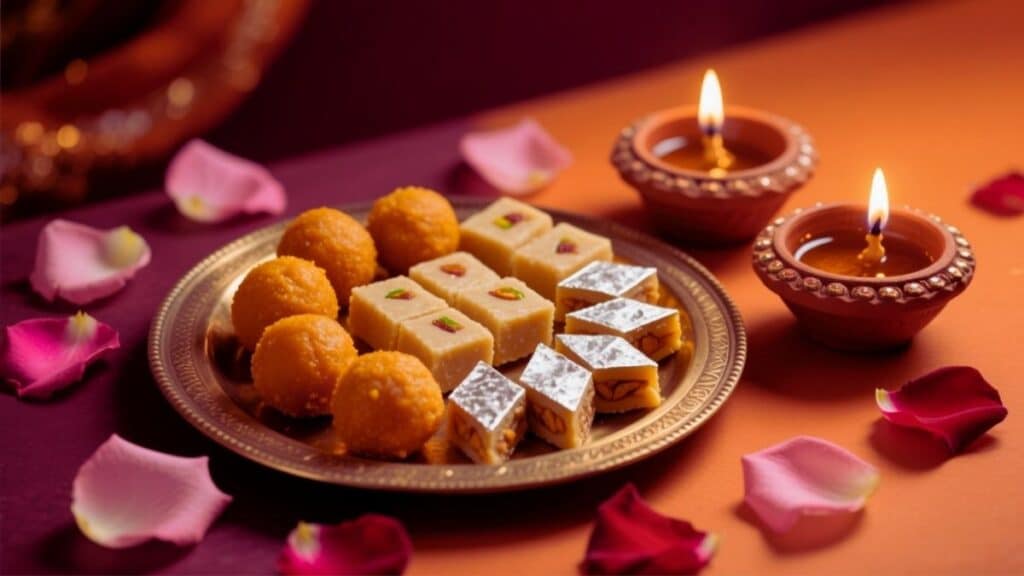
Food plays a central role in Diwali celebrations, symbolizing abundance, hospitality, and togetherness. Each region has its specialties, but certain dishes are universally loved.
Common Diwali Delicacies Include:
North Indian Sweets:
- Kaju Katli — Diamond-shaped cashew fudge (most gifted sweet)
- Gulab Jamun — Deep-fried milk balls in rose-cardamom syrup
- Ladoo — Besan, motichoor, and rava varieties
- Barfi — Milk-based fudge in multiple flavors
- Jalebi — Crispy spiral sweet soaked in sugar syrup
- Soan Papdi — Flaky, melt-in-mouth cardamom sweet
Western Indian Specialties:
- Shrikhand — Sweetened strained yogurt with saffron
- Mohanthal — Gram flour fudge from Gujarat
- Karanji/Gujiya — Fried pastries filled with coconut and jaggery
- Ghari — Traditional Gujarati sweet
South Indian Treats:
- Mysore Pak — Ghee-rich gram flour sweet
- Bobbatlu/Puran Poli — Sweet lentil-stuffed flatbread
- Adhirasam — Rice and jaggery fried sweet
- Paal Kozhukattai — Rice dumplings in coconut milk
Eastern Sweets:
- Sandesh — Bengali milk-based sweet
- Rasgulla — Soft cheese balls in syrup
- Cham Cham — Cylindrical cottage cheese sweet
Savory Snacks (Namkeen):
- Chakli/Murukku — Spiral rice flour savory
- Namak Para — Diamond-cut fried crackers
- Sev — Thin gram flour noodles
- Mathri — Flaky fried biscuits
- Chivda — Spiced rice flake mixture
Main Course & Festive Dishes:
- Poori-Sabzi — Deep-fried bread with potato curry
- Kheer — Rice pudding with cardamom
- Halwa — Semolina or carrot-based sweet
- Paneer dishes — Various cottage cheese curries
- Pulao — Fragrant rice with vegetables
- Pakoras — Vegetable fritters
Special Beverages:
- Thandai — Spiced milk with almonds and saffron
- Masala Chai — Traditional spiced tea
Annakut (Govardhan Puja Day):
Temples and homes prepare over 56 or 108 different vegetarian dishes offered to Lord Krishna, creating a literal “mountain of food.”
Modern Additions
- Chocolate barfi and fusion sweets
- Sugar-free and vegan options
- Artisanal Indian chocolates
- Gourmet gift hampers
- International sweets with Indian flavors
Diwali foods are not just about taste—they represent sharing, abundance, and the joy of feeding and celebrating with loved ones..

Diwali: Music, Art, and Cultural Expression
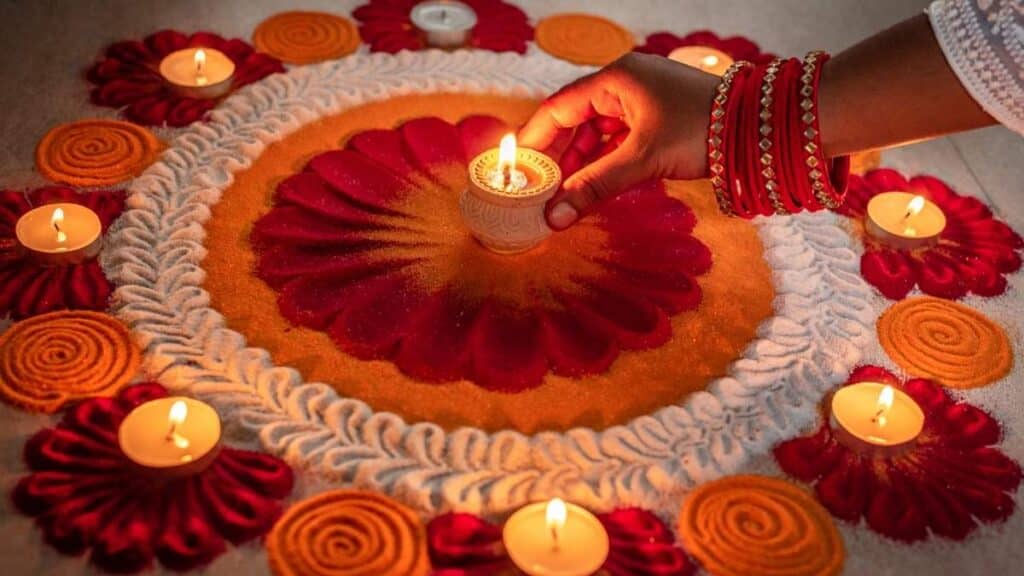
Music, art, and performance bring vibrant energy to Diwali celebrations, transforming the festival into a living canvas of creativity and tradition.
Traditional Music
Devotional Songs:
- Lakshmi Aarti: “Om Jai Lakshmi Mata” and other devotional hymns
- Ganesh Vandana: Invocatory songs
- Diwali Bhajans: Devotional songs sung during puja
Regional Folk Music:
- State-specific Diwali songs in local languages
- Traditional instruments (tabla, harmonium, dholak)
Classical Performances:
- Carnatic and Hindustani classical concerts
- Temple music programs
- Instrumental recitals
Dance Traditions
Classical Dances:
- Bharatanatyam, Kathak, Odissi, Kuchipudi performances depicting Rama and Krishna stories
Folk Dances:
- Garba and Dandiya (Gujarat)
- Bhangra (Punjab)
- Regional folk traditions
Visual Arts
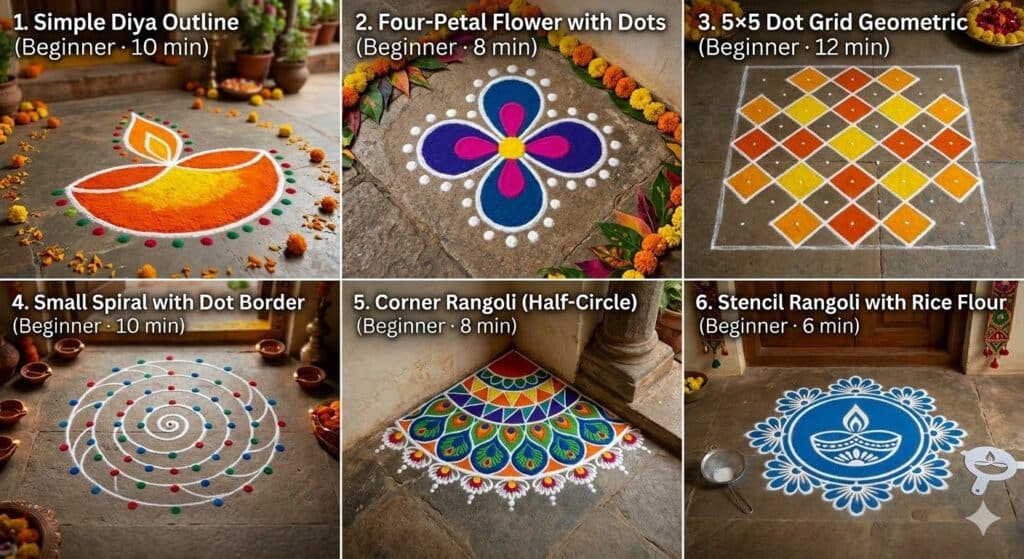
Rangoli/Kolam:
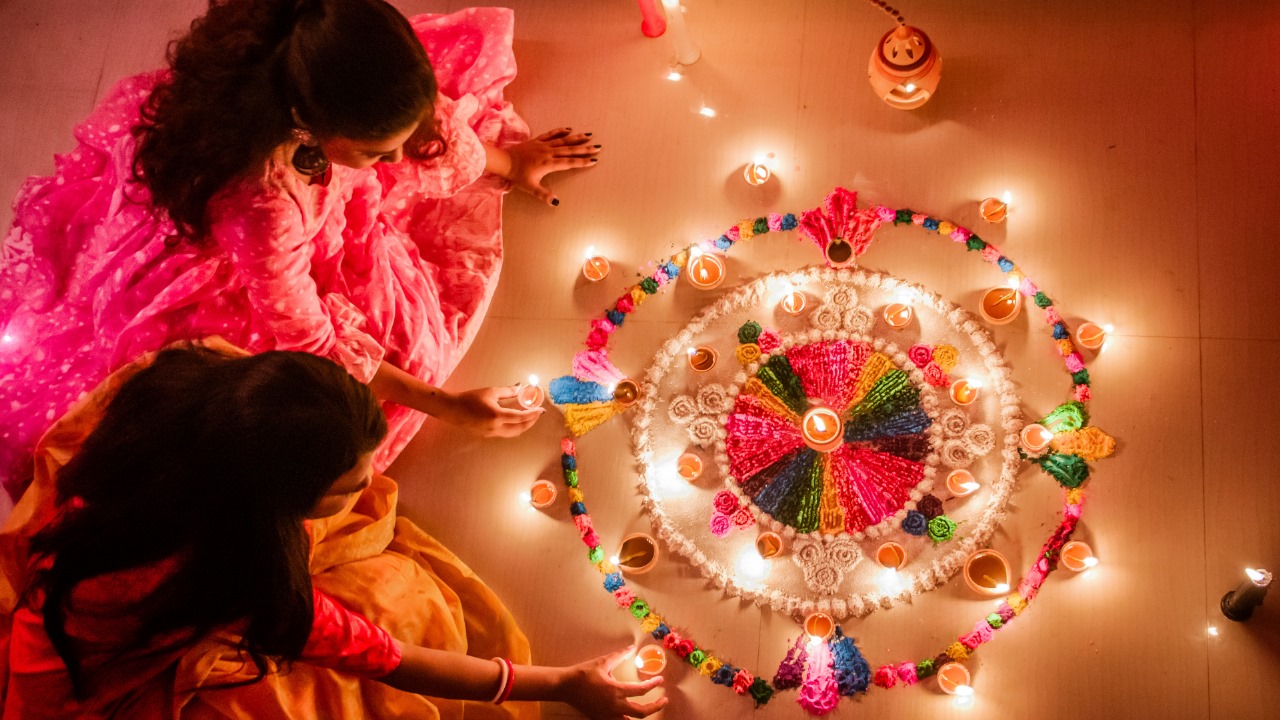
Intricate floor art created with colored powders, rice flour, flower petals, or colored sand. Traditional patterns include geometric designs, lotus flowers, diyas, and Lakshmi footprints.
Check Out: 30 Diwali Rangoli Ideas: Easy, Beautiful & Trending Designs
Diya Decoration:
Artistic hand-painted clay lamps with traditional motifs, contemporary designs, and embellishments.
Torans and Decorations:
Door hangings made from marigold flowers, mango leaves, beads, and fabric.
Modern Art Forms
- Light and laser shows
- 3D projection mapping on historic buildings
- Contemporary art installations using traditional themes
- Interactive digital Diwali experiences
Together, music, art, and cultural expression make Diwali a powerful celebration of creativity, tradition, and joyous community participation.aligning with the spiritual character of the day.te thalis. Community meals (bhandaras) at temples serve traditional food to all devotees, emphasizing sharing and charity.
Diwali in the Modern World
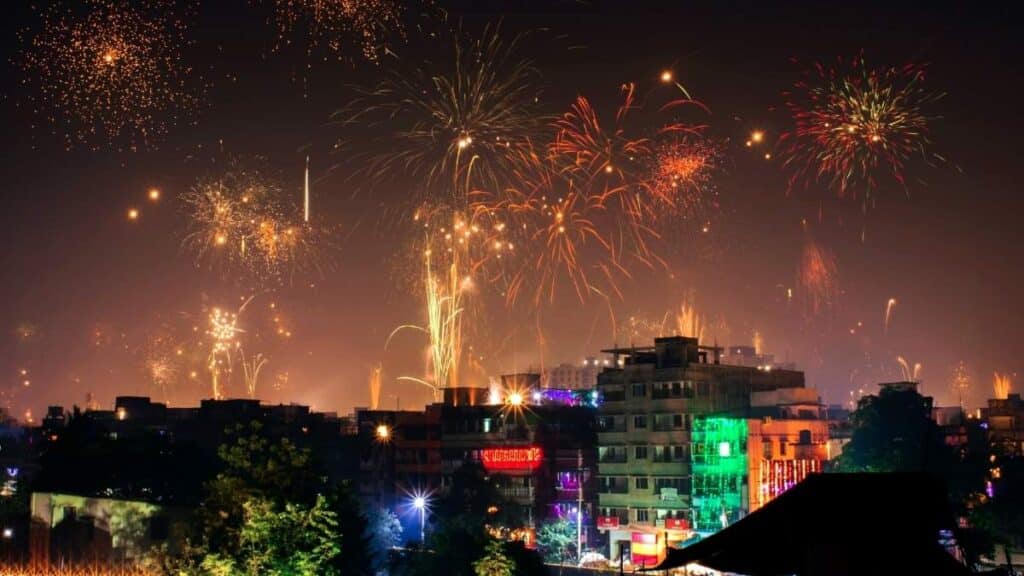
In recent years, Diwali has evolved to balance ancient traditions with contemporary awareness of environmental and social responsibility.
Sustainable Celebrations
Eco-Friendly Practices:
- Green crackers with reduced emissions
- Clay diyas instead of excessive electric lights (traditional revival)
- Natural rangoli colors from turmeric, flowers, and organic powders
- Upcycled and recycled decorations
- Noise-free celebrations
Changing Traditions
Firecracker Alternatives:
- Laser shows and community light displays
- Musical and cultural performances
- Emphasis on traditional diyas and candles
- Focus on family time over loud celebrations
Simplified Celebrations:
- Ordering sweets instead of making at home
- Ready-made rangoli stickers
- Smaller, intimate gatherings
- Compressed celebrations for working professionals
How to Wish Someone Happy Diwali
Traditional Greetings:
- “Happy Diwali!” or “Happy Deepavali!”
- “Shubh Diwali!” (शुभ दिवाली)
- “Diwali Ki Shubhkamnayein” (दिवाली की शुभकामनाएं)
In Different Languages:
- Tamil: தீபாவளி நல்வாழ்த்துக்கள் (Deepavali Nalvazhthukkal)
- Telugu: దీపావళి శుభాకాంక్షలు (Deepavali Shubhakankshalu)
- Gujarati: દિવાળીની શુભકામના (Diwali ni Shubhkamna)
- Bengali: দীপাবলির শুভেচ্ছা (Dipabolir Shubhechha)
Formal Wishes:
“Wishing you and your family a prosperous and joyous Diwali. May this Festival of Lights bring happiness and success to your home.”
Diwali’s Modern Relevance and Cultural Continuity
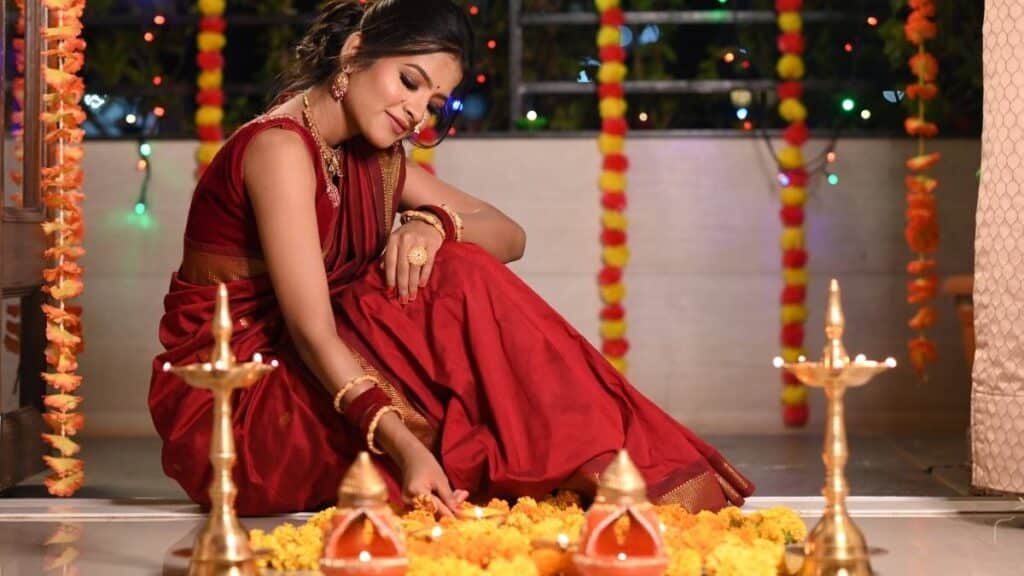
In today’s fast-changing world, Diwali continues to hold profound relevance as a festival that promotes unity, prosperity, and spiritual awakening. While technology and lifestyles have transformed how we celebrate, the core message of Diwali remains timeless—light will always triumph over darkness, and goodness will prevail over evil.
Diwali plays a crucial role in preserving cultural continuity across generations and geographies. For Indian communities living abroad, Diwali serves as a powerful link to heritage, helping transmit traditions, values, and stories to younger generations born in different cultural contexts.
Beyond religious observance, Diwali carries universal messages of hope, renewal, and the power of community. In an increasingly fragmented world, the festival reminds us of the importance of family bonds, neighborly kindness, forgiveness, and shared celebration.
The festival’s recent UNESCO recognition as Intangible Cultural Heritage (2025) acknowledges its global significance and enduring cultural value. As Diwali continues to be celebrated from Ayodhya to Auckland, from temples to Times Square, it stands as a testament to humanity’s eternal aspiration for light, knowledge, and joy.
Whether lighting a single diya in quiet contemplation or participating in grand public celebrations, Diwali invites everyone to embrace the light within and share it with the world.
Shubh Deepavali! May the light of Diwali illuminate your path and bring peace, prosperity, and happiness to your life.golden rule—prosperity, equality, and joy for all—continue to inspire and unite us.