
Eid-e-Milad-un-Nabi, also known as Mawlid al-Nabi or Milad-un-Nabi, is one of the most widely observed occasions in the Islamic calendar. Celebrated on the 12th of Rabi’ al-Awwal — the third month of the Islamic lunar calendar — it commemorates the birth of the Prophet Muhammad (PBUH), the founder of Islam and the final messenger of God.
For hundreds of millions of Muslims across the world, this day is an expression of love, gratitude, and devotion to the Prophet whose life, teachings, and character continue to inspire humanity. It is marked by prayers, processions, the recitation of devotional poetry, acts of charity, and community feasts — all centered on reflecting upon the Prophet’s legacy and renewing one’s commitment to his values of compassion, justice, and humility.
While the occasion is celebrated by mainstream Sunni Muslims (following the Hanafi, Maliki, and Shafi’i schools) and Shia Muslims worldwide, some Islamic traditions — including Salafi and Deobandi schools — consider formal celebration a religious innovation. This diversity of perspectives shapes how the day is observed across different communities.
When Is Eid-e-Milad-un-Nabi Celebrated in 2026?
Milad-un-Nabi is observed on the 12th of Rabi’ al-Awwal in the Islamic lunar (Hijri) calendar. Since the lunar calendar is approximately 11 days shorter than the Gregorian calendar, the date of Milad shifts earlier each year.
Milad-un-Nabi 2026 Date in India: Wednesday, August 26, 2026 Shia Muslims observe the occasion on 17 Rabi’ al-Awwal: Monday, August 31, 2026
Celebrations typically begin after sunset on August 25, with the main observances on August 26 throughout the day.
Table of Contents
Milad-un-Nabi In USA, Canada, Australia, New Zealand, UK, UAE, Singapore 2026 Dates
Id-E-Milad on Thursday, August 27, 2026
Id-E-Milad on Thursday, August 27, 2026
Id-E-Milad on Thursday, August 27, 2026
Id-E-Milad on Thursday, August 27, 2026
Id-E-Milad on Thursday, August 27, 2026
Id-E-Milad on Thursday, August 27, 2026
Why Does the Date of Milad-un-Nabi Change Every Year?
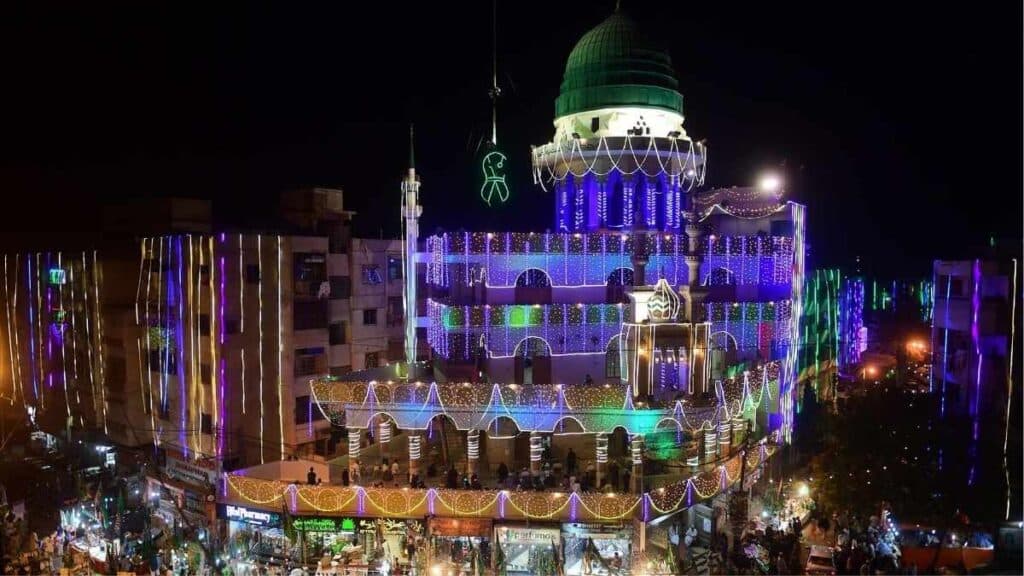
Milad-un-Nabi is calculated using the Islamic Hijri calendar, which is a purely lunar calendar. Each lunar month begins with the sighting of the crescent moon, and a lunar year has 354 or 355 days — about 11 days shorter than the Gregorian solar year.
This means Milad-un-Nabi moves approximately 11 days earlier each year relative to the Gregorian calendar. The date also varies by one day between countries depending on when the crescent moon is sighted locally.
Other Names and Regional Identities
Milad-un-Nabi is known by several names across languages and regions:
- Mawlid al-Nabi — Arabic; “birth of the Prophet”
- Eid-e-Milad-un-Nabi — Urdu/Persian; widely used in India, Pakistan, and diaspora communities
- Mevlid Kandili — Turkish; “candle feast of the Prophet’s birthday”
- Hari Maulidur Rasul — Malay; used in Malaysia, Singapore, and Brunei
- Maulid — Indonesian and East African usage
- Bara Wafat — sometimes used in parts of South Asia (though this conflates the birthday with the date of the Prophet’s passing)
- Prophet’s Birthday — common English reference in diaspora and interfaith contexts
In Indian languages: Milad-un-Nabi (Hindi/Urdu), Maulidur Rasul (Malayalam, Tamil), Nabi Dibosh (Bengali). In Jammu and Kashmir, the occasion is observed with particular solemnity and is one of the most significant religious events in the state’s calendar.
Origins, History, and Legends
The Prophet Muhammad (PBUH) was born in Mecca around 570 CE, in a year known in Islamic tradition as the Year of the Elephant. Islamic accounts describe his birth as accompanied by extraordinary signs — illuminations over distant lands, and trembling of great palaces — marking the arrival of one destined to transform the world.
One of the earliest recorded Mawlid observances dates to the 8th century, when al-Khayzuran, mother of Abbasid Caliph Harun al-Rashid, invited people to pray and celebrate at the site of the Prophet’s birth in Mecca. The Fatimid dynasty of Egypt organized court-level celebrations in the 10th and 11th centuries. However, the first large-scale public Milad festival is widely credited to the Turkic general Muzaffar al-Din Gökböri, who began organizing elaborate celebrations in Erbil (present-day Iraq) in 1207 CE — featuring communal feasts, charity, and recitations of religious poetry.
The Ottoman Empire formally declared Mawlid an official state holiday in 1588 CE, giving it institutional recognition across the Muslim world. Sufi orders played a central role in spreading Milad traditions, including the composition of the celebrated poem Qasida al-Burda by the 13th-century Sufi scholar al-Busiri — still recited at Milad gatherings worldwide.
Cultural and Spiritual Significance
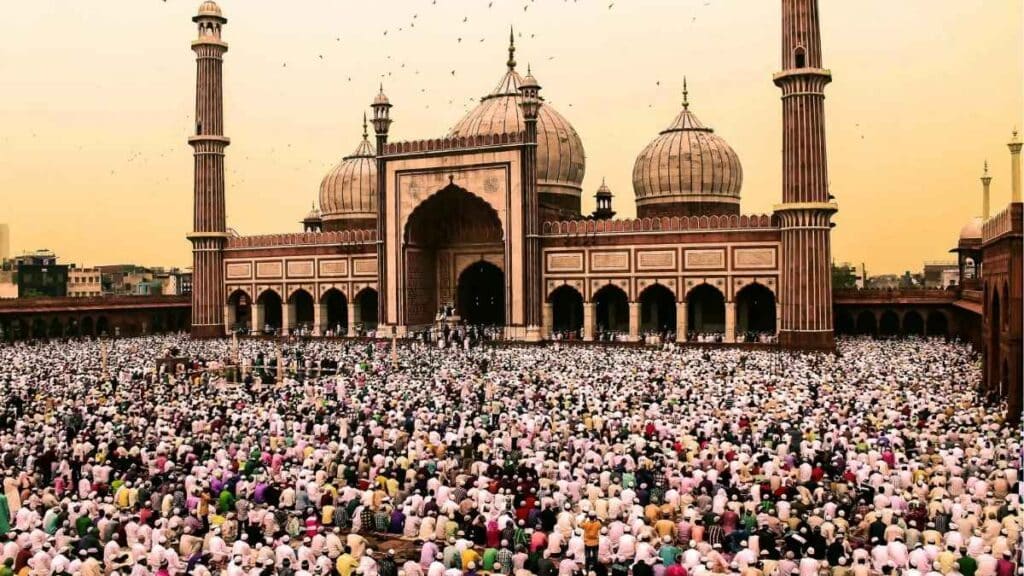
At the heart of Eid-e-Milad-un-Nabi is Hubb al-Nabi — love of the Prophet. For Muslims, Prophet Muhammad is not only the final messenger of God but the greatest moral exemplar: a man of extraordinary compassion, justice, humility, and generosity. Milad is a time to reconnect with these qualities and recommit to living them.
The festival carries both personal and communal meaning. Individually, it is an occasion for spiritual reflection, increased prayer, and charitable giving. Collectively, it brings together neighborhoods, cities, and nations in a shared expression of faith and culture. The color green — the Prophet’s beloved color — is prominently featured in decorations and clothing, symbolizing life and renewal. The recitation of Darud (blessings upon the Prophet) and Naat (devotional poetry) are considered deeply meritorious acts on this day.
Prayers and Religious Observances
Eid-e-Milad-un-Nabi is marked by a range of spiritual practices, varying by tradition and region:
- Fajr prayers and special congregational prayers with sermons (khutbahs) focused on the Prophet’s life
- Darud Sharif: Repeated recitation of blessings upon the Prophet throughout the day
- Naat Khwani: Recitation of devotional poetry in the Prophet’s praise, individually or in group gatherings called Mehfil-e-Milad
- Qur’an recitation: Reading selected verses referencing the Prophet’s mission
- Dhikr circles: Collective remembrance of God and the Prophet, especially in Sufi communities
- Voluntary fasting: Some Muslims fast on this day, following the hadith that the Prophet himself fasted on Mondays in acknowledgment of his birthday
- Sadaqah (charity): Giving to the poor is considered especially meritorious and central to the day’s spirit
How Milad-un-Nabi Is Celebrated Across India
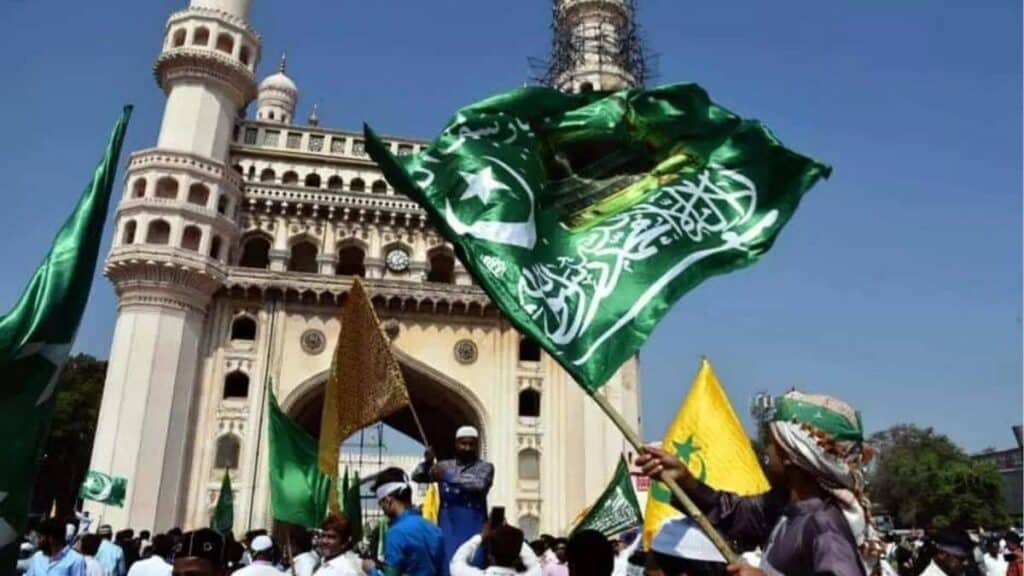
India is home to one of the world’s largest Muslim populations, and Milad-un-Nabi is observed with remarkable regional diversity.
Jammu & Kashmir: The most spiritually charged celebration takes place at the Hazratbal Shrine in Srinagar, which houses a relic believed to be a hair of the Prophet. Thousands gather for night-long prayers and the public display of this sacred relic on Milad.
Hyderabad, Telangana: The city hosts some of the grandest processions in India, with decorated floats, mounted horses, and rallies filling the streets of the Old City. Religious meetings and night-long programs continue across the day.
Kerala: Celebrated as Maulid, the occasion features Mappilappattu (traditional Muslim folk songs), community feasts, and illuminated mosques — rooted in centuries of Arab-Kerala cultural exchange.
Uttar Pradesh: Cities like Lucknow, Aligarh, and Bareilly mark the day with processions, sermons at dargahs, and community gatherings. The Jamiat Ulema-e-Hind has organized Milad processions in Kanpur since 1913.
West Bengal, Maharashtra, Tamil Nadu, and Karnataka: Mosque gatherings, Naat performances, public processions, and community meals are observed across major cities. State governments declare public holidays in recognition of the day.
Participation Across Religions in India
In many parts of India, Milad-un-Nabi has transcended religious boundaries, reflecting the country’s syncretic spirit. In cities with strong interfaith traditions, Hindu, Sikh, and Christian neighbors sometimes join Milad processions or offer sweets as a gesture of goodwill. Sufi dargahs — which historically attract devotees from multiple faiths — see particularly inclusive gatherings on this occasion.
The emphasis in many Milad celebrations on the Prophet’s universal message of compassion, mercy, and service to all of humanity makes the occasion a natural meeting point for people of different backgrounds. Local leaders from other communities often issue public messages of solidarity, reinforcing Milad as a shared cultural occasion.
How Milad-un-Nabi Is Celebrated Outside India
Eid-e-Milad-un-Nabi is a national public holiday in the majority of Muslim-majority countries, including Pakistan, Bangladesh, Indonesia, Malaysia, Egypt, Nigeria, UAE, Morocco, and Jordan.
Pakistan: The day begins with a 31-gun salute in the federal capital and 21-gun salutes in provincial capitals. Streets are illuminated, national flags are hoisted, and the International Mawlid Conference at Minar-e-Pakistan in Lahore draws hundreds of thousands.
Indonesia: Milad celebrations are among the most colorful in the world, with the week-long Sekaten fair in Yogyakarta being one of the country’s most beloved traditions. Sufi orders organize large recitations and community feasts.
Malaysia & Singapore: Hari Maulidur Rasul is a public holiday marked by grand processions in Kuala Lumpur and major mosques. In Singapore, Sultan Mosque hosts one of the city-state’s largest Islamic events.
UK, USA & Canada: Mosques and Islamic centers organize special prayers, Naat evenings, and community meals. Diaspora communities in London, Birmingham, Toronto, Houston, and Chicago hold large public events.
Germany, Australia & New Zealand: Islamic societies hold mosque events, community dinners, and interfaith open days, using the occasion to share the Prophet’s story with wider audiences.
Gifting Traditions
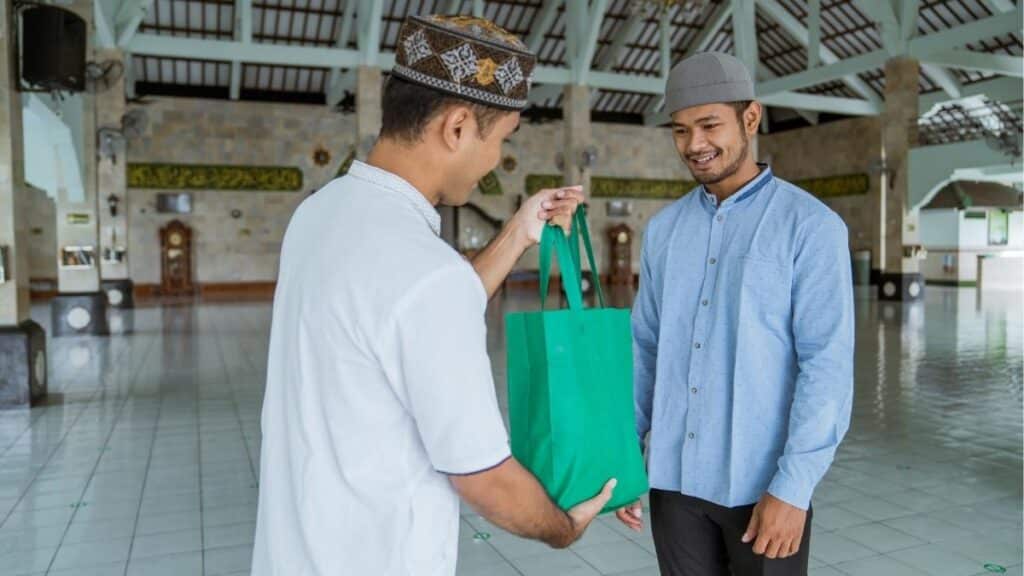
Milad-un-Nabi gifting centers on charity and community generosity rather than personal exchange:
- Sadaqah and Zakat: Donating money, food, or clothing to those in need is the most significant act of giving
- Distributing sweets and dates: Sharing mithai, dates, and traditional sweets with neighbors and friends is a common tradition
- Books on the Seerah: Gifting biographies of the Prophet or Naat collections is popular in South Asian Muslim households
- Attar (natural perfume): Gifting rose-based or oud fragrances echoes the Prophet’s known love of pleasant scents
- Green accessories: In diaspora communities, prayer beads (tasbih), green scarves, or Milad greeting cards are popular gifts
Milad-un-Nabi Foods and Culinary Traditions
Food and communal feasting are central to Milad celebrations, with traditions varying by region:
- Dates: Distributed freely at mosques and events as one of the Prophet’s favorite foods
- Zarda: Fragrant sweet rice prepared in Pakistani and North Indian Muslim households
- Sheer Khurma: Vermicelli and milk pudding with dates and dried fruits, popular across South Asia
- Haleem: Slow-cooked meat and lentil porridge, a staple at community feasts in Hyderabad
- Biryani: Large daigs (cauldrons) cooked and distributed in mosque courtyards and neighborhood gatherings
- Assidat Zgougou: A traditional pine nut pudding prepared specifically for Mawlid in Tunisia
- Honey: Historically distributed at Milad celebrations since Fatimid-era Egypt, symbolizing the sweetness of the occasion
The act of preparing and sharing food itself is considered an act of worship and remembrance on this day.
Music, Art, and Cultural Expression
Naat Khwani — the recitation of devotional poetry praising the Prophet in Urdu, Arabic, Persian, Punjabi, and other languages — is the most widespread artistic tradition of Milad. Pakistan has a particularly celebrated tradition of professional Naat reciters who perform at mehfils and on national television.
Qasida al-Burda, the “Poem of the Mantle” composed by 13th-century Moroccan Sufi poet al-Busiri, is recited across the Arab world and South Asia at formal Milad ceremonies.
Mevlid of Süleyman Çelebi, composed in 15th-century Ottoman Turkey, is read in Turkish mosques on Mevlid Kandili. Mappilappattu — traditional Malayalam devotional songs from Kerala — and Qawwali from South Asia round out the rich musical traditions of the day.
Mosques and streets are decorated with green bunting, calligraphy banners, and illuminated lights featuring phrases like “Ya Nabi” and expressions of Salawat (blessings). Islamic calligraphic art and green-themed visual installations fill public spaces in many Muslim-majority cities.
Modern Observance and Evolving Practices
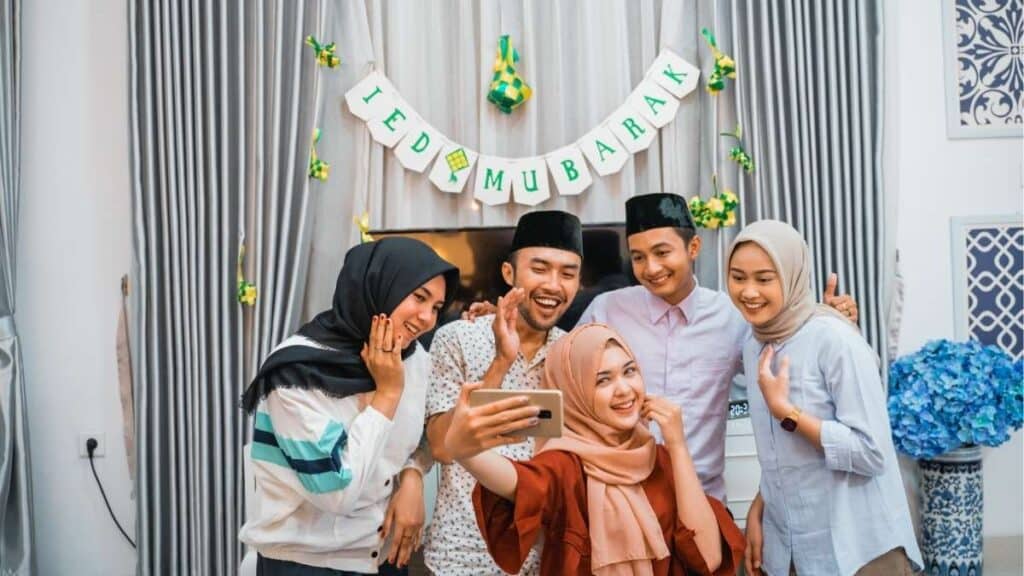
Contemporary Milad observance blends deep tradition with new forms of expression:
- Live-streamed Mehfils: Major events from Medina, Lahore, and Hyderabad are broadcast globally via YouTube and social media
- Digital greetings: WhatsApp and Instagram are filled with green-themed graphics, Salawat messages, and Naat audio on this day
- Interfaith open days: Many mosques in Western countries use Milad to host non-Muslim visitors and share the Prophet’s story
- Seerah seminars and youth events: Focused on the contemporary relevance of the Prophet’s leadership, conflict resolution, and social justice
- How to wish someone: Common greetings include “Eid Milad-un-Nabi Mubarak” (Urdu/Hindi), “Mawlid Mubarak” (Arabic), or “Happy Prophet’s Birthday” in English
Cultural Reflection
Eid-e-Milad-un-Nabi endures because it is, at its heart, a celebration of a person — a human being whose life continues to inspire over 1.8 billion people across languages, cultures, and generations. Whether observed through quiet private prayer, a neighborhood procession, a mehfil in a diaspora community center, or a state ceremony in Islamabad, the festival unites Muslims in love, gratitude, and belonging.
For Indian and global diaspora communities, Milad is also a thread of cultural continuity — honoring ancestral traditions, passing the Prophet’s stories to new generations, and finding common ground across difference. Its emphasis on charity, compassion, and communal joy speaks to values that resonate far beyond any single faith tradition.