
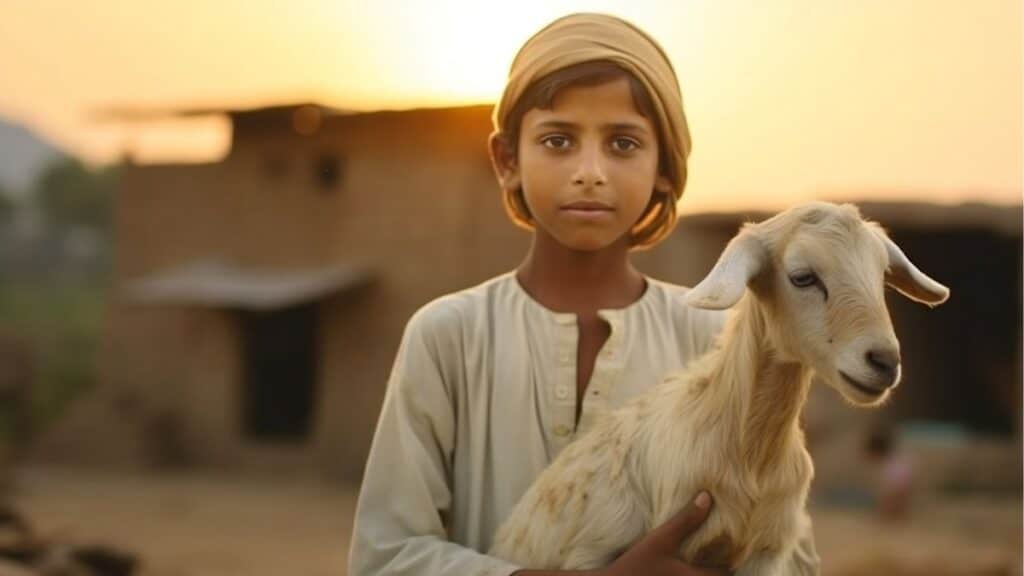
Eid-ul-Adha, popularly known as Bakrid in India, is one of the most important festivals in Islam. Celebrated by over 1.8 billion Muslims worldwide, it commemorates the supreme act of faith by Prophet Ibrahim (Abraham), who demonstrated his complete devotion to God by willingly submitting to His command to sacrifice his beloved son. It is also known as the “Greater Eid” or “Feast of Sacrifice” and marks the culmination of the annual Hajj pilgrimage to Mecca.
At its heart, Eid-ul-Adha is a celebration of faith, surrender, and selfless giving. The central ritual of Qurbani — the sacrifice of a halal animal — is not merely a religious act but a powerful reminder that material possessions must never come before devotion and compassion. A defining feature of the festival is the equal distribution of the sacrificed meat: one portion for the family, one for relatives and friends, and one for those in need — embedding social justice into the very structure of the celebration.
Eid-ul-Adha is observed across India, Pakistan, Bangladesh, the Middle East, and Muslim communities worldwide. In India, it holds special significance as a festival that reflects the country’s pluralistic spirit, with communities of different faiths often joining in the celebrations.
When Is Eid-ul-Adha Celebrated in 2026?
Eid-ul-Adha falls on the 10th of Dhu al-Hijjah, the final month of the Islamic lunar calendar. In 2026, it is observed across four days — the main Eid day followed by three Tashreeq days.
Eid-ul-Adha 2026 Dates in India
- Day 1 — Eid-ul-Adha (Main Day): Wednesday, 27 May 2026
- Day 2 — 1st Tashreeq Day: Thursday, 28 May 2026
- Day 3 — 2nd Tashreeq Day: Friday, 29 May 2026
- Day 4 — 3rd Tashreeq Day: Saturday, 30 May 2026
The Eid prayer (Salat-ul-Eid) is performed in the morning after sunrise, typically in large open grounds (Eidgah) or mosques across India.
Table of Contents
Eid-ul-Adha In USA, Canada, Australia, New Zealand, UK, UAE, Singapore 2026 Dates
Bakara-Id on Wednesday, May 27, 2026
Bakara-Id on Wednesday, May 27, 2026
Bakara-Id on Wednesday, May 27, 2026
Bakara-Id on Wednesday, May 27, 2026
Bakara-Id on Wednesday, May 27, 2026
Bakara-Id on Wednesday, May 27, 2026
Why Do Eid-ul-Adha Dates Change Every Year?
Eid-ul-Adha is based on the Islamic (Hijri) lunar calendar, not the Gregorian solar calendar. It always falls on the 10th of Dhu al-Hijjah — but since the lunar calendar is approximately 11 days shorter than the solar calendar, the Gregorian date shifts earlier by roughly 10–11 days each year.
The exact date is confirmed through moon sighting or the official announcement of the Supreme Judicial Council of Saudi Arabia. This is why Eid-ul-Adha gradually moves through all seasons over a 33-year cycle.
Other Names and Regional Identities
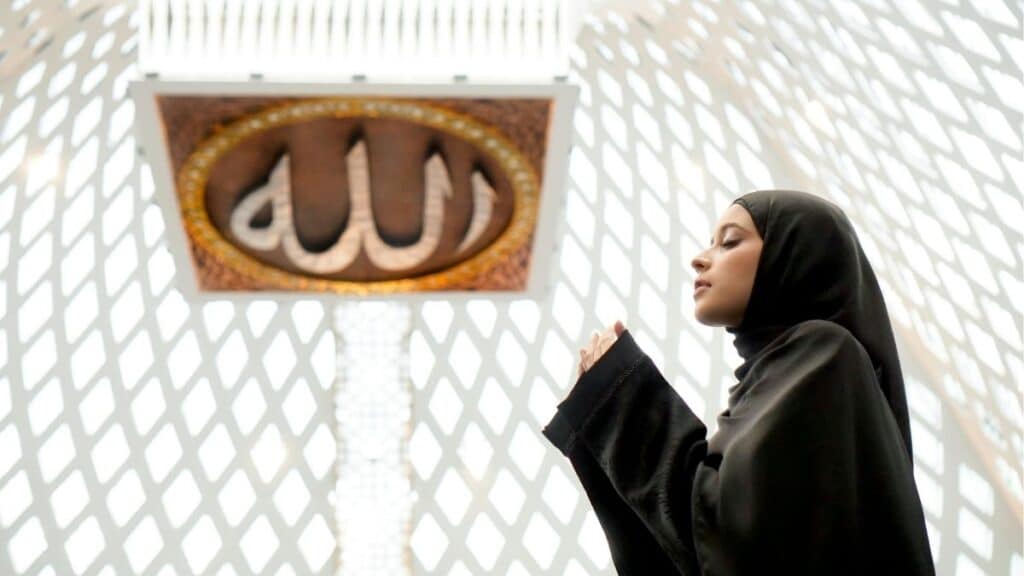
Eid-ul-Adha is known by many names across India and the Muslim world, reflecting diverse languages, cultures, and regional traditions.
Widely Used Names
- Eid-ul-Adha — Standard Arabic and English name
- Bakrid / Bakra Eid — Common name in India (from Urdu bakra, meaning goat)
- Eid-ul-Baqarah — Another Arabic name meaning Eid of the cow
Names Across Indian Languages
- Hindi / Urdu: बकरीद / Bakrid
- Bengali: কোরবানির ঈদ (Korbanir Eid)
- Tamil: பெருநாள் (Perunaal)
- Malayalam: ബക്രീദ് (Bakrid)
- Telugu: బకర్ ఈద్ (Bakar Eid)
- Kannada: ಬಕ್ರೀದ್ (Bakrid)
- Marathi: बकरी ईद (Bakri Eid)
- Punjabi: ਵੱਡੀ ਈਦ (Vaddi Eid — Greater Eid)
Regional and Global Names
- العيد الكبير (Al-Eid al-Kabir) — “The Greater Eid” in Arabic
- Kurban Bayramı — Turkey
- Hari Raya Haji / Idul Adha — Malaysia, Indonesia, Singapore
- عید قربان (Eid-e-Qurban) — Iran, Persian-speaking communities
In the South Asian diaspora across the UK, USA, Canada, and Australia, both “Bakrid” and “Eid-ul-Adha” are widely used and understood.
The Origins, History, and Legends of Eid-ul-Adha
Eid-ul-Adha is rooted in one of the most profound stories shared across Islamic, Jewish, and Christian traditions — the story of Prophet Ibrahim’s willingness to sacrifice what he loved most in complete surrender to God.
According to the Quran (Surah As-Saaffat, 37:102–107), Ibrahim repeatedly received divine dreams commanding him to sacrifice his son Ismail (Ishmael). Recognizing these as a command from God, Ibrahim prepared to obey. His son Ismail, too, submitted willingly. At the moment of sacrifice, God intervened — sending the Angel Jibreel (Gabriel) with a ram from heaven to be sacrificed in place of Ismail. God declared that Ibrahim had fulfilled the revelation and honored him for his unwavering faith.
This act is also connected to the Hajj rituals: the stoning of the Devil (Rami al-Jamarat) during Hajj commemorates Ibrahim’s rejection of Satan’s temptations during this trial. Pilgrims completing Hajj on Eid-ul-Adha perform the Qurbani as part of the pilgrimage rites, making this the only Islamic festival directly tied to one of the Five Pillars of Islam.
Scripturally, the story of Ibrahim is also found in the Torah (Genesis, Chapter 22), known as the Akedah (Binding of Isaac) in Judaism — where the son is identified as Isaac rather than Ismail. Despite this difference, all three Abrahamic faiths recognize this story as the ultimate example of devotion and trust in God.
Eid-ul-Adha: Cultural and Spiritual Significance
Eid-ul-Adha is more than a religious observance — it is a living philosophy of sacrifice, gratitude, and equity. Spiritually, it calls Muslims to reflect on what truly matters: devotion over desire, community over self-interest, and faith over comfort.
The ritual of Qurbani is a deeply symbolic act — not of loss, but of conscious giving. By distributing the meat equally among family, community, and the poor, the festival ensures that prosperity is shared. In this way, Eid-ul-Adha builds a bridge between wealth and want, making charity not an afterthought but a structural part of the celebration.
The festival also marks the spiritual peak of Hajj — the largest annual human gathering on earth — where millions of Muslims from every nation stand together in equality before God, transcending race, class, and nationality. This universal dimension gives Eid-ul-Adha a significance that extends far beyond any one community.
Eid-ul-Adha Prayers and Religious Observances
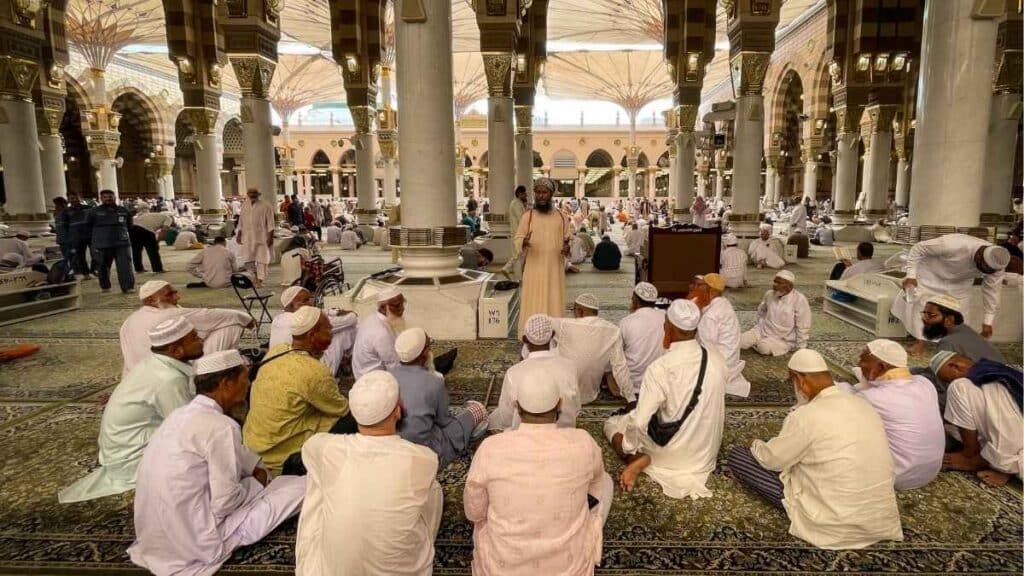
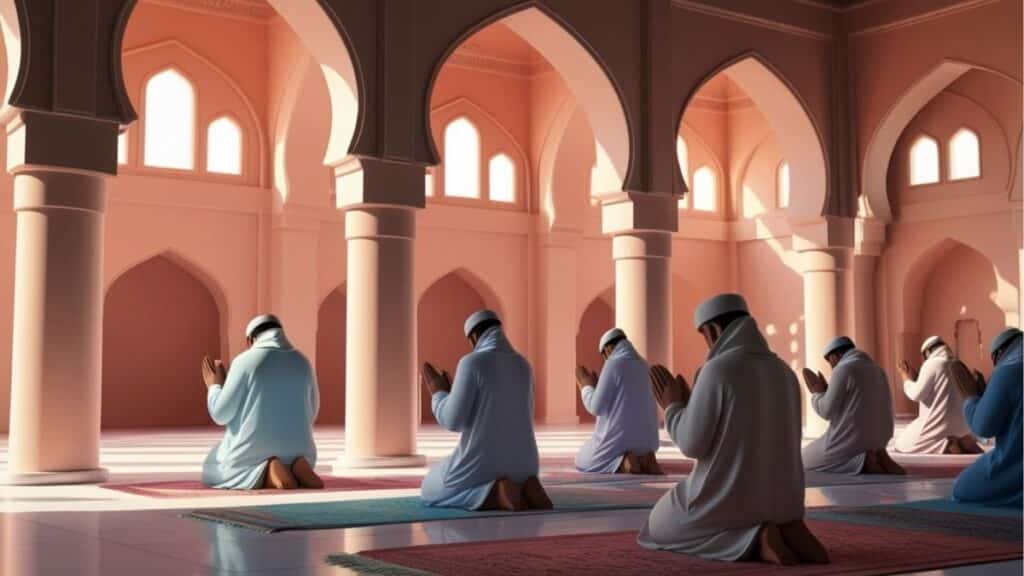
The day begins before sunrise with Ghusl (ritual bath) and dressing in one’s finest or new clothes. After sunrise, Muslims gather for Salat-ul-Eid — a special two-Rakat congregational prayer performed in open grounds (Eidgah) or mosques. The prayer is followed by a Khutbah (sermon) delivered by the Imam.
From the 9th of Dhu al-Hijjah (Arafah Day) through the Tashreeq days, Muslims recite the Takbir after every obligatory prayer: “Allahu Akbar, Allahu Akbar, La ilaha illallah, Allahu Akbar, Allahu Akbar, wa lillahi’l-hamd”
Following the Eid prayer, eligible Muslims perform Qurbani (Udhiyah) — the sacrifice of a halal animal (goat, sheep, cow, or camel) meeting age and health standards. The meat is then divided into three equal parts: one for the family, one for relatives and friends, and one for the poor. The three days following Eid — known as the Tashreeq days — are also valid for Qurbani.
How Eid-ul-Adha Is Celebrated Across India
While the spiritual essence of Eid-ul-Adha is universal, its celebration takes on rich regional flavors across India.
In Uttar Pradesh and Delhi, the iconic Jama Masjid sees tens of thousands of worshippers. Lucknow’s Nawabi heritage adds elegance to the feasts, with elaborate preparations of biryani, korma, and sheer khurma.
In Hyderabad, massive congregations gather at Mecca Masjid, and the city’s beloved Haleem becomes the centerpiece of festive meals.
In Kerala, one of India’s oldest Muslim communities celebrates with deep devotion and traditional Malabar and Thalassery biryanis.
In West Bengal, neighborhoods in Kolkata come alive with lights and gatherings centered around Kala Bhuna and festive cooking.
In Kashmir, prayers at the Hazratbal Shrine and traditional Wazwan feasts mark the day. Across Maharashtra and Gujarat, charitable meat distribution and neighborhood feasts reflect the communal spirit of the festival.
Participation Across Religions in India
Eid-ul-Adha in India has long transcended religious boundaries. Across the country, Hindu, Sikh, and Christian neighbors routinely join Muslim families for Eid meals, exchange sweets, and offer greetings — a tradition that reflects India’s Ganga-Jamuni tehzeeb (composite culture). In regions like Kerala, Tamil Nadu, and West Bengal, interfaith participation in Eid celebrations is a natural and cherished practice. Local government representatives and community leaders frequently attend Eid prayers as a gesture of solidarity. This inclusive spirit makes Eid-ul-Adha not just a Muslim festival but a shared moment of joy for diverse Indian communities.
How Eid-ul-Adha Is Celebrated Outside India
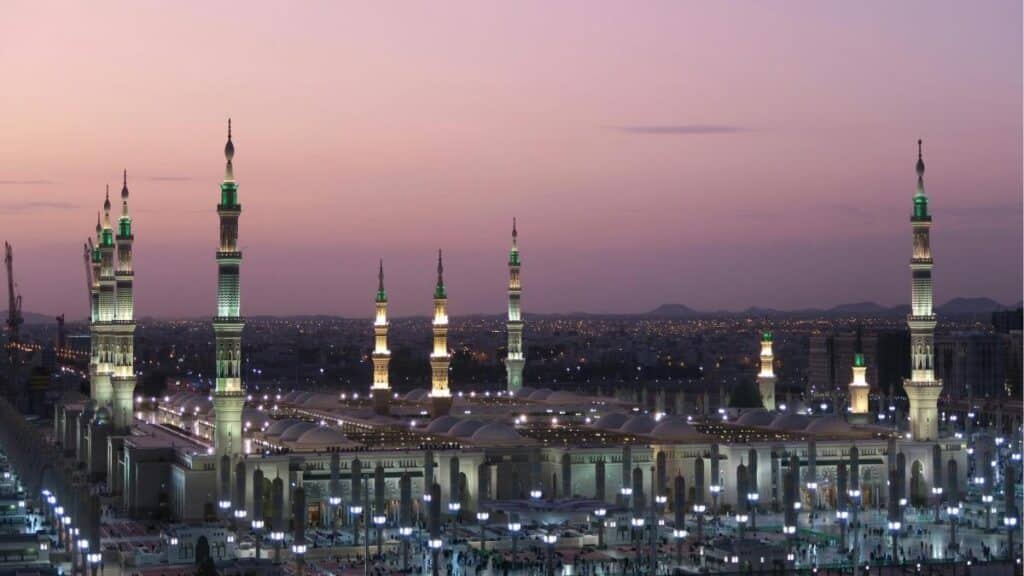
Eid-ul-Adha is a truly global festival observed by Muslim communities on every continent.
In the United Kingdom, cities like London, Birmingham, and Bradford see large congregational prayers, halal cattle markets, and community feasts. In the USA and Canada, Islamic centers in cities like Chicago, Toronto, Houston, and New York organize large Eid prayers at parks and convention halls, alongside community festivals. The UAE celebrates with a national public holiday, fireworks, and large-scale charitable meat distribution. In Australia and New Zealand, the Muslim community holds open community prayers and cultural festivals. In Singapore, Hari Raya Haji is a public holiday; the Malay-Muslim community gathers at the Sultan Mosque and Geylang Serai comes alive with festive activity. In Germany and Europe, mosques are filled to capacity and certified Qurbani facilities handle communal sacrifices.
For the South Asian diaspora worldwide, Bakrid is a time to reconnect with roots — through the aroma of biryani, the warmth of Eidi, and the sound of the Takbir across time zones.
Eid-ul-Adha Gifting Traditions
Gifting is a joyful expression of Eid-ul-Adha’s spirit of generosity and togetherness. Eidi — money or gifts given by elders to children — is the most beloved tradition, bringing delight to young ones during the celebration. Sharing Qurbani meat with relatives, neighbors, and the poor is itself the festival’s most meaningful gift. Families exchange sweets, dry fruits, dates, and festive hampers. New clothes are gifted to children, and premium Attar (perfume) is a popular gift among adults. Among diaspora communities, digital gift cards, online charity donations made in someone’s name, and international remittances to family in India or Pakistan have become modern expressions of the same timeless spirit of giving.
Traditional Eid-ul-Adha Foods and Culinary Traditions

Food is central to Eid-ul-Adha, as Qurbani yields generous fresh meat that becomes the foundation of elaborate festive feasts. Signature dishes across India include:
- Biryani — fragrant layered rice with spiced meat; Hyderabadi, Lucknowi, Malabar, and Kolkata styles are the most celebrated
- Haleem — slow-cooked meat and lentil stew, iconic in Hyderabad and Mumbai
- Sheer Khurma — creamy vermicelli pudding with dates and dry fruits; the quintessential Eid sweet of South Asia
- Mutton Korma / Qorma — rich slow-cooked mutton in aromatic gravy
- Nihari — slow-cooked beef or mutton shank, a beloved Old Delhi specialty
- Kala Bhuna — dark, intensely flavored slow-cooked beef, central to Bengali Muslim festive cooking
- Seekh Kebab & Tikka — grilled skewered meat, a staple at every Eid gathering
- Dates and dry fruits — shared as a symbol of generosity and blessing
In the Arab world, sweets like Ma’amoul (semolina cookies with dates or nuts) and Baklava are traditional Eid treats.
Eid-ul-Adha: Music, Art, and Cultural Expression
Eid-ul-Adha inspires rich traditions of devotion and artistic expression. Naats (devotional poetry in praise of the Prophet) and Qawwali (Sufi devotional music) fill homes and gatherings during the festive days, with legends like Nusrat Fateh Ali Khan’s recordings remaining beloved across South Asia. Mehndi (henna) application is a popular tradition among women in India, Pakistan, and the Middle East ahead of Eid. Islamic calligraphy — rendering “Eid Mubarak” in flowing Arabic script — adorns banners, greeting cards, and digital art. Mosques and markets are decorated with lights and crescent-and-star motifs, transforming neighborhoods into festive spaces. In India, Bollywood has long recognized Eid as a major film release occasion, making “Eid releases” a cultural institution in their own right.
Eid-ul-Adha’s Modern Relevance and Cultural Continuity
Eid-ul-Adha continues to evolve while remaining anchored in its spiritual core.
Online Qurbani services have made participation accessible to diaspora Muslims worldwide — payments are made digitally and the sacrifice performed at certified halal facilities in India, Pakistan, or internationally, with meat distributed to the poor. Sustainability awareness is growing, with communities encouraging full use of sacrificed animals, responsible waste management, and support for organized charitable distribution networks. Digital celebrations — video calls, social media greetings, and virtual Eid gatherings — connect families across continents during Eid morning. More communities are actively inviting non-Muslim neighbors to share in Eid meals, deepening cross-cultural understanding.
How to wish someone on Eid-ul-Adha:
- “Eid Mubarak” — the most universal greeting, meaning Blessed Eid
- “Eid-ul-Adha Mubarak” — the full, festival-specific greeting
- “Bakrid Mubarak” — widely understood across India
- “Taqabbal Allahu Minna wa Minkum” — traditional Islamic blessing meaning “May Allah accept from us and from you”
Cultural Reflection
Eid-ul-Adha endures because its message is timeless — that true faith asks us to give up what we hold most dear, that abundance carries a responsibility to share, and that community is built through collective generosity. In a world of increasing division, the festival’s insistence on sharing one-third of every sacrifice with those in need is a radical, living act of solidarity.
For Indian families at home and across the diaspora, Bakrid is a thread connecting generations — the scent of biryani at dawn, the excitement of Eidi, the Takbir echoing from the mosque on a May morning. As Eid-ul-Adha 2026 approaches on 27 May, communities from Hyderabad to Houston, Kerala to Canada, will once again come together in prayer, sacrifice, and celebration — reaffirming that Ibrahim’s legacy of faith and generosity continues to inspire humanity across time and place.