

Father’s Day is an annual celebration dedicated to honoring fathers, fatherhood, and the deep bonds between parents and children. Observed across more than 110 countries, the day is a heartfelt occasion for families to express gratitude and love for the fathers and father figures in their lives. While rooted in modern Western tradition, the spirit of Father’s Day resonates profoundly with Indian cultural values that have always revered the father as protector, provider, and first teacher.
Father’s Day is a globally observed occasion that honors fathers, paternal figures, and the irreplaceable role of fatherhood in shaping individuals and societies. It is a day for children — young and adult alike — to pause and acknowledge the quiet sacrifices, steady presence, and unconditional love that fathers offer every day.
In Indian culture, the father holds a position of immense reverence. Ancient texts declare Pitru Devo Bhava — regard your father as God — elevating fatherhood to a sacred dimension. Father’s Day, while originating in the West, finds a deeply natural home within this tradition. It is observed primarily in urban India but has reached smaller towns and rural communities through digital connectivity and social media. Father’s Day is not a public holiday in India, the USA, UK, Canada, or Singapore, but it is widely and warmly celebrated through family gatherings, gifting, and dining.
When Is Father’s Day in 2026?

Father’s Day does not fall on a fixed date — it follows a day-of-week rule tied to a specific month, making it a moveable observance rather than a fixed-date celebration.
Father’s Day 2026 in India: Sunday, June 21, 2026 India observes Father’s Day on the third Sunday of June, following the same convention as the United States, United Kingdom, Canada, UAE, and Singapore.
Table of Contents
Father’s Day In USA, Canada, Australia, New Zealand, UK, UAE, Singapore 2026 Dates
Father’s Day on Sunday, June 21, 2026
Father’s Day on Sunday, June 21, 2026
Father’s Day on Sunday, September 6, 2026
Father’s Day on Sunday, June 21, 2026
Father’s Day on Sunday, June 21, 2026
Father’s Day on Sunday, June 21, 2026
Why Does Father’s Day Date Change Every Year?
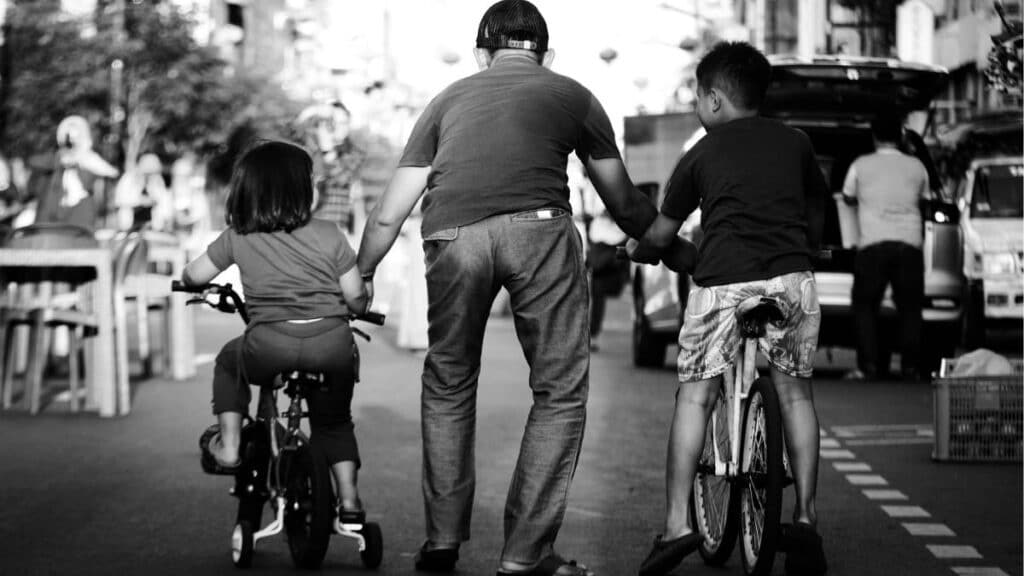
Father’s Day is calculated using a weekday-and-month rule rather than a fixed calendar date. In most countries, it falls on the third Sunday of June, which can land anywhere between June 15 and June 21 depending on the year. In 2026, the third Sunday of June falls on June 21 — coinciding with the summer solstice. Australia and New Zealand observe the first Sunday of September to align with their spring season. Germany uniquely ties Father’s Day to Ascension Day, a Christian feast that moves each year based on the date of Easter.
Other Names and Regional Identities
Father’s Day is known by many names across Indian languages and global communities:
Indian Languages
| Language | Name | Meaning |
|---|---|---|
| Hindi | पितृ दिवस (Pitru Divas) | Father’s Day |
| Bengali | বাবা দিবস (Baba Dibosh) | Father’s Day |
| Tamil | தந்தையர் தினம் (Thanthaiyar Thinam) | Day of Fathers |
| Telugu | తండ్రుల దినోత్సవం (Tandrula Dinotsavam) | Father’s Celebration Day |
| Marathi | वडिलांचा दिवस (Vadilānchā Divas) | Father’s Day |
| Kannada | ತಂದೆಯರ ದಿನ (Tandeyara Dina) | Day of Fathers |
| Gujarati | પિતૃ દિવસ (Pitru Divas) | Father’s Day |
Regional and Cultural Variants
In Nepal, the indigenous celebration is called Kushe Aunsi (also Gokarna Aunsi or Pitri Tirpani Aunsi), observed on the new moon of the Bhadra month (August–September). It is popularly known as Buwaako Mukh Herne Din — “the day for looking at father’s face” — and predates the Western Father’s Day entirely. In South Korea, Father’s Day is subsumed into Parents’ Day (어버이날) on May 8, honoring both parents in the spirit of Confucian filial piety. In French, the day is Fête des Pères; in German, Vatertag; in Arabic, عيد الأب (Eid al-Ab).
Origins, History, and Background

Ancient and Religious Roots
The celebration of fatherhood has ancient roots in Catholic Europe, where Saint Joseph’s Day on March 19 was observed as a tribute to the foster father of Jesus Christ. Referred to as Nutritor Domini (“Nourisher of the Lord”) in Catholic theology, St. Joseph became the patron of fatherhood. This tradition began as early as the 14th or 15th century, encouraged by the Franciscan order, and spread through Catholic Europe to Latin America via Spanish and Portuguese colonizers. Countries including Spain, Portugal, Italy, and Bolivia still observe Father’s Day on March 19.
The Coptic Orthodox Church observes it on July 20, while the Eastern Orthodox Church honors the ancestors of Christ — beginning with Adam and Abraham — on the Sunday of the Forefathers in mid-December.
The Modern Origins
The modern, secular Father’s Day was born in the United States. In 1908, Grace Golden Clayton proposed honoring fathers after a mining disaster in West Virginia killed 362 men. It was Sonora Smart Dodd of Spokane, Washington, however, who is most credited with founding the day. Raised by her widowed father alongside five siblings, Sonora was moved during a Mother’s Day church sermon in 1909 to advocate for an equivalent day for fathers. The first celebration took place on June 19, 1910.
National recognition came slowly. President Calvin Coolidge recommended the day in 1924, but it was not permanently established as a US federal holiday until 1972 under President Richard Nixon. From there, its observance spread rapidly worldwide through American cultural and media influence.
Key Timeline: 1508 — Catholic Europe observes St. Joseph’s Day as Father’s Day · 1910 — First modern Father’s Day in Spokane, USA · 1924 — US President endorses the observance · 1972 — Established as a permanent US federal holiday · 2021 — Russia formally establishes Father’s Day on the third Sunday of October.
Cultural and Spiritual Significance
Father’s Day carries profound meaning across cultures. In the Indian tradition, Pitru Devo Bhava — a Vedic injunction meaning “regard your father as God” — reflects the deep spiritual reverence for the paternal role. The father is the first teacher (guru), the first example of discipline and duty, and in many households, the silent force behind every achievement.
Globally, Father’s Day is significant as a counterweight to the emotional distance that modern life can create between fathers and children. It provides a socially sanctioned moment to say what is rarely said — to bridge the silence that often defines father-child relationships, particularly in cultures where emotional expression is shaped by ideas of strength and stoicism.
For the Indian diaspora, Father’s Day takes on added resonance. Millions of Indians in the USA, UK, Canada, UAE, and Australia use this occasion to connect across continents — through international calls, surprise gift deliveries to parents back home, family video dinners, and heartfelt social media tributes that transcend geography.
Prayers and Religious Observances

Unlike classical Hindu festivals, Father’s Day has no prescribed mantras or rituals. However, many Indian families naturally weave their spiritual traditions into the celebration.
Hindu families often begin the day with a simple puja, reciting Pitru Devo Bhava as a blessing for their father’s long life. The Sanskrit phrase Deerghaayu bhava — “may you live long” — is a common blessing offered by children. Some families visit a temple together.
Christian communities in Kerala, Nagaland, and Goa observe Father’s Day with special Sunday church services and sermons on fatherhood. Carnations are traditionally given to fathers after the service.
Nepal’s Kushe Aunsi is the most elaborate indigenous observance: Hindu families visit the Gokarneswor Mahadev temple in Gokarna, Kathmandu, to offer shraddha prayers for both living and deceased fathers. Children perform tika on their father’s forehead and offer sweets and gifts.
How Father’s Day Is Celebrated Across India
Father’s Day is observed primarily in India’s metropolitan cities, though digital culture has significantly expanded its reach.
In Mumbai, Delhi, Bengaluru, Hyderabad, Chennai, and Pune, families mark the day with restaurant outings, curated gifts, and home celebrations. Schools and activity centres organize Father’s Day craft events in advance. Shopping malls run themed promotions and children’s programs.
In Kolkata and Eastern India, families prepare a father’s favourite home-cooked meal — often a fish preparation such as ilish or chingri malai curry — as the centrepiece of an intimate family gathering.
In Kerala and Nagaland, where Christianity has deep roots, Father’s Day is observed with Sunday church services and community prayers, followed by family meals.
In smaller towns and rural areas, the day has quietly grown through mobile connectivity. A voice note, a video call, or a WhatsApp message to a father in a home village carries the full meaning of the occasion — and in many ways, more than any gift could.
Participation Across Religions in India
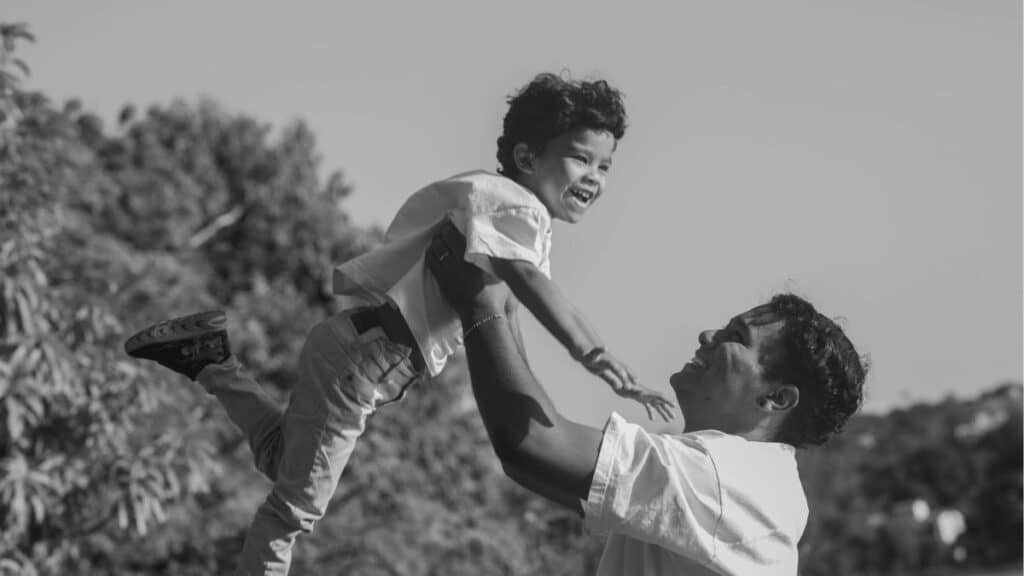
One of the most meaningful aspects of Father’s Day in India is its universal reach across communities. While no religion prescribes Father’s Day, its message of honouring the paternal bond resonates across all faiths.
Hindu families connect the day to the tradition of Pitru Devo Bhava. Muslim families celebrate with gatherings and gifts, aligning with Islamic values of respecting parents. Christian communities mark it with church services and family meals. Sikh families may offer an Ardas at the Gurdwara or recite Gurbani in their father’s name. Jain families express gratitude toward their elders in keeping with their values of reverence and compassion. Father’s Day in India is, in this way, one of the few celebrations that is genuinely and naturally inclusive across every community.
How Father’s Day Is Celebrated Outside India
Indian diaspora communities across the world celebrate Father’s Day through community events, temple gatherings, cultural programs, family dinners, and social media tributes.
In the USA and Canada, diaspora families often blend traditions — preparing an Indian meal at home while also following the local customs of greeting cards and outings. For those with fathers still in India, surprise gift deliveries and family video calls bridge the distance.
In the UK, South Asian communities in London, Leicester, and Birmingham celebrate with temple visits, family restaurant dinners, and increasingly popular community cricket matches organized for the occasion.
In the UAE, Indian expatriates observe Father’s Day on June 21 with family brunches and heartfelt celebrations. For many Indian fathers working in the Gulf to support families back home, the day carries particular emotional weight.
In Australia and New Zealand, the Indian diaspora follows the local September date, often combining outdoor traditions like barbecues with Indian cuisine and music.
In Germany, Father’s Day falls on Ascension Day (May 14, 2026) — a federal public holiday — where a unique tradition of group hiking tours with wagons of food and drink has been observed since the 18th century. Indian-Germans may also observe a family celebration on the globally popular June date.
Father’s Day Gifting Traditions

Gifting is central to Father’s Day celebrations worldwide. In India, popular gifts include clothing (shirts, kurtas), electronic gadgets, watches, books, and greeting cards. Increasingly, experiential gifts — dining together, day trips, spa experiences, or tickets to a sporting event — are considered more meaningful than material items. A home-cooked meal of the father’s favourite dishes remains, for many Indian families, the most cherished gesture of all.
In the diaspora, digital gifting is standard: e-gift cards, international courier deliveries of Indian sweets or sarees to parents back home, and restaurant bookings arranged from abroad. Some diaspora children organise a dinner for their father in India — ordering and paying from halfway across the world — a modern expression of love across distance.
Globally, Japanese families traditionally gift sake and shochu, German families give beer and ham, and in Thailand, canna flowers are the symbolic gift of the day. Across cultures, the impulse is universal: to offer something that says, I thought of you.
Father’s Day Foods and Culinary Traditions
Father’s Day has no prescribed festive cuisine, but food is central to how almost every culture marks the day. In Indian households, cooking a father’s favourite meal is the most meaningful gesture.
Common Father’s Day culinary traditions include:
North Indian home feasts — dal makhani, butter chicken or paneer, jeera rice, and kheer
Bengali fish preparations — ilish (hilsa) or chingri malai curry, the ultimate expressions of love in Bengali homes
South Indian special meals — Chettinad biryani, appam with stew, or a regional sadya spread
Father’s Day cakes — increasingly popular in Indian cities, from fondant-decorated custom cakes to seasonal mango desserts
Barbecues (USA/Australia) — outdoor grilling with steaks, burgers, and corn is the Western Father’s Day culinary tradition
Restaurant dining — special Father’s Day brunch and dinner menus are one of the biggest urban dining occasions of the year in India and the diaspora
Music, Art, and Cultural Expression
Music plays a powerful role in how Father’s Day is experienced emotionally. In India, Bollywood songs about fathers hold a deep cultural place — tracks that speak to the complexity, tenderness, and occasional silence of the father-child bond trend widely on social media around the occasion and have become the unofficial anthems of Father’s Day.
In the West, songs like Father and Son by Cat Stevens and Dance with My Father by Luther Vandross are perennial Father’s Day classics. Regional Indian cinema — Tamil, Telugu, Malayalam, Kannada — each has a rich catalogue of emotionally resonant father-themed songs that circulate widely around the celebration.
On social media, Father’s Day generates a wave of visual art: hand-drawn portraits by children, tribute reels, and photographic storytelling. Several Indian advertising films about fatherhood have gone globally viral, reflecting a universal desire to understand and appreciate one’s father before time runs short.
Modern Observance and Evolving Practices

Father’s Day has evolved significantly from its early 20th-century roots. Today it is as much a digital event as a physical one, with tribute posts, reels, and video messages serving as a new form of public declaration of love. For younger generations and diaspora communities, a heartfelt Instagram post or a curated video to a father abroad carries as much meaning as a wrapped gift on a doorstep.
There is also a growing movement toward intentional celebration — moving beyond commercial gifting toward meaningful experiences and honest conversations. Mental health advocates note that Father’s Day is an increasingly important moment to encourage fathers to speak about their emotional lives, gently pushing back against the cultural norm of stoic silence.
Eco-conscious gifting — potted plants, organic hampers, digital subscriptions — is growing in popularity. Meanwhile, the broadening of who is honoured on Father’s Day — single mothers raising children alone, grandfathers, uncles, and chosen father figures — reflects a more inclusive understanding of what fatherhood means in modern life.
To wish someone, simple phrases resonate across languages: Happy Father’s Day in English · Shubh Pitru Divas in Hindi · Bonne Fête des Pères in French. But the most meaningful wish is always the most personal — spoken from the heart, not scripted from a card.
Cultural Reflection
Father’s Day, at its heart, is not about the restaurant booking or the perfectly wrapped gift. It is about pausing to recognize a force in your life that often works in silence — the person who rose before dawn so you could sleep, who worked years without complaint so your ambitions could be loud, who may not always have had the words but always had the presence.
Across civilizations — from the Vedic ideal of Pitru Devo Bhava to the Catholic veneration of Saint Joseph to the modern American tradition founded by a daughter who loved her father deeply — fatherhood has been honored as one of the most demanding and quietly heroic roles a human being can inhabit.
For the Indian diaspora, Father’s Day is a bridge across continents and generations. For those who still have their fathers near, June 21, 2026 is an invitation to go beyond the phone call. For those whose fathers are no longer here, it is a day of remembrance and gratitude for all that was given before words could ever be enough.