
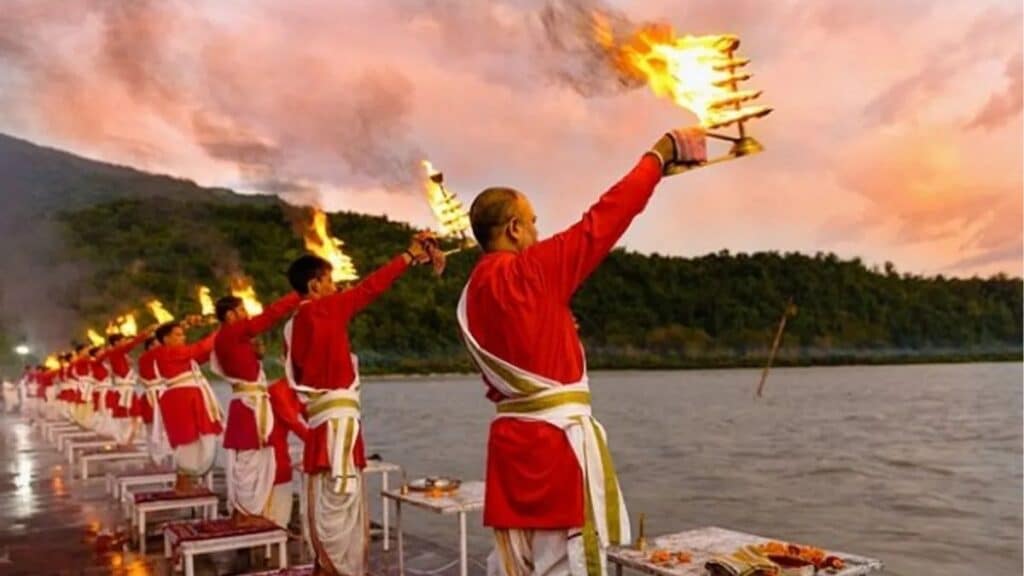
Ganga Dussehra, also known as Gangavataran, is one of the most sacred Hindu festivals dedicated to Goddess Ganga — the divine personification of the holy Ganges river. Celebrated on the tenth day (Dashami) of the waxing moon in the Hindu month of Jyeshtha, the festival commemorates the mythological descent of the celestial river from the heavens to Earth.
The name Dussehra derives from the Sanskrit words Dasha (ten) and Hara (to destroy) — reflecting the belief that a holy dip in the Ganges on this day destroys ten types of sins. The festival is marked by ritualistic bathing, Ganga Aarti, lamp offerings, and acts of charity. Rooted in ancient Hindu mythology and scripture, Ganga Dussehra is both a deeply personal act of devotion and a grand communal celebration observed by millions across India and the global diaspora.
When Is Ganga Dussehra Celebrated in 2026?
Ganga Dussehra falls on the Dashami Tithi (10th day) of Shukla Paksha in the Hindu month of Jyeshtha, typically occurring in May or June.
Ganga Dussehra 2026 Dates in India
- Main Festival: Monday, May 25, 2026
- Dashami Tithi Begins: 04:30 AM on May 25, 2026
- Dashami Tithi Ends: 05:10 AM on May 26, 2026
The most auspicious time for Ganga Snan (holy bath) and puja is the early morning of May 25, particularly during the Brahma Muhurta. The festival celebrations traditionally span ten days, with the Dashami being the most sacred.
Table of Contents
Ganga Dussehra In USA, Canada, Australia, New Zealand, UK, UAE, Singapore 2026 Dates
Ganga Dussehra on Monday, May 25, 2026
- Dashami Tithi Begins – 07:00 PM on May 24, 2026
- Dashami Tithi Ends – 07:40 PM on May 25, 2026
Ganga Dussehra on Monday, May 25, 2026
- Dashami Tithi Begins – 07:00 PM on May 24, 2026
- Dashami Tithi Ends – 07:40 PM on May 25, 2026
Ganga Dussehra on Monday, May 25, 2026
- Dashami Tithi Begins – 09:00 AM on May 25, 2026
- Dashami Tithi Ends – 09:40 AM on May 26, 2026
Ganga Dussehra on Monday, May 25, 2026
- Dashami Tithi Begins – 12:00 AM on May 25, 2026
- Dashami Tithi Ends – 12:40 AM on May 26, 2026
Ganga Dussehra on Monday, May 25, 2026
- Dashami Tithi Begins – 03:00 AM on May 25, 2026
- Dashami Tithi Ends – 03:40 AM on May 26, 2026
Ganga Dussehra on Monday, May 25, 2026
- Dashami Tithi Begins – 07:00 AM on May 25, 2026
- Dashami Tithi Ends – 07:40 AM on May 26, 2026
Why Do the Dates Change Every Year?
Ganga Dussehra follows the Hindu lunisolar calendar, always falling on the Dashami Tithi of Jyeshtha Shukla Paksha. Since this does not align with fixed Gregorian dates, the festival shifts each year between late May and mid-June depending on the lunar cycle. In some years, Ganga Dussehra and Nirjala Ekadashi fall on the same day — considered exceptionally auspicious by devotees.
Ganga Dussehra – Other Names and Regional Identities
Ganga Dussehra is known by several names across India’s linguistic and regional traditions:
- Gangavataran (गंगावतरण) – Sanskrit; meaning “the descent of Ganga”; widely used in religious texts and rituals
- Ganga Dussehra (गंगा दशहरा) – Hindi; the most common name across North India
- Ganga Dashami – Used in some regional contexts referring to the Dashami Tithi
- Ganga Puja – Common in West Bengal and eastern India, where the focus is on ritualistic river worship
- Gangajatra – Used in certain Odia-speaking communities in Odisha
In diaspora communities across the USA, UK, Canada, and Australia, the festival is commonly referred to as Ganga Dussehra or Gangavataran. Some cultural organisations use the English term “Festival of the Sacred Ganges” for broader outreach.
Origins, History, and Legends of Ganga Dussehra
Ganga Dussehra is one of the most mythologically rich festivals of Hinduism, with its origins narrated in the Ramayana, Mahabharata, and Bhagavata Purana.
The central legend is the story of King Bhagiratha, a pious ancestor of Lord Rama, who undertook intense penance for thousands of years to bring the celestial river Ganga from the heavens to Earth. His purpose was to liberate the souls of his 60,000 ancestors — the sons of King Sagara — who had been reduced to ash by the curse of the sage Kapila. Only the waters of the holy Ganga could purify and free their souls.
Moved by Bhagiratha’s devotion, Lord Brahma agreed to release Ganga from his kamandal (water pot). But the force of Ganga’s descent would have destroyed the Earth. Lord Shiva then agreed to receive Ganga in his matted locks, breaking her fall before releasing her gently onto the Himalayan mountains. Ganga flowed down to Earth, washing over the ashes of King Sagara’s sons and liberating their souls — a moment celebrated as Gangavataran.
This event is described in detail in the Bala Kanda of Valmiki’s Ramayana, the Mahabharata’s Anushasana Parva, and the Skanda Purana, all of which describe Ganga as a purifier of sins and a gateway to moksha (liberation).
Cultural and Spiritual Significance
Ganga Dussehra holds significance across spiritual, cultural, and ecological dimensions of Hindu life.
Spiritually, the festival reinforces the belief that the Ganges is not merely a river but a goddess — Ganga Maiya — with the power to cleanse sins and grant liberation. The holy bath on Dashami is believed to remove ten types of sins: three physical, four related to speech, and three mental. Culturally, the festival affirms the sacred geography of India, where rivers are living deities and civilisational anchors.
The festival also carries an ecological message. The Ganges has sustained Indian agriculture, spirituality, and identity for millennia, and Ganga Dussehra is increasingly observed as a reminder to protect and honour the river. Modern celebrations often include river clean-up drives, eco-conscious rituals, and environmental awareness campaigns — giving the festival a contemporary dimension without diluting its traditional meaning.
Prayers and Religious Observances
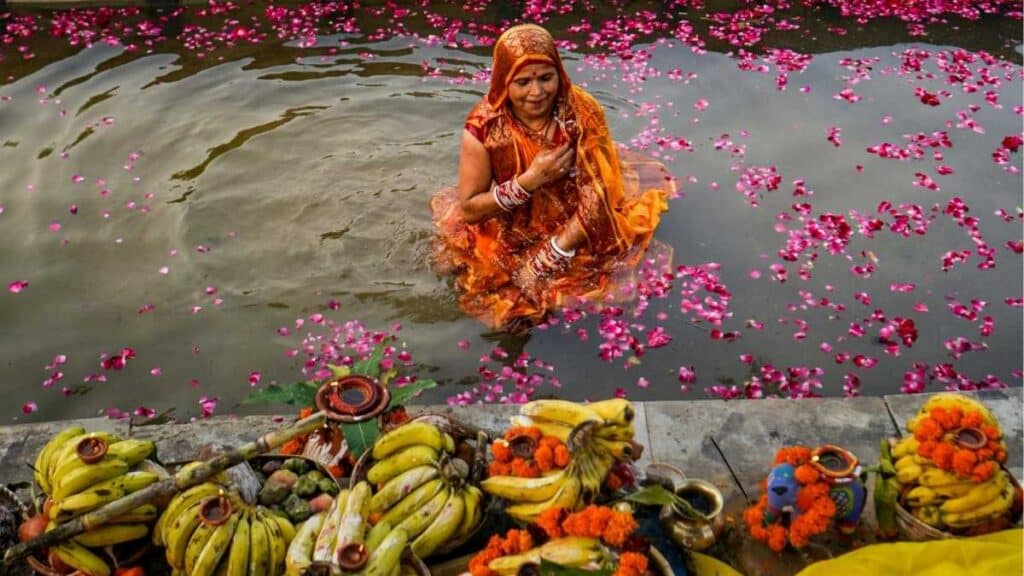
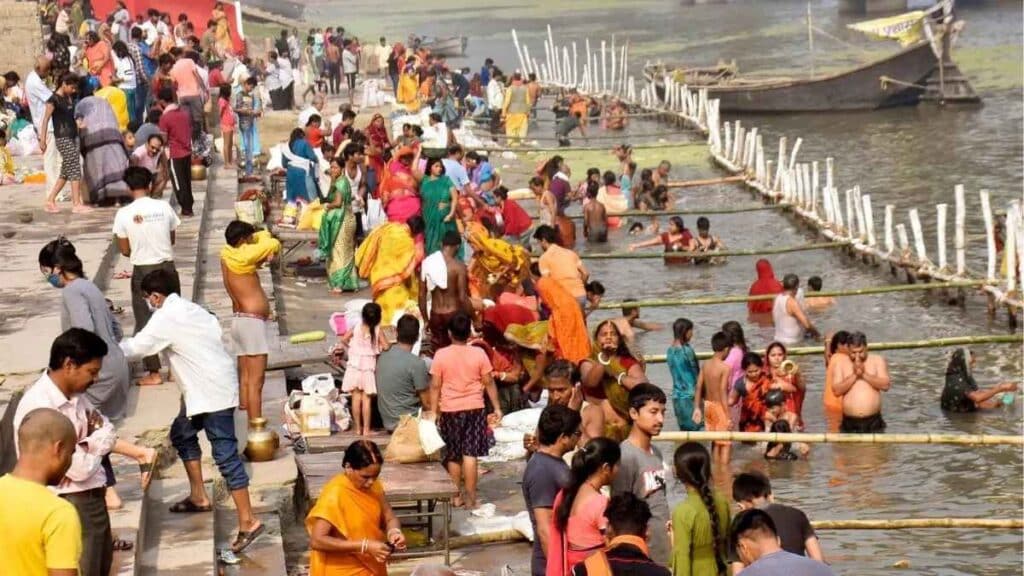
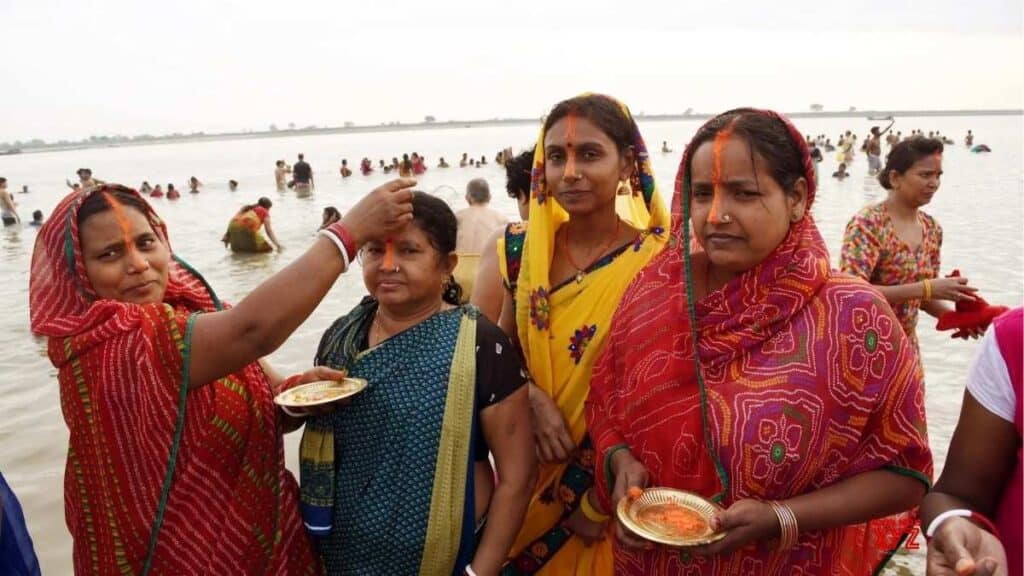
Ganga Snan – The essential ritual of Ganga Dussehra is the sacred bath. Devotees rise before dawn and take a holy dip at the nearest Ganga ghat. Those unable to travel to the river perform a symbolic bath at home using Ganga jal (Ganges water).
Ganga Aarti – The grand lamp-offering ceremony performed at major ghats in Haridwar, Varanasi, Rishikesh, and Patna. At Dashashwamedh Ghat in Varanasi, priests perform the Maha Aarti with large brass diyas, Vedic chants, conch shells, and bells.
Deep Daan – Devotees release small earthen lamps (diyas) on the river as an offering to the goddess and a prayer for departed ancestors.
Dan-Punya (Charitable Giving) – Charity on Ganga Dussehra is considered highly auspicious. Traditional offerings include water, sesame seeds, food, clothing, and donations to priests. Items offered in sets of ten hold special significance on this Dashami festival.
Common prayers include the Ganga Stotra, Ganga Ashtakam, and chanting of “Om Namah Shivaya” and “Jai Gange Mata.”
How Ganga Dussehra Is Celebrated Across India
While the essence of the festival remains consistent, its expressions vary by region.
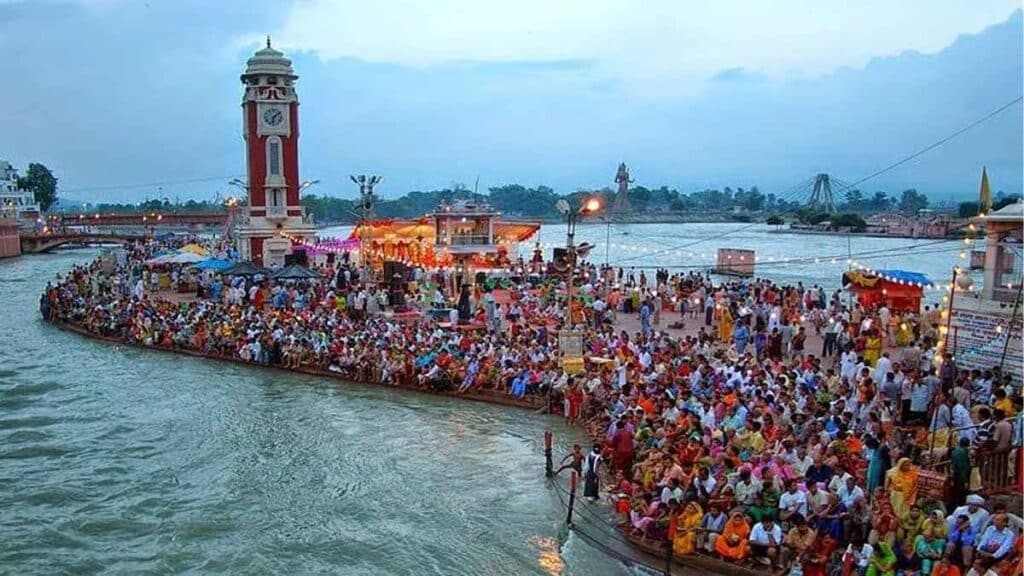
In Haridwar, the Har Ki Pauri ghat draws hundreds of thousands of pilgrims. In 2017 alone, an estimated 15 lakh (1.5 million) people gathered here. The evening Ganga Aarti at Har Ki Pauri is a breathtaking display of devotion.
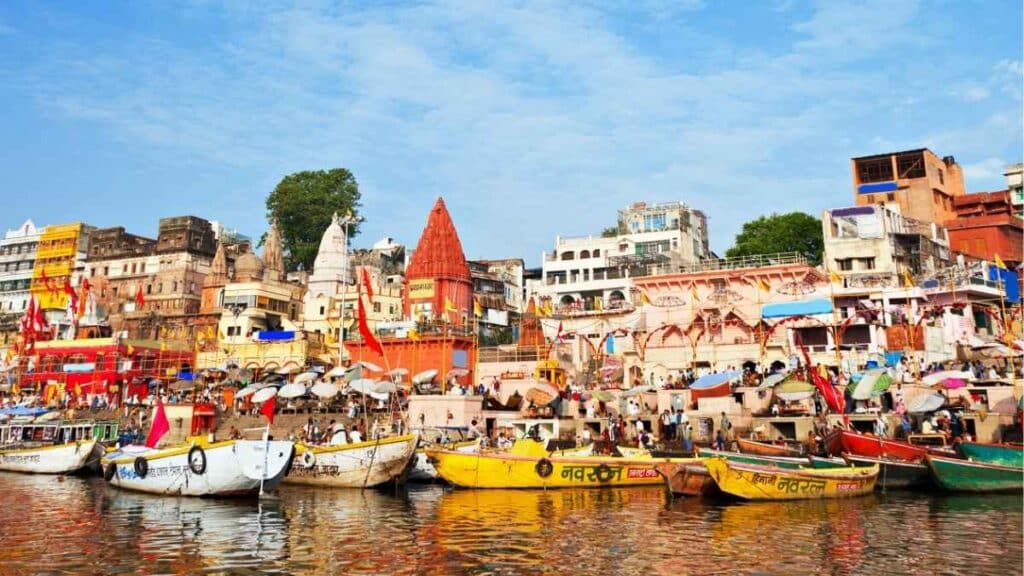
In Varanasi, Dashashwamedh Ghat becomes the heart of celebrations — with Deep Daan, Maha Aarti, and special temple pujas. The ghats glow with thousands of floating diyas as priests recite Vedic hymns through the night.
In Rishikesh, Triveni Ghat hosts morning bath ceremonies and evening aarti for pilgrims and spiritual seekers. Prayagraj (Allahabad) sees large gatherings at the Sangam — the sacred confluence of Ganga, Yamuna, and the mythical Saraswati.
In Patna, a grand evening aarti is performed at Gandhi Ghat, and a spectacular 1,100-metre garland is offered to the river at Adalat Ghat. In West Bengal, Ganga Puja is observed through household and community idol worship of Goddess Ganga.
Interestingly, on the same day, the Yamuna river is also worshipped at Mathura, Vrindavan, and Bateshwar. Devotees offer watermelon and cucumber and distribute refreshing drinks — lassi, sharbat, and shikanji. Kite-flying events are also a popular regional tradition on this day.
Participation Across Religions in India
While Ganga Dussehra is a Hindu festival, the Ganges holds a place in India’s broader cultural consciousness that extends beyond any single faith. Communities from various religious backgrounds participate in the spirit of the celebration, particularly in its environmental and communal aspects.
Sikh communities near the river join in charitable activities. Buddhist communities near Varanasi — the site of the Buddha’s first sermon — use the occasion for riverside meditation and peace offerings. Many secular Indians attend the Ganga Aarti as a cultural experience, recognising the river’s universal significance to Indian civilisation. Interfaith Ganga clean-up drives before and after the festival have become increasingly common, making Ganga Dussehra an inclusive community event alongside its religious observance.
How Ganga Dussehra Is Celebrated Outside India
For the Indian diaspora worldwide, Ganga Dussehra is observed as a spiritual and cultural connection to their roots. While riverside celebrations are not possible for most diaspora members, the festival is marked through temple prayers, home rituals, and community gatherings.
In the USA and Canada, Hindu temples in cities like New York, New Jersey, Toronto, Houston, and Vancouver organise special Ganga Puja and Aarti on the weekend closest to May 25. Many temples offer Ganga jal imported from India for use in home pujas.
In the UK, communities in Leicester, Birmingham, London, and Manchester observe the festival through temple services and devotional programmes. Some organisations arrange symbolic river walks to honour the spirit of Gangavataran.
In the UAE, Dubai and Abu Dhabi’s large Indian expatriate communities hold temple ceremonies and satsangs, with many devotees travelling to India specifically for this festival.
In Australia and New Zealand, temple services and weekend community events mark the occasion, with timing adjusted to local time zones. In Germany and Singapore, Indian cultural organisations and temples feature Ganga Dussehra in their annual Hindu festival calendars.
Gifting Traditions
Ganga Dussehra does not have a mainstream commercial gifting tradition, but thoughtful symbolic gifts are shared among devotees and spiritual communities.
Traditional gifts include Ganga jal (holy Ganges water in copper or brass containers), rudraksha malas, puja thalis with incense, diyas and flowers, and sacred texts such as the Ganga Stotra or Ramayana.
In diaspora communities, popular modern gifts include artisanal Ganga jal kits, donations in the recipient’s name to Ganga restoration organisations like the National Mission for Clean Ganga (NMCG), eco-friendly diya sets, and spiritual subscription boxes — particularly popular among younger generations seeking a meaningful connection to the festival.
Ganga Dussehra Foods and Culinary Traditions
Food plays a central and symbolic role in the festival, shaped by fasting traditions, prasad offerings, and regional celebratory dishes.
Many devotees observe a partial or full fast (vrat) on Ganga Dussehra. Common vrat foods include sabudana khichdi, kuttu atta rotis, makhana kheer, and seasonal fruits with dairy. Prasad offered at Ganga temples typically includes panchamrit (a sacred mixture of milk, curd, honey, sugar, and ghee), laddoos, misri with tulsi leaves, and rice kheer.
At Yamuna worship sites on the same day, watermelon and cucumber are offered to the river and distributed among devotees. Refreshing drinks — lassi, sharbat, and shikanji — are shared as acts of charity and community hospitality.
After the fast ends (parana), families in Uttar Pradesh and Bihar prepare traditional celebratory meals of puri-sabzi and sweets like gulab jamun and jalebi.
Music, Art, and Cultural Expression
The festival’s soundscape is defined by devotional music. The most widely sung Ganga hymn is “Jai Gange Mata”, performed at ghats across India during the Ganga Aarti. Other important compositions include the Ganga Stotra (attributed to Adi Shankaracharya), the Ganga Ashtakam, and bhajans from the Kashi Ganga Mahotsav — a cultural festival held annually in Varanasi around Ganga Dussehra featuring Hindustani classical vocal performances, Odissi and Bharatanatyam recitals, and devotional poetry.
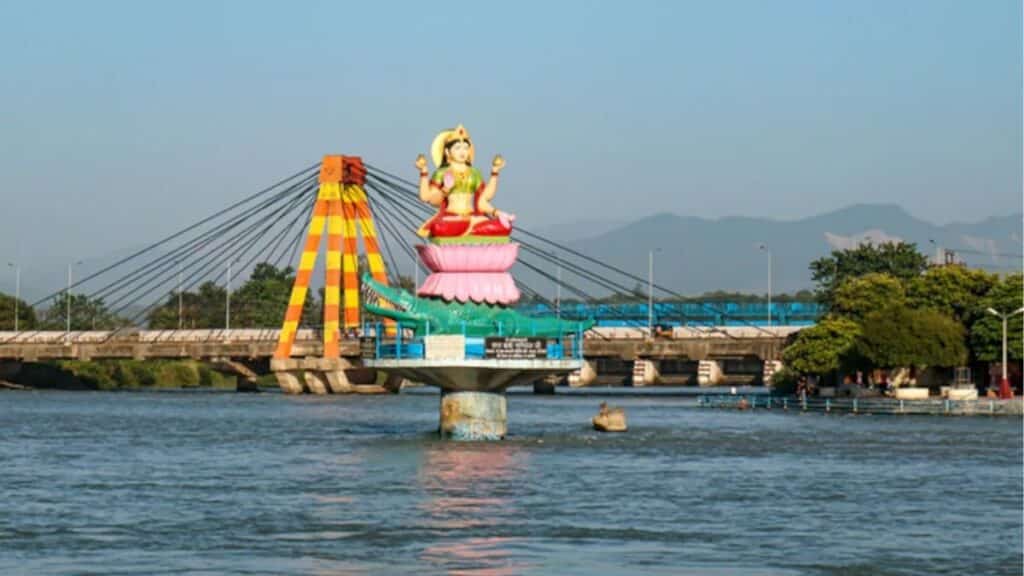
Visually, the festival inspires elaborate rangoli and alpana floor designs depicting Goddess Ganga seated on her makara (crocodile vehicle). Clay idols of the goddess, crafted across West Bengal and eastern India, are worshipped and later immersed in the river. The Ganga Aarti itself — with hundreds of brass diyas moving in unison against the backdrop of a darkened river — is widely regarded as one of the most visually magnificent rituals in all of Indian religious life.
The Haridwar and Varanasi aarti live streams attract millions of viewers globally, making Ganga Dussehra increasingly visible in digital culture and devotional media.
Modern Observance and Evolving Practices
Ganga Dussehra is evolving thoughtfully as communities navigate the balance between tradition and contemporary values.
One of the most significant modern shifts is toward eco-conscious celebration. In response to river pollution, many temples and spiritual organisations now encourage biodegradable diyas, natural flower offerings, and discourage the immersion of synthetic idol materials or chemical-dyed items. Community-organised Ganga clean-up drives have become a regular feature of the festival in major cities.
In urban India, digital devotion has become mainstream — streaming the Varanasi Ganga Aarti, participating in virtual satsangs, and sharing prayers via WhatsApp and Instagram, particularly among younger generations.
Common ways to wish someone on Ganga Dussehra include “Ganga Dussehra ki shubhkamnayein!” (Wishing you auspiciousness), “Jai Gange Mata!” (Victory to Mother Ganga), or simply “Happy Ganga Dussehra!” in English. Social media posts typically feature images of floating diyas and the Ganga Aarti in golden and saffron tones.
Cultural Reflection
Ganga Dussehra is more than a festival — it is a civilisational memory. In honouring the descent of the Ganges, millions of people across India and the world reaffirm their connection to a river that has shaped Indian philosophy, agriculture, spirituality, and daily life across thousands of years.
For the global Indian diaspora, Ganga Dussehra is a thread that runs across geography and time — a reminder of ancestral roots, the glow of floating diyas, and the resonance of “Jai Gange Mata” in the pre-dawn quiet. Whether observed at Har Ki Pauri in Haridwar or in a temple in New Jersey, the festival carries the same essential message: that the divine flows through the natural world, and our greatest act of devotion is to honour, protect, and celebrate it.
Jai Gange Mata 🙏