
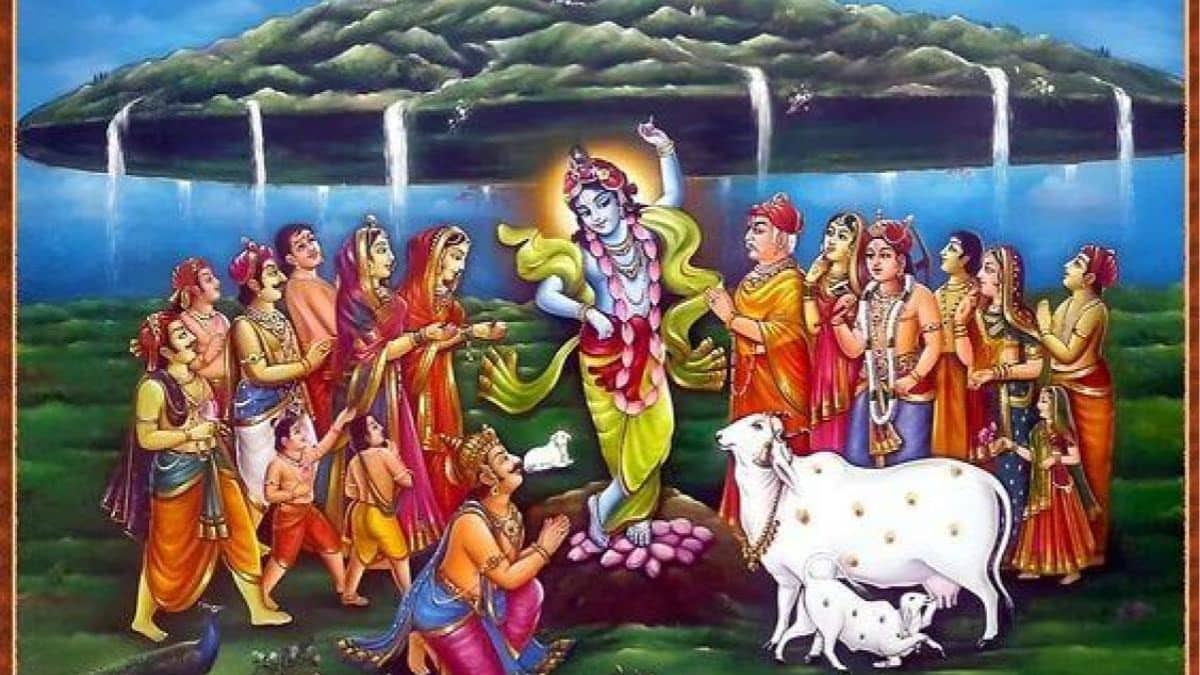
Govardhan Puja, also known as Annakut, is one of the most heartfelt Indian festivals in the Hindu calendar. Celebrated on the fourth day of Diwali, it marks the day Lord Krishna lifted the Govardhan Hill to protect the people of Braj from Indra’s wrath. The name Annakut means “mountain of food,” reflecting the festival’s most beloved tradition — offering an extraordinary variety of vegetarian dishes to Lord Krishna as an act of gratitude and devotion.
Rooted in the Bhagavata Purana, Govardhan Puja celebrates the relationship between the devotee and the divine, between humanity and nature. It is a day to honor the earth’s abundance, express collective gratitude, and renew one’s faith in God’s protection.
Govardhan Puja is observed across India and by Hindu communities worldwide, holding special significance in Vaishnava traditions including the Pushti Marg, Gaudiya, and Swaminarayan Sampradayas.
When Is Govardhan Puja Celebrated in 2026?
Govardhan Puja falls on the Pratipada Tithi (first lunar day) of Shukla Paksha in the month of Kartik — the fourth day of the five-day Diwali festival.
Govardhan Puja 2026 Date in India Tuesday, November 10, 2026 Govardhan Puja Pratahkala Muhurat: 6:40 AM – 8:50 AM IST (Duration: 2 Hours 10 Minutes)
| Panchang Detail | Timing |
|---|---|
| Pratipada Tithi Begins | 12:31 PM on November 9, 2026 |
| Pratipada Tithi Ends | 2:00 PM on November 10, 2026 |
| Diwali 2026 | Monday, November 9, 2026 |
| Bhai Dooj 2026 | Wednesday, November 11, 2026 |
Table of Contents
Govardhan Puja In USA, Canada, Australia, New Zealand, UK, UAE, Singapore 2026 Dates
Govardhan Puja on Monday, November 9, 2026
- Govardhan Puja Pratahkala Muhurat – 06:36 AM to 08:37 AM
- Govardhan Puja Sayankala Muhurat – 02:42 PM to 04:43 PM
Govardhan Puja on Monday, November 9, 2026
- Govardhan Puja Pratahkala Muhurat – 07:04 AM to 09:03 AM
- Govardhan Puja Sayankala Muhurat – 02:59 PM to 04:58 PM
Govardhan Puja on Tuesday, November 10, 2026
- Govardhan Puja Pratahkala Muhurat – 05:53 AM to 08:39 AM
- Govardhan Puja Sayankala Muhurat – 04:56 PM to 07:30 PM
Govardhan Puja on Monday, November 9, 2026
- Govardhan Puja Pratahkala Muhurat – 07:08 AM to 08:58 AM
- Govardhan Puja Sayankala Muhurat – 02:29 PM to 04:20 PM
Govardhan Puja on Monday, November 9, 2026
- Govardhan Puja Sayankala Muhurat – 03:22 PM to 05:34 PM
Govardhan Puja on Tuesday, November 10, 2026
- Govardhan Puja Pratahkala Muhurat – 06:47 AM to 09:11 AM
Why Does the Date of Govardhan Puja Change Every Year?
Govardhan Puja follows the Hindu lunisolar calendar, not the Gregorian calendar. It is fixed to the Pratipada Tithi of Shukla Paksha in Kartik month, which shifts roughly 10–11 days each year against the solar calendar.
Additionally, if Pratipada Tithi begins late in the day on Amavasya (the Diwali night), the puja may fall on the same day as Diwali or one day after.
In 2026, Pratipada begins at 12:31 PM on November 9, placing Govardhan Puja firmly on November 10.
Govardhan Puja Other Names and Regional Identities
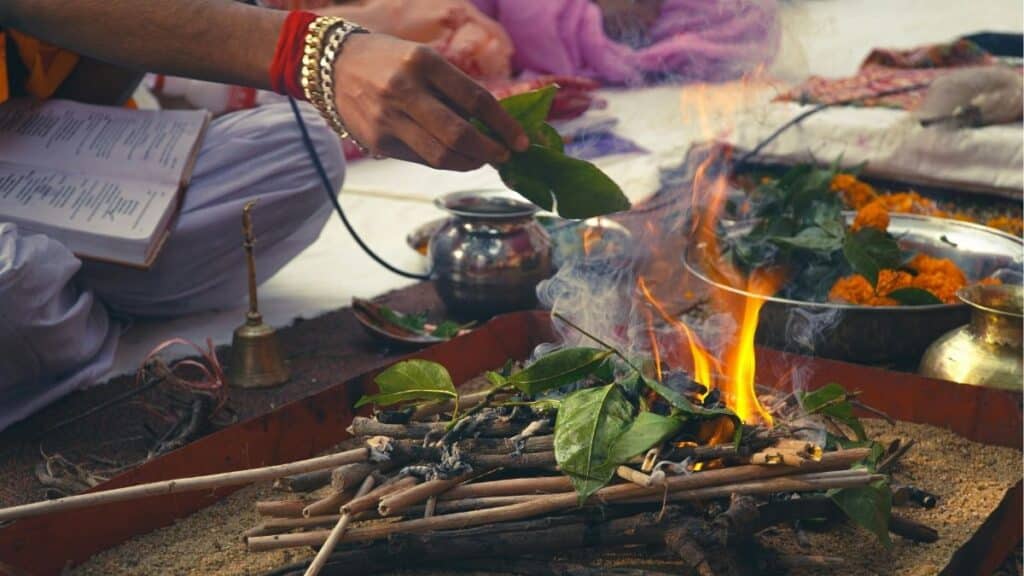
Govardhan Puja is known by several names across India’s regions and communities:
Annakut / Annakoot — “Mountain of food”; the name used in temple settings, especially in Pushti Marg, ISKCON, BAPS, and Swaminarayan traditions worldwide.
Bali Pratipada / Bali Padva — Maharashtra’s name for the day, commemorating Lord Vamana’s victory over King Bali and Bali’s annual return to earth.
Bestu Varas — Gujarati New Year celebrated on the same day; merchants perform Chopda Puja (worship of new account books) and seek blessings for the business year ahead.
Dyuta Krida — The day is also associated with the legendary dice game of the Mahabharata.
Govardhan Puja / Govardhana Puja — Standard name in Hindi and Sanskrit, widely used across North India.
In the diaspora, the festival is commonly referred to as Govardhan Puja, Annakut, or informally as “the day after Diwali.” ISKCON temples call it Annakut Day; BAPS centers call it Annakut Utsav.
The Origins, History, and Legends of Govardhan Puja
Govardhan Puja is rooted in the Bhagavata Purana, one of the most sacred texts of the Vaishnava tradition. The story unfolds in Braj, the pastoral region near Mathura where Krishna spent his childhood with the cowherd community.
Each year, the villagers of Braj performed elaborate rituals to honor Indra, the god of rain and thunder, seeking good harvests. Young Krishna encouraged them instead to worship Govardhan Hill — which provided their cattle with fresh grass, clean water, and forest shelter. The villagers listened and redirected their offerings to the hill.
Indra, enraged by this perceived disrespect, unleashed seven days of devastating storms upon Braj. To protect the community, Krishna effortlessly lifted the entire Govardhan Hill on the little finger of his left hand, sheltering everyone beneath it until Indra relented and acknowledged Krishna’s supremacy.
After this victory, Krishna established the tradition of worshipping Govardhan Hill through a grand food offering — the giriyajna. This became Annakut, a tradition that continues to this day.
The Govardhan story is narrated in the 10th Canto of the Bhagavata Purana (Chapters 24–26) and referenced in the Harivamsa and Vishnu Purana. The tradition of parikrama (circumambulation) of Govardhan Hill was later established by Sri Chaitanya Mahaprabhu in the 15th–16th century, spreading the festival’s observance across India and the world.ance, the king worshipped her on Kartik Shukla Shashthi and was blessed with a healthy child.
Govardhan Puja: Cultural and Spiritual Significance
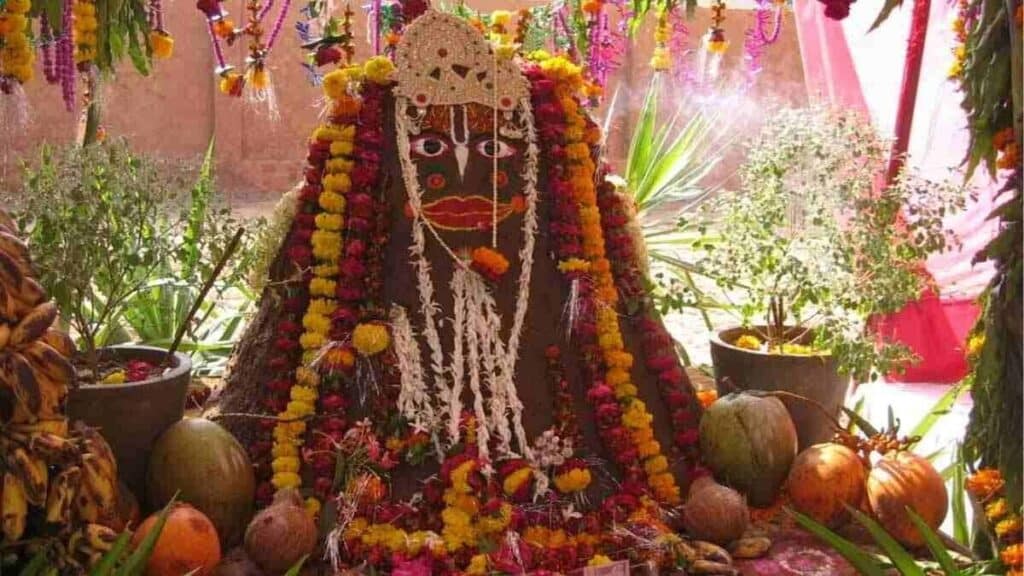
Govardhan Puja is a festival of gratitude, protection, and surrender. Its central act — offering a mountain of food to the divine — symbolizes the acknowledgment that all abundance flows from God and must be returned with thanksgiving.
The festival also carries a profound eco-spiritual message. By redirecting worship toward Govardhan Hill rather than a deity of weather, Krishna celebrated the tangible gifts of the natural world: fertile land, fresh water, and nurturing vegetation. In this sense, Govardhan Puja is among the oldest expressions of reverence for nature in Hindu tradition.
The cow, central to the festival’s rituals, represents abundance and the sustainer of agrarian life. For Gujarati Hindus, the day marks a fresh start as Bestu Varas — a time to settle old accounts, forgive debts, and embrace new beginnings.
For Maharashtrian families, Bali Pratipada is a day to welcome the generous king Bali’s annual visit. The festival holds multiple layers of meaning that resonate across communities and generations.
Govardhan Puja Prayers and Religious Observances
Govardhan Puja rituals begin at sunrise with a ritual bath, followed by the preparation of the Govardhan Hill effigy. The typical home observance includes:
- Creating the Govardhan Hill: Families shape cow dung into the form of Govardhan Hill, decorating it with flowers, grass, and miniature cow figurines.
- Chappan Bhog: 56 vegetarian food items are prepared and offered to Lord Krishna. The number represents the meals Krishna ate in a single day as a child.
- Puja and Aarti: Devotees light diyas, offer incense, and sing Govardhan kirtans and devotional hymns.
- Circumambulation: Family members walk around the effigy clockwise, replicating the sacred parikrama of Govardhan Hill.
- Prasad distribution: The offered food is shared with family, neighbors, and guests as prasad.
In temples — particularly Pushti Marg, ISKCON, BAPS, and Swaminarayan mandirs — sadhus begin arranging the Annakut display from early morning, building grand tiered arrangements of hundreds to thousands of dishes. Key mantras chanted include the Govardhan Dharan Stotra, Govardhanashtaka, and Govardhan Aarti.
How Govardhan Puja Is Celebrated Across India
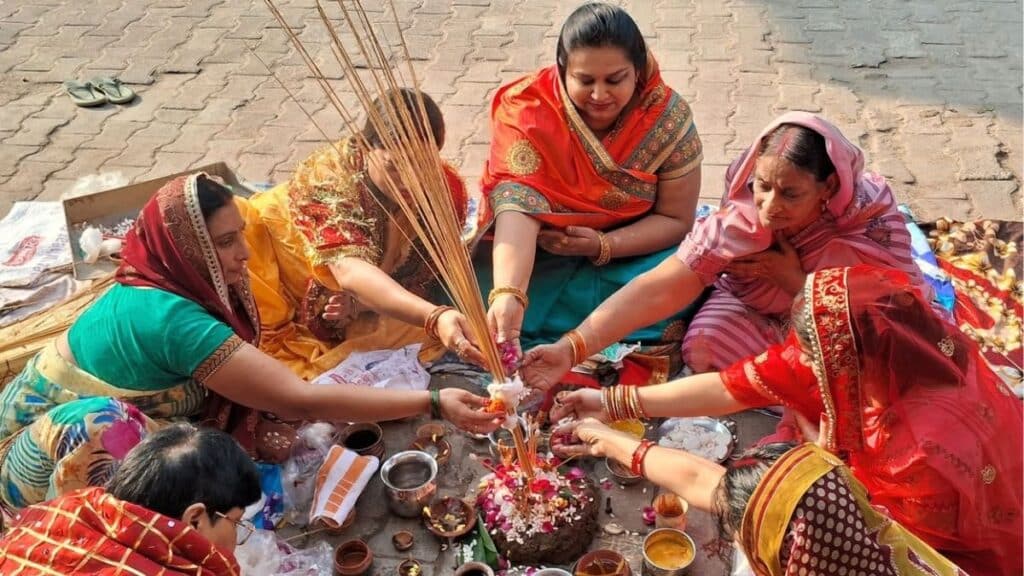
While the spirit of Govardhan Puja is consistent, its expressions vary richly by region.
In Braj — Mathura, Vrindavan, and Govardhan — the festival reaches its grandest form. Hundreds of thousands of pilgrims undertake the 11-mile parikrama of Govardhan Hill. Some devotees perform dandavat pranam — full-body prostrations with each step — a process that takes 10 to 12 days. The Pushti Marg temples in Nathdwara display spectacular Annakut arrangements.
In Gujarat, the day is Bestu Varas, the Gujarati New Year. Businesses open new account books, shopkeepers welcome customers with sweets, and families wear new clothes. The festive energy blends spiritual devotion with New Year joy.
In Maharashtra, Bali Pratipada is observed with family rituals honoring King Bali’s return from the underworld, as granted by Lord Vamana.
In Rajasthan, the Shrinathji temple at Nathdwara stages one of the most celebrated Annakut displays in the world, drawing pilgrims from across India.
In West Bengal, Gaudiya Vaishnava communities — especially at ISKCON’s Kolkata center — celebrate with kirtan and prasad.
Participation Across Religions in India
While Govardhan Puja is rooted in Vaishnava Hindu tradition, its spirit of gratitude and shared celebration extends beyond religious lines. The distribution of Annakut prasad is open to all in most temples and community gatherings, regardless of faith or background.
In the Braj region, the Govardhan parikrama welcomes pilgrims of all castes and communities, reflecting the egalitarian spirit of the Bhakti movement. In cosmopolitan cities and mixed neighborhoods, the festival coincides with Diwali, when Sikhs celebrating Bandi Chhor Divas, Jains observing Mahavira’s nirvana anniversary, and communities of other faiths are simultaneously engaged in their own celebrations, creating a shared festive atmosphere.rengthens neighborhood bonds, creating collaborative festive atmospheres that transcend religious divisions.
How Govardhan Puja Is Celebrated Outside India
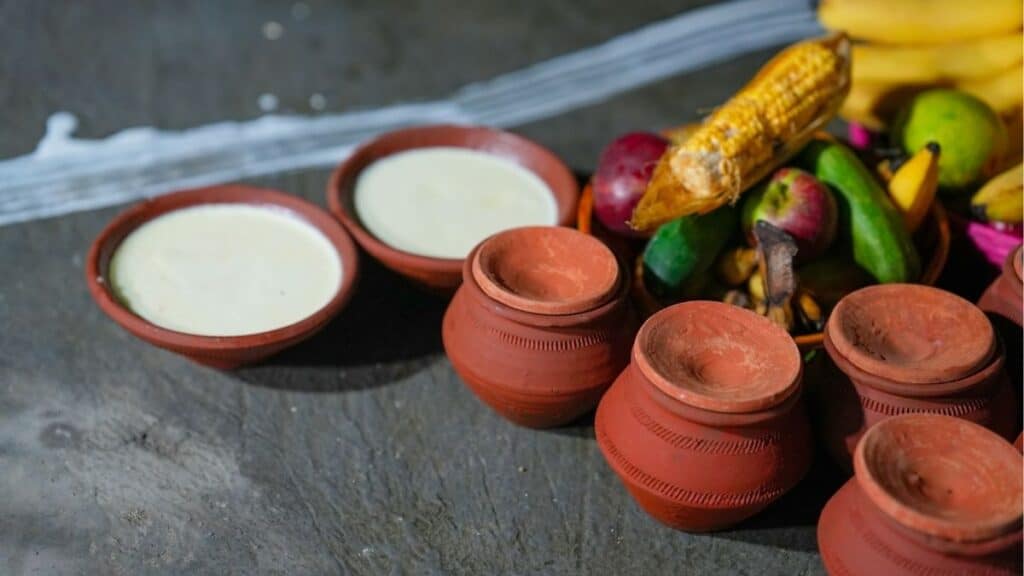
Govardhan Puja is celebrated with great enthusiasm by Hindu diaspora communities across the world. Major Indian immigrant communities in the UK, USA, Canada, UAE, Australia, New Zealand, Singapore, and Europe observe the day through both home rituals and large community gatherings at mandirs.
United Kingdom: The BAPS Swaminarayan Mandir in Neasden, London hosts one of the most spectacular Annakut celebrations outside India. ISKCON temples in Watford, Leicester, and Manchester hold public festivals. Leicester, home to one of the world’s largest Hindu populations outside India, marks Govardhan Puja weekend as a major cultural occasion.
USA and Canada: ISKCON and BAPS mandirs across New York, New Jersey, Houston, Chicago, Los Angeles, Toronto, and Vancouver organize large Annakut Utsav events. Due to time differences, many North American communities celebrate on the nearest weekend, making it a family reunion occasion.
UAE: Dubai and Abu Dhabi’s large Indian community observes the festival at Hindu temples and through community events organized by cultural associations.
Australia and New Zealand: BAPS and ISKCON centers in Sydney, Melbourne, Auckland, and Wellington host Annakut programs. The evening timing (5:10 PM AEDT) makes it well suited for after-work community gatherings.
Germany and Singapore: BAPS Swaminarayan centers and Hindu cultural associations in Frankfurt, Berlin, and Singapore organize temple programs and community celebrations.
Govardhan Puja Gifting Traditions
Govardhan Puja is not a commercial gift-giving festival, but meaningful exchanges of food, sweets, and goodwill are deeply embedded in its spirit. The most sacred “gift” is prasad — food offered to Krishna and shared as his blessing. Families exchange Chappan Bhog sweets like peda, laddoo, barfi, and halwa with neighbors and friends.
For Gujarati communities, Bestu Varas gifting includes boxes of dry fruits, sweets, silver coins, and new clothes. In the diaspora, gourmet mithai boxes, artisanal hampers, and temple donations made in a loved one’s name are popular modern expressions of the gifting tradition. Eco-friendly festival gifts — organic ghee, natural diya sets, and sustainable devotional items — are also growing in popularity., environmental consciousness—avoiding ostentation and preferring natural, useful items.
Govardhan Puja Foods and Culinary Traditions
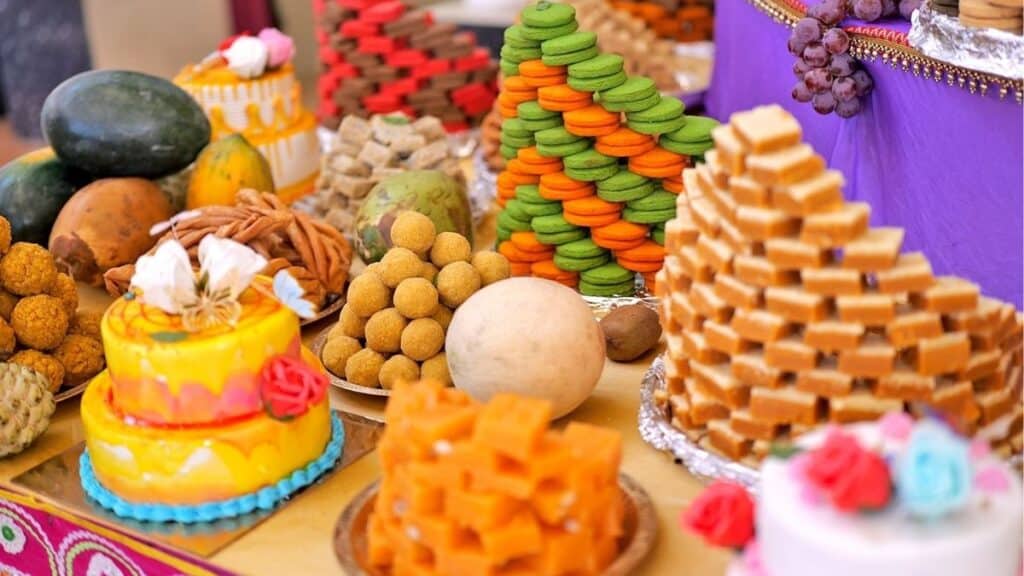
Food is the living soul of Govardhan Puja. The festival’s very name, Annakut (“mountain of food”), reflects this centrality.
Chappan Bhog — The 56 Sacred Offerings The most important culinary tradition is the Chappan Bhog — 56 food items offered to Lord Krishna, representing the meals he ate as a child. The spread typically includes:
- Sweets: peda, laddoo, barfi, halwa, kheer, malpua, jalebi, shrikhand, mohanthal
- Savories: mathri, chakki, namkeen, kachori, sev
- Grain dishes: steamed rice, khichdi, puri, roti
- Vegetables and curries: paneer dishes, aloo sabzi, dal, kadhi
- Dairy offerings: milk, dahi, makkhan, mishri
- Seasonal fruits
In Maharashtra, puran poli and Batata Bhaji are prepared for Bali Pratipada. In Gujarat, mohanthal, sukhdi, and dal-baati are part of the Bestu Varas feast. In Braj, dairy-based preparations hold special significance, reflecting Krishna’s beloved diet.
Govardhan Puja: Music, Art, and Cultural Expression
Music fills the atmosphere of Govardhan Puja. In Braj, devotional singers perform Govardhan kirtans through the night of Diwali and into the puja day. The Govardhan Aarti and Annakut kirtans poetically describe each dish being offered to Krishna as an act of loving devotion. The Govardhanashtaka, a Sanskrit hymn by Vallabhacharya, is chanted in Pushti Marg temples.
In BAPS and Swaminarayan mandirs, sadhus and devotees sing thaal — devotional hymns describing the Annakut food items — before a grand aarti. ISKCON temples worldwide perform Gaudiya kirtan with mridanga drums and karatalas, filling the day with the Hare Krishna maha-mantra.
Homes and temple courtyards are decorated with rangoli — intricate floral and geometric patterns in colored powders and flower petals. Govardhan-themed rangoli often depicts the hill, Krishna lifting it, cows, and the Braj landscape. In the Braj region, Rasleela performances enacting the Govardhan episode are staged during the festival period.
Govardhan Puja’s Modern Relevance and Cultural Continuity

Govardhan Puja has adapted gracefully to contemporary life. Urban families who may not have access to cow dung for the traditional effigy use clay or printed images as respectful substitutes. Ready-made Annakut thali sets and Chappan Bhog boxes from Indian sweet shops and online platforms have made the food offering tradition accessible to busy households.
Eco-consciousness has found a natural home in modern Govardhan Puja — the festival’s celebration of the hill, cow, and earth’s abundance aligns closely with environmental awareness. Many communities now emphasize organic, locally sourced Annakut ingredients and sustainable prasad packaging.
Social media has transformed how the festival is shared globally. Annakut displays at major temples are livestreamed and shared widely, allowing diaspora communities to participate virtually.
How to wish someone on Govardhan Puja:
- Govardhan Puja ki Shubh Kaamnayein — Wishing you auspiciousness on Govardhan Puja
- Happy Govardhan Puja / Happy Annakut — widely used in diaspora communities
- Jai Govardhan / Jai Giriraj — devotional greeting among Vaishnava communities
- Bestu Varas ni Shubhkamna — Gujarati New Year wishes
- Shubh Bali Pratipada — Marathi greeting
Cultural Reflection
Govardhan Puja endures because it speaks to something universal: the need to pause, give thanks, and reconnect with what sustains us. In a world that often separates abundance from awareness, the act of offering a mountain of food in gratitude carries a message that transcends its mythological origins.
For the Indian diaspora, Govardhan Puja is a powerful anchor of cultural continuity. The preparation of Chappan Bhog in a kitchen in London, the parikrama of a makeshift Govardhan effigy in a Toronto living room, the sounds of Govardhan kirtan from a temple in Singapore — each of these acts reaffirms a living connection to a tradition thousands of years old, carried forward with love and reverence into new contexts.
Govardhan Puja reminds us that the earth’s gifts are sacred, protection comes through surrender, and the highest form of gratitude is to share what you have with the world.