
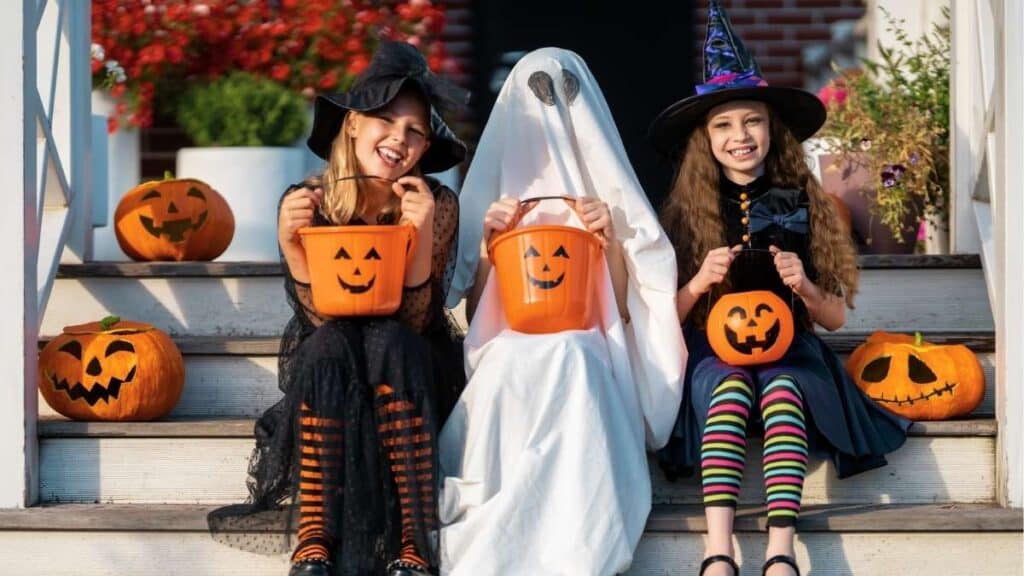
Halloween is one of the most widely recognised and commercially vibrant festivals in the world, celebrated every year on 31 October. Known for costumes, trick-or-treating, jack-o’-lanterns, and all things spooky, Halloween has grown from its roots in Christian and Celtic tradition into a global cultural event embraced by millions across continents. The festival marks the eve of All Saints’ Day and falls at the beginning of Allhallowtide — a Christian period of remembrance for saints, martyrs, and the faithful departed. Over centuries, it has evolved into a celebration that blends solemnity with playfulness, inviting people to confront themes of death and the supernatural through community, creativity, and costume.
Halloween is a celebration observed on 31 October in many countries around the world. It marks the eve of the Western Christian feast of All Hallows’ Day and sits at the beginning of Allhallowtide — the three-day liturgical period dedicated to remembering the dead. In popular culture, Halloween has become synonymous with costumes, haunted houses, candy, and the macabre.
It is observed by Western Christians as a religious vigil and by people of all backgrounds as a secular cultural event. Through American cultural influence, the holiday has spread across Europe, Asia, Australia, and urban India, becoming one of the most recognisable festivals on the global calendar.
When Is Halloween in 2026?
Halloween is always observed on 31 October each year. Unlike lunar festivals, Halloween follows the fixed Gregorian calendar and does not change its date. In 2026, Halloween falls on Saturday, 31 October — making it a particularly festive year, as the weekend timing allows for extended celebrations, larger events, and more community participation across the globe.
Table of Contents
Halloween In USA, Canada, Australia, New Zealand, UK, UAE, Singapore 2026 Dates
Halloween is on 31 October 2026, Saturday
Halloween is on 31 October 2026, Saturday
Halloween is on 31 October 2026, Saturday
Halloween is on 31 October 2026, Saturday
Halloween is on 31 October 2026, Saturday
Halloween is on 31 October 2026, Saturday
Why Halloween’s Date Does Not Change
Unlike festivals such as Holi, Diwali, or Eid that follow lunar calendars, Halloween is fixed to the solar Gregorian calendar on 31 October. This date was established in Christian tradition as the eve of All Saints’ Day (All Hallows’ Day) on 1 November — a feast that has been observed on this date since the 9th century. Because the Gregorian calendar is solar, 31 October never shifts, making Halloween one of the few major festivals with a permanent annual date.
Other Names and Regional Identities
Halloween is known by several names across cultures and traditions:
- Hallowe’en — traditional spelling, a contraction of “All Hallows’ Eve”
- All Hallows’ Eve / All Saints’ Eve — formal Christian names
- Allhalloween — older archaic variant
- Samhain (Irish/Scottish Gaelic) — the ancient Gaelic festival from which many Halloween customs derive, observed from sunset on 31 October to 1 November
- Calan Gaeaf (Welsh), Kalan Gwav (Cornish), Kalan Goañv (Breton) — Celtic regional names meaning “first day of winter”
In India, the festival is referred to simply as Halloween across English-speaking communities and urban centres. It carries no indigenous Indian-language name, as it is not a traditional Indian festival. The word Halloween itself derives from the Lowland Scots form of “All Hallows’ Eve” — meaning Saints’ Evening — giving it a firmly Christian etymological origin.
Origins, History, and Legends
Halloween’s origins lie at the intersection of Christian tradition and pre-Christian Celtic folk customs.
Christian Origins: The feast of All Saints’ Day was fixed on 1 November across the Frankish Empire by 835 CE, and the preceding evening — All Hallows’ Eve — became a recognised Christian vigil. Medieval Christians practised “souling,” where groups went door to door collecting soul cakes in exchange for prayers for the dead — a custom widely considered the forerunner of trick-or-treating. Church bells were rung for souls in Purgatory, and candles were lit on graves.
Celtic Influence: Many Halloween customs trace to Samhain, a Gaelic festival marking the harvest’s end and the onset of winter. Samhain was seen as a liminal time when the boundary between the living world and the Otherworld thinned, allowing spirits and fairies (the Aos Sí) to move freely. People wore disguises to avoid recognition by wandering souls, lit bonfires for protection, and left food offerings for spirits — customs that directly shaped Halloween’s costumes, bonfire traditions, and treat-giving.
Spread to North America: Irish and Scottish immigrants brought Halloween to North America in the 19th century. From immigrant communities, it spread into mainstream American society, and through American cultural influence, reached the wider world in the late 20th century.
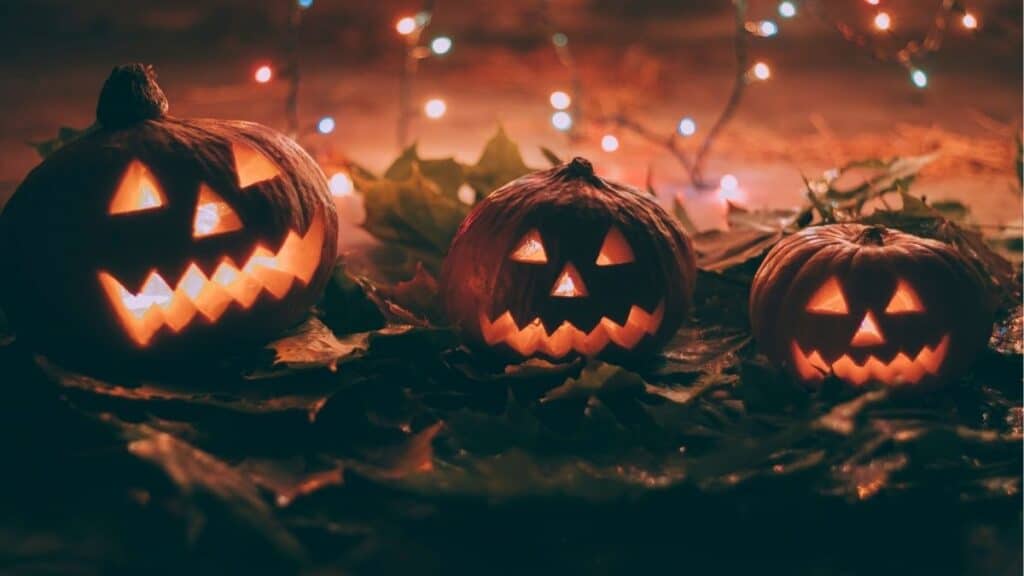
The Jack-O’-Lantern Legend: A beloved Irish folktale tells of a man named Jack who tricked the Devil and was consequently refused entry to both heaven and hell. Condemned to wander with a hollowed turnip carrying a glowing coal for light, “Stingy Jack” gave birth to the lantern tradition. Irish immigrants to America adopted the pumpkin — larger and easier to carve — creating the iconic Halloween jack-o’-lantern.
Cultural and Spiritual Significance
At its heart, Halloween is a festival of remembrance — a time to acknowledge mortality, honour the departed, and face the unknown with a mixture of reverence and humour. The imagery of skeletons, skulls, and ghosts that pervades Halloween has its roots in medieval Christian memento mori art, reminding the living of life’s impermanence.
For Christians, Allhallowtide carries deep spiritual meaning: a period to pray for saints, martyrs, and departed souls. For secular observers, Halloween offers a communal space to explore themes of fear and the supernatural through costume and play. The festival endures because it speaks to something universal — the human need to remember ancestors, confront mortality, and gather together as nights grow longer and darker.
Prayers and Religious Observances
For Christians, All Hallows’ Eve carries specific liturgical observances:
Vigil of All Hallows: A church service of prayer and fasting held on the evening of 31 October in preparation for All Saints’ Day. Worshippers prepared for the feast with reflection and abstinence from meat, a tradition that gave rise to vegetarian Halloween foods.
Cemetery Visits: In many Catholic and Protestant communities, candles are lit and flowers placed on graves on All Hallows’ Eve to honour the departed.
Reformation Day: Many Protestant Christians observe 31 October as Reformation Day, commemorating Martin Luther’s posting of his Ninety-five Theses on the church door in Wittenberg on All Hallows’ Eve in 1517. Children’s events under the theme of “Harvest Festivals” or “Hallelujah Nights” are held in many Protestant churches as alternatives to secular Halloween celebrations.
Celebrations Across India
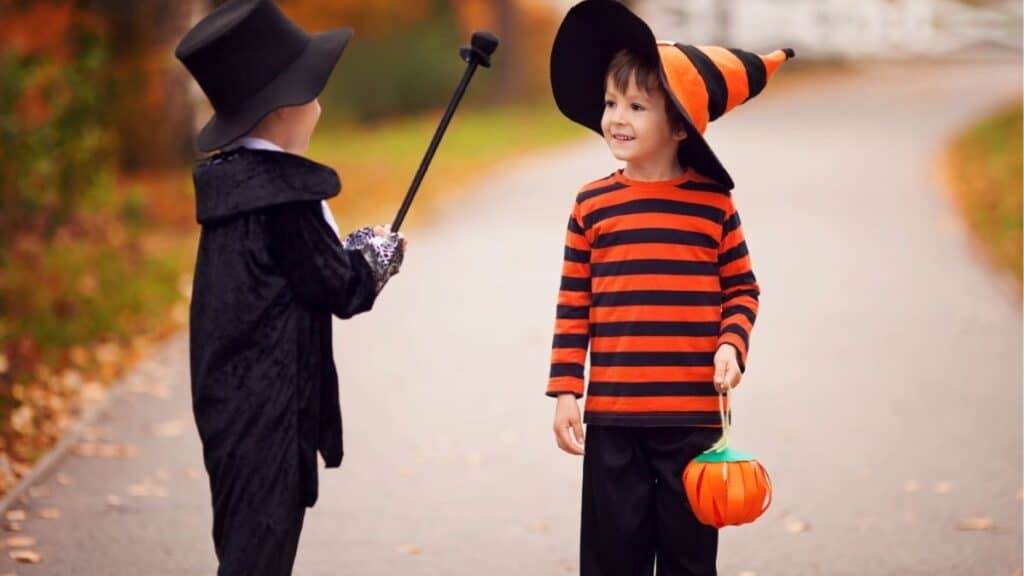
Halloween is not a traditional Indian festival, but it has become an enthusiastically observed cultural event in urban India, particularly among younger generations and expatriate communities.
Metro cities — Mumbai, Delhi, Bengaluru, Hyderabad, and Pune — host Halloween-themed parties, restaurant events, pub crawls, and mall activations. International schools and urban colleges celebrate with costume contests, themed fests, and classroom activities. Retail chains, cafés, and entertainment venues run Halloween promotions through the last two weeks of October. Expatriate communities of Americans, British, and Europeans living in Indian cities observe Halloween through neighbourhood trick-or-treating and house parties, keeping the tradition alive in their adopted home.
Participation Across Religions in India
In the Indian context, Halloween carries no religious significance and is treated as a purely secular, pop-culture celebration. Hindus, Muslims, Christians, Sikhs, and people of all backgrounds in urban India participate freely in costume events and Halloween parties. Indian Christians may be aware of the festival’s connection to All Saints’ Day and Allhallowtide, and some observe the religious vigil alongside the cultural celebration. As with many Western cultural imports, Halloween in India is primarily a youth-driven, urban phenomenon rooted in entertainment rather than religion.
How Halloween Is Celebrated Outside India
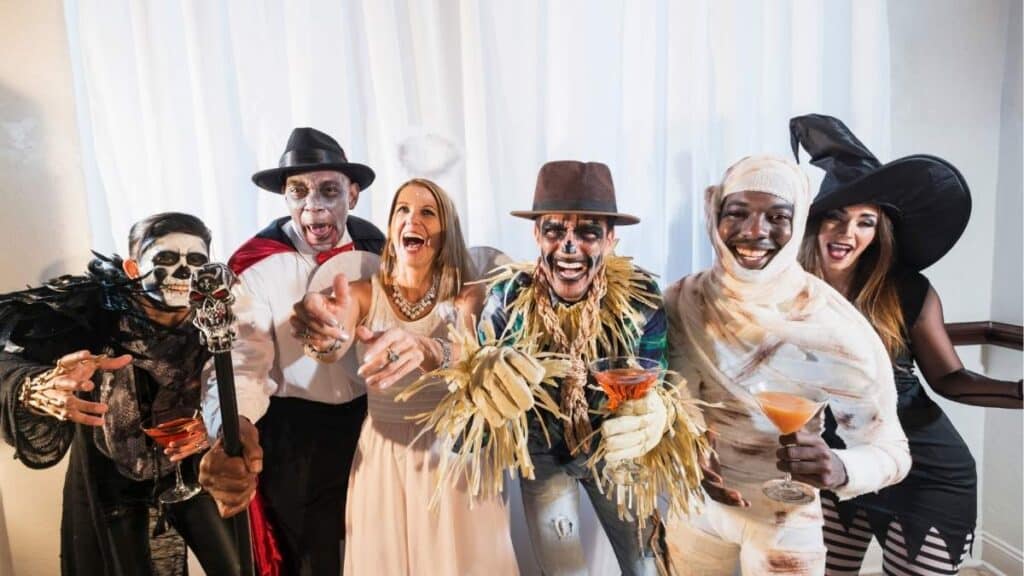
The Indian diaspora abroad participates actively in Halloween. Second-generation Indian-origin children trick-or-treat alongside classmates, and Indian-origin families decorate homes, attend neighbourhood events, and host desi-fusion Halloween parties that blend Indian warmth with Western festive customs.
In the USA and Canada, Halloween is one of the most commercially significant holidays of the year, with elaborate home decorations, haunted attractions, and costume events running through October. In Ireland and Scotland — where many traditions originated — guising, bonfires, and fireworks remain central. In Germany, Halloween has grown since the late 20th century, often blending with the traditional St. Martin’s Day lantern procession in November. In Australia, New Zealand, UAE, and Singapore, growing Indian and Western expatriate communities have made Halloween a popular occasion for themed events, school activities, and retail celebrations.
Gifting Traditions
Halloween gifting is community-centred and informal rather than tied to personal exchange. The central tradition is trick-or-treating, where children in costume collect candy, chocolates, and sweets from neighbours. Popular treats in 2026 include Halloween-themed candy bars, gummy confections, caramel apples, and novelty chocolates.
Adults and families exchange seasonal hampers containing flavoured popcorn, artisanal chocolates, scented candles, and themed décor. Gifting costumes and makeup kits to children in the weeks before Halloween has become a popular parental tradition. The “Trick-or-Treat for UNICEF” programme — running since 1950 — invites children to collect small donations for UNICEF while trick-or-treating, with over $118 million raised since its inception. Indian-origin families abroad often share Halloween treats within their community, blending festive neighbourly spirit with their own cultural warmth.
Halloween Foods and Culinary Traditions
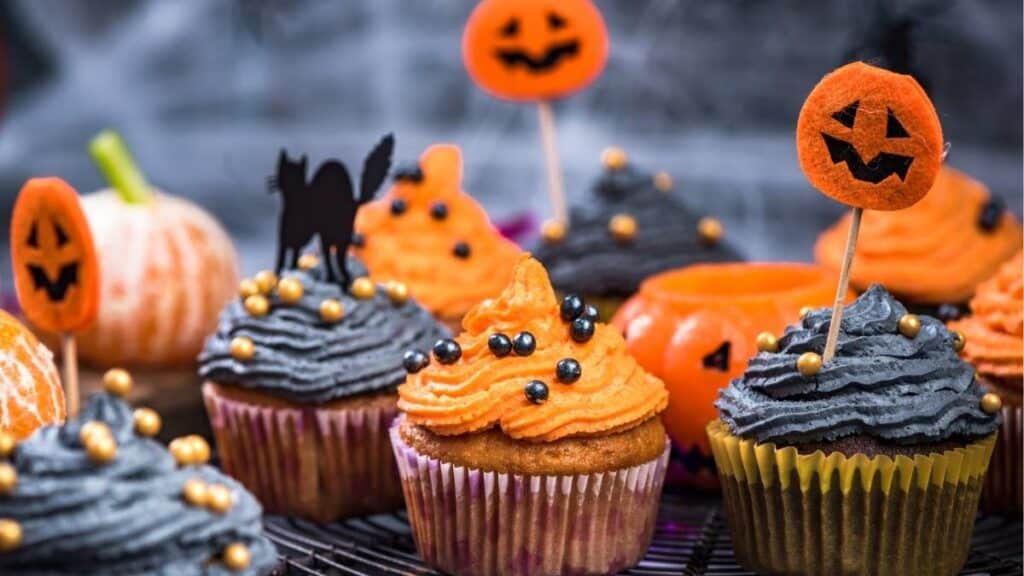
Halloween’s food traditions are rooted in harvest-season produce and the Christian custom of fasting from meat on All Hallows’ Eve.
Candy Apples / Toffee Apples: Whole apples coated in sticky sugar syrup or caramel — a staple in North America and Britain, tied to the autumn apple harvest.
Soul Cakes: Small spiced cakes historically given to soulers in exchange for prayers for the dead — the culinary ancestor of modern Halloween treats.
Barmbrack (Ireland): A spiced fruitcake with hidden charms baked inside — a ring, a coin — each foretelling the finder’s future. Finding the ring is said to bring marriage within the year.
Colcannon (Ireland): Mashed potatoes with kale or cabbage, traditionally eaten on Halloween night, sometimes with charms hidden inside.
Candy Corn and Pumpkin Pie (North America): Iconic seasonal confections that define the American Halloween table.
Bonfire Toffee (Great Britain): Dark, brittle treacle toffee associated with Halloween bonfire gatherings.
In India, Halloween-themed cakes, skull-shaped cookies, black velvet pastries, and spooky cocktails and mocktails have become a growing October trend in urban bakeries and metro restaurants.
Music, Art, and Cultural Expression
Halloween has a rich cultural footprint across literature, film, music, and visual art. Scottish poet Robert Burns documented Halloween folk customs in his poem “Halloween” (1785), while Gothic novels like Frankenstein and Dracula shaped the modern horror aesthetic.
Horror cinema is central to Halloween culture — classics like Frankenstein (1931), Night of the Living Dead (1968), and John Carpenter’s Halloween (1978) anchor the seasonal viewing tradition, with streaming platforms curating horror marathons through October. The Halloween musical canon ranges from Saint-Saëns’ Danse Macabre to Michael Jackson’s Thriller and Bobby Pickett’s Monster Mash.
Halloween’s visual identity — jack-o’-lanterns, skeletons, black cats, witches, cobwebs, and moonlit graveyards — draws from medieval memento mori art, Gothic illustration, and 20th-century commercial design. Its colours of black, orange, and purple have become one of the most recognisable seasonal palettes in global retail and fashion. Halloween makeup and costume design have evolved into a significant art form in their own right, with SFX artistry, glamour transformations, and whimsical face painting driving major social media trends each October.
Halloween Makeup Ideas
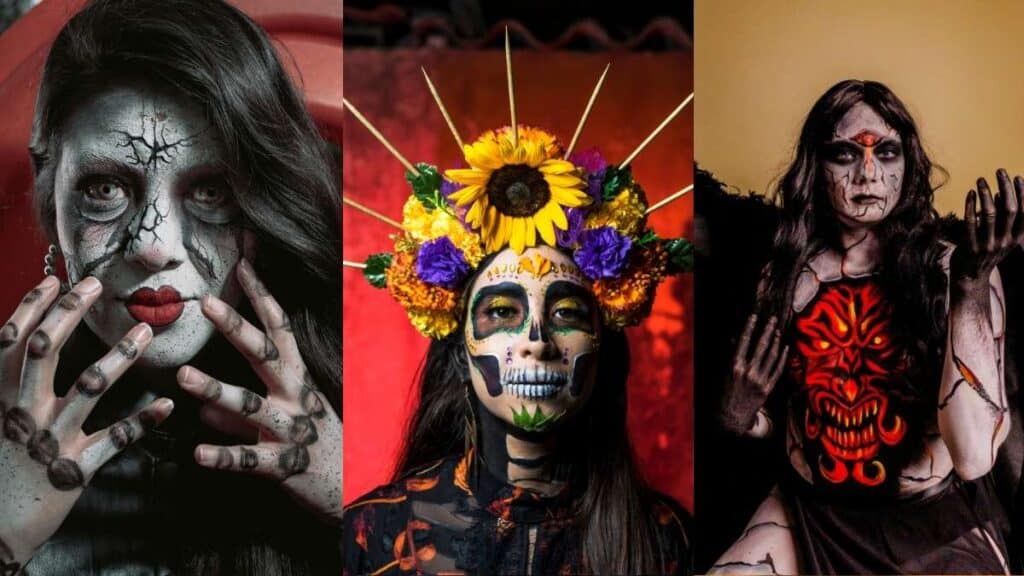
Halloween makeup has become one of the most creative expressions of the festival, transforming faces into works of art that range from chilling to glamorous. In 2026, makeup trends reflect both timeless Halloween characters and contemporary beauty-meets-horror aesthetics.
Glamorous Spook One of the biggest trends combines dramatic beauty with eerie elements. Vampire Glam features deep wine lips, sharp contouring, and pale skin with subtle fang detailing. Glam Witch pairs smoky purple eyeshadow, graphic liner, and a mystical highlight for a look that is equal parts beautiful and bewitching. These styles are popular among adults who want to dress up without going full horror.
Classic Character Looks Timeless Halloween characters remain perennial favourites for all ages. A cat look uses black eyeliner for delicate whiskers, a drawn-on nose, and smudged eye makeup. Pumpkins use orange face paint as a base with black triangular features for eyes and nose. Skeleton makeup — white foundation with black hollowed eye sockets, a drawn nose cavity, and teeth along the lips — is one of the most iconic and versatile Halloween looks, scalable from subtle to dramatic.
Special Effects (SFX) Makeup For those wanting a professional-style transformation, SFX makeup delivers striking results. Zombie Chic uses a pale or grey base, smudged dark eyeshadow around the eyes and temples, cracked skin texture, and fake blood for a convincingly undead appearance. Wound and scar effects using latex and face paint are also popular for horror-level realism.
Whimsical and Artistic Looks Not all Halloween makeup needs to be scary. Deer makeup uses warm bronzer, white face paint dots across the cheeks and nose, and soft smoky eyes for a forest-creature effect. Spooky Doll features exaggerated lashes, rosy circles on the cheeks, cracked porcelain lines, and oversized lips for an eerie yet artistic finish. These looks are especially popular for a softer aesthetic or for younger participants.
Kids’ Halloween Makeup For children, simple and skin-safe face paint looks are ideal. Easy options include a classic black cat, a friendly pumpkin face, a cartoon ghost using white and black paint, or a simple spider web design across one cheek. Water-activated face paints and hypoallergenic products are recommended for younger skin.
Tips for Halloween Makeup Always apply a primer or moisturiser before using face paint or heavy foundation. Use cosmetic-grade products only — craft paints and non-cosmetic materials can irritate skin. Set makeup with a translucent powder to prevent smudging through the evening. Remove all makeup thoroughly with micellar water or a gentle cleanser before sleeping. For SFX looks, practise the design a day or two before the event to refine the technique.
Modern Observance and Evolving Practices
Halloween in 2026 reflects both its deep historical roots and its ongoing reinvention. What was once largely an Irish, Scottish, and North American tradition is now observed across Europe, Latin America, East Asia, Australia, and urban India, driven by theme park culture, streaming entertainment, and social media.
Sustainability has become an increasing focus — reusable costumes, homemade decorations, organic treats, and reduced single-use packaging are part of a broader eco-conscious Halloween movement. Conversations around cultural sensitivity in costume choices continue to shape the holiday, with growing awareness of the importance of respectful representation. Digital Halloween — from makeup tutorials and DIY decoration videos to virtual costume contests — has opened the festival to new audiences worldwide.
How to wish someone on Halloween: Common greetings include “Happy Halloween!”, “Have a spooky Halloween!”, or the classic “Trick or treat!” For those observing its Christian dimension, “Blessed All Hallows’ Eve” is a meaningful greeting.
Cultural Reflection
Halloween endures because it addresses something deeply human — our relationship with darkness, death, and the unknown. Whether observed as a Christian vigil of prayer and remembrance, a harvest festival rooted in Celtic tradition, or a joyful evening of costumes and community, Halloween creates space for people to gather, remember those who have passed, and face fear with laughter and creativity. As the world grows more connected, Halloween’s imagery and energy continue to cross borders — taking root in new cultures while carrying its ancient, universal message that life is worth celebrating, even in the dark.