
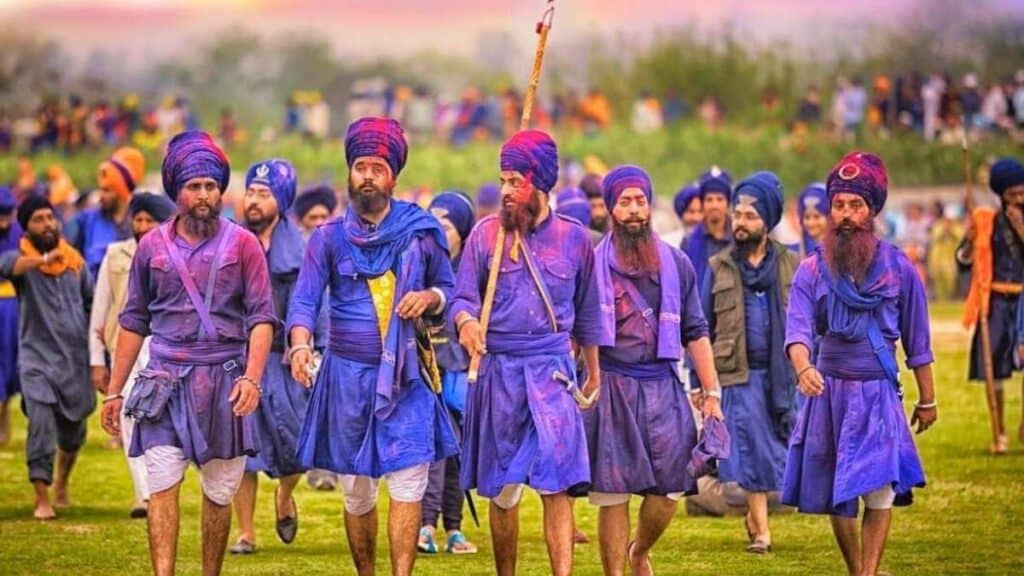
Hola Mohalla is one of the most vibrant and significant festivals in Sikhism, celebrated as a grand display of martial prowess, spiritual devotion, and community solidarity. Observed in the spring season, Hola Mohalla symbolizes courage, selfless service, and the warrior-saint ideal that defines the Khalsa. Rooted in Sikh traditions established by Guru Gobind Singh in 1701, the festival marks a powerful demonstration of the Sikh commitment to defending the oppressed while maintaining the highest spiritual and ethical standards.
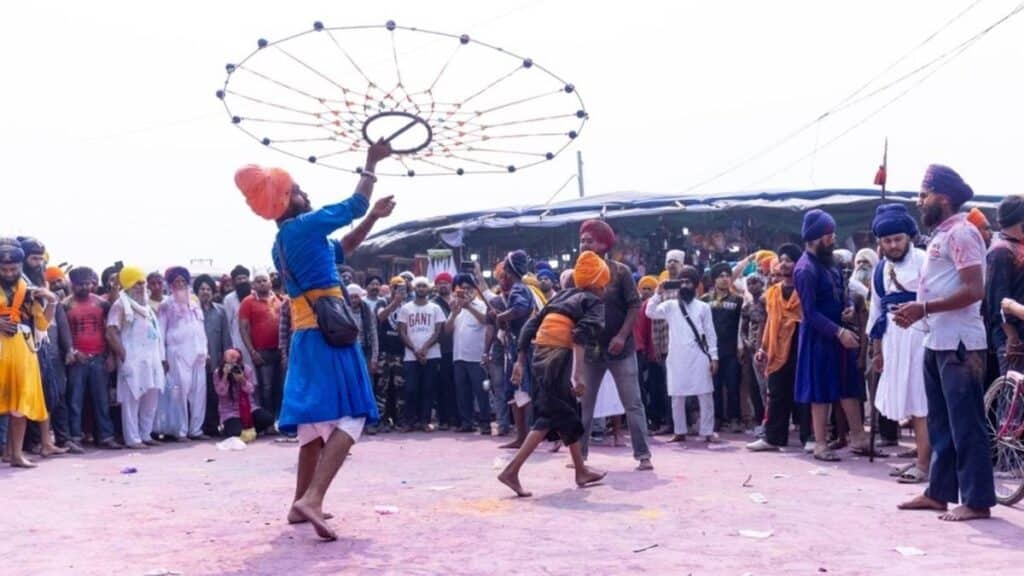
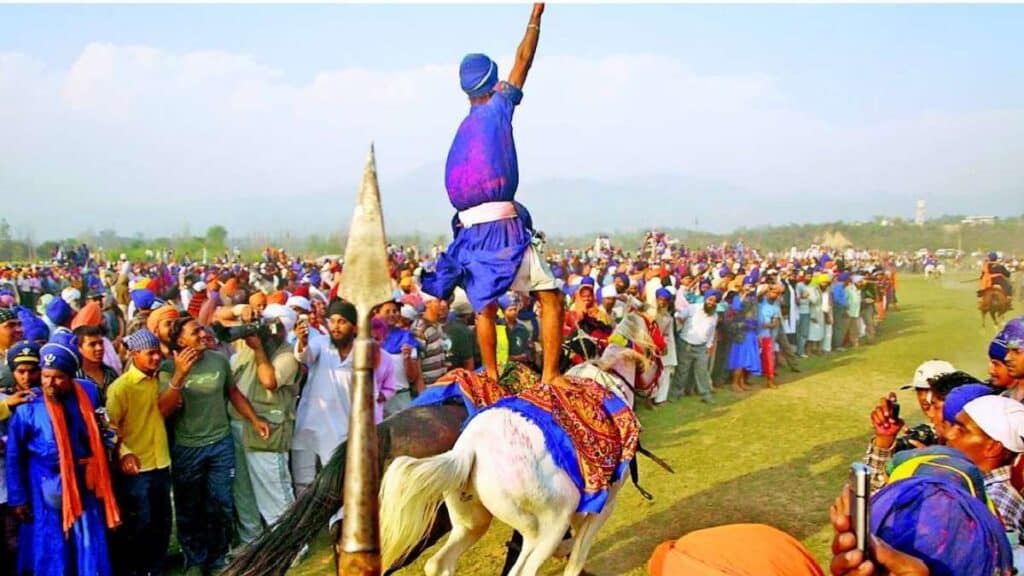
The spiritual meaning of Hola Mohalla comes from Sikh history and the story of Prahlad and Holika from Hindu mythology, representing the victory of devotion and righteousness over tyranny. This victory is commemorated through spectacular martial displays, mock battles, and Gatka demonstrations at Anandpur Sahib. The festival is marked by Nihang warriors showcasing horseback stunts, sword fighting, and traditional combat skills, all accompanied by the thundering beats of war drums.
During Hola Mohalla, social boundaries dissolve as the Sikh community comes together in a spirit of equality and service. The massive community langar (free kitchen) feeds tens of thousands daily, embodying the principle of selfless service. People gather to witness martial displays, listen to kirtan (devotional music), and celebrate the Khalsa heritage together.
Hola Mohalla is primarily observed by Sikhs across India, particularly in Punjab, but today it is celebrated worldwide in countries such as the USA, UK, Canada, Australia, and the UAE. In many places, it has become a cultural festival that welcomes people of all backgrounds to witness Sikh traditions and martial heritage.
When Is Hola Mohalla Celebrated in 2026?
Hola Mohalla is celebrated on the second day of the lunar month of Chet (Chaitra), which typically falls in March, usually a day after the Hindu festival of Holi.
Hola Mohalla In India 2026 Dates
Day 1-3: Hola Mohalla celebrations will be held from March 4-6, 2026 in India – Three days of martial displays, kirtan, langar, and the grand military-style procession at Anandpur Sahib.
The exact dates vary each year based on the lunar calendar, making Hola Mohalla a movable festival rather than a fixed-date event.
Table of Contents
Hola Mohalla In USA, Canada, Australia, New Zealand, UK, UAE, Singapore 2026 Dates
Hola Mohalla on March 4–6, 2026 (begins the day after Holi).
Hola Mohalla on March 4–6, 2026 (begins the day after Holi).
Hola Mohalla on March 4–6, 2026 (begins the day after Holi).
Hola Mohalla on March 4–6, 2026 (begins the day after Holi).
Hola Mohalla on March 4–6, 2026 (begins the day after Holi).
Hola Mohalla on March 4–6, 2026 (begins the day after Holi).
Why Hola Mohalla Dates Change Every Year?
Hola Mohalla is celebrated based on the Punjabi/Hindu lunar calendar, not the Gregorian calendar. It falls on the second day of Chet month, usually a day after Holi’s full moon (Purnima) of Phalguna, which typically occurs in March.
Since lunar months are shorter than solar months:
- Hola Mohalla’s date shifts every year
- Timing depends on moon position and the lunar calendar
- The festival maintains its connection to the spring season
Hola Mohalla Other Names & Regional Identities
General Names
Hola Mohalla — Standard name in Punjabi (Gurmukhi: ਹੋਲਾ-ਮਹੱਲਾ) Hola — Shortened form commonly used Holla Mohalla — Variant spelling
Etymology
Hola — Derived from “halla” (military charge) Mohalla/Mahalia — Organized procession or army column Combined meaning: “The charge of an army”
Regional Variants
Mahalia — Punjabi term emphasizing the processional aspect Festival of the Khalsa — Used in some English contexts
Diaspora / International Naming
Hola Mohalla Festival — Common in Western contexts (USA, UK, Canada, Australia) Sikh Martial Festival — Descriptive name used in multicultural settings Anandpur Hola — Referencing the main celebration location
The Origins, History, and Legends of Hola Mohalla
Hola Mohalla was established by Guru Gobind Singh, the tenth Sikh Guru, with its origins deeply rooted in Sikh history and martial tradition. The festival finds its foundation in the year 1701 CE at Anandpur Sahib, where Guru Gobind Singh organized the first procession accompanied by war drums on February 22, 1701 (Chet vadi 1, 1757 Bikrami calendar).
Historically, Hola Mohalla marked a transformation of the spring celebration, adding martial dimensions to spiritual observance. Guru Gobind Singh created this festival to prepare Sikhs for defending their faith and protecting the oppressed, channeling community energy into martial training and spiritual discipline.
The most widely known legend associated with Hola Mohalla is the story of Prahlad and Holika. Prahlad, a devoted follower of Lord Vishnu, was persecuted by his tyrannical father, the demon king Hiranyakashipu, who demanded worship as a god. When Holika—who had a boon making her immune to fire—sat with Prahlad in a blazing pyre to kill him, divine grace saved Prahlad while Holika perished. This event symbolizes the triumph of faith, devotion, and goodness over evil. The Guru Granth Sahib contains verses about Prahlad by saints Namdev, Kabir, and Guru Amar Das, showing its significance to early Sikhs.
Connection to the Khalsa: Just two years before establishing Hola Mohalla, Guru Gobind Singh founded the Khalsa in 1699 at Anandpur Sahib on Baisakhi. He initiated the Panj Piare (five beloved ones) and established the order of Saint-Soldiers pledged to defend the needy, poor, and oppressed. This legacy continued through Guru Tegh Bahadur (ninth Guru), who martyred himself defending Hindu rights.
The Khalsa was distinguished by the Five Ks (Kes, Kangha, Kacherra, Kara, Kirpan) so they could be easily recognized by anyone needing protection. Hola Mohalla became the annual celebration where these warrior-saints demonstrated their martial readiness.
Historical Significance: By 1889, when the Khalsa Diwan of Lahore petitioned the British government for Sikh holidays, only two were approved—Hola Mohalla and Guru Nanak’s birth anniversary—demonstrating the festival’s immense importance.
Scripturally and historically, Hola Mohalla represents courage, martial excellence, and spiritual devotion. Over centuries, it evolved from a military training exercise into a grand cultural festival that promotes unity, bravery, and the warrior-saint ideal, while the tradition of mock battles and poetry contests at Lohgarh Fort has spread worldwide.
Today, Hola Mohalla continues to symbolize the timeless message that righteousness must be defended with courage, and spiritual life requires both inner strength and outer readiness to serve humanity.
Hola Mohalla: Cultural and Spiritual Significance
Hola Mohalla is a festival that symbolizes courage, service, and the triumph of righteousness over tyranny. Spiritually, it represents the Sant-Sipahi (Saint-Soldier) ideal—combining deep devotion with martial readiness, encouraging both inner purification and outer strength to defend the vulnerable.
Culturally, Hola Mohalla brings the Sikh community together beyond social boundaries, promoting unity, equality, and selfless service (seva). The massive langar operations feeding tens of thousands embody the principle of Sarbat da Bhala (well-being of all), where everyone sits together in pangats (queues) regardless of background.
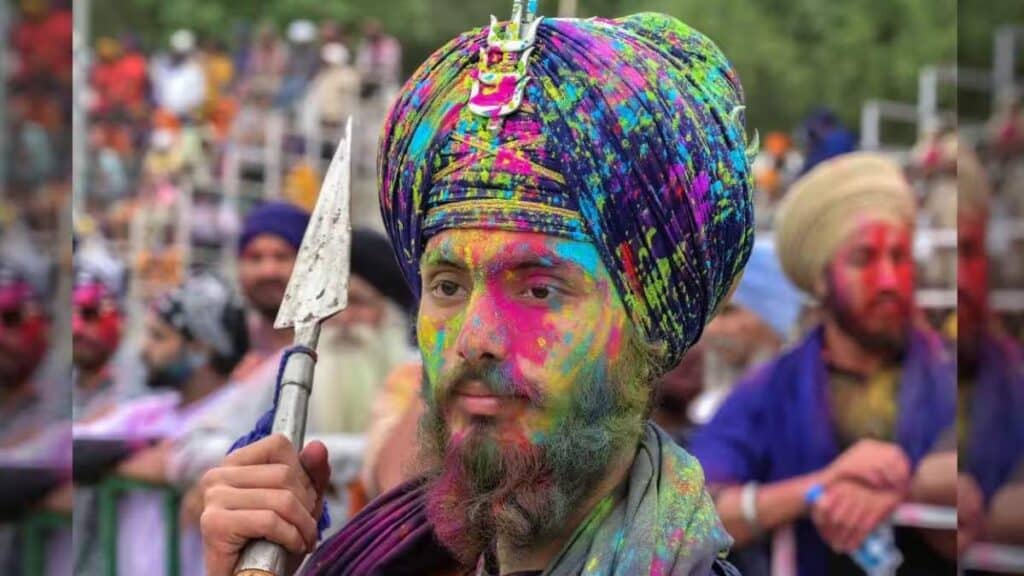
The martial displays reflect the Khalsa commitment to stand against injustice while maintaining the highest ethical standards. The vibrant colors (gulal) thrown during celebrations symbolize joy, renewal, and the playful spirit alongside serious martial discipline.
Marking the arrival of spring, Hola Mohalla also signifies growth, new beginnings, and hope. More than a religious festival, Hola Mohalla is a celebration of the Sikh identity—warrior courage combined with spiritual humility, strength paired with compassion, and readiness to sacrifice for others’ freedom.
Hola Mohalla Prayers and Religious Observances
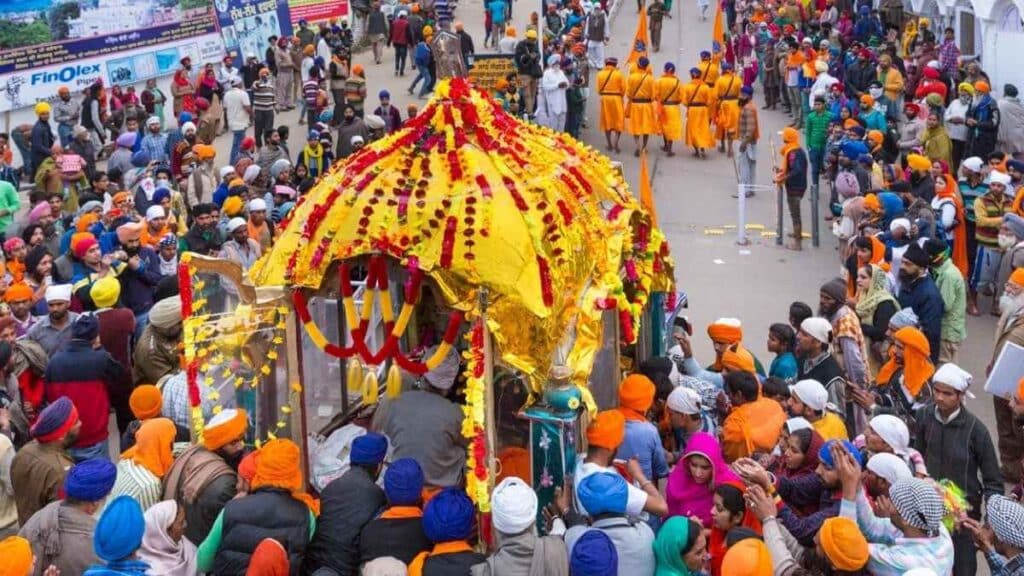
Hola Mohalla prayers and rituals are performed to seek spiritual strength, protection, and blessings for courage and righteousness. The religious observances center around kirtan (devotional singing), scripture recitation, and the practice of martial arts as spiritual discipline.
Throughout the three days, continuous kirtan fills the gurdwaras of Anandpur Sahib, with ragis (devotional singers) performing hymns from the Guru Granth Sahib. The atmosphere combines spiritual devotion with martial energy, reflecting the dual nature of the Khalsa.
Scripture Reading: The Guru Granth Sahib contains passages about celebrating through serving God, which forms the spiritual foundation of Hola Mohalla. Devotees engage in:
- Early morning prayers (Asa di Var)
- Reading of sacred verses (Gurbani)
- Recitation of Ardas (Sikh prayer) before demonstrations
- Meditation and reflection
Visits to Sacred Sites: Pilgrims visit Takht Kesgarh Sahib, one of the five Takhts (seats of temporal authority), where the grand procession concludes. These visits combine prayer, contemplation, and connection to Sikh history.
During martial displays, participants often recite the Jaikara (Sikh war cry): “Bole So Nihal, Sat Sri Akal!” (Blessed is the one who says God is Truth), linking physical prowess with spiritual purpose.
While Anandpur Sahib hosts the main celebrations, Sikhs worldwide observe Hola Mohalla at local gurdwaras through:
- Special prayer services and kirtans
- Community gatherings and langars
- Recitation of Ardas
- Readings from Guru Granth Sahib
- Gatka demonstrations as moving meditation
Whether observed at home or in gurdwaras, Hola Mohalla rituals emphasize devotion, courage, service, and the integration of martial excellence with spiritual discipline, making the festival both joyous and deeply meaningful.
How Hola Mohalla Is Celebrated Across India
While the essence of Hola Mohalla remains consistent—martial displays, spiritual devotion, and community service—its expressions carry regional characteristics across India.
Punjab (Anandpur Sahib): The epicenter of celebrations, where over 100,000 Sikhs gather annually. The festival features:
- Mock battles and combat demonstrations at Lohgarh Fort
- Nihang warriors in distinctive blue robes performing spectacular horseback stunts
- Gatka (Sikh martial art) exhibitions
- Massive community langars serving thousands
- Poetry contests celebrating valor
- Grand military-style procession with war drums
The celebrations extend to nearby Kiratpur Sahib and throughout the Shivalik foothills.
Delhi NCR: Major gurdwaras organize nagar kirtans (religious processions), Gatka demonstrations by youth groups, cultural programs showcasing Sikh heritage, and community langars.
Nanded, Maharashtra: Historical significance as each participant in processions carries a sword, emphasizing the martial tradition established by Guru Gobind Singh.
Haryana & Rajasthan: Gurdwaras hold three-day celebrations with kirtan, martial arts workshops for youth, and cultural programs.
Other Regions: Wherever Sikh communities exist—from Uttar Pradesh to Tamil Nadu—gurdwaras organize celebrations featuring kirtan, langar, educational programs about Sikh history, and Gatka demonstrations.
Despite regional variations, kirtan, langar, and martial demonstrations remain central everywhere, uniting Sikhs in celebrating their warrior-saint heritage.
Participation Across Religions in India
Hola Mohalla, while fundamentally a Sikh festival, welcomes participation from people of all faiths, making it an inclusive celebration of courage, community, and cultural heritage.
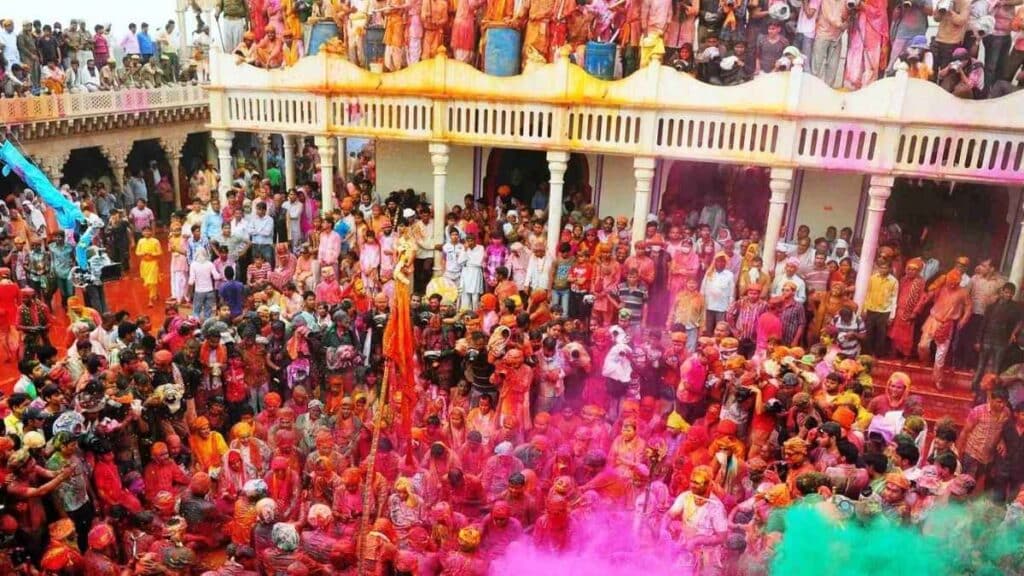
Over time, Hola Mohalla has become a shared cultural experience. People from different faiths—Hindus, Muslims, and others—attend the celebrations at Anandpur Sahib as spectators, witnessing the spectacular martial displays and experiencing Sikh hospitality.
The langar (community kitchen) embodies interfaith inclusion, serving free vegetarian meals to everyone regardless of religion, caste, or background. Visitors of all faiths sit together in pangats (rows), eating as equals—a powerful demonstration of the Sikh principle of Sarbat da Bhala (well-being of all).
The connection to the Prahlad-Holika legend, shared with Hindu tradition, creates cultural bridges and common understanding across communities.
In many regions, interfaith participation is natural, with:
- Non-Sikh neighbors attending processions
- Local communities joining langar service
- Students and visitors learning about Sikh martial traditions
- Shared appreciation for the festival’s message of standing against tyranny
The playful tradition of throwing gulal (colored powder) also connects to broader Holi celebrations, creating festive community bonds.
By promoting courage, service, and shared humanity, Hola Mohalla serves as a reminder that festivals can unite people through common values of bravery, justice, and mutual respect, reflecting India’s pluralistic spirit and cultural diversity.
How Hola Mohalla Is Celebrated Outside India
Indian diaspora and Sikh communities across the United States, Canada, the UK, Australia, the Middle East, and beyond celebrate Hola Mohalla through:
Community Events:
- Large-scale nagar kirtans (religious processions) through city streets
- Gatka demonstrations and martial arts workshops
- Cultural exhibitions on Sikh history and Khalsa heritage
- Youth engagement programs
Gurdwara Programs:
- Special kirtan darbars (devotional gatherings)
- Langar serving traditional Punjabi food
- Lectures on Guru Gobind Singh and Sikh martial tradition
- Children’s educational activities
Adapted Celebrations:
- Weekend observances to accommodate work schedules
- Indoor martial demonstrations in community centers
- Documentary screenings about Anandpur Sahib celebrations
- Interfaith dialogue events explaining Sikh warrior-saint ideals
Major Celebrations:
- USA: Yuba City and Fresno (California), with large processions and Gatka competitions
- Canada: Toronto, Vancouver, Calgary featuring massive nagar kirtans
- UK: London, Birmingham, Leicester with public processions and cultural programs
- Australia: Sydney and Melbourne with community gatherings
These celebrations help second and third-generation Sikhs stay connected to their heritage while introducing non-Sikhs to the Khalsa tradition of courage combined with compassion. The diaspora often emphasizes educational aspects, teaching youth about Guru Gobind Singh’s vision and the significance of the warrior-saint ideal in modern times..
Hola Mohalla Gifting Traditions
Hola Mohalla gifting traditions emphasize spiritual growth, martial heritage, and community bonds. People exchange meaningful items that reflect Sikh values and the warrior-saint ideal.
Traditional Gifts:
- Kirpans and ceremonial swords – Symbolic of Khalsa martial tradition
- Religious texts – Gutkas (prayer books), Sikh literature, biographies of Gurus
- Traditional clothing – Turbans (dastaars), traditional Khalsa attire, Five Ks items
- Sweets – Traditional Indian mithai shared among family and community
Modern Gifting Practices:
- Books on Sikh history, philosophy, and Guru Gobind Singh
- Decorative items featuring the Khanda (Sikh emblem)
- Charitable donations to gurdwaras or Sikh organizations
- Educational materials for children about Khalsa heritage
- Gatka training equipment for youth
Diaspora Adaptations:
- Cultural artifacts connecting to Punjab and Sikh heritage
- Contributions to gurdwara building funds
- Support for Sikh community service projects
- Gifts promoting Sikh identity among youth (jewelry with Ik Onkar symbol)
The tradition reflects the spirit of seva (selfless service), courage, and spiritual commitment that Hola Mohalla represents, strengthening bonds within the Sikh community and sharing heritage across generations.
Traditional Hola Mohalla Foods
Food plays an essential role in Hola Mohalla celebrations, with the langar (community kitchen) serving as the heart of hospitality and equality. During the festival, massive langar operations at Anandpur Sahib serve lacto-vegetarian meals to tens of thousands daily, embodying the Sikh principle of selfless service.
Common Hola Mohalla Langar Dishes:
- Dal (lentils) – Protein-rich staple
- Sabzi (vegetable curry) – Seasonal preparations
- Roti/Chapati (flatbread) – Freshly made throughout the day
- Rice – Often served with dal
- Kheer (rice pudding) – Sweet conclusion to meals
Sacred Offerings:
- Karah Prasad – Sweet semolina-based blessed offering distributed after prayers
- Kadha Prasad – Sacred food blessed in gurdwaras
Punjab-Specific Festival Foods:
- Sarson da Saag and Makki di Roti – Mustard greens with cornbread (winter specialty)
- Chole – Chickpea curry
- Rajma Chawal – Red kidney beans with rice
- Pinni – Wheat-based sweet balls
- Ladoo – Various traditional sweets
Traditional Beverages:
- Lassi – Yogurt-based drink
- Thandai – Spiced milk drink
- Chai – Sweet tea served throughout celebrations
Historical Note: According to Guru Gobind Singh’s court poet Bhai Nand Lal, colored waters were used during early celebrations—rose water, saffron water, amber, and musk-scented liquids—adding aromatic and festive elements.
Families also prepare special meals at home, emphasizing abundance, sharing with neighbors, and traditional Punjabi recipes passed through generations. The emphasis on vegetarian food in langar ensures everyone can participate equally, regardless of dietary practices.
Hola Mohalla: Music, Art, and Cultural Expression
Music, art, and martial performance play a central role in Hola Mohalla celebrations, creating a unique blend of devotional spirituality and warrior energy.
Devotional Music: Traditional kirtan (devotional singing) fills Anandpur Sahib throughout the festival, with ragis performing hymns from Guru Granth Sahib. Dhadi Jathas (traditional balladeers) sing warrior ballads (var) celebrating Sikh martyrs and heroes, inspiring courage through music.
War Drums and Military Music: The thundering beats of dhol (drums) and nagara (kettledrums) create powerful rhythms accompanying processions and martial displays, echoing the original 1701 celebration organized by Guru Gobind Singh. These drums signal the martial spirit and coordinate demonstrations.
Bhai Nand Lal, Guru Gobind Singh’s court poet, documented early Hola Mohalla traditions, establishing a literary heritage that continues today.
Martial Arts as Performance: Gatka demonstrations transform combat skills into breathtaking performance art, with synchronized movements, weapon displays, and acrobatic techniques. Nihang warriors create striking visual spectacles with their distinctive blue robes, towering turbans adorned with weapons (chakrams, kirpans), and fearless horseback stunts.
Visual Arts:
- Decorated floats in modern processions
- Traditional craftsmanship in swords, chakrams, and weaponry
- Vibrant blue and orange Nihang attire
- Gulal (colored powder) creating living art
Dance and Movement: While less prominent than martial displays, traditional Bhangra and Giddha sometimes feature in celebrations, adding Punjabi folk energy.
Together, music, poetry, martial arts, and visual splendor make Hola Mohalla a powerful expression of Sikh cultural identity, spiritual strength, and the warrior-saint ideal.
Hola Mohalla’s Modern Relevance and Cultural Continuity
In today’s world, Hola Mohalla continues to hold profound relevance as a festival that promotes courage, service, and the integration of spiritual strength with physical readiness. While lifestyles and celebrations have evolved, the core spirit remains unchanged—training warrior-saints who defend the vulnerable while maintaining ethical purity.
Modern Hola Mohalla celebrations blend tradition with contemporary expressions, from global live streams to youth Gatka programs and eco-friendly practices. The festival adapts while preserving the martial traditions established by Guru Gobind Singh over three centuries ago.
Hola Mohalla plays a crucial role in preserving cultural continuity. Across generations and geographies, the festival connects Sikhs to their Khalsa heritage while allowing space for modern interpretations. For diaspora communities, Hola Mohalla serves as a powerful link to Punjab and Sikh identity, helping pass warrior-saint values to younger generations growing up far from Anandpur Sahib.
Beyond martial displays and festivities, Hola Mohalla carries a timeless message: righteousness requires both inner conviction and outer strength, spiritual devotion must be paired with readiness to act, and true service means standing against injustice while serving all humanity.
In an era when martial traditions might seem anachronistic, Hola Mohalla reminds us that the capacity to defend the vulnerable remains eternally relevant. The Sant-Sipahi ideal—combining compassion with courage, humility with heroism—offers wisdom for navigating modern challenges while staying rooted in spiritual values.
Hola Mohalla’s enduring relevance lies in its ability to celebrate heritage while addressing contemporary needs—preserving Khalsa identity, promoting physical and spiritual discipline among youth, and demonstrating that festivals can unite communities through shared values of bravery, justice, and selfless service.
Waheguru Ji Ka Khalsa, Waheguru Ji Ki Fateh!