
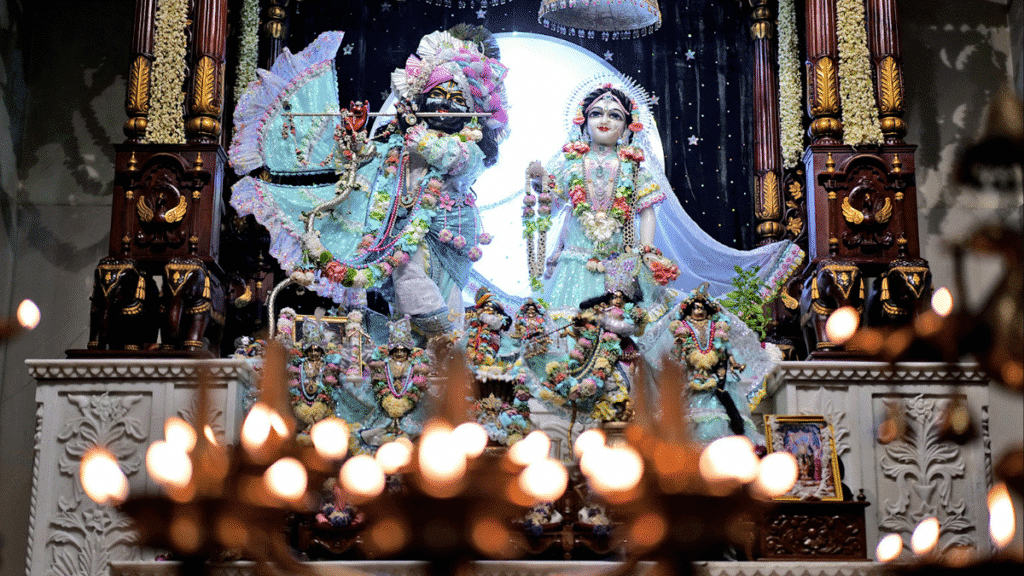
Krishna Janmashtami is one of the most beloved and widely celebrated Hindu festivals, marking the birth of Lord Krishna, the eighth avatar of Vishnu. Observed with devotion, joy, and vibrant celebrations, Janmashtami commemorates Krishna’s divine descent to Earth over 5,000 years ago. Rooted in ancient Hindu traditions, the festival celebrates the triumph of good over evil, divine love, and the playful, compassionate nature of Krishna.
The spiritual meaning of Janmashtami comes from Hindu mythology, particularly Krishna’s miraculous birth in a Mathura prison and his role as the supreme teacher in the Bhagavad Gita. The festival is marked by midnight prayers, fasting, devotional singing, and joyous celebrations that reflect Krishna’s teachings of love, righteousness, and devotion.
Janmashtami is primarily observed by Hindus across India, Nepal, and other regions, but today it is celebrated worldwide in countries such as the USA, UK, Canada, Australia, and the Middle East. The following day brings Dahi Handi celebrations in Maharashtra, where Krishna’s butter-stealing childhood pranks are recreated through human pyramids.
When Is Krishna Janmashtami Celebrated in 2026?
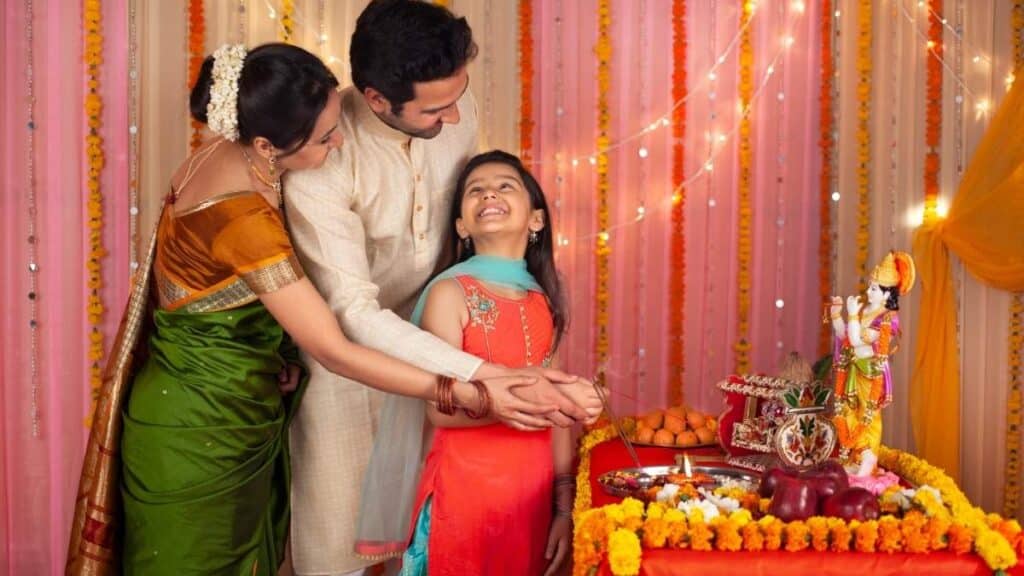
Krishna Janmashtami is celebrated on the eighth day (Ashtami) of the dark fortnight (Krishna Paksha) in the Hindu lunar month of Bhadrapada or Shravana, which typically falls in August or September.
Krishna Janmashtami In India 2026 Dates
Friday, September 4, 2026 – Krishna Janmashtami (5,253rd Birth Anniversary)
- Nishita Puja Time: 11:57 PM to 12:43 AM (September 5)
- Ashtami Tithi Begins: 02:25 AM on Sep 04, 2026
- Ashtami Tithi Ends: 12:13 AM on Sep 05, 2026
- Rohini Nakshatra Begins: 12:29 AM on Sep 04, 2026
- Rohini Nakshatra Ends: 11:04 PM on Sep 04, 2026
Saturday, September 5, 2026 – Dahi Handi
- Parana (Fast-Breaking) Time per Dharma Shastra: after 06:01 AM, Sep 05
- Parana per Modern Tradition: after 12:43 AM, Sep 05 (post midnight puja)
Table of Contents
Janmashtami In USA, Canada, Australia, New Zealand, UK, UAE, Singapore 2026 Dates
Krishna Janmashtami on Thursday, September 3, 2026
- Nishita Puja Time – 12:33 AM to 01:18 AM, Sep 04
- Parana (Fast-Breaking) Time per Dharma Shastra: after 02:43 PM, Sep 04
- Parana per Modern Tradition: after 01:18 AM, Sep 04 (post midnight puja)
Krishna Janmashtami on Thursday, September 3, 2026
- Nishita Puja Time – 12:55 AM to 01:39 AM, Sep 04
- Parana (Fast-Breaking) Time per Dharma Shastra: after 02:43 PM, Sep 04
- Parana per Modern Tradition: after 01:39 AM, Sep 04 (post midnight puja)
Krishna Janmashtami on Friday, September 4, 2026
- Nishita Puja Time – 11:37 PM to 12:27 AM, Sep 05
- Parana (Fast-Breaking) Time per Dharma Shastra: after 06:18 AM, Sep 05
- Parana per Modern Tradition: after 12:27 AM, Sep 05 (post midnight puja)
Krishna Janmashtami on Thursday, September 3, 2026
- Nishita Puja Time – 12:39 AM to 01:21 AM, Sep 04
- Parana (Fast-Breaking) Time per Dharma Shastra: after 06:34 PM, Sep 04
- Parana per Modern Tradition: after 01:21 AM, Sep 04 (post midnight puja)
Krishna Janmashtami on Friday, September 4, 2026
- Nishita Puja Time – 11:55 PM to 12:41 AM, Sep 05
- Parana (Fast-Breaking) Time per Dharma Shastra: after 06:02 AM, Sep 05
- Parana per Modern Tradition: after 12:41 AM, Sep 05 (post midnight puja)
Krishna Janmashtami on Friday, September 4, 2026
- Nishita Puja Time – 12:40 AM to 01:27 AM, Sep 05
- Parana (Fast-Breaking) Time per Dharma Shastra: after 06:59 AM, Sep 05
- Parana per Modern Tradition: after 01:27 AM, Sep 05 (post midnight puja)
Why Janmashtami Dates Change Every Year?
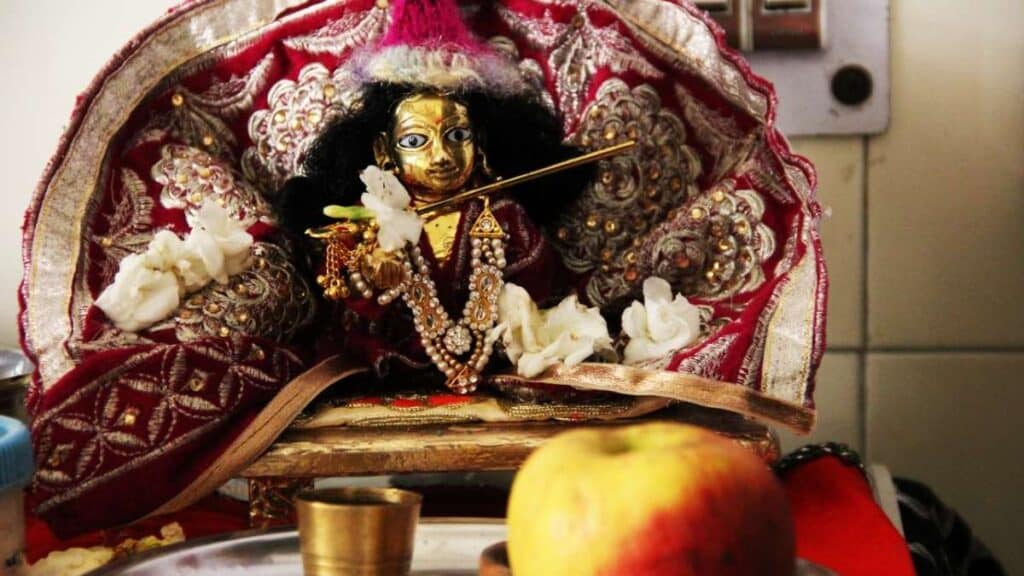
Krishna Janmashtami is celebrated based on the Hindu lunar calendar, not the Gregorian calendar.
It falls on Ashtami (eighth day) of Krishna Paksha (dark fortnight) in the month of Bhadrapada/Shravana, which usually occurs in August or September.
Since lunar months are shorter than solar months:
- Janmashtami’s date shifts every year by approximately 11 days
- Timing depends on moon position, Rohini Nakshatra, and local sunrise
- Ritual timings (like Nishita Puja) are calculated using planetary positions and Vedic astronomy
How is Nishita Puja Time Decided?
The timing of Nishita Puja (midnight worship) is decided based on Ashtami Tithi, Rohini Nakshatra, and Nishita Kaal (Hindu midnight), as per Hindu scriptures and Vedic calculations.
- Nishita Kaal is the period around midnight when Krishna was born, considered the most auspicious time for worship
- Preference is given to performing Krishna Puja when both Ashtami Tithi and Rohini Nakshatra overlap during Nishita
- The exact timing varies by location and is calculated using precise astronomical data
- Fast-breaking (Parana) should be done only after both Ashtami Tithi and Rohini Nakshatra end, typically after sunrise on the following day
- In 2026, Nishita Puja Time is 12:40 AM to 01:27 AM on September 5
Krishna Janmashtami Other Names & Regional Identities
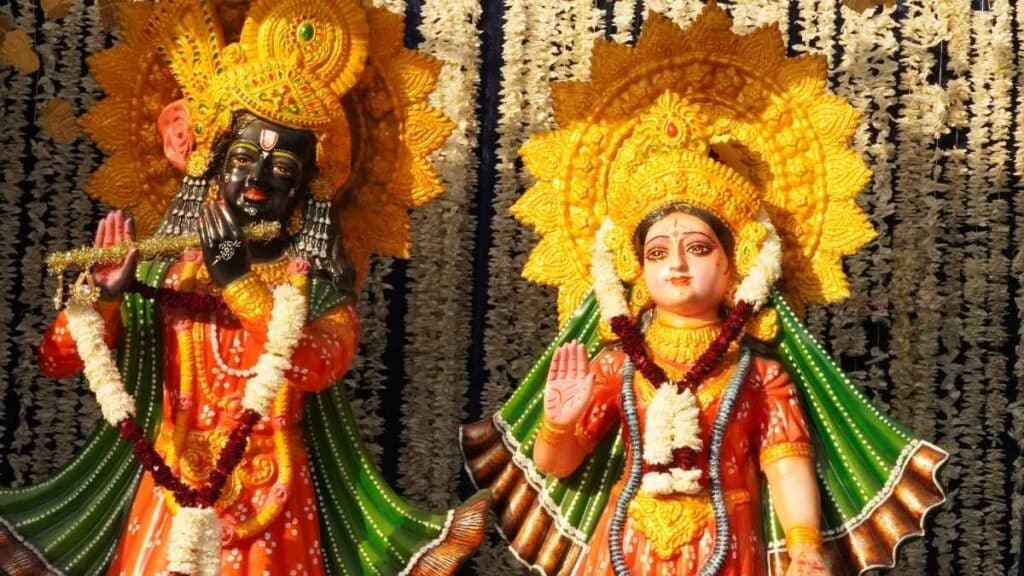
These are general or widely used names for Krishna Janmashtami:
- Janmashtami — Standard name in Hindi, English, Sanskrit
- Krishnashtami — Emphasizes Krishna’s name
- Gokulashtami — References Krishna’s childhood in Gokul
- Srikrishna Jayanti / Sri Jayanti — Birth celebration of Lord Krishna
North & East India
- Ashtami Rohini — Emphasizes the Rohini Nakshatra timing
- Krishna Janma — Bengali variant
- Thogre/Thakure da Vrat — Jammu region (Dogri)
- Zaram Satam — Kashmir (Kashmiri Pandit tradition)
South India
- Gokulashtami — Tamil Nadu, Kerala
- Sree Jayanthi — Tamil variant
- Krishna Janmashtami — Andhra Pradesh, Telangana, Karnataka
Other Regional / Cultural Variants
- Dahi Handi — Maharashtra (celebrated the day after Janmashtami)
- Yadukulashtami — References Krishna’s Yadava lineage
Diaspora / International Naming
- Krishna Ashtami — Fiji and Caribbean regions
- Janmashtami / Krishna Janmashtami — USA, UK, Canada, Australia (ISKCON communities)
- Lord Krishna’s Appearance Day — ISKCON worldwide terminology
The Origins, History, and Legends of Krishna Janmashtami
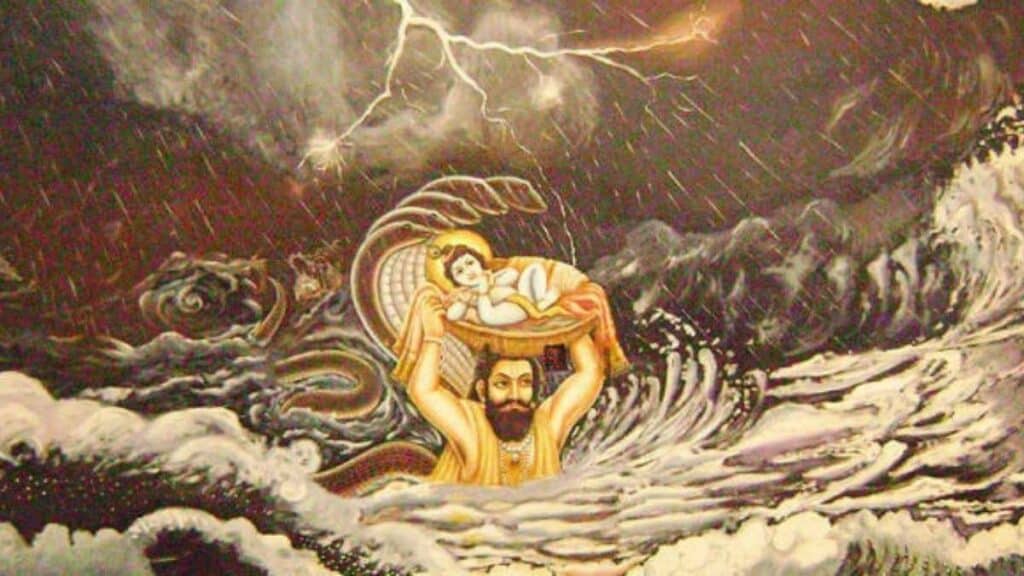
Krishna Janmashtami commemorates the birth of Lord Krishna over 5,000 years ago, as described in ancient Hindu scriptures including the Bhagavata Purana, Mahabharata, Vishnu Purana, and Harivamsa. The festival finds deep historical and spiritual roots in these classical texts, which identify Krishna as the eighth avatar of Vishnu and the supreme manifestation of divinity.
The most widely known legend of Janmashtami centers on Krishna’s miraculous birth. Krishna was born in a prison cell in Mathura to Devaki and Vasudeva, who were imprisoned by the tyrannical King Kamsa. A celestial prophecy had warned Kamsa that Devaki’s eighth son would cause his death, leading him to kill their first six newborns. When Krishna was born at midnight during a thunderstorm, divine intervention occurred—prison guards fell asleep, chains broke, and cell doors opened miraculously. Vasudeva carried baby Krishna across the flooded Yamuna River to Gokul, where he was raised by foster parents Yashoda and Nanda. The serpent Sheshnaga protected them during the crossing.
Another important aspect of Janmashtami is Krishna’s role as divine teacher. Krishna’s life embodies the principles of dharma (righteousness), bhakti (devotion), and leela (divine play). His childhood in Vrindavan, filled with playful pranks like stealing butter and dancing with gopis, symbolizes the accessible, loving nature of the divine. Later, as Arjuna’s charioteer in the Mahabharata, Krishna delivered the Bhagavad Gita’s timeless spiritual wisdom.
Scripturally, Janmashtami represents the descent of divine consciousness into the material world to restore cosmic balance and righteousness. Over centuries, it evolved from a religious observance into a cultural celebration promoting devotion, joy, and community harmony. Today, Janmashtami continues to symbolize the message that divine love conquers evil, and spirituality can be found in everyday life’s playful, compassionate moments.
Krishna Janmashtami: Cultural and Spiritual Significance
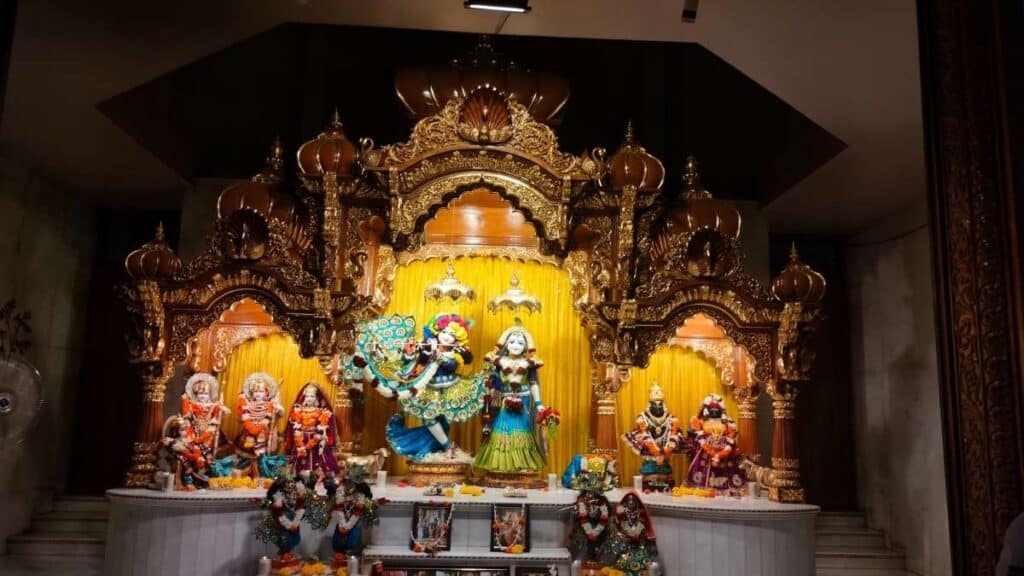
Krishna Janmashtami is a Indian festival that symbolizes divine love, spiritual liberation, and the triumph of good over evil. Spiritually, it represents the arrival of divine light in darkness—Krishna’s birth in a prison cell symbolizes hope, faith, and the soul’s liberation from material bondage. The midnight birth signifies spiritual awakening and inner transformation.
Culturally, Janmashtami brings people together across social boundaries, promoting devotion, joy, and community harmony. The festival celebrates bhakti (devotional love) as the path to the divine, making spirituality accessible through music, dance, and playful celebration. Krishna’s childhood stories of stealing butter and playing with friends symbolize divine innocence and the sacred in everyday life.
The festival also emphasizes leela (divine play), teaching that life should be lived with joy, spontaneity, and love. Krishna’s teachings in the Bhagavad Gita about dharma (righteousness), karma (action), and devotion continue to inspire millions worldwide.
More than a religious festival, Janmashtami is a universal celebration of love, righteousness, and the belief that divinity resides within human connection, devotion, and compassionate action. The festival reminds us that through faith and devotion, we can overcome darkness and find spiritual freedom.
Janmashtami Prayers and Religious Observances
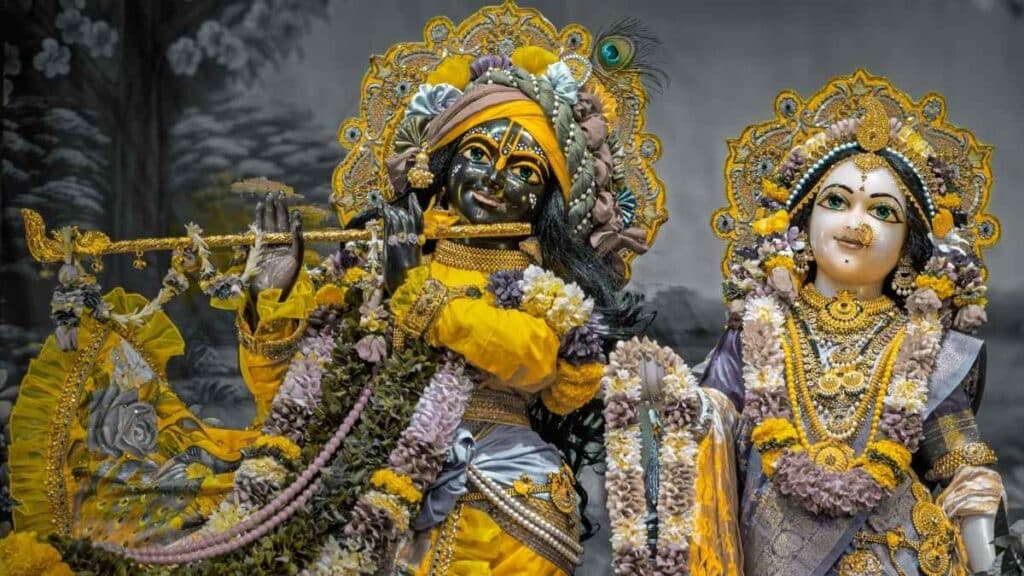
Janmashtami prayers and rituals are performed to seek spiritual purification, divine blessings, and connection with Lord Krishna. The religious observances center around fasting, midnight worship, and devotional singing, creating an atmosphere of devotion and celebration.
Fasting Traditions: Devotees observe a strict fast (nirjala or phalahari) from sunrise on Janmashtami until midnight or the following morning. The fast represents self-discipline, purification, and devotion. Fast-breaking (Parana) follows specific scriptural guidelines—it should be done after sunrise on September 5, 2026, when both Ashtami Tithi and Rohini Nakshatra have ended.
Midnight Puja (Nishita Kaal): The most sacred moment of Janmashtami is the midnight worship during Nishita Kaal (12:40 AM to 01:27 AM in 2026), marking Krishna’s birth hour. Devotees perform the Shodashopachara Puja (16-step ritual worship) including abhisheka (ritual bathing of Krishna’s idol with milk, honey, ghee, and water), offering flowers, incense, lamps, and specially prepared foods. Baby Krishna idols are placed in decorated cradles and rocked while singing lullabies.
Devotional Practices: Throughout the day and night, devotees chant the Hare Krishna Maha Mantra (“Hare Krishna Hare Krishna, Krishna Krishna Hare Hare, Hare Rama Hare Rama, Rama Rama Hare Hare”), recite the Bhagavad Gita (especially Chapter 10), and sing bhajans. Popular mantras include Krishna ashtakams and stotras praising his divine qualities.
Home vs Temple Worship: At home, families create small cradles for Krishna, draw tiny footprints from doorways to prayer rooms (symbolizing Krishna’s arrival), and keep night vigils with devotional singing. Temples conduct grand abhishekas with thousands of devotees, continuous kirtan (group singing), elaborate decorations, and midnight aartis with bells, conches, and lamps.
Whether observed at home or in temples, Janmashtami rituals emphasize devotion, joy, and spiritual connection, making the festival both deeply meaningful and celebratory.hile celebrating timeless values.after the Madhyahna puja. deeply transformative..
How Janmashtami Is Celebrated Across India
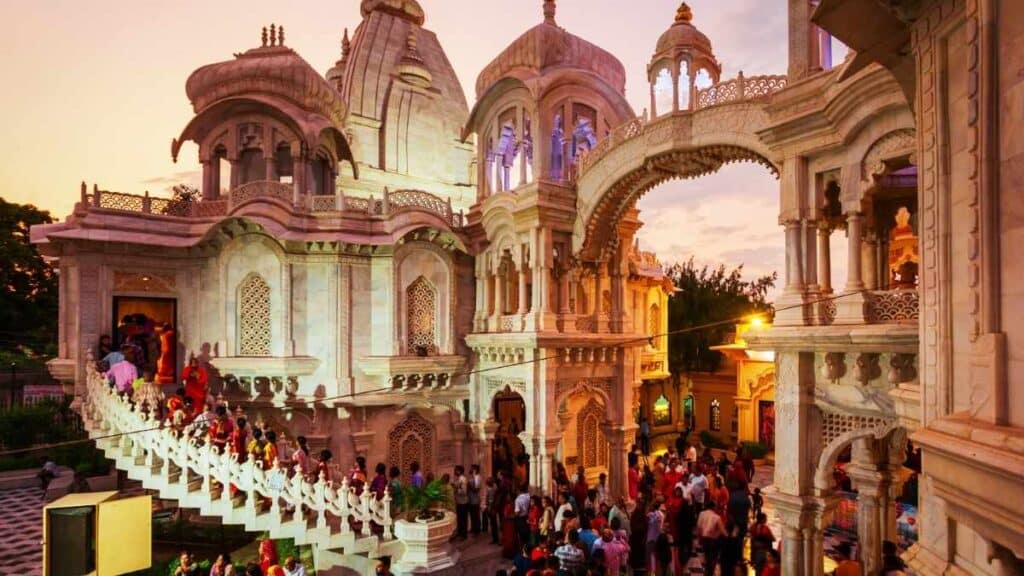
While the essence of Janmashtami remains consistent—celebrating Krishna’s birth with devotion and joy—its expressions vary beautifully across regions.
In North India, particularly in Mathura and Vrindavan (Krishna’s birthplace and childhood home), Janmashtami is the grandest festival of the year. Celebrations span multiple days with Raas Leela dance-dramas depicting Krishna’s life, temple decorations, devotional singing, and massive gatherings. The ISKCON temples in Delhi attract thousands for midnight aartis and prasad distribution.
In Jammu, the festival is known as “Thogre da Vrat” and marks the beginning of kite-flying season. Women apply teera (indigenous plant dye) on their palms, and special rotis called draupads are offered to cows and deities.
In Maharashtra, the following day brings Dahi Handi celebrations, where youth form human pyramids to break clay pots filled with buttermilk suspended high above streets—recreating Krishna’s butter-stealing childhood pranks. Mumbai and Pune witness competitive Govinda teams with substantial prizes.
In Gujarat, especially Dwarka (Krishna’s legendary kingdom), people celebrate with Makhan Handi, folk dances like garba and raas, and temple visits. Followers of Pushtimarg and Swaminarayan traditions observe elaborate rituals.
In South India, Tamil Nadu homes are decorated with kolam (rice flour patterns) and tiny Krishna footprints. Special sweets like seedai and verkadalai urundai are prepared. In Andhra Pradesh and Telangana, young boys dress as Krishna and visit neighbors. Kerala celebrates during Ashtami Rohini with traditional preparations.
In Eastern and Northeastern India, particularly Manipur, Assam, West Bengal, and Odisha, Raas Leela performances in classical Manipuri dance style are central. West Bengal celebrates as Dol Jatra with devotional processions, while Odisha’s Jagannath Temple in Puri conducts special Ratha Yatra.
Despite regional variations, midnight vigils, devotional music, fasting, and Krishna-themed foods remain central everywhere.
Participation Across Religions in India
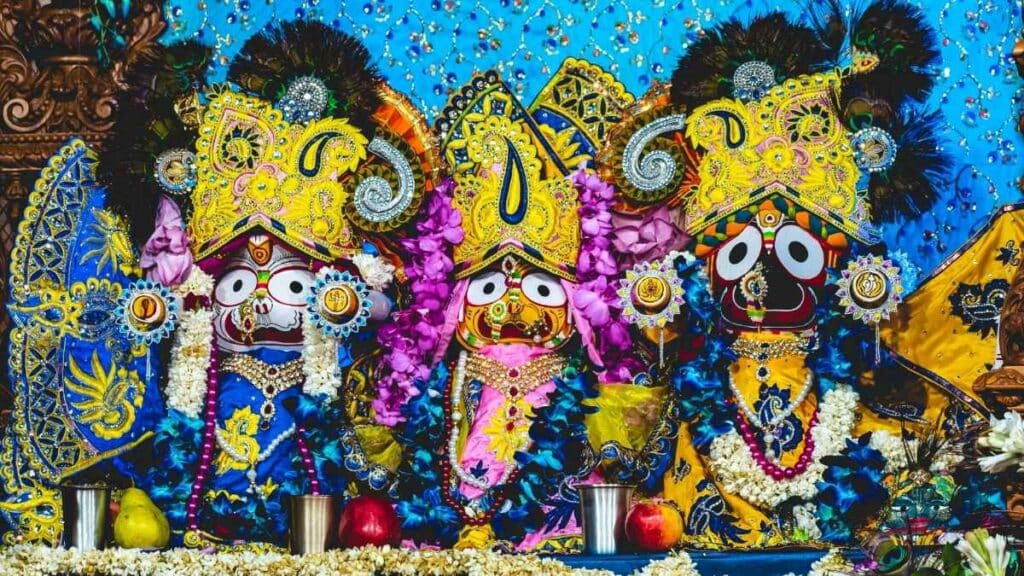
Janmashtami is celebrated primarily by Hindus but welcomed by people of many faiths across India, reflecting the country’s pluralistic spirit. Over time, Janmashtami has evolved into a cultural celebration that transcends religious boundaries.
Krishna’s universal teachings of love, righteousness, and devotion resonate across communities. In many neighborhoods, people from different faiths—Hindus, Sikhs, Muslims, Christians, and others—participate in Janmashtami festivities by attending community celebrations, enjoying traditional sweets, and witnessing cultural programs like Raas Leela performances.
Sikhs particularly connect with Krishna’s teachings, as references to Krishna appear in Guru Granth Sahib. In Punjab, many Sikh families participate in Janmashtami celebrations.
The Dahi Handi celebrations in Maharashtra attract participants regardless of religious background, celebrated as a joyful community event. Schools and educational institutions organize fancy dress competitions where children of all backgrounds dress as Krishna or Radha.
The festival promotes harmony, cultural appreciation, and shared celebration, as people gather to witness midnight aartis, enjoy prasad, and participate in devotional singing. By encouraging devotion, joy, and community bonding, Janmashtami serves as a reminder that festivals can unite people through common values of love, spirituality, and celebration of life.
How Janmashtami Is Celebrated Outside India
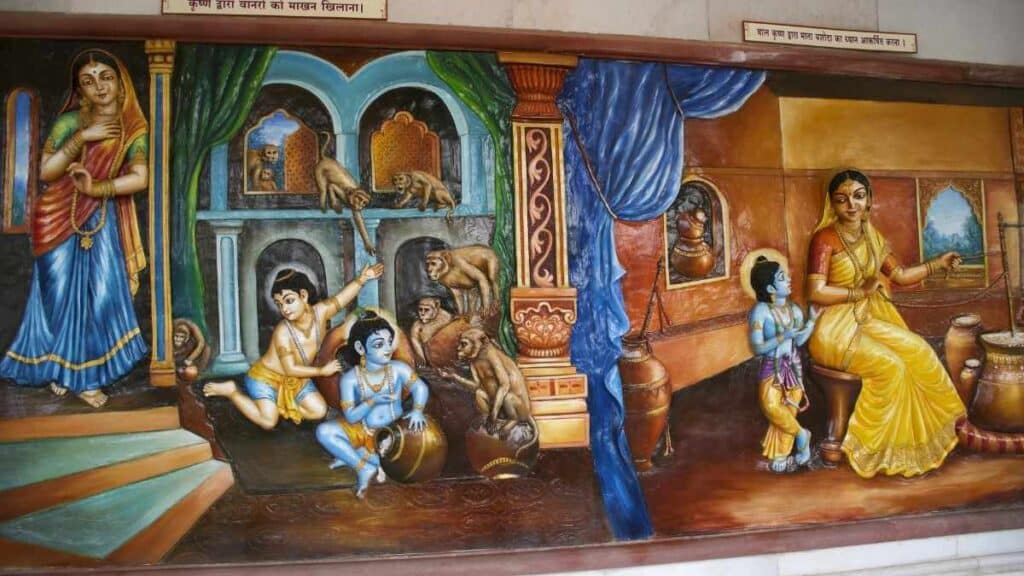
Indian diaspora communities worldwide celebrate Janmashtami with devotion and cultural pride, adapting traditions to local contexts while preserving spiritual essence.
In the United States and Canada, ISKCON temples (New York, Los Angeles, Toronto, Vancouver) host major celebrations with 24-hour kirtans, midnight aartis, Bhagavad Gita marathons, and elaborate prasad distribution. Community centers organize Dahi Handi competitions, cultural programs featuring classical dance performances, and children’s fancy dress events. Weekend celebrations accommodate work schedules.
In the United Kingdom, Bhaktivedanta Manor (ISKCON) near London attracts tens of thousands of devotees for grand celebrations. Leicester, Birmingham, and other cities with significant Indian populations organize temple events, devotional singing, and community feasts. Many celebrations extend to the weekend for broader participation.
In Australia and New Zealand, Sydney, Melbourne, and Auckland’s Indian communities celebrate with temple visits, devotional programs, and cultural events adapted to Southern Hemisphere timing. Community organizations host public celebrations introducing non-Indians to Krishna’s teachings and Indian culture.
In the Middle East (UAE), Dubai and Abu Dhabi’s Hindu temples conduct midnight pujas, bhajan sessions, and traditional celebrations. Despite being working days, evening and late-night observances allow participation.
In Southeast Asia, Singapore’s Little India temples and Malaysia’s Brickfields area host vibrant celebrations. ISKCON centers across Thailand, Indonesia, and other countries lead festivities.
In the Caribbean (Trinidad, Guyana, Suriname) and Fiji, Indo-Caribbean communities maintain ancestral traditions with temple celebrations, Raas Leela performances, and week-long festivities. Fiji’s celebrations are particularly extensive, lasting eight days.
In Nepal and Bangladesh, Janmashtami is a national holiday with processions, temple celebrations, and nationwide observances.
These global celebrations help second-generation Indians stay connected to their cultural roots while introducing Krishna’s universal message of love and devotion to diverse audiences.
Janmashtami Gifting Traditions
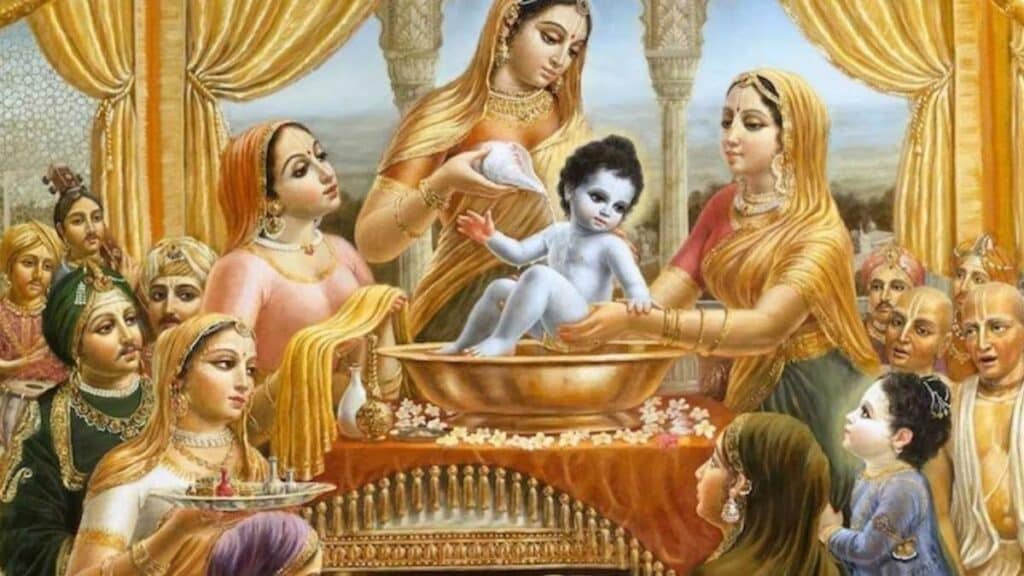
Janmashtami gifting is a joyful tradition that symbolizes devotion, love, and sharing divine blessings. People exchange traditional sweets, Krishna-themed items, and festive treats to celebrate the occasion and strengthen relationships.
Traditional gifts include:
- Sweets: Pedas (especially from Mathura), ladoos, barfis, makhan (butter) themed confections
- Religious items: Small Krishna idols, Bhagavad Gita copies, prayer beads (mala), framed Krishna paintings
- Clothing: Traditional outfits for children—yellow dhotis, peacock feather crowns, flutes to dress as Krishna; colorful lehengas for Radha costumes
- Decorative items: Brass diyas, incense sets, Krishna-themed wall hangings
Modern gifting practices include:
- Gift hampers: Combinations of sweets, dry fruits, decorative items
- Charitable donations: Contributing to orphanages or cow shelters (gaushalas) in Krishna’s name
- Eco-friendly gifts: Natural organic colors for celebrations, sustainable products
- Children’s items: Krishna storybooks, educational toys, animated series collections
The tradition reflects the spirit of devotion and sharing that Krishna embodies, making Janmashtami gifting a meaningful way to spread joy and divine blessings.
Traditional Janmashtami Foods and Sweets
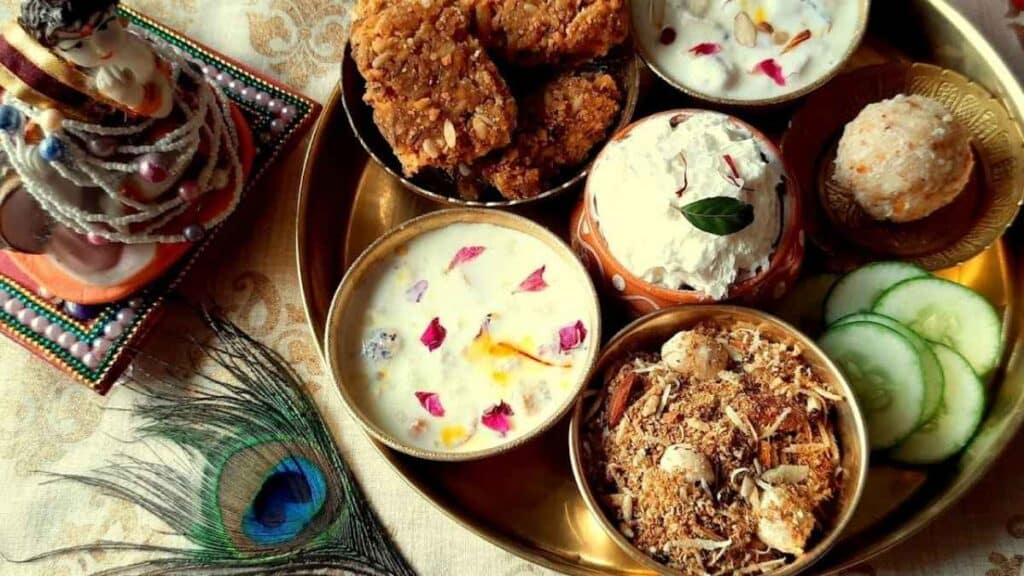
Food plays an essential role in Janmashtami celebrations, symbolizing devotion, hospitality, and the sharing of divine blessings.
Common Janmashtami delicacies include:
Pan-Indian Offerings:
- Panchamrit — Sacred mixture of milk, curd, ghee, honey, and sugar for abhisheka
- Makhan (White Butter) — Krishna’s favorite, offered in small earthen pots
- Pedas — Milk-based sweets, particularly famous from Mathura
- Dry fruits and fresh fruits — Dates, figs, bananas (fasting-friendly offerings)
Regional Specialties:
North India:
- Singhara halwa (water chestnut flour pudding)
- Sabudana khichdi (tapioca pearls with peanuts)
- Makhana kheer (fox nuts pudding)
Maharashtra:
- Dahi (buttermilk for Dahi Handi)
- Shrikhand (sweetened yogurt dessert)
Gujarat:
- Mohanthal (gram flour fudge)
- Lapsi (broken wheat porridge)
South India:
- Seedai (sweet and savory rice balls)
- Verkadalai urundai (peanut balls)
- Thirattupaal (thickened milk pudding)
East India:
- Naru (coconut or sesame ladoos)
- Mishti doi (sweet yogurt)
These dishes are prepared with devotion, offered to Krishna during puja, and then shared as prasad with family, friends, and community members, spreading joy and divine blessings.
Janmashtami: Music, Art, and Cultural Expression
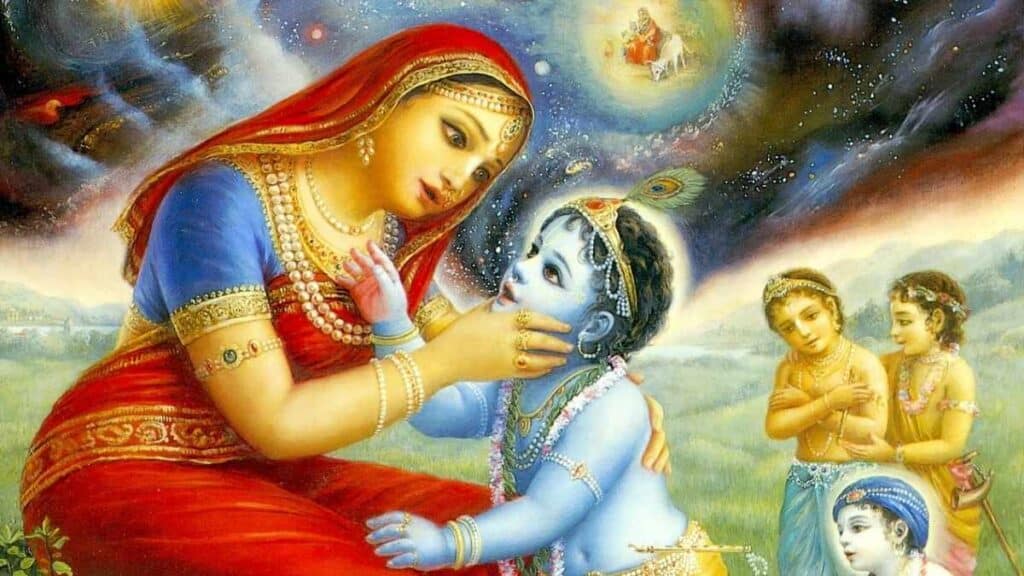
Music, art, and performance are integral to Janmashtami celebrations, bringing spiritual devotion and cultural vibrancy to life.
Traditional music fills the air with devotional bhajans composed by saint-poets like Surdas, Mirabai, Narsinh Mehta, and Dayaram. The Hare Krishna Maha Mantra is chanted continuously in temples, while kirtans (call-and-response group singing) create an atmosphere of collective devotion. The Bhagavad Gita is recited melodiously in Sanskrit, and regional compositions like Braj bhasha songs and Tamil Geetha Govindam are sung with devotion.
Dance traditions central to Janmashtami include:
- Raas Leela — Dance-dramas depicting Krishna’s divine dances with Radha and gopis, performed in Manipuri, Kathak, and folk styles
- Garba and Raas — Gujarati circular dances celebrating Krishna
- Ankia Naat and Sattriya — Assamese classical traditions
- Spontaneous folk dancing to dhol beats in temples and communities
Visual arts associated with Janmashtami include:
- Rangoli/Kolam — Floor art depicting Krishna’s footprints, peacocks, flutes
- Pichwai paintings — Elaborate textile art from Nathdwara
- Madhubani and Tanjore paintings — Traditional art forms featuring Krishna themes
- Temple decorations with flowers, lights, and elaborate backdrops for Krishna idols
Bollywood and popular culture have embraced Janmashtami through countless films, songs, and television series depicting Krishna’s life—from animated “Little Krishna” series to epic shows like “Mahabharat” and dedicated “Krishna” serials. Iconic songs celebrating Krishna have become cultural touchstones.
Together, music, dance, and art make Janmashtami a powerful expression of devotion, creativity, and cultural unity, transforming spiritual observance into joyful celebration.
Janmashtami’s Modern Relevance and Cultural Continuity

In today’s fast-paced, often divided world, Krishna Janmashtami continues to hold deep relevance as a festival that promotes devotion, joy, and spiritual connection. While celebration styles have evolved, the core spirit remains unchanged—honoring divine love, celebrating righteousness over evil, and finding the sacred in everyday life.
Janmashtami plays an important role in preserving cultural continuity. Across generations and geographies, the festival connects people to their spiritual roots while allowing space for contemporary interpretations. For Indian communities living abroad, Janmashtami serves as a powerful link to heritage, helping transmit traditions, values, and Krishna’s timeless teachings to younger generations growing up in multicultural environments.
Krishna’s message remains universally relevant: The Bhagavad Gita’s teachings on dharma (duty), karma (action), and bhakti (devotion) offer guidance for modern challenges—work-life balance, ethical decision-making, stress management, and spiritual fulfillment. Krishna’s emphasis on performing one’s duty without attachment to results resonates with contemporary mindfulness and purposeful living philosophies.
Beyond religious observance, Janmashtami carries a timeless message of harmony, playfulness, and human connection. Krishna’s childhood stories remind us not to lose joy and innocence amid life’s complexities. His unconditional love for devotees teaches acceptance and compassion. The Dahi Handi celebrations break social barriers, bringing communities together in collective joy.
In an increasingly digital world, Janmashtami reminds us of the importance of gathering in person, singing together, sharing food, and celebrating life’s vibrancy. The festival’s enduring relevance lies in its ability to adapt while staying true to its essence—celebrating divine love, devotion, and the triumph of light over darkness.
Hare Krishna!