


Marathi cinema and web content have experienced a renaissance over the past few years, delivering storytelling that combines regional authenticity with production quality and narrative ambition that rivals mainstream Hindi content—and ZEE5 (accessible through OTTplay Premium) has positioned itself as the primary streaming home for this vibrant content ecosystem. As Devkhel, the highly anticipated mythological thriller set in Konkan, prepares for its OTT premiere tonight, it’s the perfect moment to explore the rich catalog of Marathi content that demonstrates the diversity, depth, and distinctive voice that Marathi storytelling brings to Indian OTT landscape.
Qick Summary:
Before Devkhel’s OTT release tonight on ZEE5 (OTTplay Premium), explore these essential Marathi shows and films: Dashavatar (Oscar-associated mythological thriller), Be Dune Teen (slice-of-life comedy-drama about expecting triplets), Baai Tujhyapayi (inspirational drama about women’s empowerment)
Why Marathi Content on ZEE5 Deserves Your Attention
ZEE5’s commitment to Marathi content has been transformative for the industry’s reach and visibility. By providing professional streaming platform with national and international distribution, ZEE5 has enabled Marathi content to find audiences far beyond Maharashtra’s borders—diaspora communities globally, non-Marathi speakers curious about regional cinema, and urban audiences seeking alternatives to mainstream Hindi entertainment.
OTTplay Premium’s bundling of ZEE5 alongside 25+ other streaming platforms makes accessing this Marathi content economical for viewers who want diverse entertainment options without maintaining separate subscriptions to multiple services. The aggregation model benefits both platforms (expanding potential viewership) and subscribers (accessing more content per rupee spent).
Regional content’s rising prominence on OTT platforms reflects broader shifts in Indian entertainment consumption where linguistic barriers matter less when subtitles and dubbing are readily available, where content quality trumps star power in driving viewership decisions, and where audiences actively seek stories that feel authentic to specific cultural contexts rather than the homogenized pan-India content that aims to offend no one and excite no one.
Devkhel: Tonight’s Mythological Thriller Set in Konkan
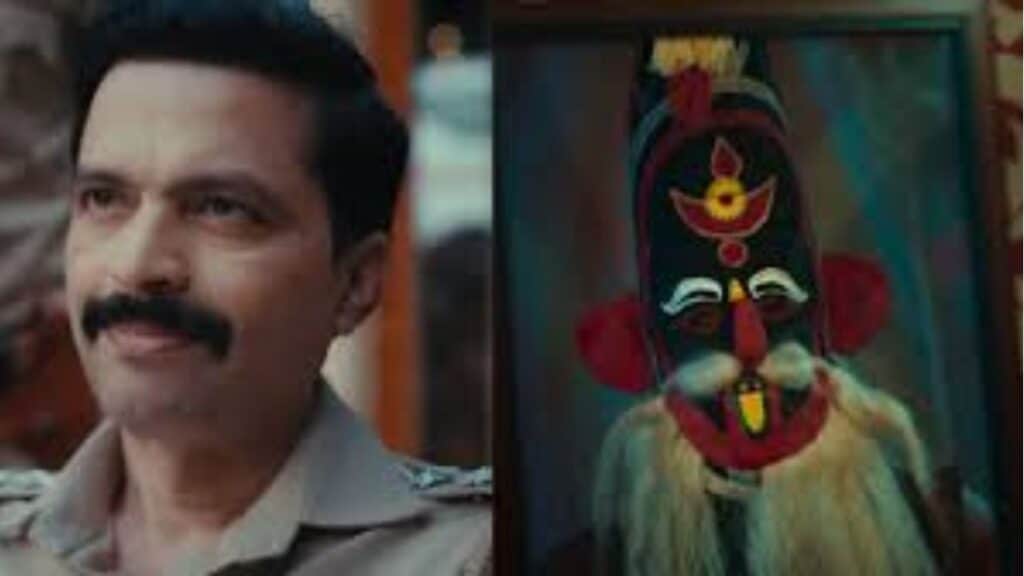
The Konkan setting immediately establishes cultural and geographic specificity that distinguishes Devkhel from generic thrillers. The Konkan coastal region of Maharashtra carries distinct identity—unique festivals, particular devotional practices, coastal geography that shapes lifestyle and economy, and cultural traditions that blend Hindu mythology with local folk practices in ways that differ from Maharashtra’s interior regions.
Inspector Vishwas Saranjame’s investigation into ritual murders provides the thriller framework that makes mythological content accessible to viewers who might not engage with pure devotional or mythological cinema. The detective investigating mysterious deaths is universal thriller structure that audiences globally understand, creating entry point for exploring cultural and mythological content that might otherwise feel impenetrable to outsiders.
The thriller genre choice for mythological content represents strategic creative decision that expands potential audience beyond devotees seeking religious content. Viewers who enjoy crime procedurals, mystery series, and psychological thrillers might engage with Devkhel even without particular interest in Hindu mythology, while the mythological depth provides substance that pure crime plotting might lack.
Be Dune Teen: Heartwarming Comedy-Drama About Expecting Triplets
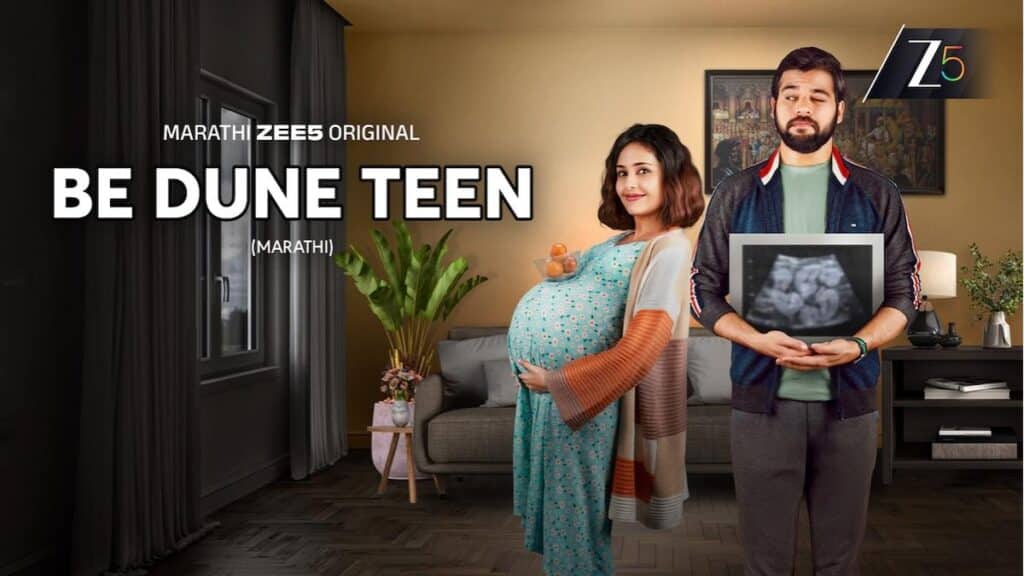
The premise of expecting triplets immediately establishes dramatic potential that’s simultaneously extraordinary (triplets are medically rare) and deeply relatable (the anxieties, logistics, and relationship pressures of pregnancy and parenthood are universal). This balance between the unusual and the familiar creates comedy and drama opportunities that the series apparently exploits effectively.
The journey from shock to acceptance that the couple experiences mirrors broader parenthood narratives but with the multiplier effect of triplets creating quantitative and qualitative differences. Every anxiety about readiness for one child gets tripled. Every logistical question about childcare, space, finances, and lifestyle changes becomes exponentially more complex. The show’s exploration of these escalating pressures presumably provides both comedy (the absurdity of certain situations) and genuine emotional weight (the legitimate fears and relationship strains).
The accessibility of slice-of-life content makes series like Be Dune Teen excellent entry points for viewers new to Marathi content. Unlike mythological or intensely regional stories that require cultural context to fully appreciate, stories about relationships, pregnancy, and family pressures translate readily across linguistic and cultural boundaries. A non-Marathi speaker watching with subtitles can immediately connect with the emotional core even if specific cultural references require adjustment.
Dashavatar: The Oscar-Associated Mythological Thriller
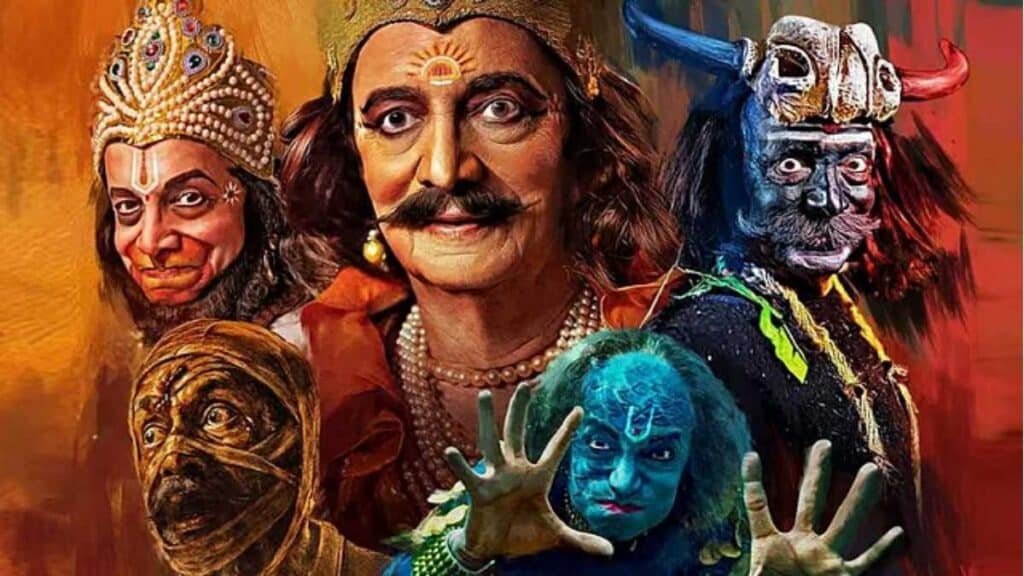
The ensemble cast featuring Marathi cinema stalwarts like Dilip Prabhavalkar, Mahesh Manjrekar, and Bharat Jadhav alongside younger talent like Siddharth Menon and Abhinay Berde signals ambitious production that leverages established star power while creating space for emerging actors. This multi-generational casting often produces richer performances as veterans and newcomers challenge each other.
The Dashavatara performance tradition provides the film’s central conceit. Dashavatara is traditional Marathi theatrical form that dramatizes the ten avatars of Lord Vishnu through dance-drama performance, often staged during festivals and religious occasions. The art form carries cultural heritage and religious significance while also being demanding physical and artistic practice that performers dedicate lives to mastering.
The blending of myth with reality described in the synopsis indicates the film operates on multiple narrative levels simultaneously. The surface level involves the actual Dashavatara performance being staged. A deeper level explores the performer’s personal history, relationships, and psychological state. The deepest level perhaps finds resonances between the avatars’ mythological journeys and the performer’s own life experiences, creating symbolic and metaphorical dimensions where the line between performing the avatars and becoming them blurs.
The Oscar association (again, specifics unclear from available information) elevates Dashavatar’s profile internationally and validates Marathi cinema’s artistic ambitions to audiences who might otherwise dismiss regional content as provincial or technically inferior. Whether the association involves Oscar consideration, participation in official categories, technical achievements, or some other connection, it signals that Dashavatar merits serious attention as cinema rather than just regional entertainment.
Baai Tujhyapayi: Women’s Empowerment in Rural Maharashtra
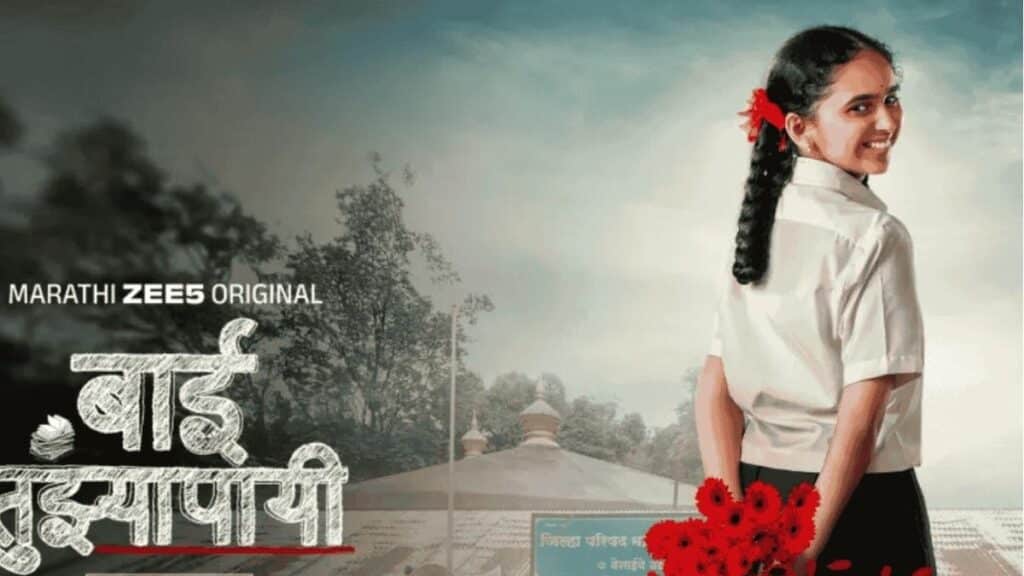
The rural Maharashtra setting immediately signals specific challenges distinct from urban women’s struggles. Rural contexts often feature more rigid social hierarchies, more direct community surveillance and enforcement of gender norms, more limited economic opportunities for women beyond agricultural labor or domestic work, and fewer institutional supports (legal aid, women’s organizations, education access) that urban contexts provide.
The protagonist’s battle for respect, independence, and better life presumably involves confronting these structures directly rather than just accommodating them or finding workarounds. The description noting she “creates challenges” and “stands up to societal pressure” suggests active resistance rather than passive suffering—she disrupts rather than endures, questions rather than accepts, organizes rather than waits for men to grant improvements.
The motivational and inspirational framing positions Baai Tujhyapayi as content designed to affect viewers emotionally and potentially change their perspectives or behaviors. While all storytelling aims to move audiences, social issue films explicitly seek to generate not just entertainment but consciousness-raising, empathy development, and ideally action inspiration among viewers.
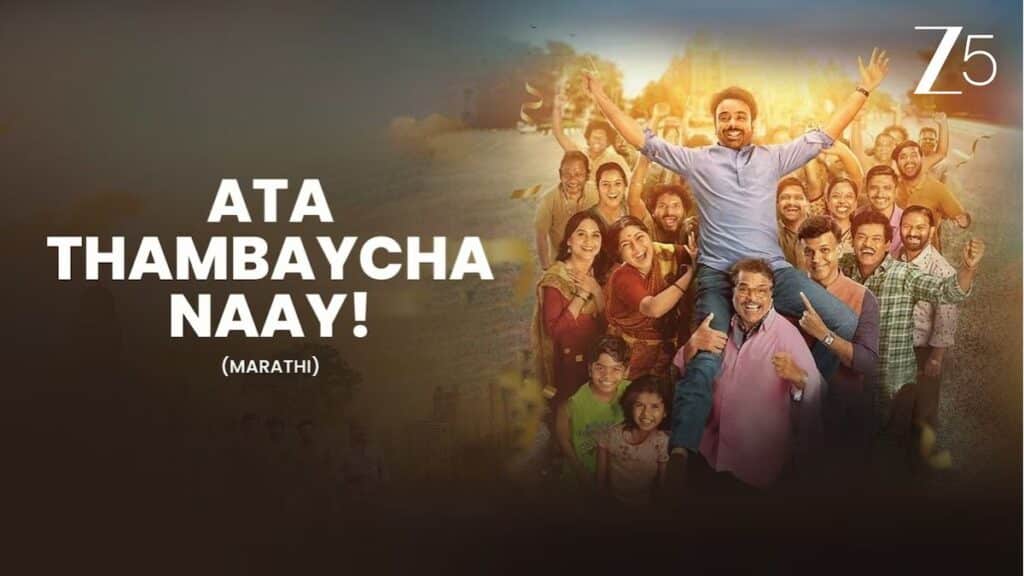
Ata Thambaycha Naay!: True Story of Adult Education Triumph
The true story foundation provides inherent dramatic structure and emotional resonance that fictional narratives must construct from scratch. These were real people facing real struggles who achieved genuine accomplishment that improved their actual lives. Audiences engage differently knowing events actually happened—the stakes feel higher, the emotions more authentic, the achievement more meaningful because it changed real lives rather than just satisfying narrative requirements.
The cast featuring comedy stalwarts like Bharat Jadhav and Siddhartha Jadhav alongside Ashutosh Gowariker (better known as acclaimed director of films like Lagaan, Swades, and Jodhaa Akbar but occasionally acting) suggests the film balances serious themes with accessible entertainment. Comedy actors often bring humanity and relatability to dramatic roles, avoiding the self-seriousness that can make social issue films feel like medicine rather than entertainment.
The obstacles mentioned (“tremendous odds stacked against them”) likely included time constraints (full-time work plus study), educational gaps (decades since they’d been in classroom learning situations), financial pressures (exam fees, study material costs, potential lost overtime work while studying), age-related challenges (memory and learning that become harder with age), family responsibilities (children, elderly parents, household duties), and social skepticism from people who couldn’t imagine municipal sanitation workers passing 10th boards and perhaps actively discouraged attempts.
CHECK MORE ON:Border 2 Movie Release Date, Cast, Box Office and Everything You Need to Know
Jarann: Psychological Horror About Witchcraft and Superstition
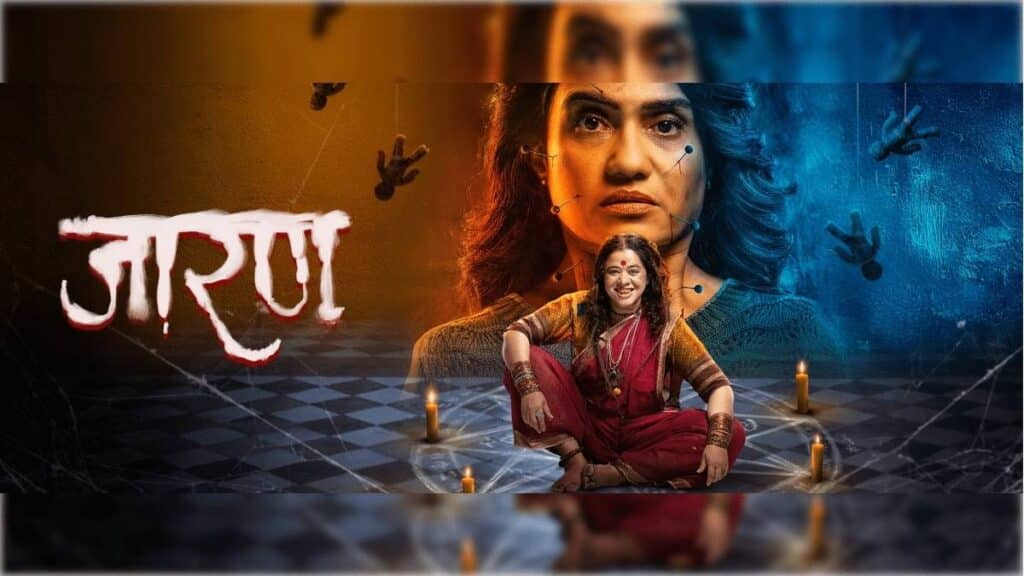
Director Hrishikesh Gupte brings established Marathi cinema credentials to genre filmmaking, suggesting Jarann isn’t exploitation horror trading on cheap scares but crafted psychological horror that uses genre conventions to explore serious themes about belief systems, community psychology, and the power of fear.
The rural village setting proves ideal for horror content that trades on isolation, insularity, and the persistence of traditional belief systems that modernity hasn’t fully penetrated. Villages where everyone knows everyone create surveillance and social control dynamics that horror can exploit—secrets that everyone shares but no one discusses, collective delusions that become enforced reality, scapegoating dynamics where communities unite against designated outsiders or deviants.
The hidden family secrets mentioned suggest the horror operates on multiple levels. The surface level involves witchcraft beliefs and practices threatening the community. A deeper level explores how families harbor secrets—past traumas, crimes, shame, madness—that the witchcraft narrative perhaps allows to surface or provides metaphors for expressing.
The psychological effects emphasized indicate the film explores how belief in witchcraft and exposure to supposed supernatural phenomena affect characters mentally. Does the protagonist question their sanity? Do community members experience psychological breaks between what they’ve been taught to believe and what their education or experience tells them? How does sustained fear and paranoia damage psyche even if supernatural threats never materialize?
The cultural specificity of Marathi rural witchcraft beliefs distinguishes Jarann from generic horror that could be set anywhere. The specific practices, deities invoked, rituals performed, and social dynamics around witchcraft accusations in Maharashtrian contexts create authentic atmosphere that horror fans appreciate for its novelty while locals recognize for its accuracy.
Why These Six Projects Showcase Marathi Content’s Range
Genre diversity distinguishes mature film industries from those stuck in limited formulas. That Marathi content on ZEE5 spans thrillers, comedies, horror, social drama, mythology, and biographical films indicates an industry with creative confidence to experiment across genres rather than defaulting to safe formulas that have worked previously.
Thematic sophistication across these projects addresses contemporary social issues (women’s empowerment, education access, class barriers), engages seriously with mythology and cultural traditions (Dashavatara performance, Matsyavatara narratives, witchcraft beliefs), and explores universal human experiences (parenthood anxieties, aging and mortality, family secrets, personal determination).
Production quality improvements visible across these projects reflect how OTT platform resources and distribution possibilities have elevated regional cinema production values. While budgets remain lower than Bollywood mainstream, the gap has narrowed considerably in cinematography, sound design, editing sophistication, and overall technical craft that makes content feel professional rather than provincial.
