


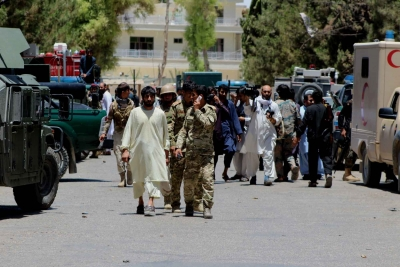
Afghan prisoners returning from Pakistani jails have shared stories of mistreatment and oppression during their detention. Reports from Kabul reveal that some detainees were held without valid reasons. Pakistan has recently escalated the arrest, detention, and forced deportation of Afghan refugees, as highlighted by Afghanistan’s Tolo News. Over 500 Afghans, who were released from Pakistani prisons, were handed over to Afghan authorities at Spin Boldak last week.
Spin Boldak, located in Afghanistan’s Kandahar province and bordering Chaman in Pakistan’s Balochistan province, has historically facilitated trade and traffic. However, following a violent clash last October, the border has largely remained closed, except for limited movements by mutual agreement.
According to Tolo News, Afghan returnees from Pakistan reported being subjected to harsh and inhumane conditions in prisons after being detained by Pakistani authorities. Akhtar Mohammad Hotak, deported with his family through Spin Boldak, recounted facing mistreatment in Chaman after being held in Balochistan. The returnees described overcrowded rooms with inadequate facilities, such as lack of food and water.
One released prisoner, Abdul Sattar, claimed he was arbitrarily detained despite possessing valid identification documents. He alleged that individuals without proper papers were released upon payment of a bribe. Another returnee, Mohammad, narrated being assaulted for simply identifying as Afghan while on his way to work in Karachi. The mistreatment extended to disrespect towards their female family members, as per the detainees’ accounts.
Former prisoner Dost Mohammad, who spent around two weeks in a Pakistani jail, detailed the severe treatment by police, including sleep deprivation and food scarcity. He mentioned capturing their ordeal on film to document the unprecedented cruelty they endured. Analysts interviewed by Tolo News have called for humanitarian intervention to safeguard Afghan refugees from such abuses in neighboring countries, emphasizing the violation of international norms in the arrest and deportation processes.
