


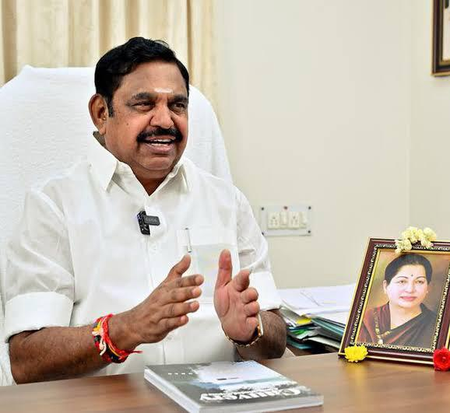
As the Tamil Nadu Assembly elections draw near, the AIADMK has launched the second phase of its election pledges, focusing on social welfare and financial aid. Party General Secretary Edappadi K. Palaniswami revealed a range of benefits for senior citizens, women, students, minorities, and economically disadvantaged groups if the party retains power. Among the promises are an increase in monthly old-age pension to Rs 2,000 and financial support of the same amount for destitute women, surpassing the current Rs 1,200 assistance.
In a bid to alleviate the financial burden on students, the AIADMK has vowed to waive educational loans obtained through banks, with the state government shouldering the costs. This move is anticipated to resonate with middle-class and rural families grappling with escalating education expenses. The party’s agenda also includes providing three free cooking gas cylinders annually to all family cardholders to mitigate the impact of soaring LPG prices.
Moreover, the AIADMK has committed to compensating victims of Jallikattu-related accidents, offering Rs 10 lakh to the families of deceased victims and Rs 2 lakh to the injured. Additionally, government-recognized Jallikattu events will receive Rs 5 lakh in financial aid. The party has also outlined special provisions for vulnerable groups, such as writing off loans taken by persons with disabilities from cooperative banks and extending interest-free loans to minority women, including Muslim women, to facilitate their entry into small businesses.
These announcements come on the heels of the initial phase of promises made on January 17, which encompassed augmenting women’s aid schemes to Rs 2,000, providing free bus travel for men, distributing land to rural homeless individuals under the ‘Amma Illam’ initiative, offering apartments to urban homeless residents, expanding the rural employment program to 150 days, and furnishing Amma two-wheelers to five lakh women. By blending welfare enhancements with targeted financial support, the AIADMK is strategically positioning its manifesto to appeal to women, youth, farmers, and low-income households in anticipation of a closely contested electoral showdown in the state.
