


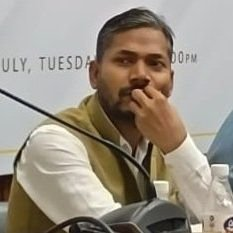
Shujaat Ali Quadri, a leader of the All India Majlis-e-Ittehadul Muslimeen (AIMIM), expressed strong objection to his party being termed “communal” by the Jamiat Ulama-i-Hind. He found the characterization surprising and deeply unfortunate. While acknowledging that AIMIM’s political stances are subject to criticism, Quadri emphasized that labeling the party as communal was unacceptable. He urged the Jamiat Ulama-i-Hind to clarify the basis of such allegations and emphasized the need for transparency.
In response to a formal notice from the Jamiat Ulama-i-Hind to Maulana Badruddin Ajmal Qasmi, seeking an explanation within 24 hours regarding his alleged association with a communal political party, Quadri called for accountability. The notice highlighted Ajmal’s reported alliance with a communal party during the recent election campaign, which the Jamiat deemed a deviation from its established principles. The organization, dating back to 1951, has a clear policy against members aligning with communal forces, emphasizing unity, constitutional values, democratic principles, and India’s diverse social fabric.
The Jamiat Ulama-i-Hind reiterated its commitment to upholding the values set by its predecessors, emphasizing the importance of safeguarding constitutional principles and opposing communal politics in all its forms. The organization warned of taking appropriate action if the explanation provided by Ajmal was deemed unsatisfactory, in line with its organizational rules. The dispute underscores the ongoing tensions within the political landscape, with differing views on communalism and political alliances.
