


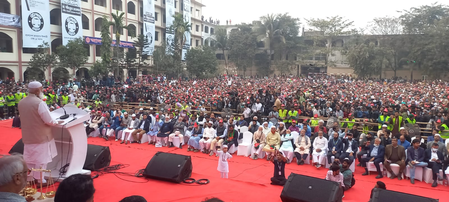
The upcoming elections in Bangladesh are anticipated to witness a surge in anti-India sentiments, with intelligence agencies warning of heightened violence as the polls draw near. The Jamaat-e-Islami, under ISI influence, is strategically fueling anti-India narratives to secure votes, while India closely monitors the situation. Concerns of potential unrest and interference in the electoral process have prompted New Delhi to take precautionary measures, including the withdrawal of Indian officials’ families from Bangladesh.
Recent violent protests in Bangladesh, targeting Indian missions, have exacerbated tensions, with the Jamaat propagating anti-India sentiments among the populace. Security challenges loom ahead for India, as intelligence reports indicate the presence of top militant commanders in Bangladesh, posing a threat to regional stability. The ISI’s alleged multi-pronged strategy aims to intensify anti-India rhetoric, target minorities, and facilitate infiltration into Indian territories, particularly the northeastern states and West Bengal.
The evolving political landscape in Bangladesh, coupled with external influences from China and Pakistan, adds complexity to the situation. Both countries are purportedly backing a Jamaat government, with potential plans for economist Muhammad Yunus to assume the presidency post-election. Yunus’ role is seen as pivotal in aligning with the interests of China and Pakistan, further complicating the regional dynamics.
