


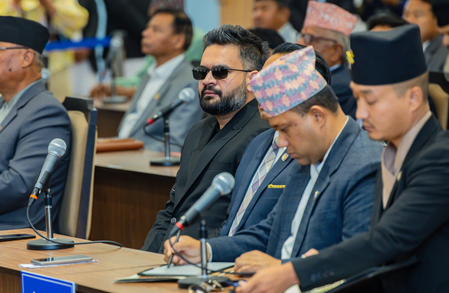
The arrest of former Prime Minister K P Sharma Oli and ex-Home Minister Ramesh Lekhak for their alleged role in suppressing Gen-Z protests last September stirred controversy in Nepal’s federal parliament. Oli, from the Communist Party of Nepal (Unified Marxist–Leninist), and Lekhak, associated with the Nepali Congress, were taken into custody on March 28 in connection with a culpable homicide case linked to the protests that resulted in 77 deaths and extensive property damage.
Rabi Lamichhane, President of the ruling Rastriya Swatantra Party, defended the arrests, emphasizing the need for justice for the victims’ families. Despite the RSP’s significant victory in the recent elections, Lamichhane assured that the ruling party would not engage in retaliatory actions against opposition groups based on ideology, aiming to correct past injustices and avoid arrogance.
During the parliamentary session, leaders from the CPN-UML criticized the arrests, labeling them as part of a larger conspiracy. They questioned the legality of the arrests and accused various state entities, including the Nepal Army and bureaucracy, as well as the Barbara Foundation and the use of misinformation, for the ruling party’s electoral success. Meanwhile, a Nepali Congress lawmaker raised concerns about the impartiality of the High-Level Commission’s leaked report regarding the September incidents.
RSP President Lamichhane also extended a public apology to the Dalit community for historical discrimination, vowing to address past injustices through equitable measures. Expressing regret for centuries-long oppression, he emphasized the government’s commitment to ensuring justice and equality for all citizens.
