


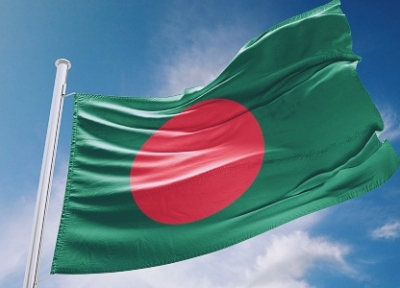
The debate surrounding Bangladesh’s goal of achieving a trillion-dollar economy by 2034 has transitioned from political manifestos to national discourse and online criticism. Economists suggest that with the right policies and reforms, Bangladesh could potentially expand its economy significantly within the next decade. The Bangladesh Nationalist Party recently set the target of a trillion-dollar economy by 2034, sparking discussions and skepticism.
The International Monetary Fund reports that Bangladesh’s GDP stood at around 519 billion dollars in 2025, with a growth rate of 3.7–3.9 percent. To reach the trillion-dollar mark, Bangladesh would need to maintain an annual real GDP growth of approximately 8 percent for ten years, a challenging task that requires substantial structural changes. The country’s heavy reliance on the ready-made garments industry for exports poses limitations on value-added growth and leaves it vulnerable to global market fluctuations.
Investment emerges as a critical bottleneck in Bangladesh’s economic growth trajectory, with issues like high interest rates, policy uncertainties, and a weak banking sector hindering quality private investments. The country’s revenue-to-GDP ratio, currently at 7 percent, is considered low compared to its South Asian counterparts. To support high-growth trajectories, experts argue that this ratio needs to double to 14–15 percent to finance essential public investments in infrastructure, education, and healthcare.
With a significant demographic advantage until around 2030, Bangladesh faces the challenge of creating productive jobs for its young population entering the workforce annually. The economy’s heavy dependence on the garments sector underscores the need for diversification into other industries like electronics, pharmaceuticals, and agro-processing to enhance productivity. Addressing issues such as corruption, bureaucratic hurdles, and nonperforming bank loans is crucial to improving governance and investor confidence, essential for sustainable economic growth.
