


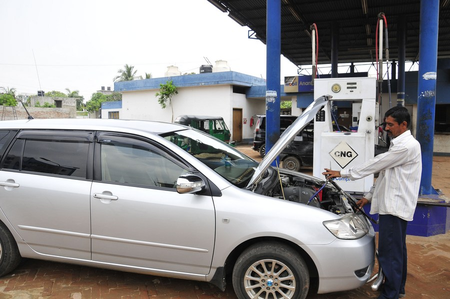
As part of efforts to curb illegal fuel hoarding, Border Guard Bangladesh (BGB) personnel have been stationed at various depots nationwide to ensure a continuous fuel supply, as reported by local media. The move comes in response to the global fuel shortages and price hikes, exacerbated by the crisis in West Asia. The BGB’s deployment, directed by the Ministry of Home Affairs, aims to address unauthorized stockpiling activities.
BGB’s Public Relations Officer, Md Shariful Islam, confirmed the deployment, stating that the initiative is a response to the prevailing situation. Reports indicate that the deployment is strategically organized under the supervision of BGB headquarters, with temporary camps set up in secure locations across different regions. Since Wednesday, BGB members have been stationed at 19 depots in nine districts, including Dhaka, Kurigram, Rangpur, Rajshahi, Sylhet, Moulvibazar, Comilla, Brahmanbaria, and Sunamganj.
In light of global uncertainties, the Bangladeshi government has opted to assign a designated officer to each petrol pump nationwide to enhance oversight and coordination of fuel management activities. This decision, made during a virtual meeting chaired by Mohammad Saiful Islam, the secretary of Bangladesh’s Energy and Mineral Resources Division, aims to ensure efficient fuel distribution and monitoring. The government directive specifies the appointment of tag officers by the Bangladesh Petroleum Corporation (BPC) in metropolitan areas, while district and divisional towns will have officers appointed by respective authorities.
Bangladesh’s Power, Energy and Mineral Resources Minister, Iqbal Hasan Mahmud, acknowledged disruptions in the country’s fuel supply system due to increased consumer demand. Speaking at the Secretariat in Dhaka, Mahmud highlighted the faster depletion of fuel stocks at petrol pumps, attributing it to the surge in demand. The minister noted that the situation has led to quicker exhaustion of fuel reserves, a departure from the previous surplus that remained at the end of the day. The fuel supply challenges have been further compounded by the ongoing conflict in West Asia, marked by recent military actions and retaliatory strikes.
