


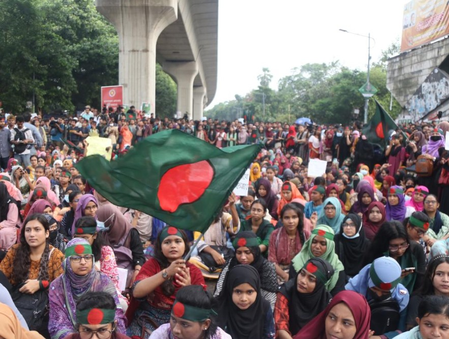
Bangladesh’s Election Commission data shows a significant absence of women in the upcoming national election, with 30 out of 51 political parties not fielding any female candidates. Despite women making up half of the population, they are notably underrepresented among the 2,568 aspirants for the February 12 polls. Only 109 of the candidates, accounting for 4.24%, are women, with most being nominated by political parties.
Reports indicate a stark gender disparity in candidate selection, particularly among certain parties. The radical Islamist party Jamaat-e-Islami and Islami Andolan Bangladesh have not fielded any female candidates among their large number of nominees. Even the Bangladesh Nationalist Party (BNP), historically led by a woman, has allocated tickets to only a small number of women out of its aspirants.
Jesmin Tuli, a former additional secretary of the Election Commission, points out the male-dominated nature of Bangladesh’s electoral process. She highlights that major parties nominating very few women sets a trend followed by smaller parties, further limiting female representation. Factors like financial constraints, social norms, and lack of support act as barriers for women entering the political race.
Munira Khan, president of the Bangladesh Fair Election Monitoring Alliance, expresses deep frustration over the negligible representation of women in parliamentary nominations. Despite women’s significant contributions to society, their inclusion in political party structures remains minimal. The lack of internal democracy within parties raises concerns about the genuine implementation of rules for women’s participation in decision-making processes.
