


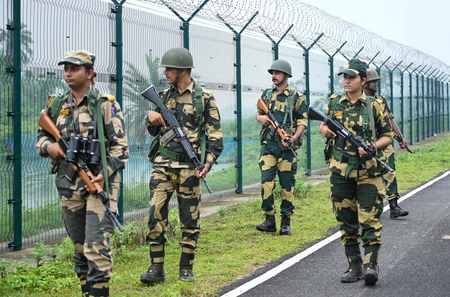
The much-awaited elections in Bangladesh commenced amidst reports of vote theft and violence. Since Sheikh Hasina’s removal, India-Bangladesh relations have strained, with caretaker Muhammad Yunus leaning towards Pakistan and China. India advocates for democracy restoration in Bangladesh and closely monitors the elections, especially concerning security along the 4,000-kilometre boundary shared with Bangladesh.
An official highlighted Bangladesh’s stability as crucial for secure borders and counter-terrorism efforts. India remains wary of potential threats from Bangladesh-based terrorists, especially with the release of radicals under Yunus. The stability of Bangladesh is pivotal for India’s Act East policy and economic cooperation, including energy and power trade, which flourished during Hasina’s tenure.
The outcome of the elections holds significance for both nations, as any instability in Bangladesh could jeopardize years of collaborative efforts. While India prefers a BNP victory for smoother cooperation, it acknowledges past engagements with the Jamaat-e-Islami. The evolving dynamics, with the BNP and Jamaat as rivals, pose challenges, particularly given Jamaat’s close ties with Pakistan and anti-India sentiments.
Efforts to maintain ties with India vary among Bangladeshi political factions, with the BNP accused of being too pro-India and the Jamaat labeled as Pakistan’s ally. The upcoming government’s democratic legitimacy is crucial for improved relations, steering away from the influence of external powers like Pakistan. Ensuring smooth elections and a stable government in Bangladesh is paramount for fostering constructive ties with India.
