


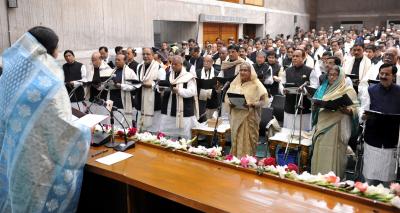
Bangladesh’s electoral landscape reveals a significant gender disparity, where women actively participate as voters but struggle to ascend to leadership positions. A recent dialogue in Dhaka, organized by the United Nations Development Programme (UNDP) and the Bangladesh Election Commission (BEC), emphasized the slow progress of women in leadership roles. The UNDP highlighted that while the Representation of the People Order (RPO) aims for 33% female representation in political party committees by 2030, the current level stands at only 2.33%.
The responsibility for this slow transition was placed on political parties by Bangladesh’s Election Commissioner, Anwarul Islam Sarker, who stressed the need for more initiatives to nominate women candidates. Leaders at the dialogue echoed the necessity for a cultural shift within political structures to encourage women’s participation. It was emphasized that the solution goes beyond quotas and requires creating a safe and supportive environment for women to engage in public life.
Election Commissioner Tahmida Ahmad underscored the importance of good governance and law enforcement to ensure women’s safety, thereby boosting their participation. Beyond political equity, Chief Election Commissioner A M M Nasir Uddin highlighted the economic benefits, suggesting that monetizing women’s unpaid household work could significantly boost Bangladesh’s GDP. UNDP’s Resident Representative, Stefan Liller, emphasized the vital role of women in strengthening democracy and fostering prosperous communities.
The dialogue concluded with a renewed commitment between UNDP and BEC to drive institutional reforms and sustained advocacy for women’s leadership. The UNDP stressed that advancing women’s political leadership is not just about rights but is crucial for the prosperity and resilience of Bangladesh’s democracy.
