


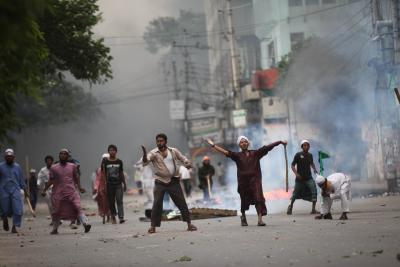
Bangladesh’s recent elections, won by the Bangladesh Nationalist Party (BNP), have not resolved issues around political exclusion and shrinking democratic space. The exclusion of major political players like the Awami League and media restrictions have raised concerns. Amendments to the Anti-Terrorism Act have expanded government powers, sparking worries about fairness and neutrality.
The media has faced harassment and restrictions, with over 354 journalists reportedly harassed and press credentials revoked for 167. Concerns have been raised by international bodies about the erosion of democratic values in Bangladesh. Extremist groups have gained ground, while secular voices have been suppressed, creating an imbalanced environment.
The government’s silence in response to concerns raised by UN human rights mandate holders has drawn criticism. Islamist organizations advocating for stricter ideologies pose a growing concern. The role of the International Crimes Tribunal has also come under scrutiny, with debates on its credibility and focus on contemporary cases.
India, as a neighboring country, has a vested interest in a stable and democratic Bangladesh. The need for a balance between accountability and inclusivity is crucial for democratic consolidation. Restoring confidence in institutions, ensuring a fair political landscape, and protecting dissent are vital steps to prevent further polarization and extremism.
