


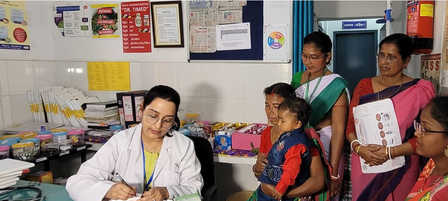
Bangladesh’s National Economic Council (NEC) has reduced the health and education sector budgets in the Annual Development Programme (ADP) by about 12.5%. The ADP was downsized to 208,935 crore taka from the original allocation of 230,000 crore taka due to slow spending, lower revenue mobilisation, and project shortages. The health sector faced a 74% cut, while secondary and higher education saw a 55% reduction.
The NEC’s decision was influenced by slow implementation rates in these sectors during the first half of the fiscal year. This move aims to prevent underutilisation and improve the overall ADP implementation rate by year-end. However, concerns remain about the long-standing issues affecting the performance of these crucial social sectors in the country.
The reduced allocations in the Revised Annual Development Programme (RADP) could have significant impacts on the population. Delays in essential medical treatments for conditions like cancer, kidney, and heart diseases may occur due to budget cuts in the health sector. Similarly, cuts in the education budget might lead to more children dropping out of school.
The RADP comprises a total of 1,330 projects, including investment projects, feasibility studies, and technical assistance projects. Additionally, autonomous bodies and corporations are implementing 66 projects using their own funds. The local government division received the highest allocation in the RADP, focusing on poverty alleviation, infrastructure development, and social safety net programs.
