


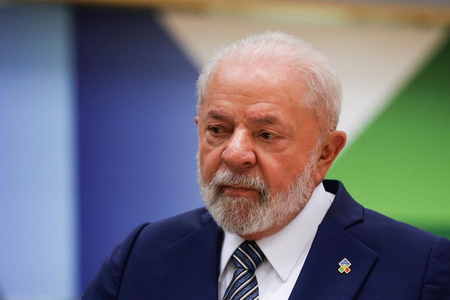
Brazilian President Luiz Inacio Lula da Silva has introduced a set of initiatives to mitigate the effects of fluctuating international energy prices on Brazil’s economy. The president recently approved a series of decrees aimed at offering immediate relief to consumers and businesses. These measures also focus on enhancing the nation’s energy security and reducing its vulnerability to external economic shocks.
One significant component of the plan involves a diesel subsidy crucial for the country’s freight transport sector. The subsidy, amounting to 1.20 reals ($0.23) per liter for diesel imports, will be jointly funded by the federal government and the states, with the federal government covering half of the subsidy.
In addition to the diesel subsidy, the government has announced the exemption of two federal taxes on biodiesel, resulting in a price decrease of 0.02 reals ($0.004) per liter. Biodiesel, which constitutes 15% of the diesel blend in Brazil, is set to benefit from this tax relief.
Furthermore, the package includes support for liquefied petroleum gas (LPG), a widely used household energy source in Brazil. The government plans to subsidize all LPG imports for the coming months, offering a subsidy of 850 reals ($165) per tonne. This initiative, estimated to cost 330 million reals (about $64 million), aims to align the prices of imported LPG with locally produced LPG, easing the financial burden on households, particularly those with lower incomes.
To bolster the aviation sector, the government has introduced two credit lines totaling up to 9 billion reals ($1.75 billion). Simultaneously, a bill has been swiftly presented to Congress to criminalize price gouging, proposing penalties ranging from two to five years of imprisonment.
