


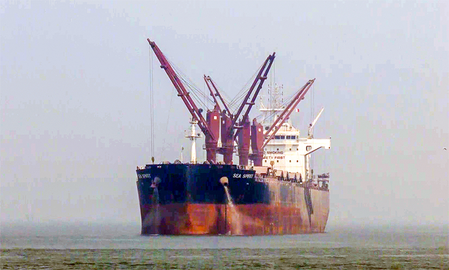
Britain is planning to engage in discussions with its allies next week regarding the reopening of the Strait of Hormuz without having to pay tolls to Iran. The British foreign ministry officials will convene with counterparts from nations that participated in a virtual meeting led by British Foreign Secretary Yvette Cooper on April 2 to address the issue. Talks will encompass potential coordinated economic and political actions, including the consideration of sanctions, as well as the liberation of ships and sailors currently stuck in the strait.
Representatives from more than 40 countries, in addition to international bodies like the European Union and the International Maritime Organization, attended the April 2 meeting to deliberate on potential joint measures concerning Iran, such as diplomatic pressure and economic and political steps like sanctions, as reported by Xinhua news agency. An official familiar with the arrangements mentioned that the upcoming meeting aims to seek solutions for a lasting resolution to the conflict and emphasize intensifying international diplomatic pressure on Iran to reopen the strait.
The meeting is anticipated to be the third one organized by Britain on this matter within this month. The specific date for the meeting next week has not been confirmed yet. Moreover, the United States and Iran have initiated a two-week ceasefire. Both countries are preparing for crucial ceasefire discussions in Islamabad amidst significant distrust, conflicting demands, and escalating pressure to find a way out of the conflict, according to reports from mainstream American media outlets.
As highlighted by The Washington Post, the common ground between the US and Iran seems limited, with the primary shared objective being the need to find an exit strategy from the war. Prior to the talks, accusations of bad faith were exchanged between the two nations. US President Donald Trump criticized Iran’s public proposals as deceptive and accused Tehran of obstructing tanker movements through the Strait of Hormuz. In response, Iran has set specific prerequisites for negotiations, including the resolution of issues such as the release of “blocked assets,” as stated by Parliamentary Speaker Mohammad Bagher Ghalibaf, as reported by The Washington Post and The New York Times.
