


The history of 19th-century India under foreign rule reveals a paradox. While the British East India Company claimed to govern for the welfare of the people, the reality was darker. The Pindari War of 1817–1819 epitomized this contradiction, showcasing British expansion driven by economic necessity.
The East India Company’s financial woes led to a relentless pursuit of conquest to sustain its administration. The doctrine of “irrepressible expansion” was a mechanism to pay off debts and maintain control. India bore the cost of its own subjugation, with profits channeled into British expenses.
The war against the Pindarries was a pretext for further British control over India. It aimed not just to police the border but to dismantle indigenous military power. The conflict led to the destruction of major Indian states, ensuring British dominance. The Maratha chiefs’ vulnerability was exploited, leading to their swift defeat.
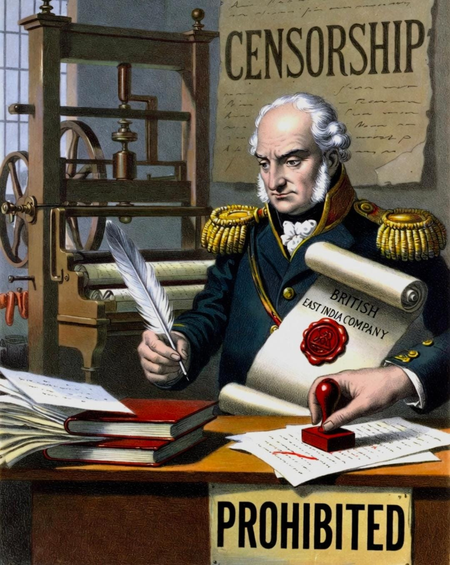
British claims of upholding justice and honor were undermined by selective application. Military conduct often contradicted principles of fairness, as seen in the execution of surrendered commanders. The British suppression of information through censorship aimed to maintain control and prevent unrest among the natives.
The economic exploitation of India by the East India Company stifled the country’s growth. The monopoly on trade restricted Indian resources for British benefit. The Indian economy suffered as wealth flowed outwards, leading to widespread poverty. The British system prioritized conquest over morality, leaving India shackled to serve foreign needs.
