


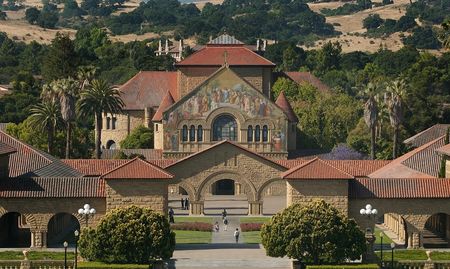
In a significant ruling, a California court has permitted Stanford University to retain the private diaries of Li Rui, a former insider of the Chinese Communist Party (CCP) who later became a prominent critic. This decision is seen as a setback to Beijing’s efforts to control historical narratives. Li Rui, who worked closely with Mao Zedong, meticulously documented Chinese political history for over 80 years, providing a unique perspective that challenges the CCP’s official accounts.
The legal dispute centered on China’s attempt to reclaim the diaries, with Li Rui concerned that his writings would face censorship or destruction if they remained in China. By transferring the materials to Stanford’s Hoover Institution, he aimed to safeguard access to the truth. The diaries contain sensitive information, including Li’s detailed recollections of the Tiananmen Square Massacre, an event heavily censored in China.
The Tibet Rights Collective contextualizes the case within the CCP’s broader control over information and dissent. Li Rui’s firsthand experiences of censorship and marginalization highlight the ongoing efforts to suppress inconvenient truths. By supporting Stanford, the court has resisted extending censorship beyond national borders, ensuring global access to the diaries for scholars and researchers.
Framing the ruling as a pivotal moment in history ownership, the report underscores the significance of preserving truth against state-controlled narratives. Li Rui’s decision to safeguard his life’s work at Stanford reflects a broader struggle to protect historical accuracy from political manipulation.
