
Close Menu
  • Indian Festivals 2026
  • Movie & OTT Releases This Week
  • News
  • Entertainment
  • NRI Life
  • Advertise with us
Facebook X (Twitter) Instagram YouTube
  • Download Indian Community App
  • Advertise Here
Facebook X (Twitter) Instagram
Indian CommunityIndian Community
Trending
  • Weekend OTT Watchlist: What to Stream This Weekend (March 27–29, 2026)
  • Satan – The Dark Movie Review: A Haunting Tamil Horror That Stays With You Long After the Credits Roll
  • Derby (2026) Review: A Feel-Good Malayalam Campus Entertainer Packed With Youth and Friendship
  • Toaster on Netflix: Rajkummar Rao’s Dark Comedy Has a Release Date — And It’s Gloriously Bizarre
  • Suyodhana Movie Review: Priyadarshi’s Career-Best Performance Powers This Gripping Sound-Driven Thriller
  • Nee Forever Review: A Charming Tamil Romance That Makes Modern Love Feel Real
  • Yaava Mohana Murali Kareithu Review: A Pure-Hearted Kannada Gem That Tugs at the Soul
  • Panchhi 2 Review: Prince Kanwaljit Singh Delivers a Career-Defining Performance in This Bold Psychological Thriller
  • Indian Festivals 2026
  • News
    • National
    • International
    • Entertainment
    • Scam Alerts
    • Achievements
    • Business
    • Health & Medicine
    • Science & Technology
    • Sports
  • Entertainment
  • Latest Movie Releases
    • Latest OTT Releases
  • NRI Life
  • India & Culture
  • Health & Wellness
Indian CommunityIndian Community
Home » News » National
National

Chief Economic Advisor Urges India to Leverage West Asia Conflict Fallout for Economic Reforms

Indian Community Editorial TeamBy Indian Community Editorial TeamMarch 28, 20262 Mins ReadNo Comments Add us to Google Preferred Sources
Chief Economic Advisor Urges India to Leverage West Asia Conflict Fallout for Economic Reforms
Share
Facebook Twitter LinkedIn Pinterest Email

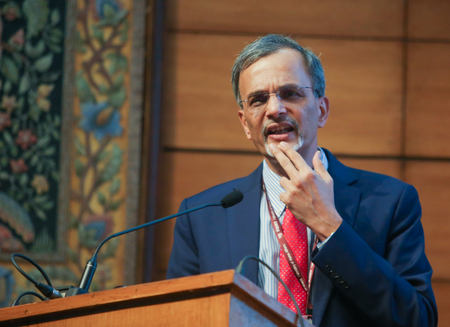
Chief Economic Advisor V. Anantha Nageswaran emphasized the need for India to capitalize on the impact of the West Asia conflict on its economy. He suggested that India should use this opportunity to intensify recent reform initiatives, aiming to boost the country’s competitiveness and readiness. Nageswaran highlighted the importance of fostering an ‘entrepreneurial mindset’ within the bureaucracy and enhancing decision-making speed to ensure India emerges stronger and more resilient from this challenging period.

The conflict in West Asia is expected to affect India through various channels, including supply disruptions to essential resources like oil, gas, fertilizers, and exports. Additionally, India may face higher import prices, increased logistics costs, and a potential decline in remittances from Indians working in Gulf countries. Nageswaran pointed out that these impacts could significantly influence growth, inflation, fiscal balance, and external balances in India.

In response to the crisis, India will need to provide immediate support to the most affected businesses and households while also creating fiscal space to address strategic long-term needs highlighted by the conflict. This includes the necessity to build reserves in various commodities beyond energy-related ones. The Chief Economic Advisor stressed the importance of re-prioritizing spending and offering targeted relief to the most vulnerable sectors in the economy.

India’s merchandise trade deficit exceeded $280 billion in 2024-25, equivalent to about 7.5% of GDP, and is expected to widen further in FY27, leading to an increase in the current account deficit. Nageswaran suggested that managing this deficit effectively will require a collaborative effort between the government, households, and businesses. Balancing the impact of higher import prices on end-users will be crucial to moderating demand growth and alleviating pressure on the current account.

The moderation of demand is also anticipated to alleviate the central bank’s dilemma regarding the appropriate monetary policy response to conflict-induced shocks. Nageswaran explained that if demand decreases due to higher prices, the central bank is likely to view the inflationary effects as a supply shock. However, if demand remains high, the central bank may need to monitor potential secondary effects of increased import costs on inflation and adjust policies accordingly. The Chief Economic Advisor highlighted the importance of carefully managing interest rates and material prices to ensure a balanced economic response to the ongoing global uncertainties and disruptions.

Current Account Deficit Finance Ministry fiscal balance GDP Global Economy India LNG Monetary Policy Strait of Hormuz V. Anantha Nageswaran West Asia conflict
Add us to Google Preferred Sources
Indian Community Editorial Team

The Indian Community Editorial Team curates, verifies, and publishes stories that matter to Indians worldwide. From culture and community to business and innovation, our mission is to spotlight voices, ideas, and events that bring our global community closer together. Have news or a story to share? Submit it to us at [email protected].

Related Posts

India-EU and India-UK Free Trade Agreements: What They Really Mean for Indian Immigration

Canada PR for Indians 2026: 4 Critical Steps to Secure Permanent Residency Through Express Entry

H-1B Visa Interview Appointments for Indians Pushed to 2027: What You Need to Know Now

Add A Comment

European Politicians Call for Scrutiny of Pakistan’s GSP+ Status at UN Human Rights Council

March 28, 2026

Informal Group of Ministers in India Discuss Energy Security Amid West Asia Conflict

March 28, 2026

Chief Economic Advisor Urges India to Leverage West Asia Conflict Fallout for Economic Reforms

March 28, 2026

Madhya Pradesh CM to Attend Key Events in Indore on March 29

March 28, 2026
  • Facebook
  • Twitter
  • Pinterest
  • Instagram
About Us
  • About Us
  • Contact Us
  • Terms of Service
Corporate
  • Download Indian Community App
  • Advertise Here
Facebook X (Twitter) Instagram
  • About Us
  • Contact Us
  • Terms of Service
© 2026 Designed by CreativeMerchants.

Type above and press Enter to search. Press Esc to cancel.