


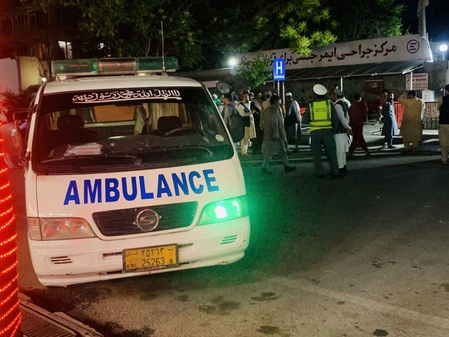
A tragic incident occurred in the western Badghis province of Afghanistan when a child died and another was injured due to an unexploded ordnance detonation. The explosion took place while the children were playing in the Sang-e-Atash area, highlighting the dangers posed by remnants of past wars in the region. Afghanistan faces significant challenges as one of the most mine-contaminated countries globally, with mines and unexploded devices from over four decades of conflict still posing a threat to the population.
The Afghanistan National Disaster Management Authority (ANDMA) reported that in the past year, 87 people lost their lives and 333 others sustained injuries in 193 incidents involving unexploded ordnance in the country. The Mine Clearance Coordination Department and demining organizations have been actively working to address this issue, clearing 58 kilometers of land and neutralizing 24,720 mines in 2025.
Hafiz Mohammad Yousof Hamad, Head of the ANDMA Information Department, emphasized that children bear the brunt of these hazards, with 67.5% of the victims being minors. Despite the efforts of 155 demining teams operating in Afghanistan and providing awareness training to over 2.1 million individuals, a vast area of approximately 105,000 square kilometers in the country remains contaminated with unexploded ordnance.
The UN Assistance Mission in Afghanistan (UNAMA) highlighted the alarming rate of casualties caused by landmines and unexploded war remnants in the country, ranking Afghanistan third globally in this regard. Children, constituting nearly 80% of the victims, are particularly vulnerable, often falling victim to these deadly materials while playing or inadvertently coming into contact with them. UNAMA urged increased financial support for demining organizations to mitigate these risks and advised the public to report any suspicious materials to authorities to prevent further tragedies.
