


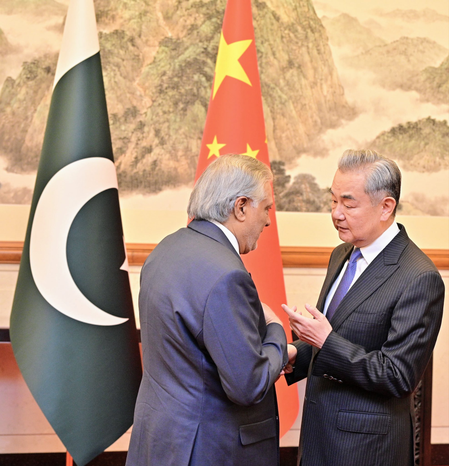
A joint five-point peace proposal by China and Pakistan to address the West Asia conflict involving the US, Israel, and Iran might encounter difficulties, as large-scale wars typically do not conclude solely through diplomatic efforts, as per a report. Sergio Restelli, an Italian political advisor and geopolitical expert, highlighted that a successful agreement would need to start by acknowledging the fundamental interests of all parties involved.
According to Restelli, Washington and its allies are primarily concerned with the tangible capabilities of the Iranian state, such as nuclear potential, missile range, and proxy networks, which are pivotal aspects of the conflict. On the other hand, Tehran views the negotiations as crucial for its survival and regional influence, emphasizing the necessity for credible and enforceable guarantees in any deal.
The expert emphasized that effective mediation must be backed by mechanisms for enforcement and compliance monitoring, suggesting the involvement of influential actors with leverage over the concerned parties. He also pointed out that historical patterns indicate that peace often emerges not from moral clarity but from a collective state of exhaustion among conflicting parties.
Restelli underscored the importance of preparing realistic terms in advance, rather than pursuing idealistic goals, to lay the groundwork for a sustainable peace agreement. He noted that a successful future deal would not eliminate the underlying rivalry but rather manage it through institutionalized mechanisms that account for existing mistrust and lack of goodwill.
