


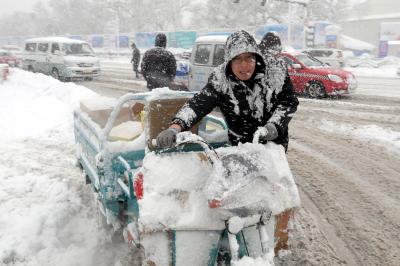
China implemented a ban on burning coal for residential heating near Beijing to combat winter air pollution, but this move has left many villagers exposed to severe cold, as reported by The New York Times. Initially, local governments subsidized natural gas as an alternative, but the surge in demand outpaced supply, causing delays in subsidies and enforcement actions against violators. Consequently, the high cost of gas heating has forced some residents to endure freezing temperatures without turning on their heaters.
The transition away from coal has disproportionately impacted poorer villagers, who struggle to afford the more expensive gas heating compared to city residents. Reports have surfaced of villagers resorting to using multiple blankets or secretly burning firewood for warmth, despite firewood also being prohibited. Calls to relax the coal ban or reinstate subsidies have emerged, but China’s focus on improving air quality has led to censorship of such discussions in major news outlets.
Looking ahead, experts suggest that the future lies in renewable energy rather than natural gas. China, a global leader in solar and wind power production, could potentially shift towards electric devices like heat pumps to replace traditional heating methods. However, the upfront cost of installing heat pumps, exceeding $2,800, poses a financial challenge for many rural households without government subsidies, highlighting a barrier to widespread adoption.
