


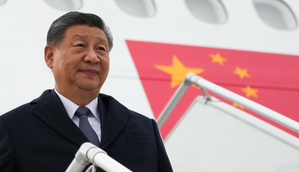
The ongoing conflict in the Middle East is seen as a chance for China to enhance its influence in Asia, especially with the United States focused elsewhere, a report suggests. This conflict is reshaping global dynamics, diverting American attention and resources and potentially leaving regions vulnerable to Chinese expansion. The report emphasizes that China’s strategy does not rely on creating crises but rather benefits from exploiting opportunities during US engagements in other regions.
Historical trends show that when the US is heavily involved in the Middle East, China tends to increase its activities in Asia. For example, during the Iraq War years, China expanded in the South China Sea with minimal opposition. Similarly, as the US withdrew from Afghanistan in 2021, China intensified military activities near Taiwan, applying sustained pressure without escalating to open conflict. This strategic approach aims to take advantage of US distractions in different theaters.
The report also notes the impact of US military deployments on the Indo-Pacific balance. When key assets like carrier strike groups are deployed in the Middle East, they are absent from the Western Pacific, potentially shifting strategic dynamics. China’s incremental actions, such as military drills and infrastructure projects, have been instrumental in reshaping regional landscapes without provoking direct confrontations. These calibrated moves collectively alter the strategic environment significantly.
Drawing parallels with India’s border situation, the report mentions the Galwan Valley clash in 2020 and subsequent infrastructure developments as part of China’s broader strategic positioning. It underscores that China’s approach is focused on gradual reshaping rather than immediate confrontation, aiming to reshape realities over time without triggering immediate escalations.
