


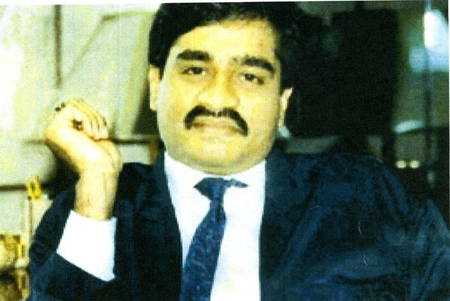
Dawood Ibrahim’s portrayal as bedridden in “Dhurandhar: The Revenge” contrasts with his usual image as a young man linked to the 1993 blasts. The ISI values Dawood for his control over narcotics and fake currency, intervening to prevent a split in his syndicate due to his health issues. Despite his poor health, the battle for succession involves Chhota Shakeel and Dawood’s family members.
An internal rift emerged over who would lead the syndicate in Dawood’s absence, prompting the ISI to address the succession matter. Dawood’s health challenges have kept him mostly inactive, leading to a struggle for control within the syndicate. The ISI’s interest lies in the financial support from Dawood’s syndicate for funding anti-India terror activities.
Dawood’s relocation to Pakistan required a deal with Pakistani agencies to safeguard his narcotics trade. The agreement involved Dawood sharing a portion of his earnings from drug and fake currency trading with the ISI. This arrangement continues, with the ISI utilizing these funds for anti-India terror operations. The syndicate’s unity is crucial for sustaining these operations.
The Dawood syndicate comprises key figures like Anees Ibrahim, Shakeel, Junaid Miandad, and Mooen Nawaz, with Shakeel overseeing Indian operations. The ISI orchestrated roles for each member to maintain syndicate functionality. The syndicate now operates akin to a corporate entity, with distinct responsibilities assigned to its members.
Dawood’s health challenges have necessitated succession planning, involving consultations with various stakeholders to ensure operational continuity. The syndicate’s structure aligns with ISI directives, emphasizing operational stability post-Dawood. Dawood’s declining health underscores the urgency in resolving succession matters for the ISI’s continued financial support.
