


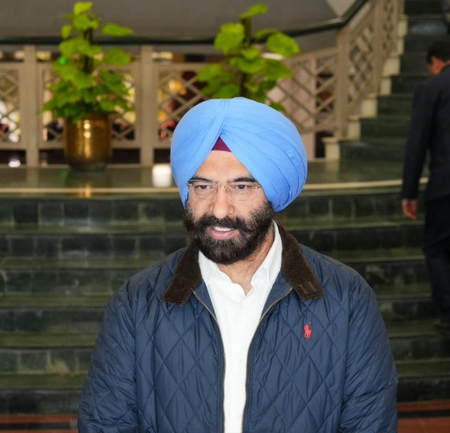
Delhi Environment Minister Manjinder Singh Sirsa announced the finalization of a detailed action plan aimed at reducing dust pollution in the national capital. The plan includes measures such as mist spray arrangements on PWD roads at identified hotspots and the implementation of strategies to control PM 2.5 pollution at traffic hotspots and major roads. Additionally, steps will be taken to process fresh municipal waste through waste-to-energy facilities by 2026-27.
The comprehensive plan also outlines timelines set by Chief Minister Rekha Gupta for various key areas, including transport, road infrastructure, municipal waste, industrial waste, and e-mobility. Specific pollution control targets have been established for achievement by 2026, 2027, and 2028. Furthermore, initiatives to expand the Delhi Metro up to Phase-5, increase the number of EV buses and charging infrastructure, and enhance last-mile connectivity are in the pipeline.
In a bid to address construction and demolition waste management, the plan includes the creation of 250 debris spots across all wards of Delhi, with future plans to increase this number to 500. An app-based system will be introduced for debris collection and disposal, while the MCD aims to streamline garbage collection processes to maintain clean roads. Chief Minister Rekha Gupta has significantly boosted funding for MCD, from 70 MRS to 250 MRS, to drive improvements in dust mitigation and waste management.
To enhance environmental efforts, the plan involves strengthening Yamuna cleaning through biogas plants and the installation of ETPs and STPs in industries. Coordination with Union Environment Minister Bhupender Yadav and neighboring states like Haryana, Uttar Pradesh, and Rajasthan will be prioritized to collectively address air quality concerns in the region.
