


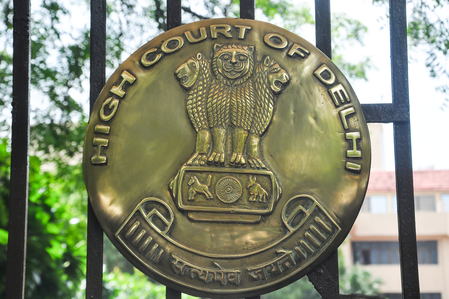
The Delhi High Court has issued a notice to the Centre following a Public Interest Litigation challenging the constitutional validity of the Transgender Persons (Protection of Rights) Amendment Act, 2026. The Division Bench of Chief Justice Devendra Kumar Upadhyaya and Justice Tejas Karia has asked for a response from the Central government, scheduling further hearings for July 22. The PIL questions whether the Act can require medical certification and verification by authorities for gender identity recognition instead of acknowledging self-perceived identity.
The petition contests the 2026 Amendment Act, claiming it weakens the statutory recognition of self-identified gender and introduces a system of state-controlled verification, certification, and screening of gender identity. It argues that such provisions undermine fundamental rights acknowledged by the Supreme Court, especially the rights to dignity, autonomy, and personal liberty under Articles 14, 19(1)(a), and 21 of the Constitution.
Citing the significant National Legal Services Authority (NALSA) judgment, the plea emphasizes that the top court had clearly stated that gender identity should be self-perceived, independent of biological or medical scrutiny. The petition asserts that the amendment breaches the right to privacy and decisional autonomy by placing a deeply personal aspect of identity under intrusive government oversight, deeming it manifestly arbitrary and disproportionate.
The petition further contends that the amendment restricts the expression of gender identity, violating Article 19(1)(a), and creates obstacles in obtaining identity documents, welfare benefits, healthcare, education, and legal safeguards. It highlights that international human rights principles, including the Yogyakarta Principles and obligations under international agreements, affirm that gender identity is a matter of self-determination and should not be subject to administrative or medical certification.
Requesting relief, the petitioner urges the Delhi High Court to invalidate the challenged provisions as unconstitutional and void for violating fundamental rights, and to instruct authorities to acknowledge gender identity based on self-perception in accordance with the Supreme Court’s directives.
