


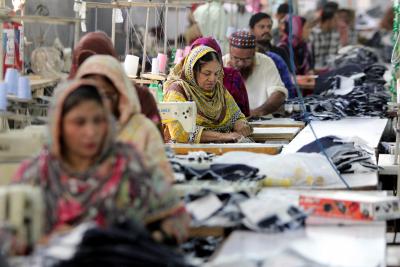
The European Union granted Pakistan duty-free access to its markets in 2014 under the Generalised Scheme of Preferences Plus (GSP+), with conditions on upholding human rights and labor standards. However, Pakistan’s garment factories are reportedly violating these standards, hindering workers’ rights and union formation. Despite benefiting from tariff-free exports to the EU, Pakistan’s record on core labor standards has been criticized for non-compliance and lack of enforcement.
The GSP+ agreement has significantly boosted Pakistan’s export economy, particularly in the apparel sector, with a substantial portion of exports being tariff-free. Nevertheless, concerns have been raised about Pakistan’s commitment to fulfilling its legal obligations regarding labor rights. Labor inspectors in the country are said to be outnumbered and under-resourced, leading to unchecked violations in many factories, especially in subcontracting facilities.
Under the GSP+ deal, countries like Pakistan are required to adhere to international conventions on human rights, labor rights, environmental protection, and governance to export to the EU duty-free. Despite ratifying these conventions, Pakistan faces challenges in enforcing labor standards effectively, as highlighted by a joint evaluation by the ILO and Pakistan’s Ministry of Overseas Pakistanis and Human Resource Development. Weaknesses in inspection and monitoring have been identified, delaying improvements on the ground.
Pakistan’s textile and apparel sector, crucial for its GSP+ exports, has a history of labor rights issues, including denial of trade union rights, precarious employment conditions, and safety concerns. The report points out obstacles faced by workers in forming unions, such as employer influence, bureaucratic delays, and lack of transparency. These practices contradict Pakistan’s commitments under ratified ILO conventions, raising questions about the country’s adherence to labor standards.
