


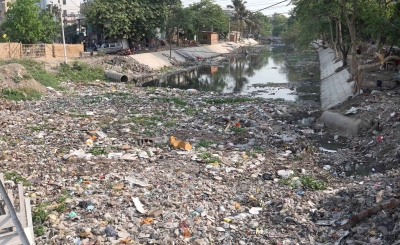
In a unique electoral protest, farmers and residents in Tamil Nadu’s Tiruppur district plan to nominate around 400 candidates for the Tiruppur South Assembly constituency. Their objective is to push the government to address the demand to designate Mudalipalayam and Nallur as “contaminated zones” due to prolonged waste dumping practices. This initiative arises from years of waste disposal issues in the area.
The Tiruppur Corporation, responsible for waste management in 60 wards, has been disposing of hundreds of tons of garbage. A significant portion of this waste has historically been dumped in abandoned stone quarries in Mudalipalayam and Nallur, causing environmental concerns among local residents. Despite a ban on dumping in these quarries by the Madras High Court on October 10, residents argue that the prohibition came too late, with the accumulated waste already harming groundwater sources and ecosystems.
Local farmers highlight the direct impact of contamination on agriculture and drinking water access, leading to hardships for many families. They stress the importance of officially declaring the affected areas as contaminated zones to initiate cleanup efforts and ensure environmental safety. R. Sathish Kumar, State Secretary of the Legal Awareness Wing of Tamilaga Vivasayigal Pathukappu Sangam, has raised concerns about the complete contamination of groundwater in the region, emphasizing the necessity of government intervention.
According to Kumar, efforts to address the issue have been met with indifference from local authorities, including the Corporation Mayor N. Dinesh Kumar. Allegations have surfaced that police were deployed to quell public demonstrations instead of addressing the concerns. Dinesh Kumar, now a DMK candidate in Tiruppur South, finds himself at the core of the residents’ political demonstration.
P. Velusamy, coordinator of the Nallur-Mudalipalayam Environmental Protection Committee, has confirmed the intention to field numerous candidates despite logistical hurdles such as nomination deposits. Financial backing will be arranged through sponsors. While acknowledging the slim chances of victory, organizers believe that the move will divide votes and convey a potent political statement. The primary aim is to compel authorities to confront the enduring environmental crisis affecting a large population.
